Dog Walker EDC: 7 Essentials for Every Route
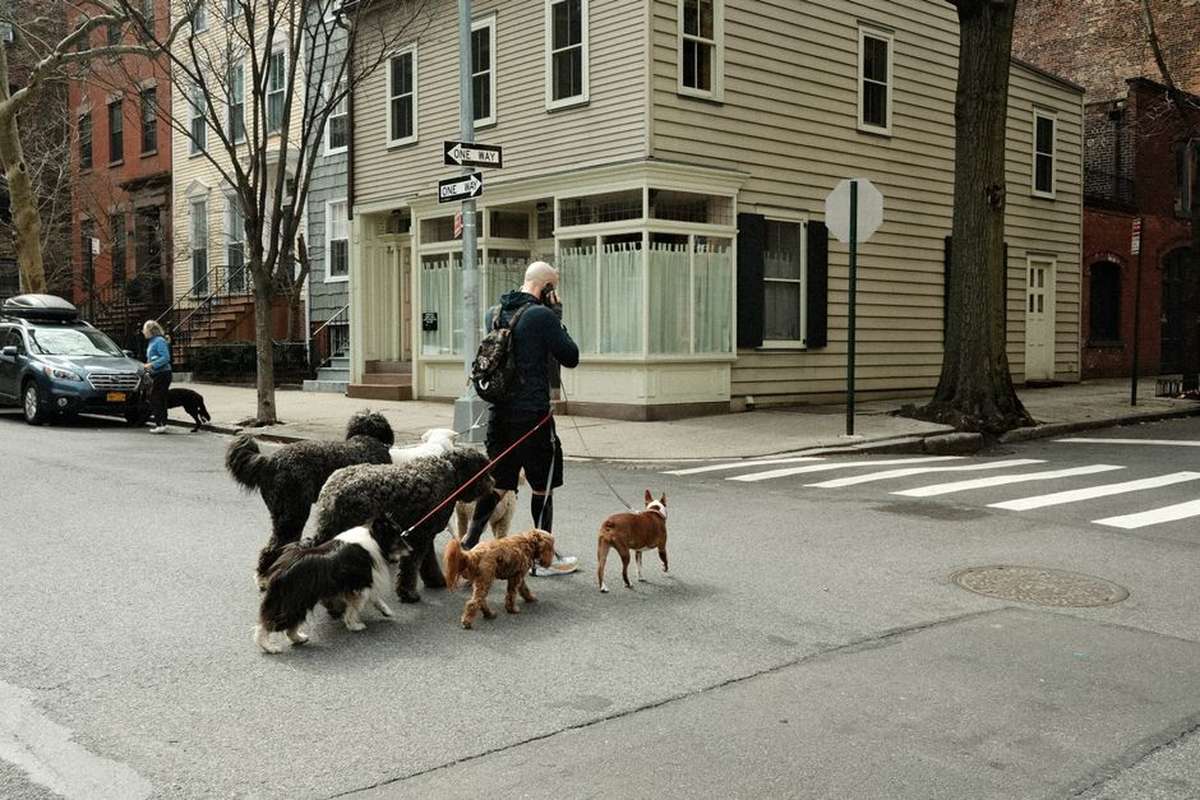
A professional dog walker spends most of a shift with three or four leashes in one hand and a phone buzzing with the next client’s gate code in the other, moving between houses that each come with their own quirks — a gate that sticks, a dog that bolts, a yard with no shade. The contents of a belt or sling bag get used, lost, and replaced constantly under that pace. Postal workers get the headlines on dog bites, but anyone who walks into a stranger’s yard for a living carries a version of that same risk. This is the kit that holds up to that pace — not a generic “dog owner” packing list, but what actually survives a paid route.
Dog Walker EDC: What Actually Belongs On Your Belt
Most dog walking advice is written for someone with one dog and a backyard. A working dog walker needs something closer to a tool belt: waste bags, a spare leash, ID, a first aid kit, a phone, and a way to carry water, all accessible one-handed because the other hand rarely comes free. The gear has to clip, zip, or pocket fast — fumbling with a bag closure while a client’s Lab is lunging at a squirrel is how leashes get dropped.
The honest answer is that carry preference splits about evenly between a cross-body sling, a running belt, and a treat pouch with a hip clip. None of them is objectively better. What matters is that the system stays on the body during a full route and doesn’t require two hands to open.
The Leash and Waste Bag System That Doesn’t Fail Mid-Route
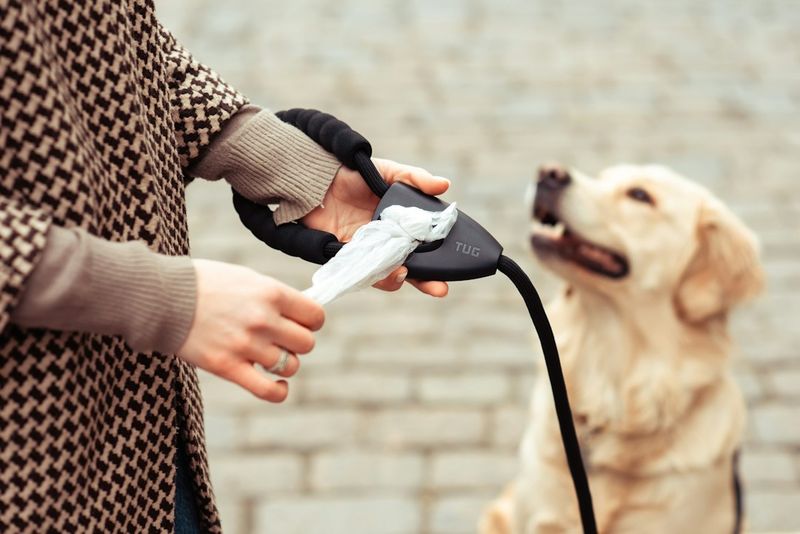
Running out of waste bags on a stranger’s lawn is the single most avoidable failure in this job, and it still happens constantly because walkers trust a half-empty roll clipped to the leash. The fix is carrying two separate sources: a leash-mounted dispenser for quick access and a backup roll of 30-plus bags in the main pack. A dispenser handle built into the leash itself, rather than a clip-on attachment, survives longer because there’s nothing extra to snag on fencing or car doors.
Bag thickness matters more than most walkers think. The thin rolls sold at dollar stores tear on anything larger than a 20-pound dog’s output, which means a second bag, a dirtier hand, and a longer stop. Spend the extra few dollars on 1.2-mil or thicker bags — it’s a small cost per route and it’s the difference between a 15-second cleanup and a mess.
The Multi-Dog Leash Problem Nobody Talks About
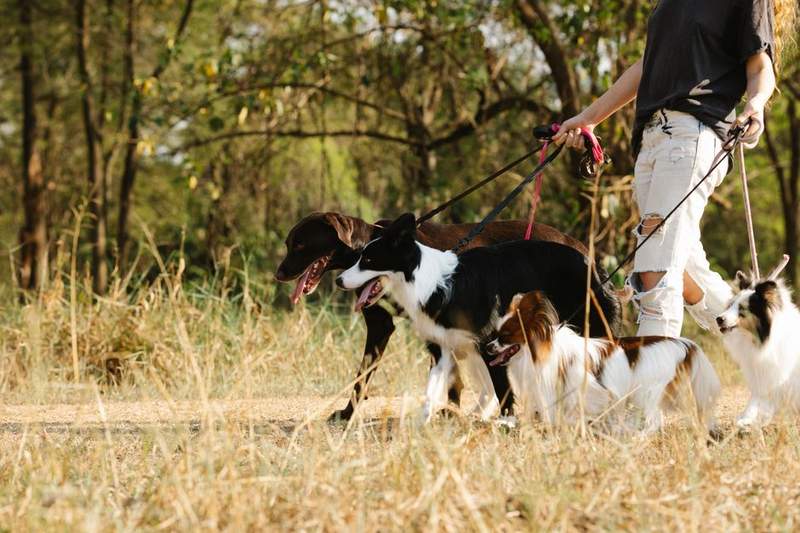
Walk one dog and a standard 6-foot leash is fine. Walk three or four from different households and the leashes tangle, the handles dig into fingers, and a sudden pull from one dog yanks the whole group off balance. A coupler or multi-dog leash splitter solves the tangling, but it only works if every dog on it has similar size and pull strength — mixing a 70-pound shepherd with a 12-pound terrier on the same coupler means the terrier gets dragged.
Carabiners are the quiet hero here. Clipping each leash handle to a locking carabiner on a belt, rather than holding four separate loops in one fist, frees up grip strength and means a sudden lunge pulls against the belt instead of against finger joints. It looks like overkill until the first time a dog spots a squirrel mid-route.
Front-clip harnesses on the pullers in the group cut down on the yanking that causes most of this chaos in the first place. It’s worth asking clients to switch collars for harnesses before the first walk rather than fighting the pull for weeks.
Pocket Knife and Multitool: Cutting Tangles, Burrs, and Zip Ties
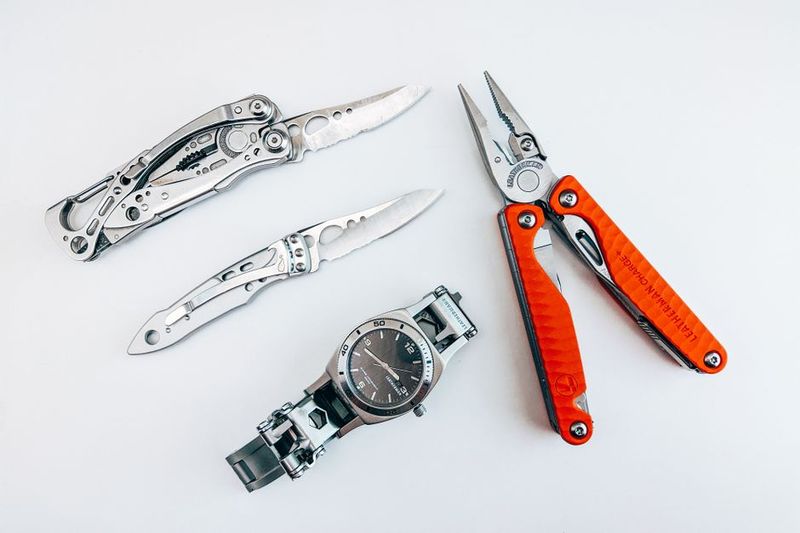
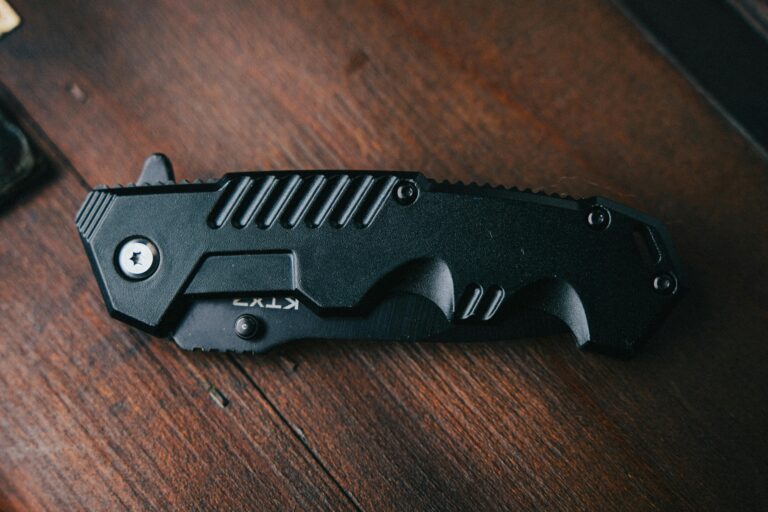
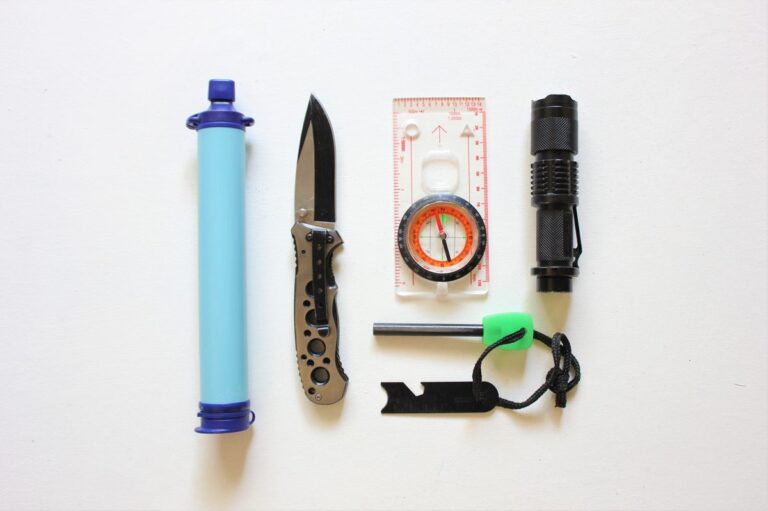
A folding knife earns its place in a dog walker’s kit for reasons that have nothing to do with self-defense. Burrs tangled deep in a long-haired dog’s coat, a leash caught on a fence and twisted into a knot that won’t untie by hand, a zip-tied gate latch at a client’s property — all of it is faster to cut than to pick apart. Our fixed blade vs folding knife breakdown covers the tradeoffs, but for this job a compact folder with a 2.5 to 3-inch blade and a pocket clip beats a fixed blade — it disappears into a pocket and doesn’t need a sheath competing for belt space.
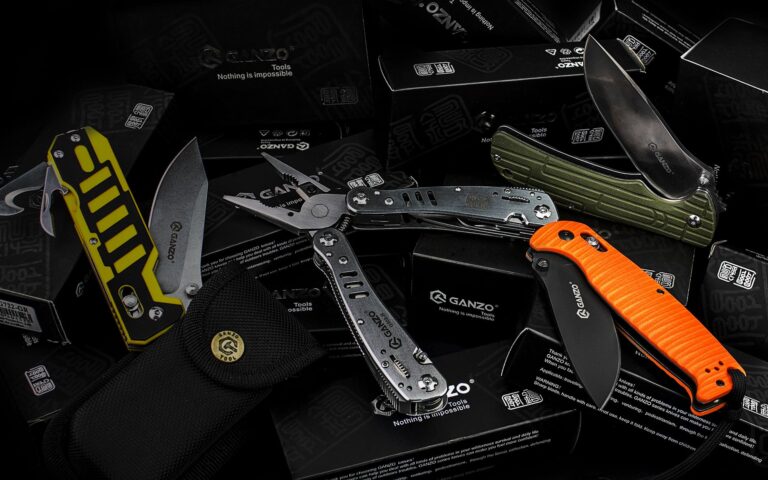
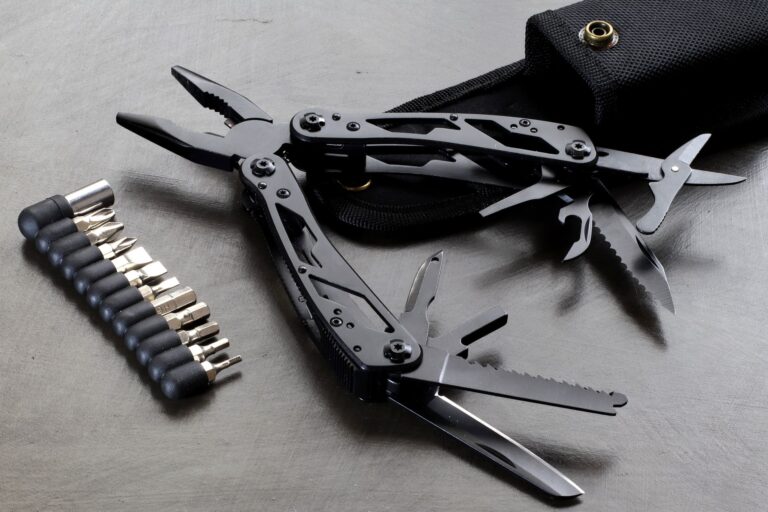
A small multitool adds pliers for pulling foxtails or splinters out of paws, scissors for trimming a matted patch before it gets worse, and a bottle opener that’s more useful than it sounds after a hot route. Skip the 18-function monsters. A walker needs four or five tools used daily, not twenty used never.
First Aid for the Dog — and for You
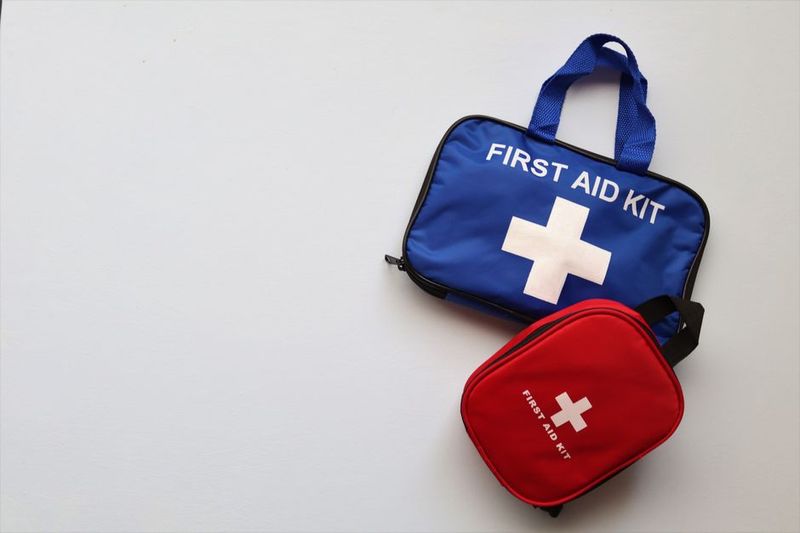
Nearly every dog walking guide online packs for the dog and forgets the human holding the leash. Cut paw pads, tick removal, and upset stomachs are the common dog injuries, and a pocket-sized kit with gauze, vet wrap, a tick key, and styptic powder covers most of them. Our EDC first aid kit guide has the full breakdown for building one that fits in a pocket instead of a shoebox.
The part that gets skipped is the walker’s own first aid. The CDC’s own data puts dog bites at roughly 4.5 million a year in the US, with nearly 800,000 serious enough to need medical treatment1 — and someone walking four unfamiliar dogs a day for a living is a lot closer to that statistic than the average pet owner. A couple of adhesive bandages, an alcohol wipe, and a compact gauze roll sized for a human hand take up almost no space and matter more than most of what’s in a typical kit.
Weather Gear That Survives Rain and Heat

Unlike a commuter who can wait out a storm indoors, a dog walker with a client schedule goes out in whatever the sky is doing. A packable rain shell that stuffs into its own pocket beats a bulky jacket every time — it needs to live in the bag permanently, not get left at home because it’s too much to carry on a clear morning. We cover the broader version of this in our rainy day EDC guide, but for dog walking specifically, waterproof the bag’s contents separately. A $3 dry bag for the phone and first aid kit has saved more electronics than any case.
Heat is the bigger danger most walkers underrate. Asphalt gets hot enough to burn paw pads well before the air temperature feels dangerous to a human, so a walker needs a way to test pavement (the back-of-hand-for-seven-seconds rule works) and carry enough water for the dogs, not just themselves. A collapsible silicone bowl that clips flat to a bag adds almost no weight and solves the single biggest summer complaint clients have.
Reflective Gear and a Flashlight for Early and Late Routes

A route list that starts at 6 a.m. and runs through evening client pickups means a working dog walker spends real time outside in low light — and most of the gear marketed for this is built for the dog, not the person holding the leash. A clip-on flashlight in the 100-150 lumen range is enough to spot curbs, broken glass, and loose dogs without blinding oncoming traffic, and it beats a phone flashlight because it leaves both hands free.
Reflective gear works best stacked rather than relied on as a single item. A reflective leash handle, a reflective strip on the bag, and a reflective dog collar together do more than any one piece alone, because drivers catch movement from multiple points rather than a single dot of light.
Treat Pouch vs Pocket: Where Everything Actually Lives
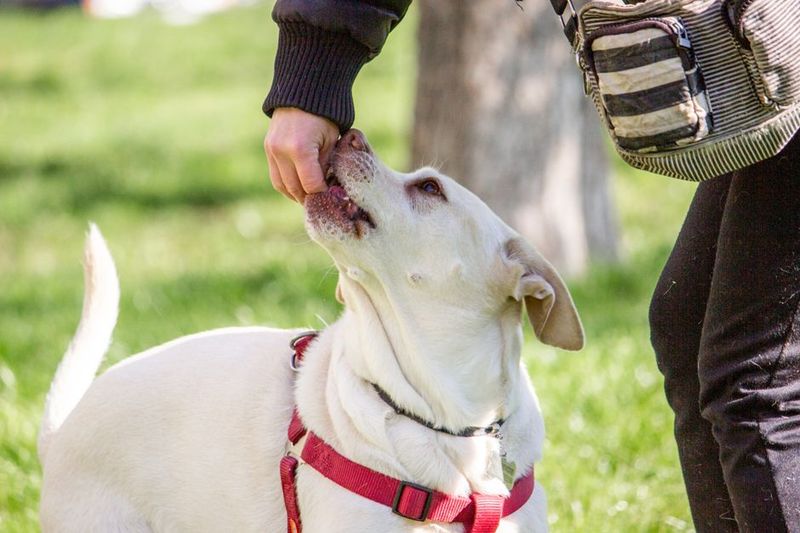
Treats aren’t optional for a professional walker — they’re how a nervous rescue dog gets through a stranger’s first walk, and how a puller gets redirected without a fight. A magnetic-close treat pouch beats a zippered pocket because it opens with one hand mid-stride, which matters when a dog is already three steps into a bad decision and the reward needs to land in the next second, not after a ten-second zipper fight.
The minimalist instinct — carry less, cut what isn’t used — applies here too, but treats are one category where more capacity earns its weight. A pouch that holds a full day’s worth across four or five dogs beats refilling from a pocket stash between stops.
Frequently Asked Questions
What’s the single most important item in a dog walker’s EDC?
A reliable waste bag system. It gets used on every single stop of every single route, more than any other item in the kit, and running out mid-walk is the fastest way to damage a client relationship.
Do dog walkers need to carry a first aid kit for themselves, not just the dog?
Yes. Dog bites send close to 800,000 people to a doctor each year in the US, and a walker handling unfamiliar dogs daily carries more exposure than the average pet owner. A few human bandages and an alcohol wipe cost almost nothing to carry.
What’s the best way to carry multiple leashes without tangling?
Clip each leash handle to a locking carabiner on a belt rather than holding them all in one hand. It distributes the pulling force to the belt instead of to finger joints and keeps a sudden lunge from one dog from yanking the whole group off balance.
Is a pocket knife actually necessary for dog walking?
For most routes, yes — not for defense, but for cutting tangled burrs out of a coat, freeing a leash snagged on a fence, or dealing with a zip-tied gate. A compact 2.5 to 3-inch folder with a pocket clip is enough.
Sources
- CDC — Epidemiology of Dog Bites — national estimates on annual dog bite incidence and medical treatment rates.
- Pet Sitters International — Certified Professional Pet Sitter — industry certification and standards for professional dog walkers and pet sitters.
- American Veterinary Medical Association — Dog Bite Prevention — guidance on reading dog body language and reducing bite risk.