Rideshare Driver EDC: 8 Shift Essentials
Your phone hits 9% battery with two rides left on a Friday night shift, the rider behind you just knocked a drink into the cupholder, and the glove box holds nothing but a tire gauge and an expired insurance card. That’s the exact moment that separates drivers who’ve built a real carry kit from drivers who are about to eat a one-star rating over something a $20 power bank would have prevented. Rideshare driving puts you in and out of a car dozens of times a shift, dealing with strangers, cash, spills, and dead zones — the gear that matters isn’t the 60-item Amazon checklist, it’s the handful of things you can actually reach in ten seconds.
What a Rideshare Driver EDC Kit Actually Needs
Most “rideshare driver essentials” lists are really car-accessory lists — dash cams, seat covers, trunk organizers. Useful, but none of it is EDC. Everyday carry is what travels with your body: pocket, clip, door pocket, glovebox reach. For a rideshare driver, that distinction matters because the worst moments happen when you’re out of the car — walking a confused rider to a building entrance, checking a flat at a gas station, standing on the curb at 1 a.m. waiting on a cancelled pickup.
The baseline kit is small: phone, a charging cable long enough to reach the back seat, a backup battery, a slim wallet with cash for the drivers who still take tips in person, a basic multitool, and a pocket first aid kit. Everything past that is situational — weather, shift length, city versus suburb.

A dash-mounted phone is the one tool you can’t drive without — but it’s also the one drivers forget to back up.
Phone, Mount, and Backup Power: The Core Three
Your phone is the job. GPS, the driver app, rider messages, and your income all route through one device with a battery that was never built for six hours of screen-on navigation plus Bluetooth streaming. A dedicated vent or dash mount keeps it visible without you glancing down at a cupholder, and a cable long enough to loop to the back seat lets a rider top off their phone too — a small gesture that shows up in tip amounts more than people expect.
The piece drivers skip is the backup battery, and it’s the one that actually saves a shift. A 10,000mAh brick gets a phone through four or five hours of active navigation on top of whatever the car charger is already doing, which matters the moment you’re stuck idling in surge traffic with the AC and screen both pulling power. We cover capacity and recharge speed in more detail in our EDC power bank buying guide — the short version for drivers is: buy more capacity than you think you need, because a dead phone mid-shift means a dead income stream.
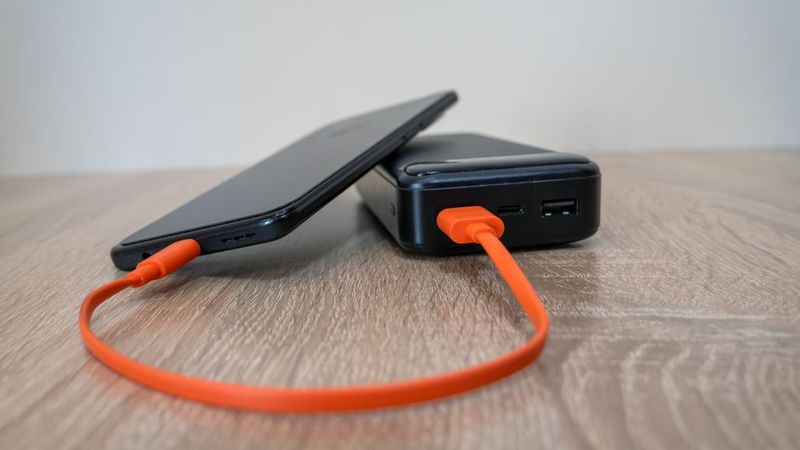
A 10,000mAh+ power bank outlasts a full shift of active navigation and Bluetooth streaming.
Personal Safety Gear for Night Shifts
Rideshare safety conversations tend to focus on in-app features — ride verification, PIN matching, trip sharing. All real, all worth using. But the personal gear question drivers ask most is what’s legal to carry and actually useful if a pickup goes sideways. A small flashlight doubles as a non-threatening way to see a dark porch number and, if needed, disorient someone at close range. A personal safety alarm — a $10 keychain siren — draws attention fast without raising the legal questions that pepper spray or a blade can in certain cities.
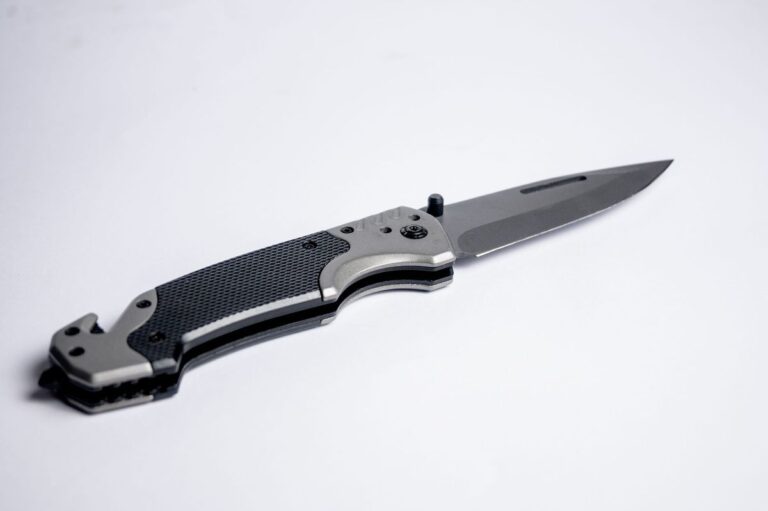
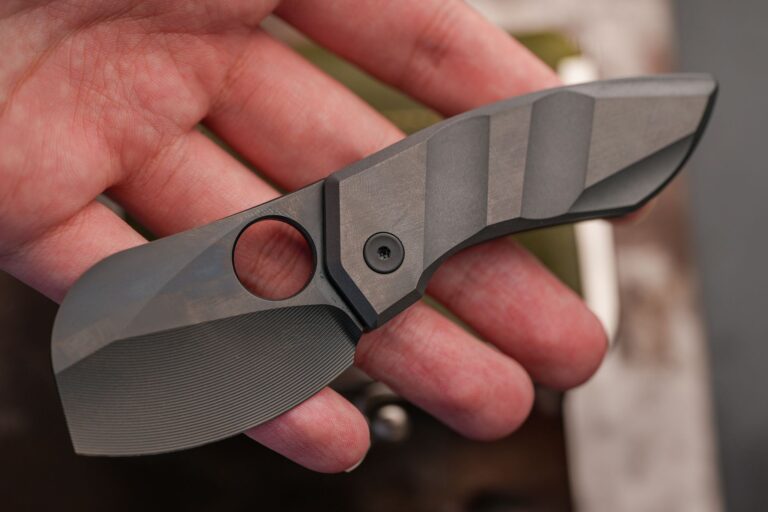
Carry law is not uniform, and it changes at the city line, not just the state line. If part of your EDC includes a folding knife for packages, boxes, or seatbelt cuts, check it against your actual carry city before you leave it clipped to your pocket — our 50-state EDC knife law guide breaks down blade length limits and locking-mechanism rules state by state, and several major rideshare markets (Chicago, New York City) have local ordinances stricter than their state law.

Night shifts carry more unknowns — the EDC that matters most is the stuff within arm’s reach, not the trunk.
The Quick-Clean Kit for Between Rides
Every rideshare driver eventually gets the ride that ends in spilled coffee, a dropped fry, or worse. A small zippered pouch in the door pocket — sanitizing wipes, a mini lint roller, a folded trash bag, a pair of nitrile gloves — turns a five-minute cleanup into a 90-second one between pickups. That matters directly to your rating: a dirty back seat is one of the most-cited reasons for a sub-4-star review, and it’s the easiest one to prevent.
Skip the giant tub of wipes riding loose on the passenger floor. A flat pouch that clips to the seatback or sits flush in the door pocket gets used every ride; a bulky container gets shoved in the trunk and forgotten exactly when you need it.

A flat pouch of wipes and gloves in the door pocket gets used; a bin in the trunk doesn’t.
First Aid and Health Basics
You don’t need the 299-piece trauma kit some accessory lists push. A pocket-sized kit with adhesive bandages, antiseptic wipes, a few painkiller packets, and one instant cold pack covers the overwhelming majority of what actually happens on a shift — a rider’s blister, your own headache at hour five, a kid’s scraped knee at pickup. Keep it in the console, not the trunk, because trunk-stored first aid means getting out of the car, popping the trunk, and digging through a bin while a rider waits. Our EDC first aid kit breakdown covers exactly what belongs in a kit this size and what’s dead weight.
If you take any daily medication, a day’s backup dose in a pill case solves the shift that runs four hours longer than planned because surge pricing hit at exactly the wrong moment.
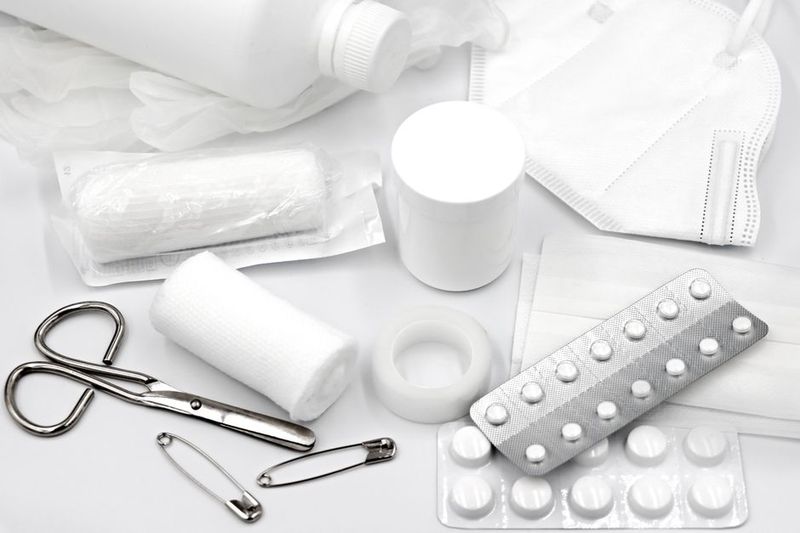
A pocket-sized first aid kit in the console beats a trunk-stored trauma kit you have to get out of the car to reach.
The Multitool That Actually Earns Pocket Space
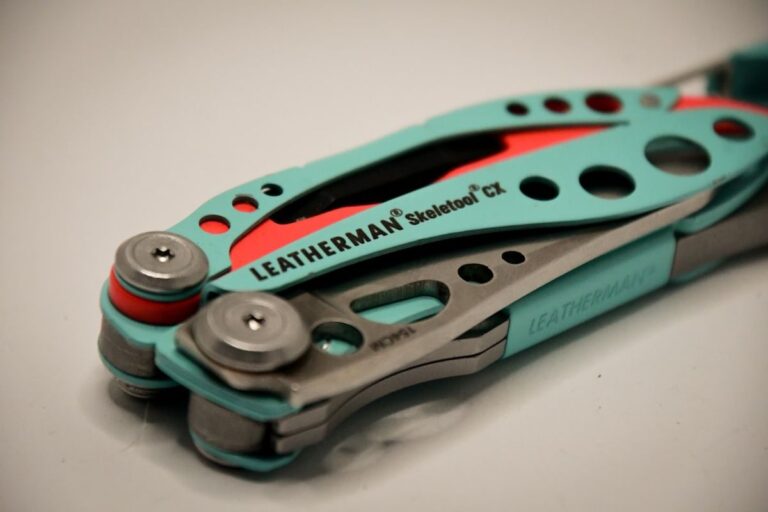
A full plier-based multitool is overkill for a car you’re not repairing mid-shift. What earns pocket space here is something slim enough to clip inside a pocket or door pocket: a seatbelt cutter edge, a small screwdriver for a loose license plate or phone mount screw, and a blunt pry tip for prying open a stuck glovebox or popping a battery compartment. We go deeper on picking the right frame size and tool mix in our best EDC multi-tool guide, but for driving specifically, prioritize a seatbelt cutter over almost anything else on the tool — it’s the one function that matters in an actual emergency.
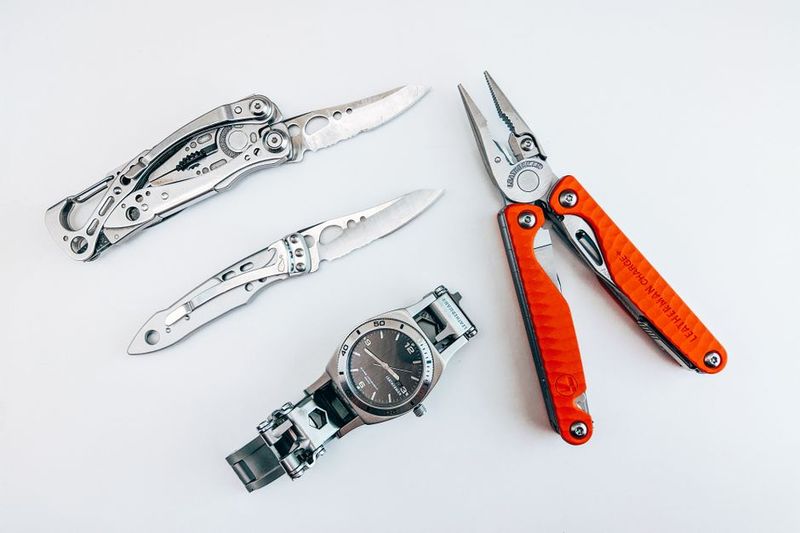
Slim and seatbelt-cutter-equipped beats heavy and plier-based for a car-based multitool.
Cash, Tips, and the Card Reader Problem
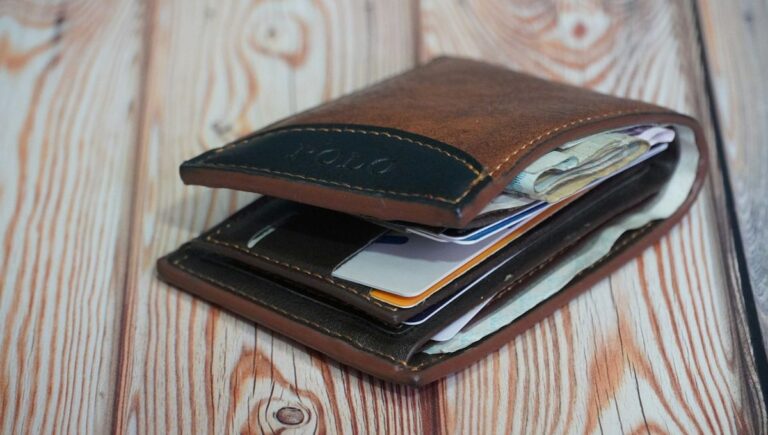
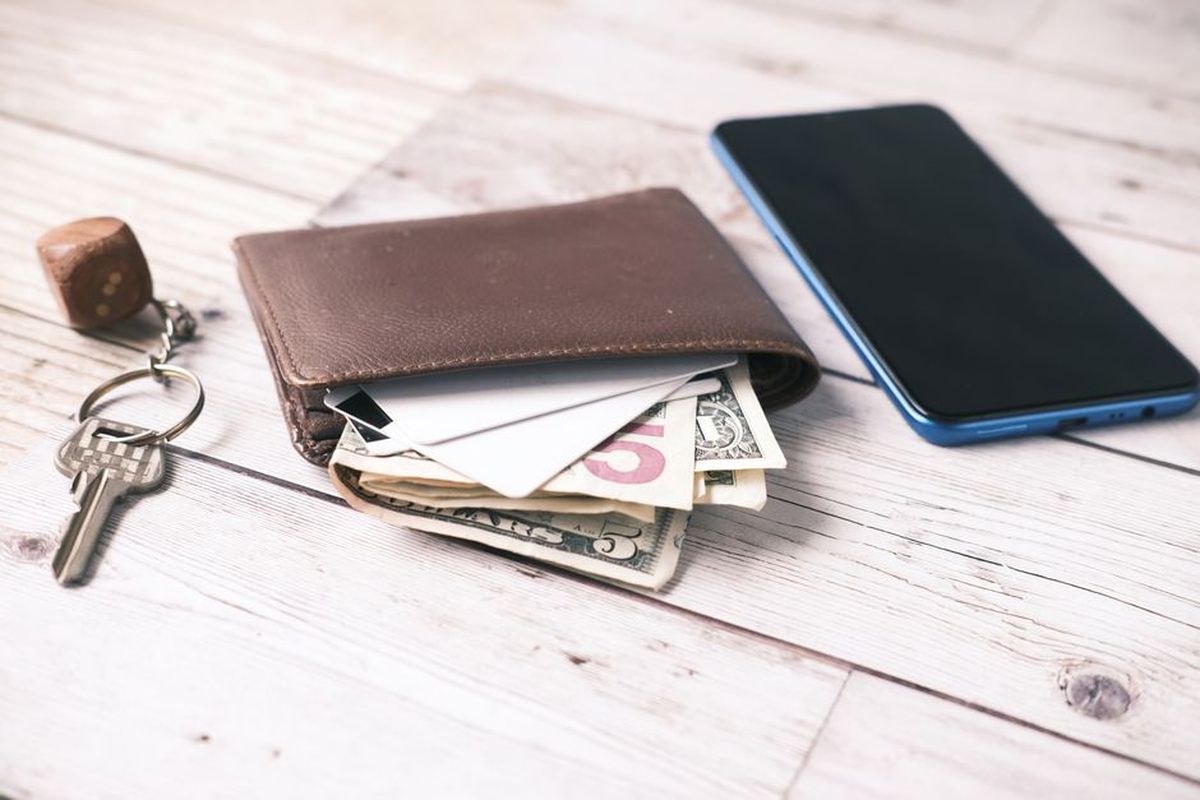
In-app tipping covers most of it now, but cash tips still happen — especially on airport runs and late-night rides where a passenger wants to tip before the app prompt even loads. A slim card-holder wallet with a flat fold of small bills ($1s and $5s) means you’re never fumbling for change or, worse, breaking a $20 at 2 a.m. A short, polite tip sign clipped to the headrest does more for average tip size than most drivers expect, and it costs less than a tank of gas to print and laminate.
Keep the cash separate from your card wallet. A driver juggling loose bills and a debit card in the same slot during a transaction is a driver who’s going to drop something at the worst possible moment — usually a red light with three cars behind.

Cash tips haven’t disappeared — a slim wallet with small bills ready beats fumbling for change.
What to Leave in the Trunk, Not Your Pocket
Jumper cables, a tire gauge, a folding shovel for winter markets, a gallon of washer fluid — all genuinely useful, none of it EDC. The test is simple: if you’d never reach for it with a passenger already seated, it belongs in the trunk, not the console or your pockets. Drivers who try to carry the full 60-item accessory list in reach end up with a cluttered front seat that actually slows down the handful of items they use every single ride.
Minimalist carry isn’t about owning less — it’s about making sure the five things you use constantly aren’t buried under the forty things you use once a season.
Frequently Asked Questions
Do I need a dash cam as part of my EDC kit?
A dash cam is a vehicle accessory, not personal carry — but it’s worth having regardless. It documents disputes and protects you from false claims. It just doesn’t replace the pocket-level items in this list.
Is pepper spray legal to carry while driving for Uber or Lyft?
Rules vary by state and sometimes by city, and both Uber and Lyft leave it to local law rather than banning it outright in their driver terms. Check your state’s self-defense statute before carrying it, the same way you’d check knife length limits.
What’s the single most-forgotten item on rideshare driver checklists?
A backup phone battery. Drivers remember the mount and the charger cable, then run a six-hour shift assuming the car charger alone will keep up with GPS, screen brightness, and Bluetooth audio running at once — it usually doesn’t.
How is a rideshare driver’s EDC different from a delivery driver’s?
A delivery driver’s kit centers on the package — insulated bags, a hand truck, a box cutter. A rideshare driver’s kit centers on the passenger and the drive itself: cleanliness, safety, and keeping the phone alive. Our delivery driver EDC kit covers that side if you run both gig apps.
The trunk can hold the just-in-case gear. What decides whether your shift runs smooth or runs ragged is what’s actually within reach of the driver’s seat — and most of that fits in a jacket pocket and a door pocket, not a packed trunk.
Sources
- The Rideshare Guy — Uber Driver Accessories — driver-sourced product breakdown used for gap analysis on what existing guides already cover.
- Ridesharing Driver — Essential Gear for Uber Drivers — comparison source for rideshare vs. delivery-specific gear differences.