
College EDC: 7 Essentials for Campus Life
Campus safety offices treat laptop theft as routine, not rare — most reported cases involve a device left unattended for only a few minutes in a cafeteria, lounge, or library seat, not an hour-long absence.1 A four-year student lives out of a backpack for roughly 1,000 class days, and the gear that matters most isn’t the bag itself. It’s the handful of small things that keep a day moving when something inevitably goes wrong: dead battery, locked door, broken pen, dark walk home, a laptop someone else decided to pick up.
The Wallet That Survives Backpack Chaos
A college wallet lives inside a bag that gets dropped, sat on, and crammed between textbooks for eight hours a day, so bulk is the enemy. Skip the trifold your dad carries and go slim — a 4-6 card slot design with a cash slot holds a student ID, debit card, meal plan card, and one backup card without adding a lump to a jacket pocket or a tote bag’s front sleeve.
Leather wears in instead of out over four years of exactly this kind of abuse, while nylon and polymer slim wallets shrug off rain and spilled coffee better. Either works. What doesn’t work is a wallet that needs both hands to open one-handed while also holding a coffee and a door — the vertical pull-tab style solves that specific problem better than a standard bifold ever will.
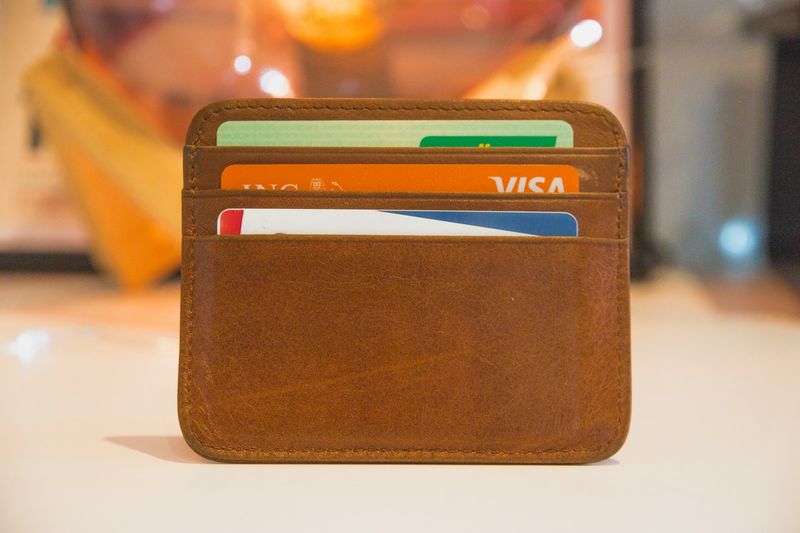
A slim card wallet keeps a student ID and two cards flat instead of bulging a jacket pocket.
A Pen and Notebook That Work When Your Laptop Doesn’t
Laptop batteries die mid-lecture, Wi-Fi drops during an exam review, and some professors ban screens outright for the first fifteen minutes of class. A pen that writes first try and a pocket notebook that survives a backpack without curling at the corners isn’t a nostalgia item — it’s the backup system for the one piece of tech every student assumes will always work.
There’s a real argument for this beyond convenience. Mueller and Oppenheimer’s 2014 study found that students who typed lecture notes on laptops performed worse on conceptual questions than students who wrote by hand, largely because typing invites verbatim transcription instead of actually processing what’s being said.2 Later replications have been mixed, but the core mechanic holds up anecdotally in every study group: the student with a notebook usually has better summary notes than the student with eleven pages of typed transcript. For a deeper breakdown on which notebook format actually survives a semester, see our Field Notes vs Moleskine comparison.

A pen and pocket notebook back up the laptop that will eventually die mid-lecture.
Keys and the One Organizer That Stops You Losing Them
Dorm key, bike lock key, car key, a mailbox key if the building has one — college is the first time most people carry this many keys on one ring, and it’s also the first time losing that ring means calling a residence hall office at 11 PM instead of a parent. A compact key organizer that clips them into a flat, silent stack solves the jingling-in-every-lecture problem and the losing-them-in-a-bag problem at the same time.
Clip the organizer to a belt loop or the interior loop most backpacks have near the top pocket, not loose in the bottom of the bag with the charging cables and loose change. That one habit — same clip point, every time — cuts down more lost-key incidents than any organizer design does on its own. Our guide to picking an EDC key organizer covers the tradeoffs between clip styles if the ring is already getting unwieldy.
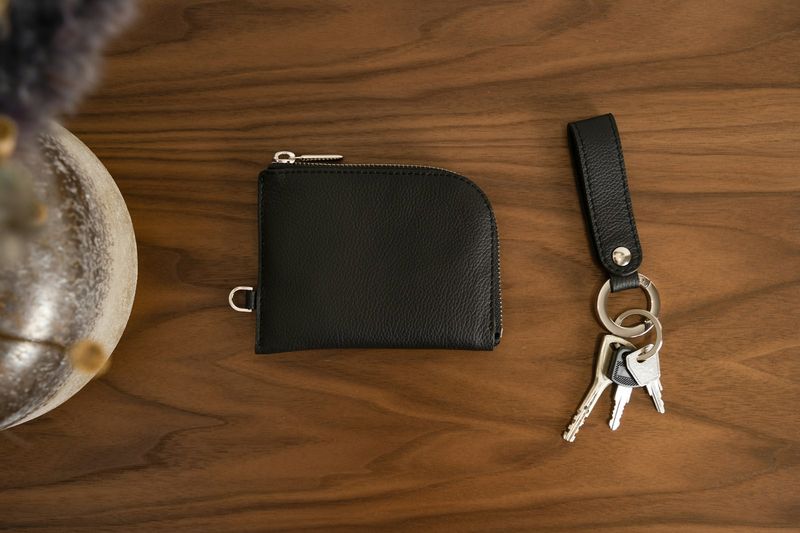
A key organizer keeps a growing dorm-and-bike-lock keyring from turning into a loose jingling mess.
Charging Gear for a Day With No Outlets
Lecture halls built in the 1970s have two outlets for ninety students, and both are usually already claimed by the first row. A phone at 20% by 2 PM isn’t an inconvenience when it’s also a student ID, a transit pass, and a two-factor login for the learning management system — it’s a logistics problem. A 10,000mAh power bank with a built-in cable weighs about as much as a can of soda and gets a phone through a day that outlets can’t.
Skip anything bigger than 10,000mAh unless there’s a laptop charging need too — the extra capacity past that point mostly adds weight nobody asked for. We break down the exact capacity-to-weight tradeoffs, including which models actually hit their rated mAh, in our EDC power bank buying guide.
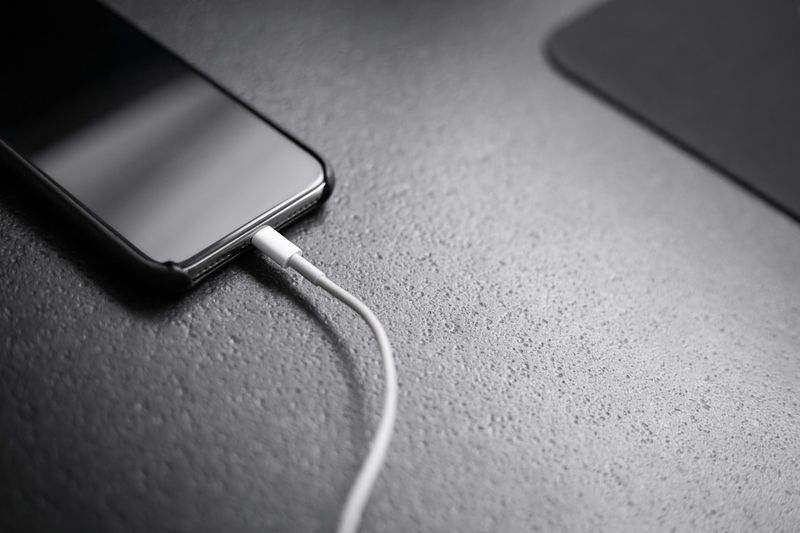
A power bank with a built-in cable covers a full class day that dorm-room-only charging can’t.
A Multitool That Won’t Get You Sent to the Dean’s Office
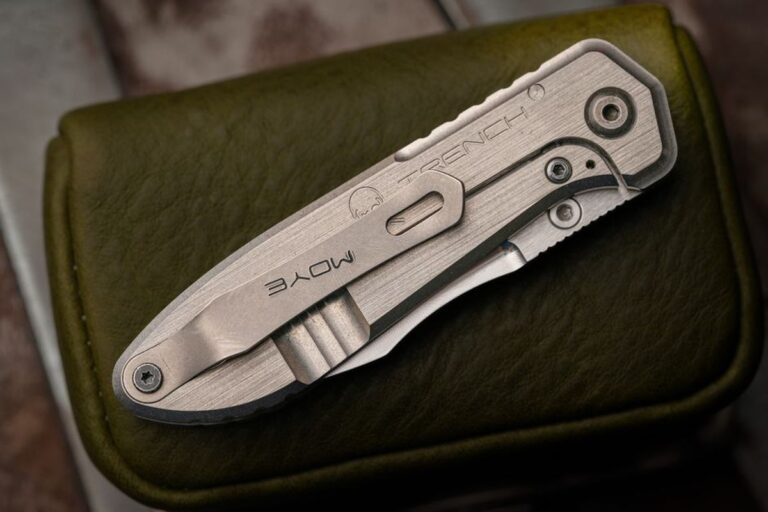
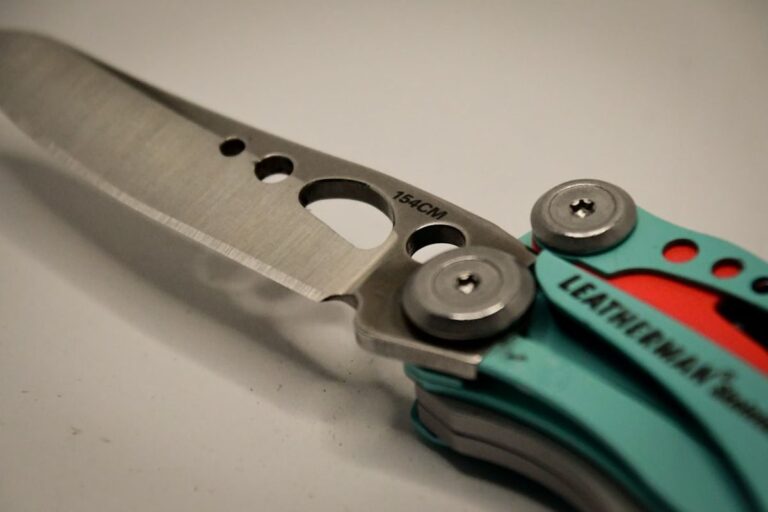
Most campus student conduct codes restrict or outright ban folding knives with any real blade length, and that policy gets enforced unevenly but it does get enforced — usually after a roommate reports something, not after an actual incident. The honest move for a dorm environment is a keychain-class multitool with scissors, a small screwdriver set, and a bottle opener, and no blade at all. It handles the box-cutting, the loose-screw-on-the-desk-chair, and the stubborn package tape that actually come up in a semester.
If a real blade is non-negotiable for off-campus carry — hiking trips, an apartment instead of a dorm, a part-time kitchen job — check the specific state and campus policy first, because they rarely match. Our 50-state EDC knife law guide breaks down the legal side; the campus conduct code is a separate, usually stricter, layer on top of that.
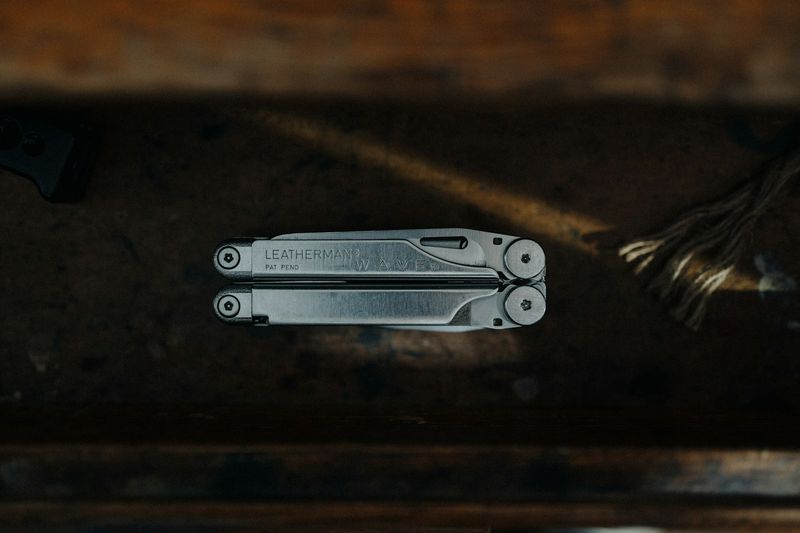
A blade-free keychain multitool handles dorm fixes without running into a campus weapons policy.
A Light for the Walk Back From the Library
Campus property crime has been climbing since 2021, with motor vehicle theft — mostly e-scooters and e-bikes — more than doubling at several large public universities between 2019 and 2022.3 A keychain flashlight doesn’t stop a theft in progress, but it does make a parking lot or a tree-lined quad walkway something a student can actually see, which matters more than most people think at 11 PM after a closing-shift library session.
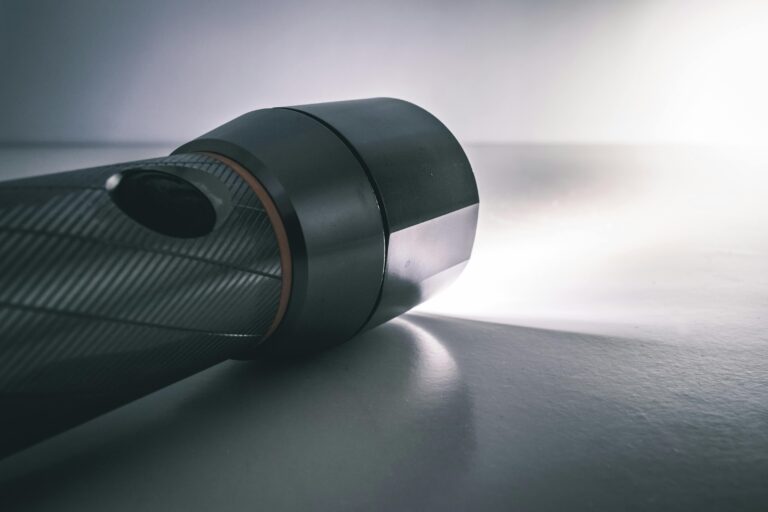
A single-AAA or rechargeable keychain light under 100 lumens is enough — this isn’t a search-and-rescue tool, it’s a “see the curb and see who’s coming” tool. Clip it to the same keyring as the dorm key organizer so it’s never the one item left behind in a jacket from two days ago.
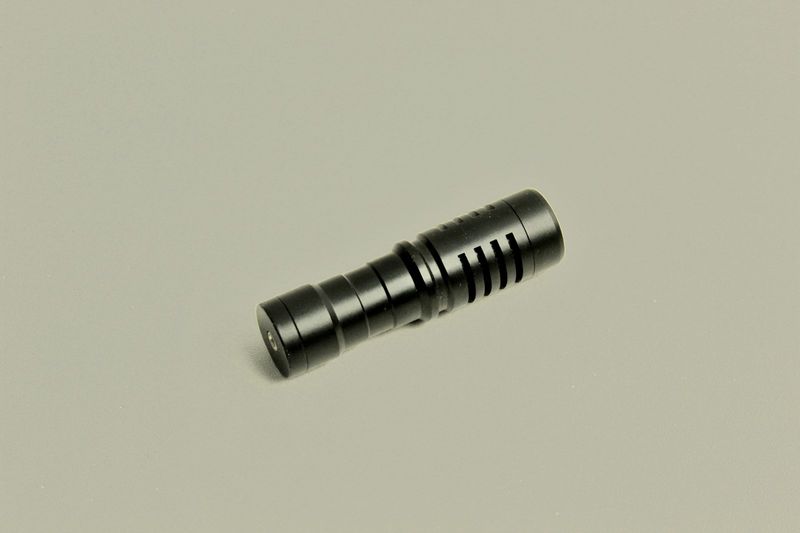
A small keychain light under 100 lumens is enough to see a dark quad walkway, not a search tool.
What to Actually Cut From Your Bag
A second phone charger, a backup pair of headphones, a half-used bottle of hand sanitizer, three pens when one works fine, a laptop sleeve inside a backpack that already has padding — these are the items that accumulate over a semester and never get carried out. Weigh the bag empty, then weigh it full, and if it’s over six pounds before books go in, something in the above list is dead weight.
The test that actually works: if an item hasn’t been reached for in three full weeks of classes, it goes back to the dorm room, not the bag. We go deeper on this exact audit process, including a week-by-week method for tracking what actually gets used, in our minimalist EDC guide.

A small light and a habit of walking lit paths matter more on campus than most students plan for before week one.
None of this costs much. A wallet, a pen, a key organizer, a power bank, a multitool, and a light add up to less than one semester’s worth of textbooks, and all six fit in a jacket pocket for the short walks across campus where the backpack stays in the dorm. Re-check the list at move-in and again after winter break — what a freshman carries rarely matches what a junior still bothers with, and the kit should keep shrinking, not grow with every new semester.
FAQ
Do I need a knife for college EDC?
Most students don’t, and most campus conduct codes restrict folding knives with any real blade length regardless of state law. A blade-free multitool with scissors covers the actual box-cutting and package-opening tasks that come up in a dorm.
What size power bank is right for a full class day?
10,000mAh is the sweet spot for a phone-only day. Go bigger only if the bank also needs to top off a laptop, since the extra capacity otherwise just adds pocket weight.
Is a paper notebook actually worth carrying if I have a laptop?
Yes, as a backup system more than a primary one. Laptop batteries die, Wi-Fi drops, and some professors ban screens for parts of a lecture — a pen and notebook cover every one of those gaps for free.
Where should I clip a keychain light so I don’t lose it?
The same ring as the dorm key, not a separate pocket or bag clip. Items on a second attachment point get left in old jackets; items on the one keyring a student touches every day don’t.
Sources
- Brown University Public Safety — Laptop Theft Prevention — campus safety guidance on unattended-device theft patterns.
- Mueller & Oppenheimer, “The Pen Is Mightier Than the Keyboard,” Psychological Science (2014) — original study on longhand vs. laptop note-taking performance.
- Get Safe and Sound — Campus Crime Statistics — trend data on campus property crime, including motor vehicle and e-scooter theft.