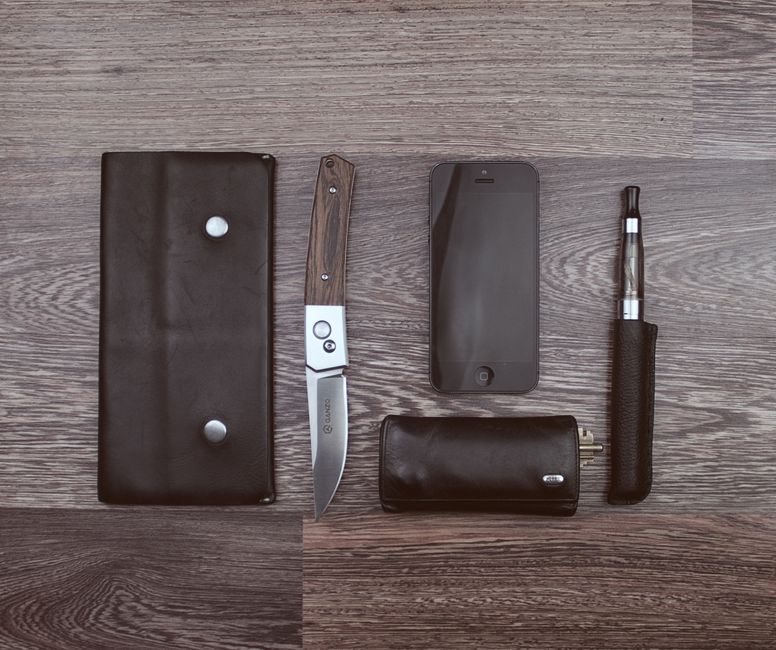
Rainy Day EDC: 7 Essentials to Keep Your Gear Dry
Seattle gets measurable rain on roughly 150 days a year, according to NOAA weather records — nearly every other day across five straight months. Most rainy-season gear advice is built for that climate and assumes a hard-shell jacket or a backpack rain cover. It skips the guy running from a bus stop to an office door with a phone, a knife, a notebook, and a wallet riding loose in his pockets, getting soaked in the ninety seconds it takes to cross a parking lot. That’s the actual failure point for daily carry gear. Pockets don’t have rain covers, and a phone case with an IP68 sticker on the box doesn’t mean what most people assume it means. None of the fixes below are expensive or complicated — they’re just the handful of things rainy-season EDC advice usually skips.
Why Rain Wrecks More Gear Than People Expect
Nobody’s phone dies from one downpour. It dies from eight months of pocket condensation — the sweat-and-rain mix that collects in a wet pocket on a warm body and never fully evaporates between commutes. Same with a knife: a single soaking wipes off in seconds, but a blade that goes damp every weekday for a season starts pitting at the pivot and liner, right where you can’t see it until the lock gets gritty.
The gear that actually fails in wet climates isn’t the gear that got dropped in a puddle once. It’s the gear that spends all winter slightly damp, slightly cold, and slightly neglected, because wiping down a pocket knife every night feels like overkill — right up until the lock sticks.
Not everything in a pocket dump is actually at risk. G10 and nylon scales on a multitool, a resin watch case, a synthetic wallet — none of that cares about rain. The risk is concentrated in three materials: bare metal (knife pivots, zippers, keys), leather, and anything with a battery and a seam. Knowing that narrows the fix down to a handful of items instead of a full gear swap.
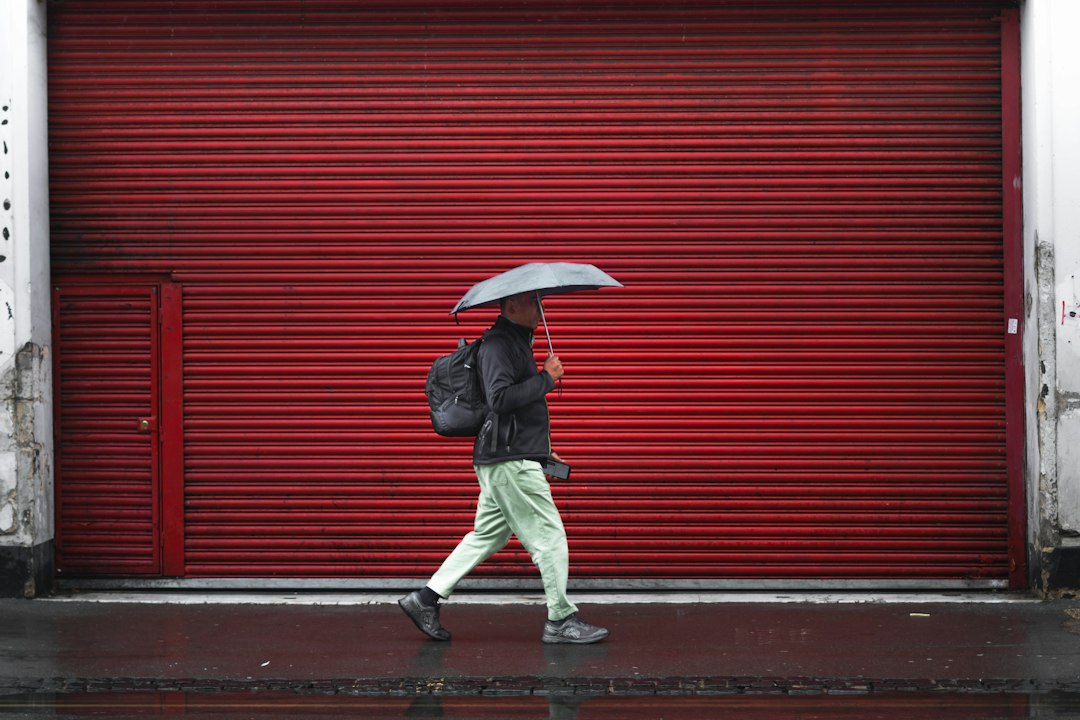
The ninety seconds between a bus stop and a door is where most EDC gear actually gets wet — not a storm.
The Pocket Dump That Changes for Wet Weather
The core kit doesn’t need an overhaul. If you’ve already trimmed your everyday carry down to the essentials, rainy season isn’t a reason to add bulk back in — it’s a reason to add one thin protective layer around what’s already there. Same wallet, same knife, same phone. The difference is a $10 pouch and a five-second habit of wiping down metal before it goes back in your pocket.
What usually changes is sequencing, not inventory. Phone and cash go into a sealed pouch first, then into the pocket, instead of loose. Keys get wiped before they touch fabric. It’s not a seasonal gear swap so much as a seasonal five-second habit.
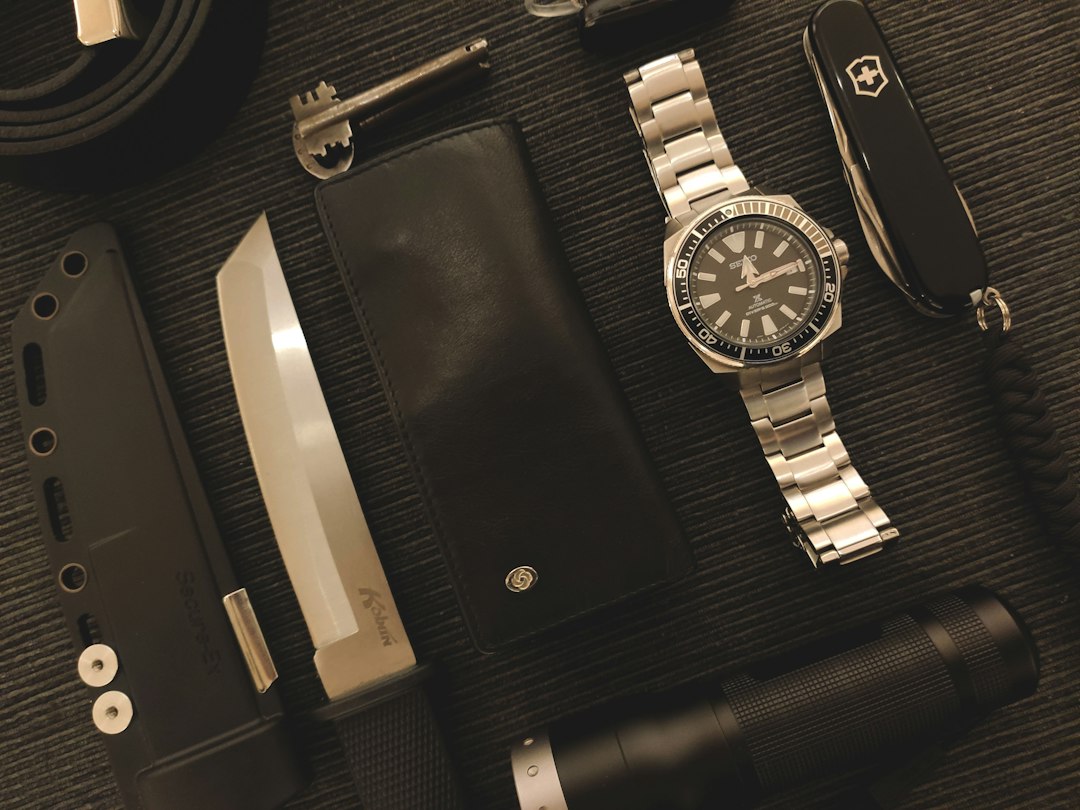
The core kit doesn’t change for rain — the protection layer around it does.
A Sealed Pouch Beats a “Water-Resistant” Bag Every Time
“Water-resistant” on a bag or jacket usually means it sheds a light drizzle for twenty minutes, not that it survives a real downpour or a dunk in a puddle. If you’re carrying anything you actually care about — a phone, a passport, a notebook you can’t replace — put it inside its own sealed pouch before it goes in the bag, not just inside the bag itself.
aLOKSAK bags are a good example of what an actual waterproof seal looks like: the manufacturer has them certified waterproof to 200 feet (60 meters) by the U.S. Navy Experimental Diving Unit, with a hermetic zip seal that keeps out water, dust, and humidity completely. A two-pack runs about $10–15. That’s cheap insurance compared to a $900 phone riding loose against a wet jacket lining.
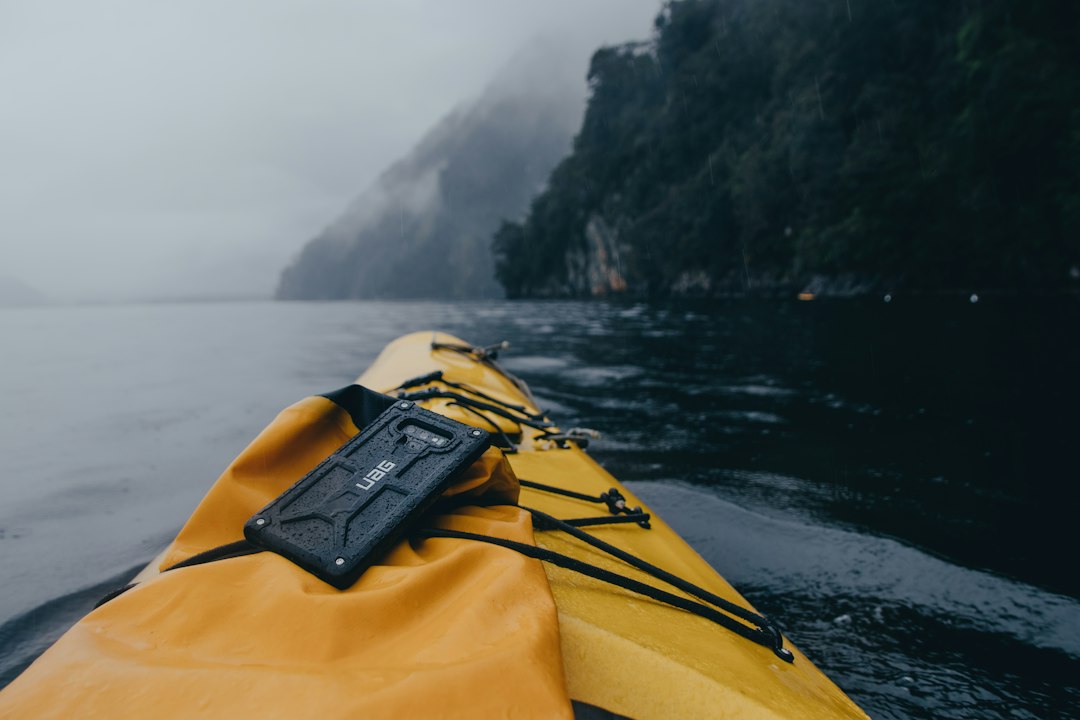
A sealed pouch does more work than a backpack with a “water-resistant” tag ever will.
The distinction worth knowing: a roll-top dry bag protects whatever’s inside a backpack or sling from a full dunk, but it’s bulky for pocket carry. A zip-seal pouch like aLOKSAK is thin enough to sit flat against a phone in a front pocket and still holds the same seal rating. Use the roll-top for the bag, the flat pouch for anything riding directly against your body.
Your Phone’s IP68 Rating Is Not a Rain Plan
IP68 means a phone survived immersion in still, fresh water for 30 minutes in a lab, on the day it was tested. It says nothing about what happens after two years of pocket lint building up in the charging port, a cracked frame flexing the seal, or chlorinated and salt water, which most ratings don’t even cover. Apple, Samsung, and Google all exclude liquid damage from their warranties regardless of the IP rating on the box — the rating protects the marketing claim, not your repair bill.
Treat the rating as a buffer, not a plan. A phone that’s IP68-rated and also riding in a sealed pouch during a commute has two layers of protection instead of one that quietly degrades every time you drop it or swap the screen protector.
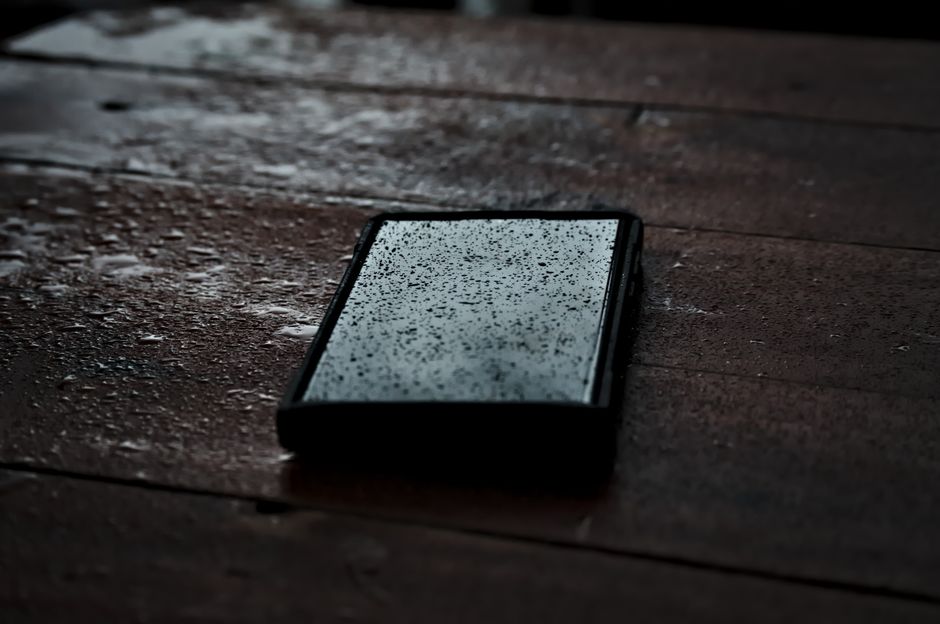
An IP68 rating is a lab result from day one, not a lifetime guarantee.
Rust Doesn’t Wait for a Flood — It Starts in Your Pocket
Carbon steel takes and holds a sharper edge than most stainless alloys, which is why a lot of EDC knife debates default to it. It’s also the first thing to show orange pitting after a damp winter in a pocket. If you live somewhere it rains more days than not, a stainless blade in something like 154CM, S30V, or 440C trades a little edge retention for a knife that doesn’t need constant babysitting.
Either way, the habit matters more than the steel. Wipe the blade dry before folding it closed — water trapped against a closed liner lock is worse than water on an open blade that gets air. A drop of light oil on the pivot once a week in wet months keeps the action smooth and keeps moisture from sitting on bare metal overnight.
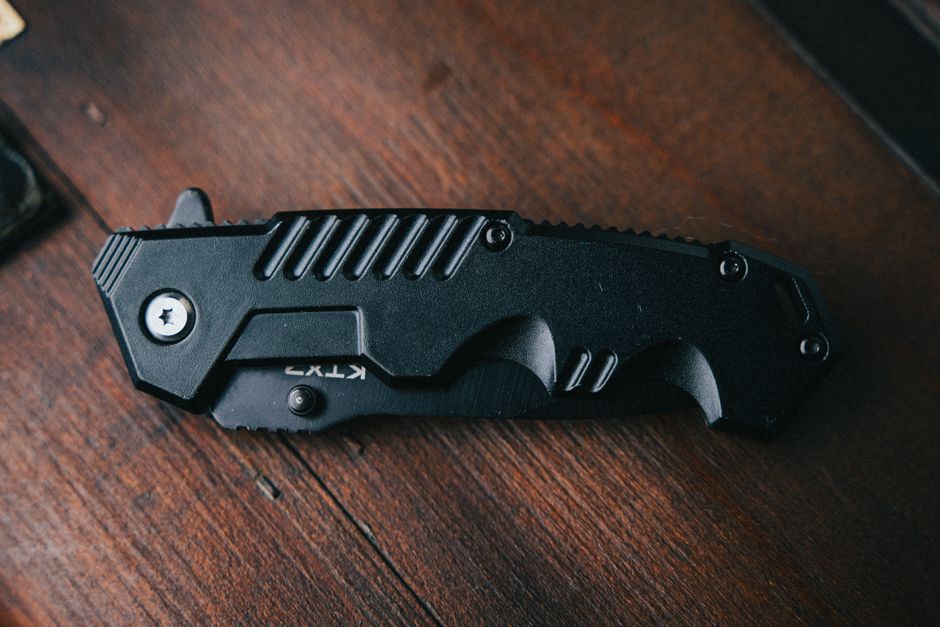
Carbon steel holds an edge longer. Stainless steel forgives a wet pocket. Pick based on your actual carry conditions.
A Pen and Notebook That Don’t Care About the Weather
A phone with a dead battery and a wet screen is useless for notes exactly when you need it most — standing outside in the rain is a bad time to discover your touchscreen won’t register a tap through water droplets. A Fisher Space Pen’s pressurized cartridge writes on wet paper and functions from -30°F to 250°F, a spec built for the same reason astronauts needed it: it doesn’t rely on gravity or a dry surface to push ink. Pair it with something like Rite in the Rain paper, which carries a patented coating that sheds water instead of absorbing it, and you’ve got a note-taking setup that works in conditions that kill a phone. If you want the deeper comparison, we broke down the tradeoffs in our Fisher Space Pen vs. TWSBI guide.
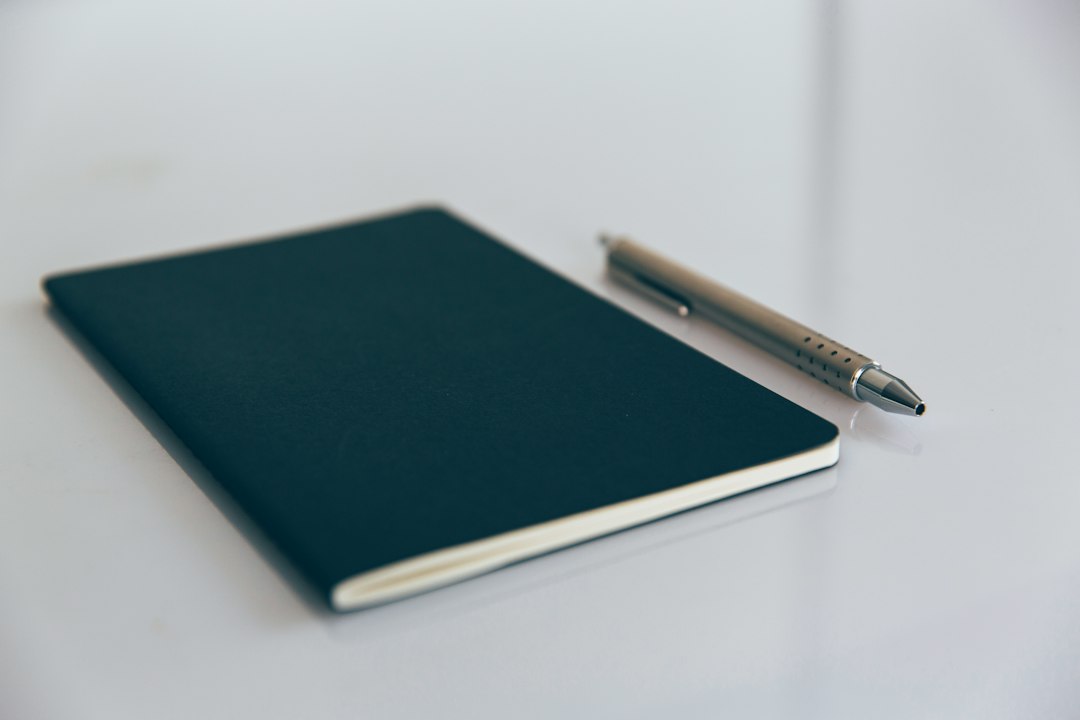
Paper that survives a downpour is still more reliable than a phone with a dead battery.
Wallets and Cash: The Moisture Problem Nobody Talks About
Leather doesn’t fail all at once in the rain. It curls at the corners, the stitching softens, and after a few wet seasons it starts smelling faintly like a damp basement — by the time you notice, the damage has already set in. Cash fares worse: wet bills stick together, and a wallet that’s damp inside turns into a small mildew problem nobody checks until it’s obvious.
A slim synthetic or coated-canvas wallet sidesteps most of this, and a $2 silica gel packet dropped into a leather wallet’s card slot absorbs ambient moisture before it becomes a problem. If you’re debating formats for exactly this reason, our card holder vs. bifold wallet breakdown covers which style actually holds up better day to day.
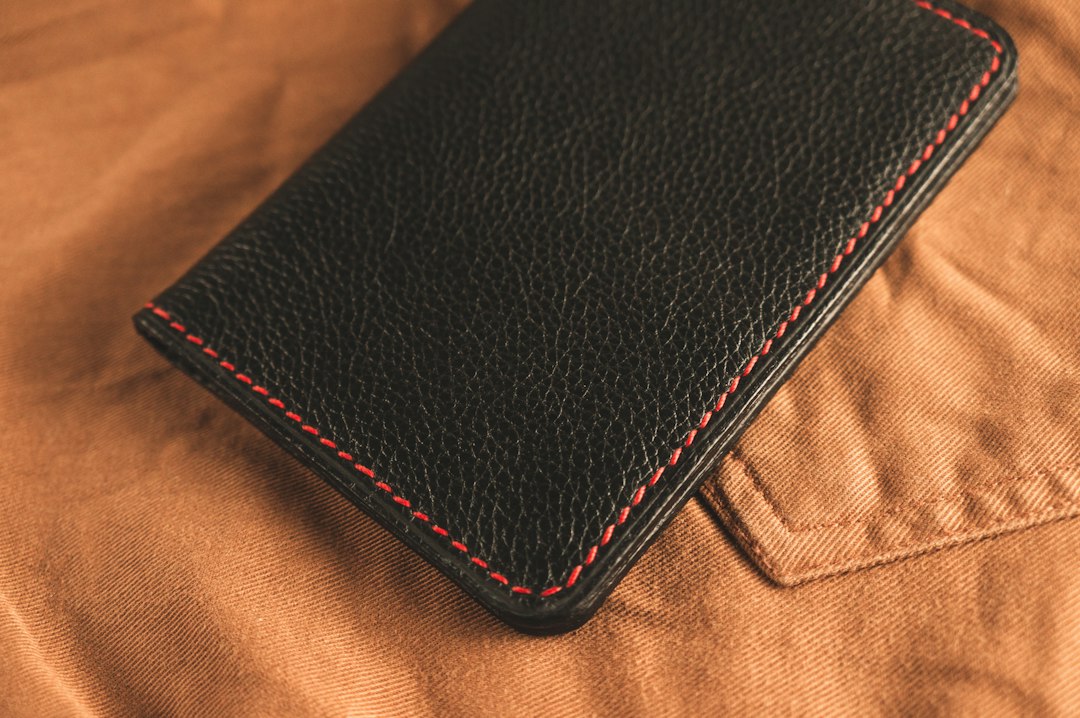
Leather doesn’t fail all at once — it curls, cracks, and starts smelling like a wet basement first.
None of this requires rebuilding an EDC kit around a monsoon that might not even come. Pick the one item in your pocket that’s least prepared for a wet commute — probably the wallet or the knife — and fix that first. The rest can wait until the forecast actually calls for it.
Frequently Asked Questions
Do I need a dry bag if my backpack is already “water-resistant”?
Yes, for anything you can’t replace easily. Water-resistant coatings on bags degrade with wear and only hold up against light exposure, not a real downpour or a dunk. A sealed pouch inside the bag is the actual waterproofing — the bag just keeps it from getting jostled around.
What’s the cheapest way to rainy-day-proof an EDC kit?
A two-pack of sealed poly bags for your phone and cash runs about $10 and covers the highest-value items in your pocket. Add a $2 silica packet for your wallet and a bottle of light oil you probably already own for your knife, and the whole upgrade costs under $20.
Will a stainless steel knife ever rust?
It can, but far more slowly than carbon steel, and usually only if it’s left wet for extended periods without being wiped down. “Stainless” means stain-resistant, not stain-proof — the habit of drying it off still matters, it just matters less urgently than with a carbon blade.
Is a pressurized pen worth it if I just use my phone for notes?
If your phone never dies and your hands are never wet, no. If you’ve ever tried to tap a wet touchscreen in the rain or had a phone die mid-shift, a $15 pen that works in those exact conditions pays for itself the first time you actually need it.
Sources
- LOKSAK: aLOKSAK Waterproof Bags — U.S. Navy Experimental Diving Unit certification to 200 feet
- Fisher Space Pen: Official Site — pressurized cartridge temperature range and wet-surface writing specs
- Rite in the Rain: All-Weather Writing Paper — patented water-shedding paper coating
- Trusted Reviews: What is IP68? — water-resistance rating limits and warranty exclusions
- BestPlaces: Seattle, WA Climate — annual precipitation-day data sourced from NOAA