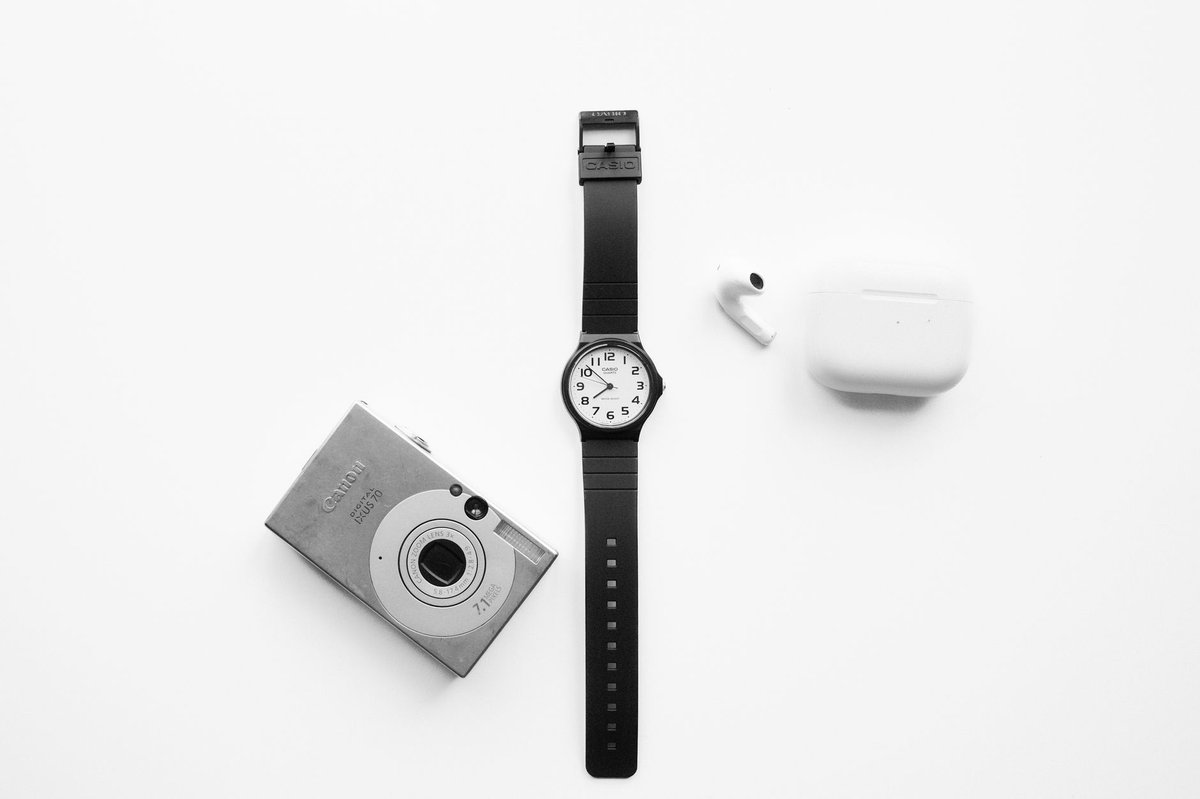
EDC Watches: 5 Reliable Picks for Daily Carry
A courier I know dropped his automatic field watch on a subway platform in 2024 and spent $140 getting the movement re-regulated. His replacement cost $68, runs on a battery he’ll change twice a decade, and has survived two more drops since. That’s the entire case for how most people should think about an EDC watch: it’s a tool that tells time under abuse, not a wrist ornament that needs babying. Most buying guides skip straight to $500+ automatics because that’s where the margins — and the enthusiast audience — are. This one doesn’t.
Why Most EDC Watch Guides Steer You Toward $1,000 Watches
Search “best EDC watch” and you’ll land on roundups featuring an Omega Railmaster, an IWC Pilot’s Watch, or a Hamilton Khaki Field Mechanical — watches built for people who already own three others. Those guides aren’t wrong about quality, they’re just answering a different question. A $1,000 automatic is a hobby purchase. An EDC watch under $200 is a utility purchase, and the two shouldn’t be evaluated the same way.
The honest version of this guide starts with the assumption that you want one watch, you want it to work every day without maintenance, and you don’t want to think about service intervals. That rules out most of what the enthusiast sites push first.
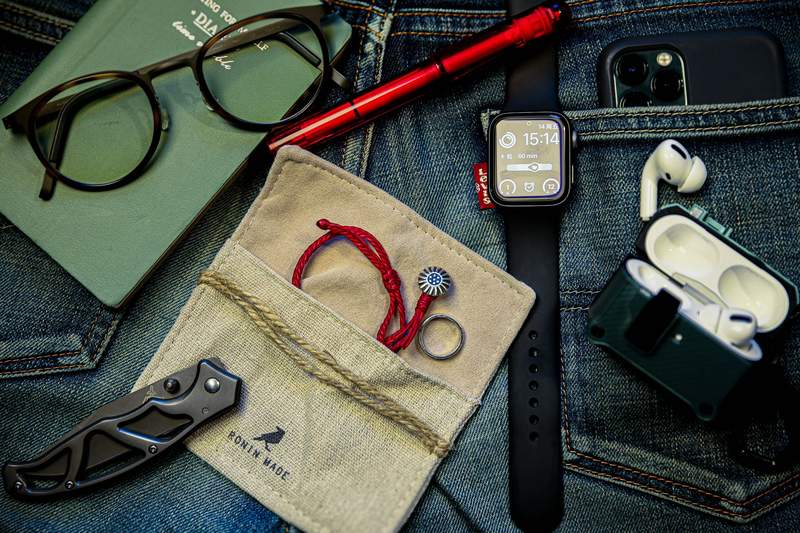
An EDC watch earns its spot the same way everything else in your pockets does — by pulling weight daily.
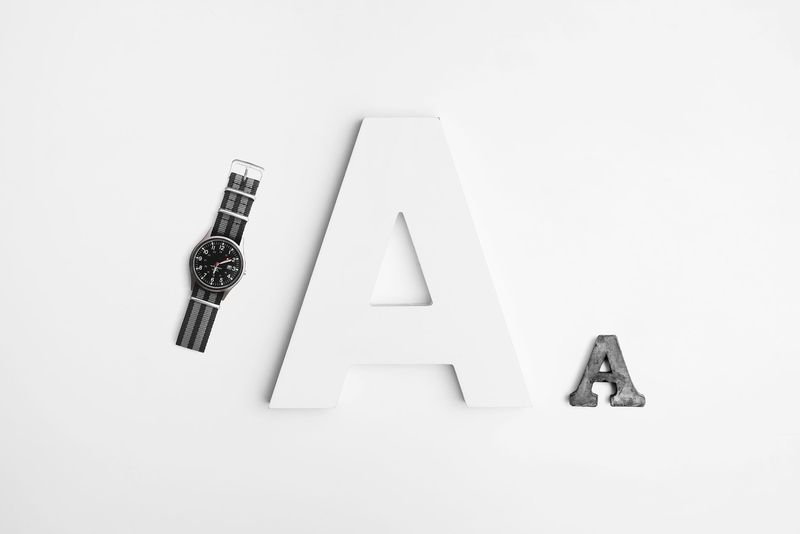
A minimalist field watch on a NATO strap — budget-friendly and easy to swap.
Quartz vs Automatic: The Real Decision for Daily Carry
Quartz movements run on a battery and a vibrating crystal instead of a mainspring, which means there’s almost nothing inside to knock out of alignment when you bang your wrist on a doorframe. Automatic movements rely on dozens of tiny gears and a balance wheel that’s sensitive to shock — repeated jolts from cycling, lifting, or just a rough commute will eventually throw off their timing or damage the movement outright, which is exactly what happened to the courier above.
Accuracy tells the same story. A decent quartz movement drifts a few seconds a month. A mechanical automatic, even a good one, can gain or lose several seconds a day depending on how you wear it and how it’s positioned overnight. For someone checking the time against a meeting invite or a bus schedule, that gap matters more than it sounds like it should.
None of this means automatics are bad watches — it means they’re the wrong tool for people who want to forget their watch exists until it’s time to glance at it. A long-running WatchUSeek thread on real-world reliability backs this up with owners comparing decades of actual wear, not spec sheets.
What Actually Matters When You’re Shopping EDC Watches Under $200
Four things separate a watch that survives daily carry from one that ends up in a drawer after six months. Water resistance rated 100 meters or higher means you can shower, wash your hands, or get caught in rain without a second thought — anything rated 30m or 50m is really only splash-resistant, despite what the number implies. A mineral or sapphire crystal resists scratches from keys and tools riding in the same pocket; cheap acrylic crystals cloud up within a year of real use.
Legibility matters more than most buyers rate it going in — bold hour markers and a lume that actually glows after dark beat a busy dial every time you check the time at a glance. And the case size should match your wrist without edging into “statement piece” territory; 38–42mm covers almost everyone and keeps the watch from catching on cuffs and gloves.
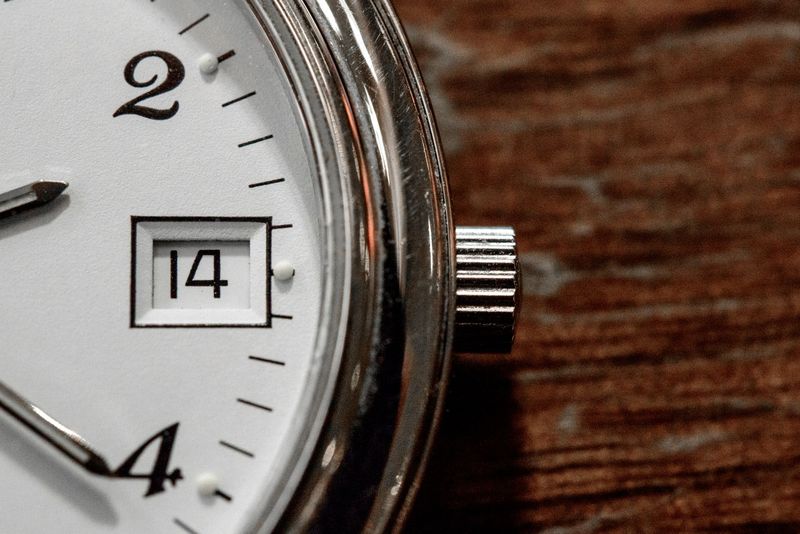
A clean, high-contrast dial reads faster at a glance than a busy one.
Strap Material Changes How Long an EDC Watch Actually Lasts
Buyers spend most of their research time on the movement and almost none on the strap, which is backwards — the strap fails first on nearly every budget watch. Leather looks sharp out of the box but breaks down fast against sweat and daily hand-washing, usually cracking at the lug within a year of real carry. Silicone and rubber straps cost the manufacturer almost nothing, which is exactly why they show up on the toughest budget picks: they shrug off water, don’t absorb odor the way leather does, and survive a dishwasher-hot rinse if you’re careless with them.
Nylon NATO straps split the difference. They’re cheap to replace, dry fast, and let you swap the whole look of a $40 watch in under a minute without tools — pull the spring bar, thread a new strap, done. If you’re buying your first budget EDC watch, buy two NATO straps in different colors at checkout. It’s the single cheapest upgrade in this entire guide.

A resin-cased quartz watch built for weather, not display cases.
5 EDC Watches Worth Buying Under $200
These are the picks that keep showing up in long-term owner reports, not just launch-week reviews:
- Casio MRW200H (~$30–40) — 100m water resistance, quartz accuracy rated to ±20 seconds a month, and a resin case light enough to forget you’re wearing it. The budget pick that embarrasses watches three times its price.
- Casio Duro MDV106 (~$60–75) — a 200m dive-rated quartz watch with a screw-down crown and rotating bezel, built for people who want tool-watch looks without automatic maintenance.
- Timex Expedition Scout (~$45–60) — 50m resistance, Indiglo backlight, and a strap ecosystem that makes it easy to swap looks between office and weekend.
- Citizen Garrison (~$120–160) — Eco-Drive solar movement means no battery changes at all, with 100m resistance and a legible field-watch dial.
- Seiko 5 Sports SRPD (~$180–200) — the one automatic that earns a spot here. It’s shock-resistant by automatic standards, water resistant to 100m, and backed by Seiko’s reputation for movements that keep running for decades with basic care.
Notice four of the five are quartz or solar. The Seiko makes the list because it’s the rare automatic built tough enough to compete with them, not because automatics deserve a quota.
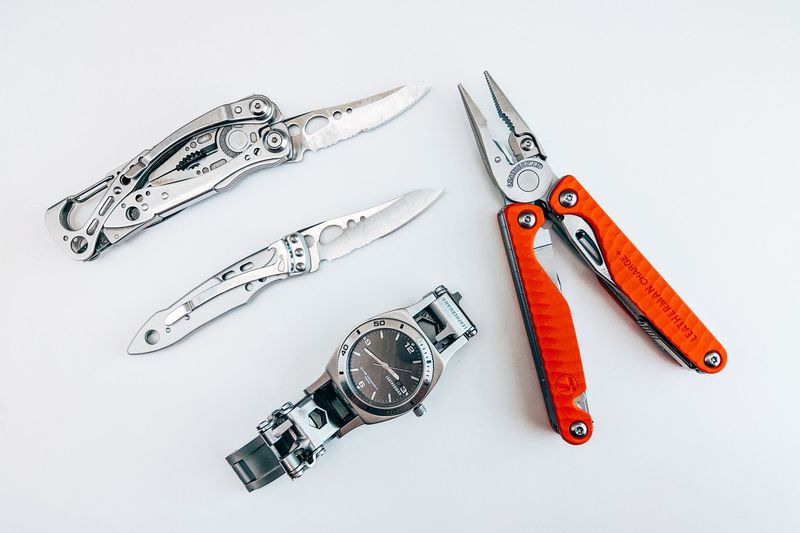
A tool watch earns its keep the same way a good multitool does: by surviving daily use.
Matching the Watch to the Carry — Office, Commute, Gym
Context changes what “durable enough” means. An office job with a desk and a slim wallet in your pocket barely stresses a watch — legibility and a strap that doesn’t clash with a shirt cuff matter more than shock resistance. A warehouse shift or a nurse’s rotation is a different story: constant glove changes, hand sanitizer, and surfaces that catch a case edge mean you want 100m+ resistance and a strap you can actually clean.
Gym-goers should skip leather entirely — sweat breaks down stitching and finish fast, and a resin or silicone strap on something like the MRW200H or Duro holds up to repeated washing without complaint. If your winter carry already swaps to gloves and a heavier jacket, a slightly larger case with bolder markers reads easier through a cuff than a dressy 36mm dial.
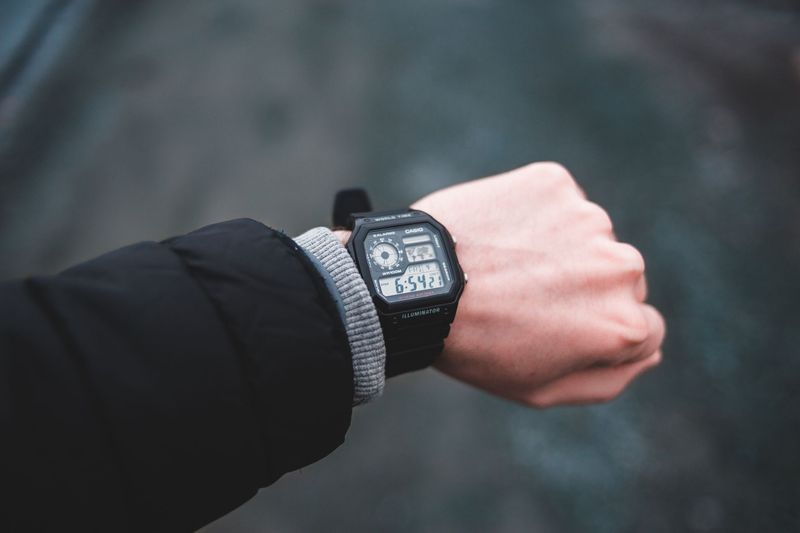
A commute is a daily stress test most dress watches weren’t built for.
When It’s Worth Spending More Than $200
If you’ve carried a sub-$200 quartz for a year and you’re genuinely drawn to the mechanics of a movement — the sweep of a second hand, the ritual of winding it — that’s a real reason to step up, not a spec-sheet one. Buy the automatic because you want to own a small machine, not because you think it’ll outlast a Casio. It won’t, and that’s fine. The point of an EDC watch was never durability alone; eventually it becomes about what you enjoy wearing.

Once the basics are covered, the next upgrade is about preference, not survival.
FAQ
Do I need a 100m water-resistant watch if I don’t swim?
Yes — the rating isn’t really about swimming. Handwashing, dishes, and rain all put more sustained water contact on a watch than people assume, and a 30m or 50m rating leaves no margin for that daily exposure.
Will an automatic watch under $200 survive daily carry?
Some will, like the Seiko 5 Sports, but most budget automatics use thinner movements and cheaper shock protection than their quartz equivalents at the same price. If durability is the priority, quartz wins at this price point almost every time.
How long does a quartz watch battery actually last?
Three to five years of normal wear is typical before a battery swap, which usually costs $10–15 at a local jeweler or watch counter.
Is a digital or analog watch better for EDC?
Neither is objectively better — digital watches like the Casio W-800 add stopwatch and alarm features in an ultralight case, while analog gives a faster at-a-glance read in low light with lume. Pick based on which you’ll actually check without thinking.
What strap should I buy for a budget EDC watch?
Start with whatever came on it, then add a $10–15 silicone or NATO strap once you know how you actually wear the watch. Skip leather entirely if you work out, wash your hands often, or live somewhere humid — it’s the first part to fail on nearly every budget watch.
Sources
- Casio MRW200H Review — Teddy Baldassarre — specs and accuracy rating for the MRW200H’s quartz movement.
- My Top Choices for an EDC Watch — TechWriterEDC — price-tier breakdown of automatic and quartz EDC watches.
- Real World Reliability: Automatic/Mechanical vs Quartz — WatchUSeek — long-term owner reports on movement durability.