Winter EDC: 7 Essential Changes to Make
Last January, a reader in Chicago wrote in after his assisted-opening knife seized up at -8°F outside a train station — the lock bar had gummed with frozen lubricant, and bare-finger deployment wasn’t an option anyway because he was wearing gloves. That’s the actual failure mode winter creates: not that your gear stops working, but that the conditions around it change faster than your habits do. Below are the seven adjustments that matter most once temperatures drop and days get short.
Glove Compatibility Decides What You Can Actually Use
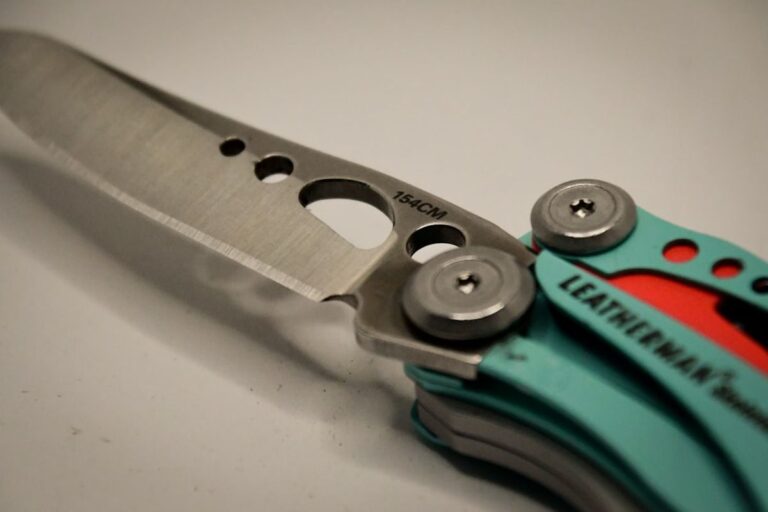
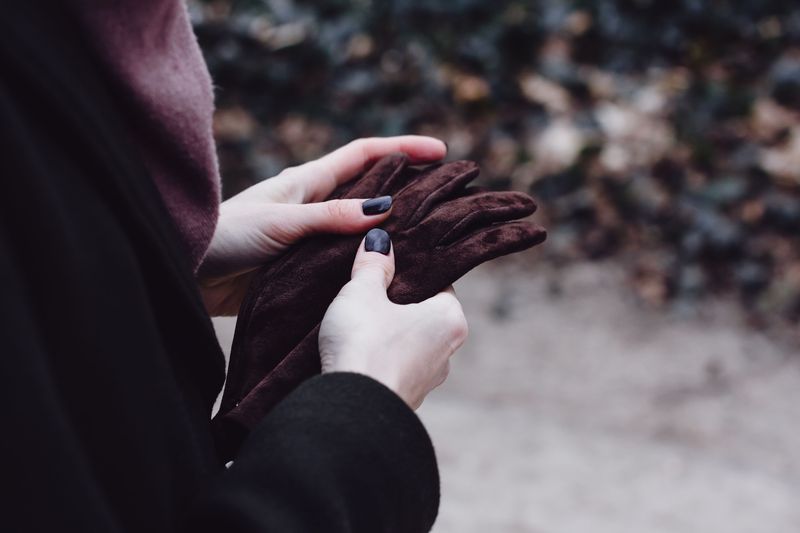
A thumb stud that’s effortless bare-handed turns into a fumble with a 2mm fleece liner glove on, and a flush pocket clip that disappears against denim becomes nearly impossible to pinch through ski-weight gloves. Before the cold sets in, run your actual gear through its motions while wearing the gloves you’ll be wearing outside — not your thinnest pair, your real ones.
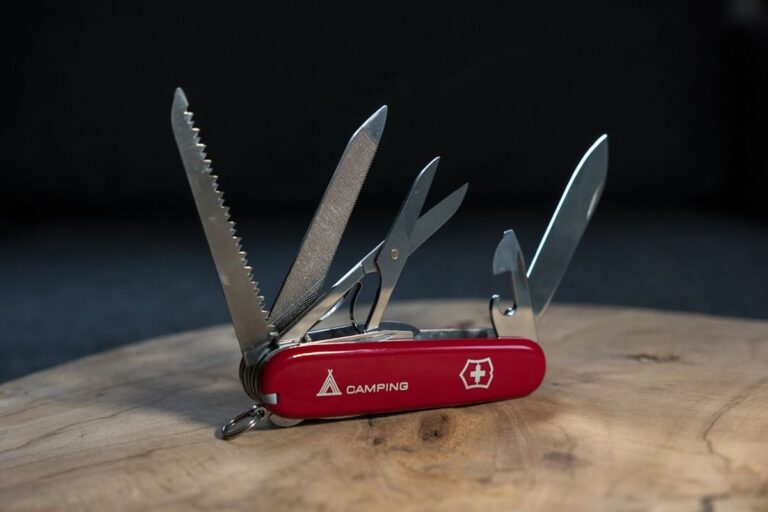
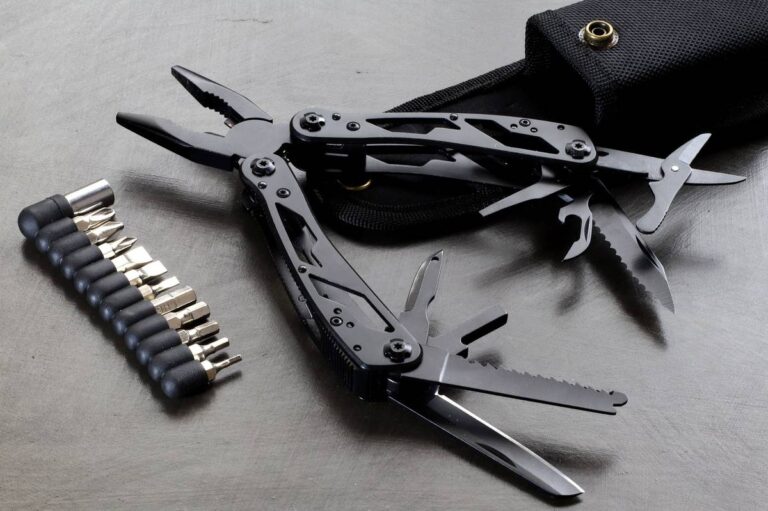
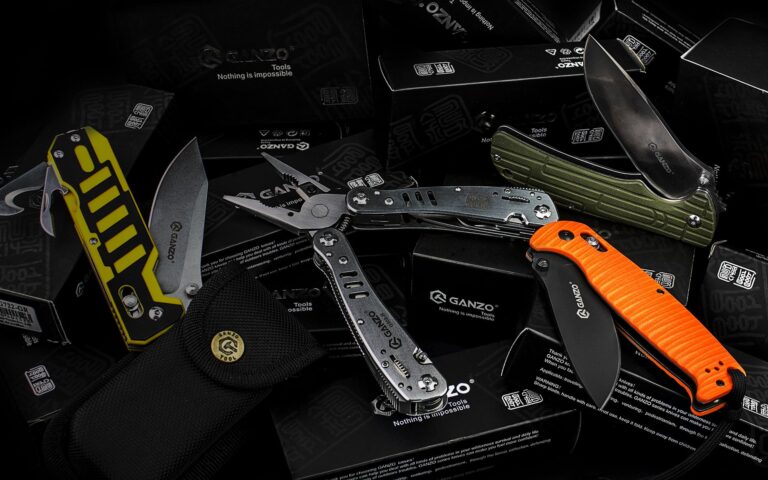
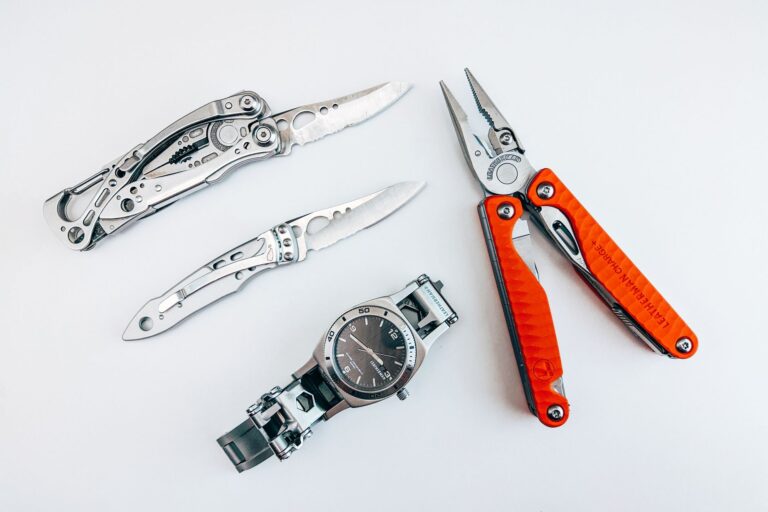
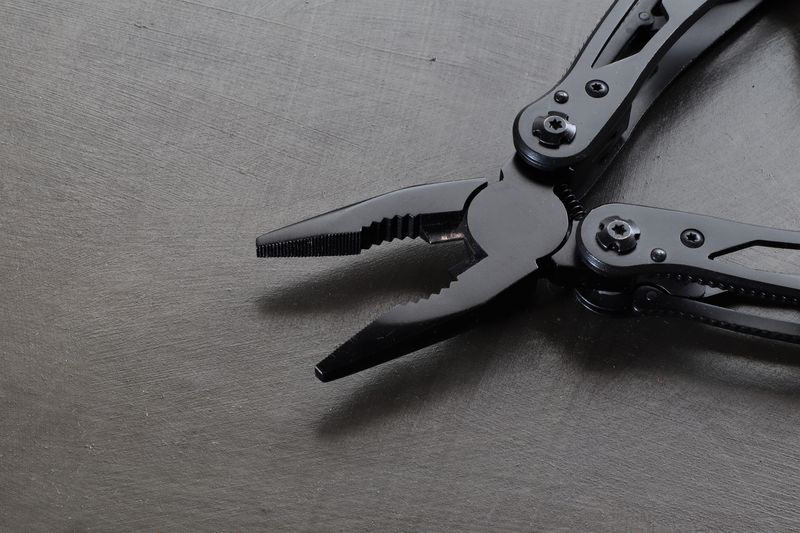
Flipper tabs and oversized thumb holes tend to survive glove season better than small thumb studs, and multitools with wide-opening pliers handles beat ones that depend on a fingernail notch. The honest fix for most people isn’t buying new gear — it’s testing what they already own with gloves on, once, before they need it at 15°F with cold hands making the test harder than it needs to be.
Mittens make this worse than gloves do, obviously, but even a thin touchscreen glove changes your grip geometry enough to matter on a small folder. If you carry something with a locking mechanism, check whether you can actually disengage the lock one-handed with gloves on — a back lock that needs a bare fingertip press is a different experience in January than it is in July, and that’s worth knowing before you’re standing outside in the cold trying to close a blade.
Corrosion and Condensation Eat Metal Gear Faster in Winter
Road salt is the quiet killer here. It rides inside pant cuffs and boot treads, gets tracked onto whatever surface your pocket gear touches, and accelerates rust on carbon steel blades and exposed multitool pivots far faster than plain winter moisture does on its own. Add the condensation cycle — gear goes from a 20°F sidewalk into a 68°F office pocket, sweats, then goes back outside — and you’ve got a corrosion loop that doesn’t exist in summer.
Stainless steel and anodized aluminum handle this better than carbon steel and raw metal, but even stainless needs a wipe-down. A thirty-second pass with a dry cloth each evening, and a drop of oil on pivots every couple of weeks, prevents most of the damage winter does to blades and tools. A proper cleaning routine matters more between November and March than it does the rest of the year.
Pay particular attention to anything that lives in an outer coat pocket rather than a pants pocket, since that’s the pocket most likely to pick up road slush directly from a cuff or glove. A cheap silicone sleeve or a dedicated pocket slip adds a barrier between wet salt and exposed metal, and it’s a two-dollar fix for a problem that otherwise shows up as pitting on a blade spine six weeks later.
Short Days Make Your Flashlight Non-Negotiable
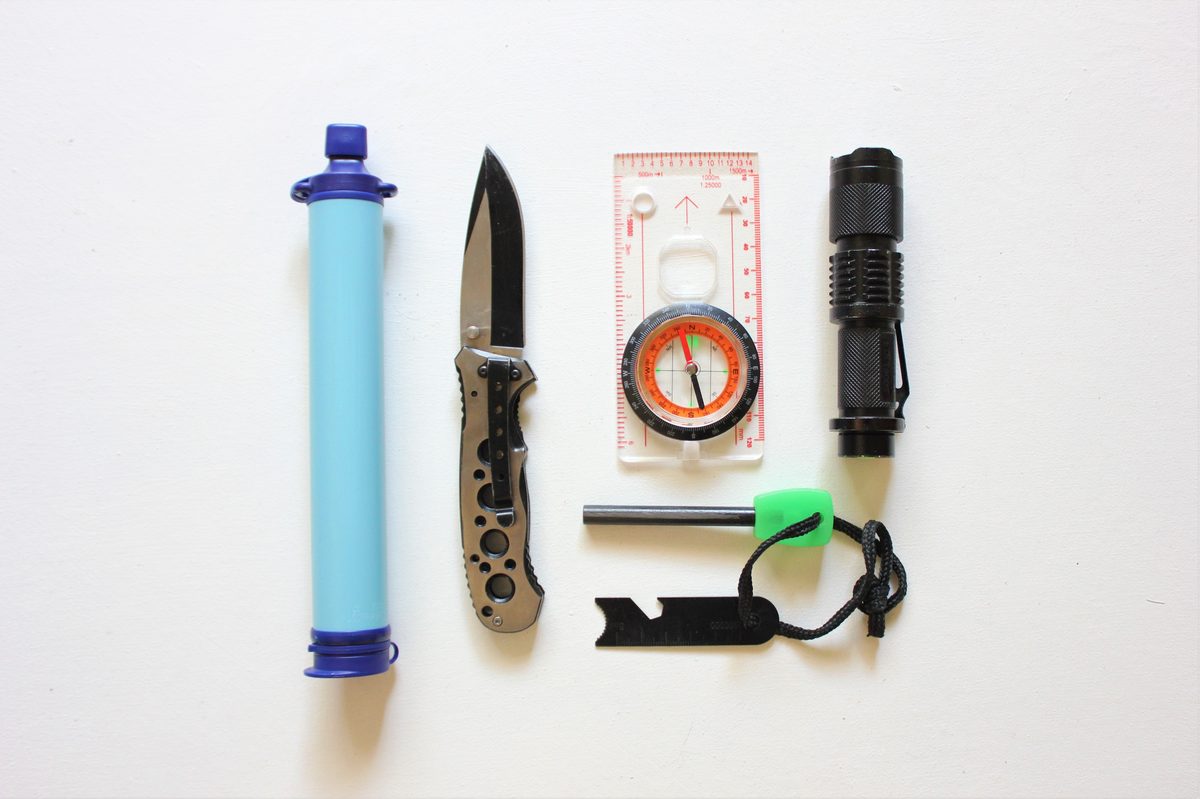
At most U.S. latitudes, sunset in December lands somewhere between 4:30 and 5:15 p.m. — meaning a normal commute home now happens in the dark for a third of the year. A flashlight that lived in a bag pocket as backup gear all summer becomes something you’re actually reaching for on a near-daily basis, whether that’s finding keys at the bottom of a bag or walking an unlit stretch of sidewalk.
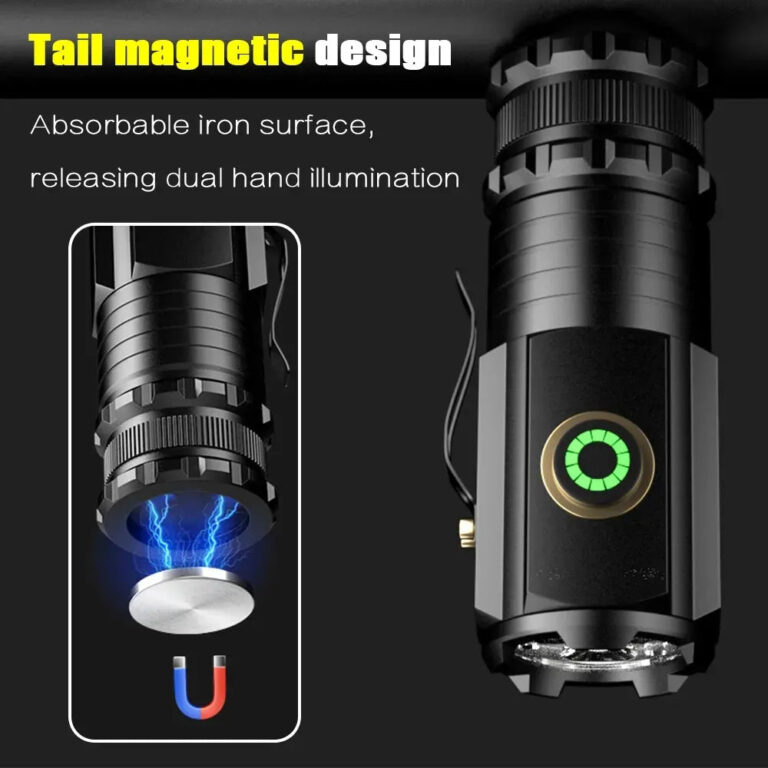
This is also where output claims matter more than they do in July. A light rated for 300 lumens at room temperature can draw down faster in the cold as its battery chemistry struggles, so don’t assume a spec sheet number holds steady once you’re outside in freezing air for an extended carry.
If your winter routine includes walking a dog, clearing a windshield, or anything that needs both hands free in low light, a small headlamp earns its keep as a second light alongside your pocket flashlight rather than a replacement for it. The pocket light stays for the quick tasks — unlocking a door, checking a dropped item — while the headlamp covers anything hands-free.

Cold Kills Batteries Faster Than People Expect
Lithium-ion cells lose real capacity in the cold — research compiled by Battery University shows a cell that delivers close to full rated capacity at room temperature can drop to roughly 50-60% of that capacity at -20°C, as electrolyte conductivity slows and internal resistance climbs.1 You won’t usually hit -20°C in a city commute, but even a 20-30°F pocket carry measurably shortens runtime compared to the same light in July.
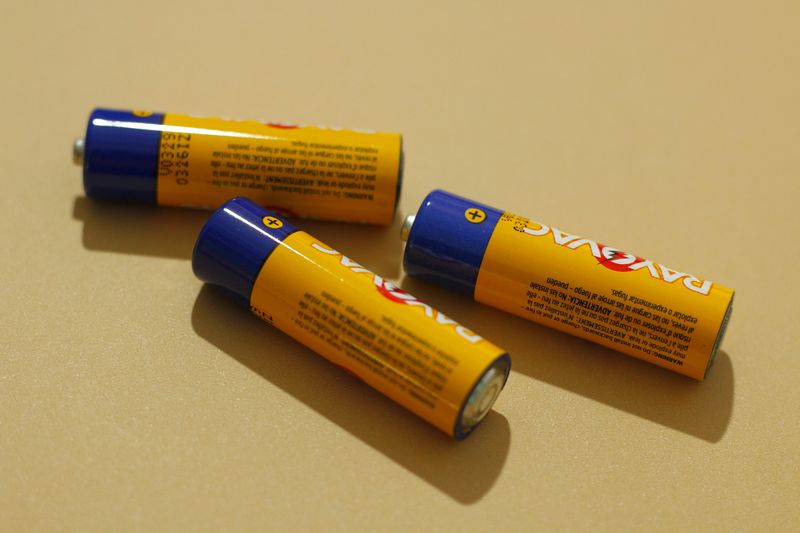
The fix is carrying a spare cell for anything you depend on daily, and keeping that spare in an inner pocket close to body heat rather than an outer coat pocket that runs closer to ambient temperature. If you’re deciding between AA and 18650 platforms for winter carry specifically, AA cells are easier to find a warm replacement for on short notice — gas stations stock AA, not 18650.
Bulkier Layers Mean Rethinking Where Everything Lives
A coat adds a layer of pockets your gear didn’t exist in six weeks ago, and that changes the math on where things live. Items that rode in a front jeans pocket all summer get buried under a coat hem in winter, which either means digging through fabric every time you need your knife, or moving your most-used items to the outermost, easiest-reach pocket you’ve got.
Minimalist carry people who run a slim card holder instead of a bifold tend to adjust the least here, since there’s less to relocate in the first place. If you’re carrying a fuller loadout, do a deliberate pocket reassignment once the coat comes out for the season instead of letting it happen by accident over the first cold week — decide now which pocket is your knife pocket, which is your wallet pocket, and stick to it even when you’re wearing three more layers than you were in August.

Stiff, Cold Fingers Need Simpler Deployment
Manual dexterity measurably declines once finger skin temperature drops into roughly the 12-20°C range, with marked drop-off commonly observed around 15°C — a threshold field research in occupational cold-exposure studies has documented directly.2 Translated to EDC terms: by the time your bare fingers feel stiff and clumsy, you’ve already crossed into the zone where a two-stage deployment (open the pocket, then find and press a small flush button) becomes genuinely harder, not just less convenient.
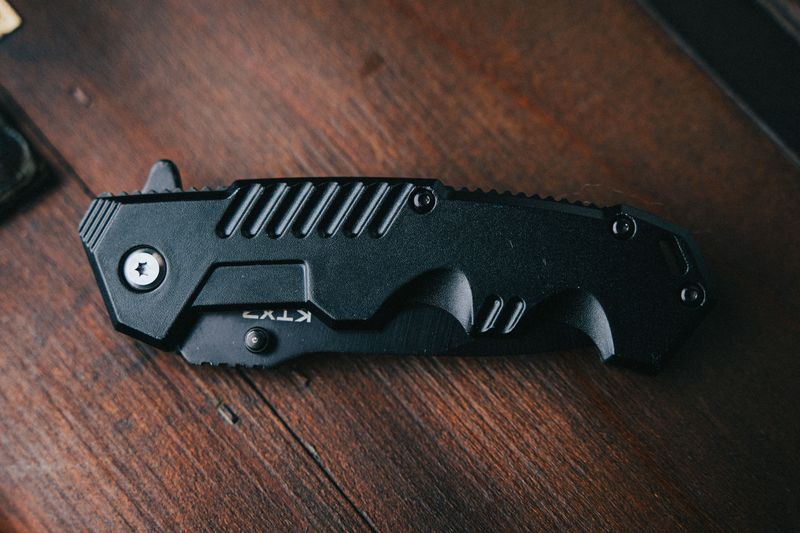
This is the strongest argument for assisted-opening or flipper-style knives over nested thumb studs once temperatures drop, and for flashlights with oversized tail-switches over tiny side buttons. It’s not about buying “winter gear” — it’s about favoring the version of what you already own that needs the fewest precise finger movements to operate.
Winter Changes Your Pocket Dump, Not Just Your Coat
Walk through what you actually pull out of your pockets at the end of a winter day versus a summer one, and the list usually grows: lip balm, a phone that’s drained faster from the cold, maybe hand warmers if you’re outside for long stretches. None of that needs to crowd out your core items, but it does mean winter EDC runs slightly heavier than summer EDC for most people, not lighter.
The goal isn’t to resist that growth on principle. It’s to make sure the extra items you’re adding for the season earn a specific pocket, instead of competing for space with your knife, wallet, and keys in whatever pocket happens to be open when your hands are cold and you just want to get inside.

Frequently Asked Questions
Does cold weather actually damage pocket knives and multitools?
Cold air alone doesn’t damage steel, but the salt and moisture that come with winter weather do — road salt accelerates corrosion on exposed blades and pivots, and the repeated cold-to-warm-to-cold cycle of pocket carry causes condensation that speeds up rust on untreated carbon steel especially.
Should I switch to a different EDC knife for winter?
Not necessarily a different knife, but a different priority. Favor whichever knife in your rotation has the largest, easiest-to-grab opening mechanism and stainless or coated steel, since those two traits matter more in winter than blade length or steel grade does.
How much does cold actually reduce flashlight battery life?
Expect a real but moderate drop in typical winter commute conditions (20-35°F) — usually a noticeable but not dramatic reduction in runtime. The bigger drops (50% or more) show up closer to 0°F and below, which is less common for most urban carry but worth planning for if you’re outside for extended periods.
What’s the single easiest winter EDC change to make?
Test your actual gear with your actual winter gloves on, once, before you need it in the cold. It costs nothing and it’s the fastest way to find out which item in your current carry needs to move to a different pocket or get swapped for something with a bigger opening mechanism.
Sources
- Battery University — BU-502: Discharging at High and Low Temperatures — data on lithium-ion capacity loss in cold conditions.
- The Impact of Protective Gloves on Manual Dexterity in Cold Environments, National Library of Medicine — finger skin temperature thresholds for dexterity decline.
- REI Expert Advice — How to Dress in Layers — base/mid/shell layering system referenced for winter clothing context.