
Nurse EDC: 6 Tools That Survive a Shift
A trauma shear costs about eight dollars and does the job a pocketknife can’t touch in most units: cutting through a seatbelt, a shoelace, or a soaked sleeve without adding a blade to a room full of people who are already having a bad day. That’s the whole difference between EDC for nurses and EDC everywhere else. Most everyday carry guides start with what looks good clipped to a pocket. Nurse EDC starts with what a unit manager, an infection control policy, and four scrub pockets will actually allow.
Why Nurse EDC Isn’t Like Other Carry
Every other EDC list on the internet assumes you can carry whatever fits your pocket and your budget. Nurse EDC operates under rules nobody else deals with. Most facilities ban folding knives outright, even the assisted-opening kind that would be unremarkable on a construction site. Anything that touches a patient or a shared surface needs to survive an alcohol wipe, which rules out leather, unsealed wood, and porous fabric. And scrub pockets are shallow and soft — they don’t hold a shape the way denim or cargo pants do, so anything with sharp corners prints through the fabric and catches on doorframes.
The result is a narrower gear list than almost any other EDC niche, but a more demanding one. A flashlight that’s merely bright isn’t good enough if it can’t be cleaned between rooms. A pen that writes well isn’t good enough if it dies after two shifts of being capped and uncapped a hundred times. Every item earns its spot by surviving twelve hours of glove changes, hand sanitizer, and constant motion — not by looking good in a flat lay.

Twelve hours on a unit floor is the real test any nurse EDC item has to pass.
Blade-Free Cutting Tools That Still Cut
Trauma shears solve the problem a pocketknife creates. Most hospitals restrict or ban folding blades from clinical areas — not because nurses can’t be trusted with them, but because a blade in a room full of confused, scared, or combative patients is a liability nobody wants to own. Shears sidestep the entire issue. The blunt, rounded tip means they can slide under fabric flat against skin without risking a cut, and the serrated lower jaw chews through gauze, tape, and light plastic packaging without needing a sharp edge at all.
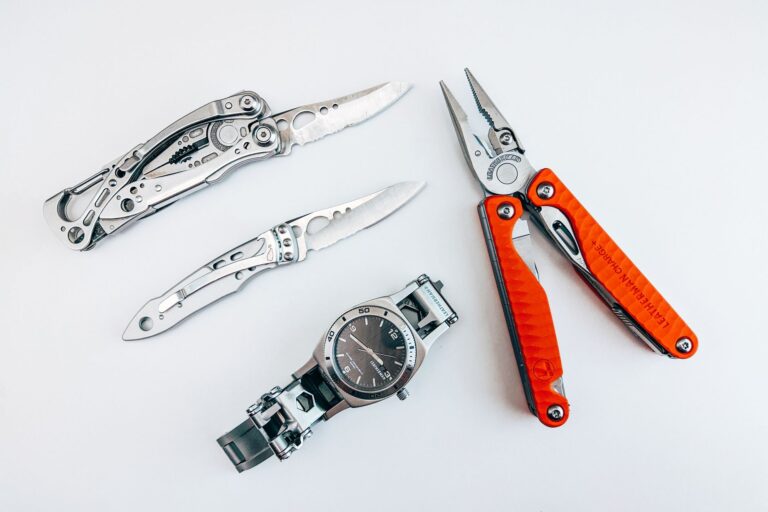
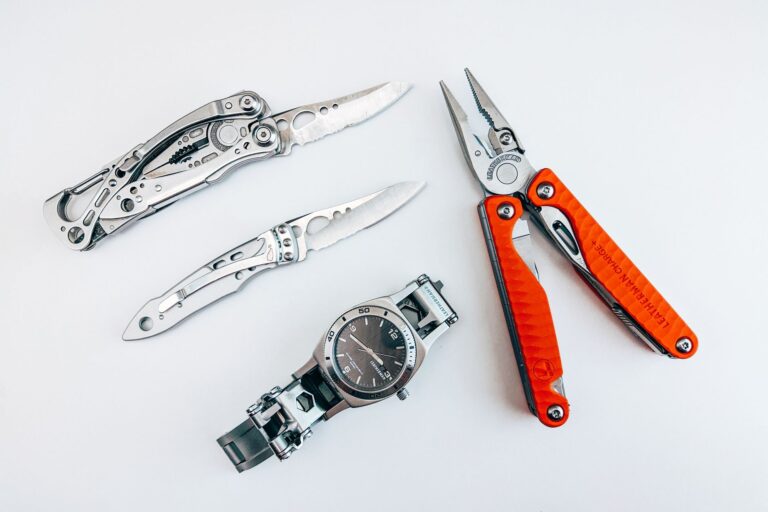
Buy a stainless pair with a black oxide or Xylan coating so hand sanitizer and bleach wipes don’t leave rust spots within a month — plain stainless dulls fine but corrodes fast under that much sanitizer exposure. Bandage scissors with a wider gap between the blade and the ratcheting jaw are worth the extra two dollars if you work anywhere near wound care or pediatrics, since they reduce the odds of pinching skin on a squirming patient. For anyone who wants a single tool that also handles the light prying and package-opening tasks a shift throws at you, a scissors-based multitool built around the same blade-free logic covers more ground than a dedicated shear alone.
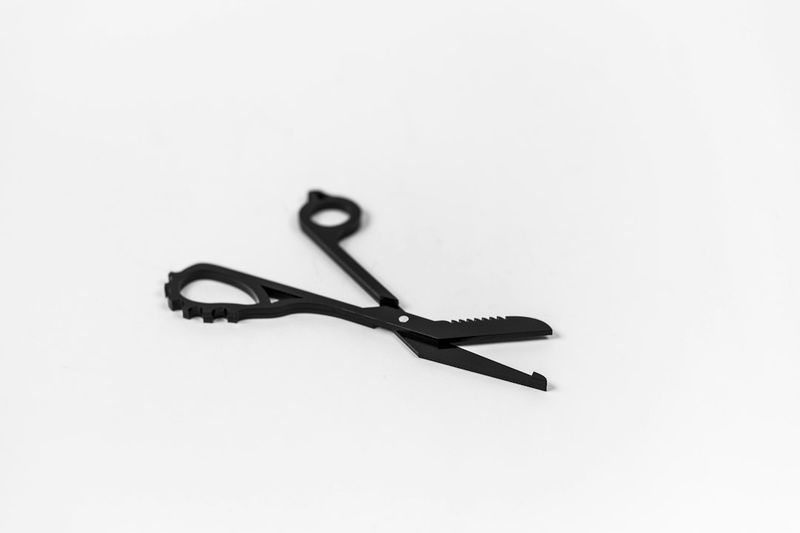
Trauma shears clear policies that a folding knife never will.
Pens That Survive Glove Hands and Hand Sanitizer
Pens disappear on a unit floor faster than anywhere else in the working world. Charting, med verification, patient signatures, and coworkers who forgot theirs all eat into a supply that never seems to last a full shift. The fix isn’t buying a nicer pen — it’s buying a pen built for the specific abuse a hospital puts it through.
Click-action barrels beat cap-off pens for one reason: caps get lost inside three hours, and a pen without a cap either dries out or bleeds ink into a pocket. Ballpoint over gel, every time — gel cartridges skip and smear when gloves are damp, which is most of a shift. Fisher Space Pen’s pressurized cartridges are the standard recommendation in this niche for a reason: they write at odd angles, through glove residue, and after being capped and jammed in a pocket for a week without drying out. A three-pack costs less than a single hospital cafeteria lunch and solves the disappearing-pen problem outright, since losing one stops being a crisis.

A click-action ballpoint outlasts a capped pen by weeks, not days.
Penlights for Pupil Checks and Dim Rooms
A compact penlight still earns a pocket slot even in units that have moved neuro checks to disposable paper light sources, because paper penlights run out fast and a real one doesn’t. Look for one under four inches with a simple twist or click interface — multi-mode flashlights with strobe settings and five brightness levels are built for EDC hobbyists, not for a nurse who needs one press to get a clean pupil reaction in under two seconds.
Battery choice matters more than lumen count here. A single-AAA or CR2 penlight in the 20-60 lumen range is bright enough for pupil response and dim enough not to blind a patient at 2 a.m., which matters more than the 300-plus lumen output most general EDC flashlights chase. For a full breakdown of how size class changes what a light is actually good for, the keychain, pocket, or holster size comparison covers the tradeoffs in more depth than fits here.
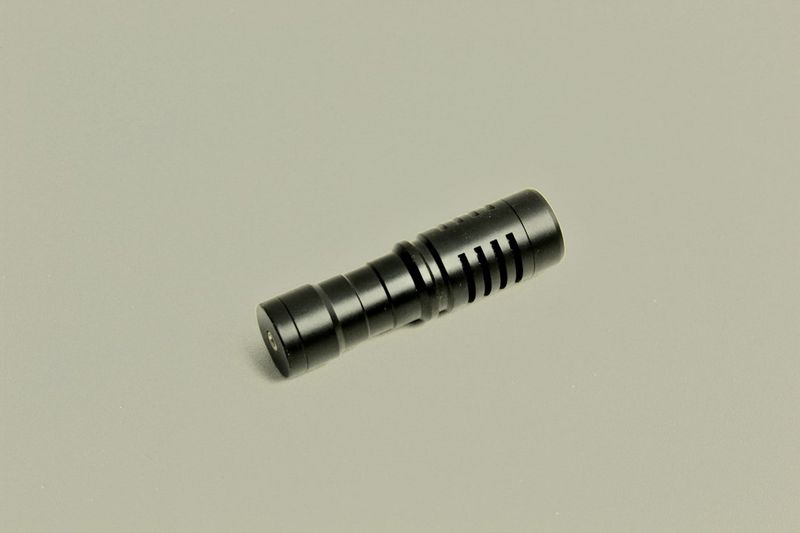
A simple twist-on penlight beats a five-mode flashlight for pupil checks.
Badge Reels and Retention That Actually Holds
A badge reel seems like the least interesting item on this list until the clip snaps for the third time in a month and a nurse is stuck re-ordering a replacement ID from security. Retractable reels take more daily abuse than almost anything else in a nurse’s carry — clipped, yanked, swiped against a badge reader forty times a shift, and occasionally caught on a doorframe hard enough to test the cord.
Metal-bodied reels with a nylon-reinforced cord outlast plastic-bodied ones by months, not weeks, because the retraction spring is the part that fails first and a metal housing protects it better under repeated yanking. A rotating clip on the back matters more than most people expect — it stops the reel from twisting the scrub top fabric every time you turn toward a badge reader, which is a small thing that adds up to a stretched-out pocket seam by the end of a busy month.
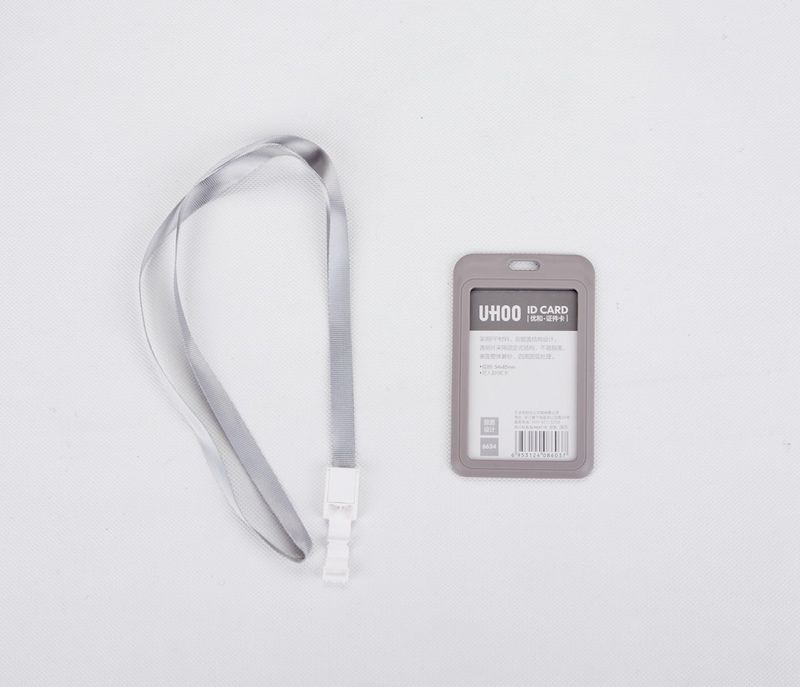
The retraction spring, not the cord, is what actually fails on a cheap reel.
The Pocket Math Problem
Scrub pants average two to four pockets, and none of them are built the way cargo pockets are. They’re shallow, they don’t hold shape, and stacking more than three or four items in one pocket means digging past a shear to find a pen every single time. A small pocket organizer — the kind built for shirt-pocket carry, not the tactical MOLLE pouches aimed at general EDC — solves the layering problem by grouping small tools into one flat unit instead of loose items sliding around independently.
The best nurse-specific organizers are under half an inch thick when loaded and skip the velcro-heavy tactical styling that reads wrong in a patient-facing role. A flat leather or nylon sleeve with two or three fixed slots — one for shears, one for pens, one for a penlight — keeps the whole kit as one unit you can pull out and set down, rather than fishing through a pocket one item at a time.

A flat organizer beats loose items fighting for space in a shallow scrub pocket.
What Stays in the Bag, Not the Pocket
A full-size bifold wallet has no business in a scrub pocket. It’s the single most common overpacking mistake in nurse EDC — carrying the same wallet used outside work, stuffed with a driver’s license, three loyalty cards, and receipts from two weeks ago, when a shift only calls for a badge, maybe a parking pass, and enough card to grab coffee at 3 a.m. A slim card case solves this instead of a wallet swap: two to four cards, flat enough to disappear in a chest pocket without printing a rectangle through the fabric. For the broader tradeoff between the two formats, the card holder vs. bifold wallet breakdown walks through when each format actually earns its place.
Everything else — a real wallet, phone charger, backup snacks, a change of shoes — belongs in the work bag that stays in the break room or the car, not on your body for twelve hours. The nurses who complain most about pocket bulk are almost always carrying bag items in pocket space.

If it doesn’t fit flat in a chest pocket, it belongs in the bag, not the scrubs.
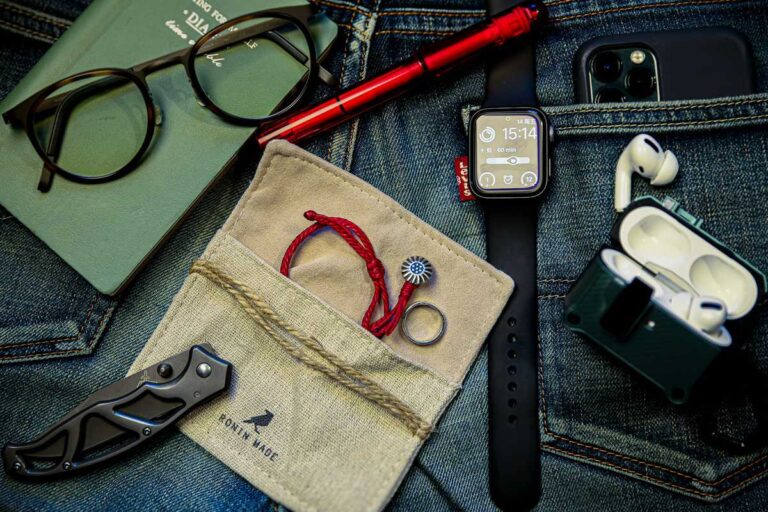
Seeing an actual scrub-pocket loadout laid out item by item makes the sizing questions above easier to picture than any written list can:
A Sample Nurse EDC Loadout Under $150
Here’s what a complete, policy-compliant setup actually costs when priced out piece by piece, since most guides on this topic talk in generalities and skip the number nurses actually want to see:
- Trauma shears: $8–15 for a coated stainless pair
- Fisher Space Pen (3-pack): $15–20
- Compact penlight: $10–25 depending on battery type
- Metal badge reel: $12–20
- Flat pocket organizer: $20–40
- Slim card case: $15–30
That’s a complete kit for under $150 even at the higher end of every range, and most of it — the shears, the pen, the reel — rarely needs replacing more than once a year. Compare that to the cost of a single lost badge reorder or a pocketknife confiscated at orientation, and the upfront spend pays for itself inside the first few shifts.
Frequently Asked Questions
Can nurses carry a pocketknife at work?
Most hospitals restrict or outright ban folding knives in clinical areas, even small ones. Policies vary by facility and department, so check your unit’s specific rules before bringing one in. Trauma shears cover nearly every cutting task a knife would handle without triggering the policy question at all.
What’s the best penlight for nurses?
A compact, single-mode penlight in the 20-60 lumen range with a twist or single-click interface works best. Skip multi-mode tactical flashlights — the extra brightness settings and strobe functions add bulk and complexity without helping a pupil check.
How many pockets do nursing scrubs actually need?
Three to four functional pockets covers most nurse EDC setups: one for a pocket organizer holding shears and a pen, one for a phone, and one for a slim card case. More pockets than that usually just invite overpacking rather than solving a real carry problem.
Do badge reels wear out fast?
The retraction spring inside the reel is the first part to fail, usually from repeated hard yanking rather than normal use. Metal-bodied reels with a rotating back clip last noticeably longer than plastic ones under the same daily wear.
Sources
- OSHA Bloodborne Pathogens Standard — federal guidance on cleanable equipment and exposure control in clinical settings.
- CDC Hand Hygiene in Healthcare Settings — infection control standards that shape what gear can travel between patient rooms.