Single Blade or Multi-Blade: The EDC Knife Decision That Changes How You Carry
The moment you start building a real EDC carry, you hit the same question every knife person eventually faces: one dedicated blade or a traditional multi-blade pattern? The modern knife market has spent the last decade optimizing around the single-blade folder — one lock, one blade, one deployment system. But multi-blade slip joint patterns like the Case Trapper and Victorinox Cadet are seeing a genuine revival among people who have rethought what a pocket knife actually needs to do for them. This is not a nostalgia debate. It is a practical question about your specific carry conditions, and the right answer depends on factors most knife reviews never address directly.
What a Single-Blade EDC Folder Is Actually Optimized For
A single-blade EDC folder exists to do one thing without compromise. When a manufacturer commits to one cutting edge, every design decision flows from that single job: the handle length can be tuned to that blade’s geometry, the lock mechanism can be engineered to handle maximum force on that specific pivot, and the steel choice can be dialed to the blade’s intended use profile without splitting the budget across multiple edges. The result is a carry knife with no weak points, no wasted design real estate, and no design reason to hold back on materials or tolerances.
Real-world single-blade benchmarks that define the category: the Benchmade Bugout 535 runs a 3.24-inch drop point in CPM-S30V at 1.85 ounces — thin, light, and fast enough to deploy one-handed in under a second without thinking about it. The Spyderco Para 3 counters with a 2.95-inch full-flat-ground blade and a compression lock that handles lateral stress most liner locks cannot match. At the budget end, the CIVIVI Elementum delivers a 2.96-inch drop point in 9Cr18MoV for under $40 and carries like a knife twice the price. These knives share a design philosophy: concentrate every decision on the one thing the knife is supposed to do, and do not compromise that by spreading resources across additional blades.
Multi-Blade Patterns: The Logic Behind Multiple Edges
Traditional multi-blade folders operate on an entirely different logic. A classic two-blade trapper pattern — such as the Case Trapper in CV steel — gives you a clip point and a spey blade: the clip for general utility cuts, the spey for softer work, food prep, and controlled scraping where a pointed blade would punch through instead of contain. A stockman pattern adds a third sheepfoot blade for push cuts and detail work where the rounded tip prevents accidental puncture. You are not getting one optimized blade. You are getting three task-specific geometries in one package, each doing something the other two do less cleanly.
The mechanism is a slip joint with no lock. The back spring holds each blade in the open position under tension, and you close it manually. This is the design that has been in working pockets since the mid-1800s. Case, Great Eastern Cutlery, and traditional makers like Queen Cutlery have run these patterns for generations because the underlying design works. The absence of a lock is not a weakness — it eliminates several potential failure modes that modern folders have to engineer around. No lock bar to wear out, no detent ball to lose, no liner to fatigue under hard lateral use. You get a spring. It either works or it does not, and after 150 years of refinement it rarely does not.
Deployment Speed: The Gap That Defines Real-World Performance
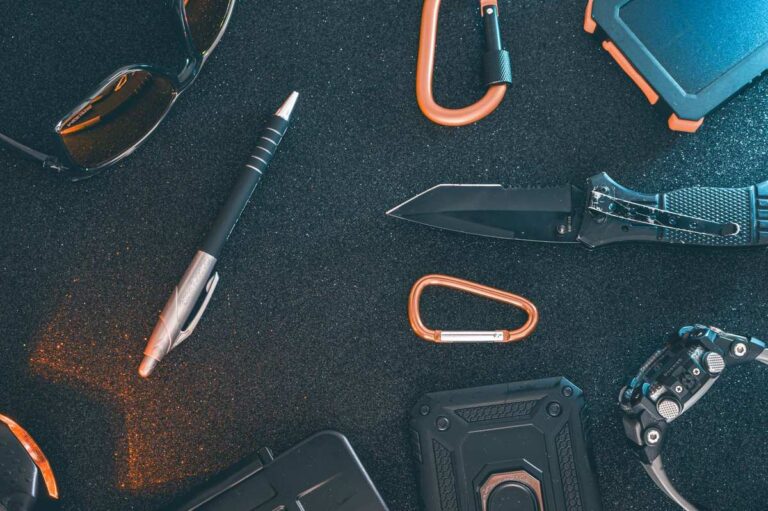
This is the sharpest functional divide between the two categories, and it gets underweighted in most comparisons. A single-blade modern folder deploys one-handed in under a second. Flipper tab, thumb stud, or Spyderco’s round hole — you open the blade while your other hand is holding whatever you are cutting. In rain, with gloves on, carrying a package, or in any situation that demands fast one-handed access, that deployment system is the difference between a useful tool and a fumbling process.
A multi-blade slip joint requires two hands, every time, without exception. You find the nail nick on the correct blade, pinch it, and pull until you feel it click into the open position under spring tension. The process takes two to four seconds depending on dexterity and pocket retrieval. For most daily tasks — opening packages, cutting food, trimming loose threads — that gap is completely irrelevant. For anything urgent, one-handed, or performed in adverse conditions, that gap is the whole game. If your EDC knife ever gets called into service in a situation requiring a fast draw, the slip joint pattern is not the right tool for that moment.
The deployment gap compounds into a carry consistency gap. A single-blade folder with a pocket clip sits at the same position every time — right-side tip-up or tip-down, indexed, predictable. You reach in and your hand knows exactly what it is grabbing. A clip-free multi-blade knife settles wherever it lands in your pocket. It rolls when you walk, migrates corner-ward, and requires a deliberate retrieval process. For high-frequency carry use, this consistency difference compounds across an entire workday.
Shop the Benchmade Bugout on Amazon
Blade Steel and the Cost of Speccing for Multiple Edges
When a manufacturer commits to one blade, they can choose a steel appropriate for that geometry and use case without splitting the materials budget across two or three additional edges. Modern single-blade EDC folders regularly ship in CPM-S30V, S35VN, M390, D2, or N690 — steels with genuine edge retention, corrosion resistance suited to a pocket carry environment, and toughness profiles tuned to urban utility cuts. The steel choice is a deliberate design decision, not a cost compromise.
Multi-blade patterns keep cost manageable by distributing the material budget across multiple blades, which typically means a softer, more forgiving stainless. Case’s Tru-Sharp surgical steel is a solid, easy-to-field-sharpen working steel with decades of real-world track record behind it. It holds a functional edge for daily carry use and responds well to a basic pocket strop or entry-level sharpening stone. It is not in the same performance bracket as S30V for edge retention under continuous use, but for most multi-blade use cases the tradeoff is entirely reasonable — especially when the blade variety compensates for what any individual blade gives up in performance.
Sharpening Multiple Blade Profiles Is a Real Maintenance Commitment
This aspect gets almost no coverage in standard knife comparisons. Sharpening a single drop-point blade on a Lansky system, Sharpmaker, or guided rod setup is a twenty-minute repeatable process that most people can learn in a weekend. Sharpening three blades of different profiles is a more involved task — especially the curved spey blade, which does not work cleanly with most fixed-angle guided systems and requires more freehand technique than a standard straight-edge grind. If you are not already running a freehand sharpening setup with appropriate stones, maintaining a multi-blade pattern to a consistent working edge across all three blades is meaningfully more demanding than maintaining a single blade. This is not a dealbreaker, but it is an ongoing maintenance reality that should factor into your pattern choice.
Carry Weight, Pocket Footprint, and the Clip Factor
Modern single-blade EDC folders are engineered around carry ergonomics as much as cutting performance. The Benchmade Bugout at 1.85 ounces, the CIVIVI Elementum at 2.47 ounces — these knives are built to disappear in a front pocket. Thin handle profiles, clip geometry tuned to pocket depth, blade-to-handle ratios that minimize overall closed length. After a couple hours of carry, you stop noticing they are there. The pocket clip does real functional work: it indexes the knife at a consistent depth and angle so retrieval and deployment become pure muscle memory after a few days.
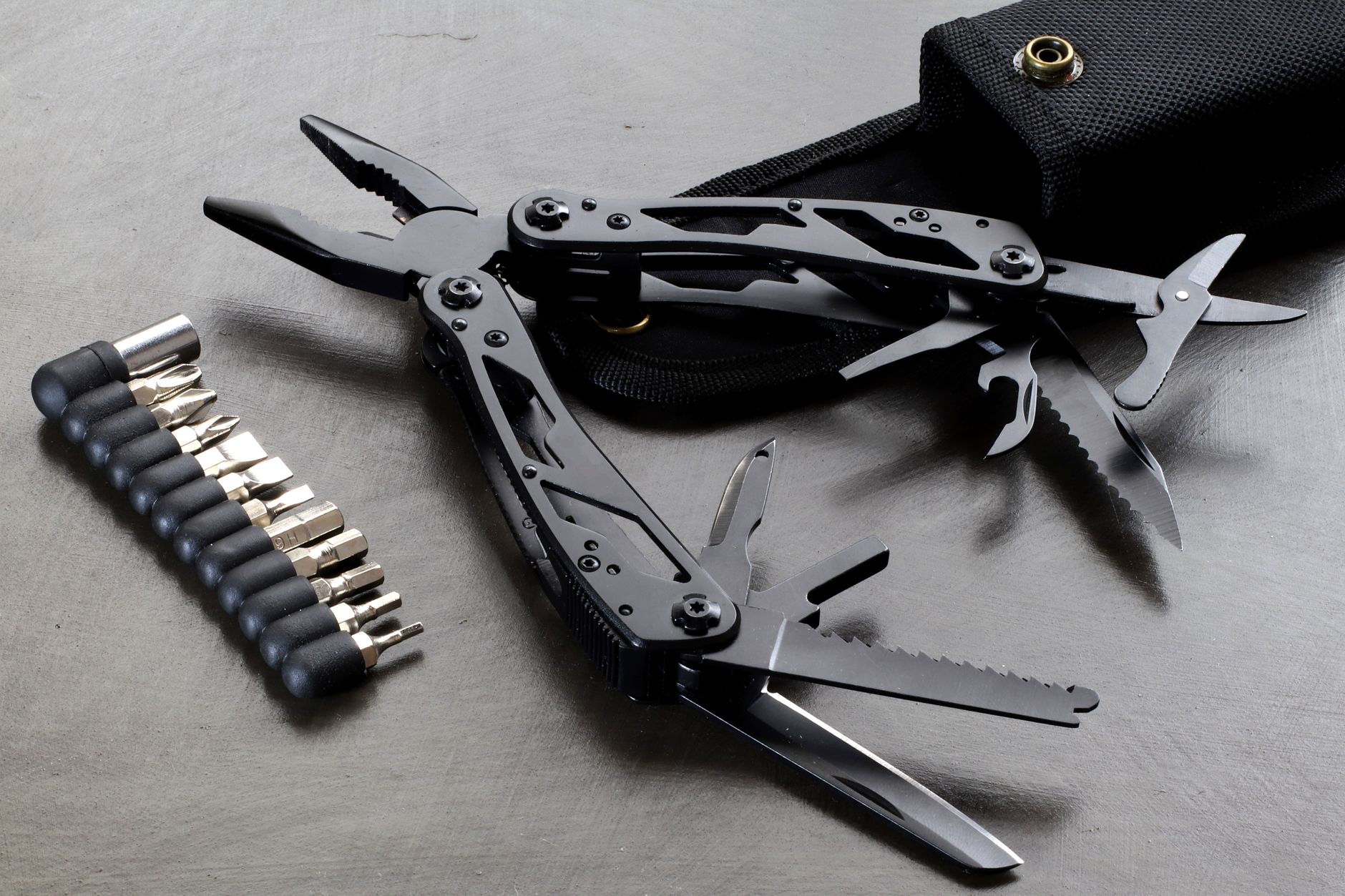
Multi-blade patterns carry differently and demand an adjustment period. A Case Trapper in CV steel sits at approximately 3.25 ounces in a 3.625-inch closed handle — heavier than most modern single blades and without a dedicated pocket clip. The knife migrates toward the bottom corner of your pocket, rolls when you walk, and requires a deliberate two-handed retrieval process. This is not a fatal flaw for low-frequency carry, but it is a genuine change from clipped single-blade carry. Victorinox’s smaller multi-tool formats — the Cadet and Classic SD — represent the lightest multi-function options available, but they move into a separate category where the cutting function becomes secondary to the tool array.
Shop the Case Trapper on Amazon
Social Carry and the Optics of Pattern Choice
This factor rarely gets covered honestly in gear reviews, but it matters for how you actually carry day to day. A modern single-blade folder with a deep-carry clip and a tactical blade profile reads differently in different environments. In a corporate office, a courthouse lobby, or an international airport, the visual profile of your knife signals intent before the blade ever opens. A traditional multi-blade pattern — the kind of pocket knife that has lived in working pockets since your grandfather’s era — reads as a gentleman’s tool rather than a tactical implement. In environments where the social optics of a knife matter, the pattern choice is as consequential as the performance specs.
There is also the practical question of white-collar carry restrictions. Some offices and environments prohibit locking blades entirely, in which case a non-locking slip joint is one of the only legal carry options available. A non-locking single-blade folder — like the Opinel No. 7 — covers that gap at the single-blade level. But if you want multi-blade task coverage in a no-lock environment, the traditional pattern is your only real option. Know the rules of your environment before you commit to a pattern.
Matching Your Pattern to Your Actual Carry
The practical breakdown is straightforward once you are honest about your use frequency and carry environment. If you open a knife more than a few times per day, routinely need one-handed access, work in conditions that include physical demands or adverse weather, or require consistent fast retrieval, the single-blade folder is the right pattern. The Benchmade Bugout handles the premium end of that requirement. The Spyderco Para 3 covers the mid-range with a lock system that outperforms its price bracket by a significant margin. The CIVIVI Elementum handles the budget tier without meaningful compromise on carry ergonomics or daily utility.
If your carry is lower frequency, you work in an environment where clip-free or non-locking carry is preferred or required, or you genuinely need different blade geometries across your daily tasks, the traditional multi-blade pattern earns its place in your pocket. The Case Trapper in CV steel delivers one of the best blade geometry combinations in the category — the clip point and spey cover nearly every task a traditional blade user encounters in a day. The Victorinox Cadet offers a lighter aluminum-handled option with a slightly different tool set. Both are knives built to last decades, maintained with simple tools, and carried without broadcasting tactical intent to everyone in the room.
The honest comparison that most gear coverage avoids: the single-blade folder is the higher-performance daily driver across the majority of EDC use cases. Better steel, faster deployment, more consistent carry, better ergonomics for the work most EDC knives actually do. But the traditional multi-blade pattern carries something the modern folder does not — mechanical simplicity at the mechanism level, task versatility in a different register, and a design with enough generational track record to be trusted without reading a spec sheet. Both are legitimate choices. The mistake is defaulting to one because the gear culture currently endorses it, without understanding what the other pattern actually costs you in real-world carry.
Shop the Spyderco Para 3 on Amazon
Sources
- Wikipedia — Pocketknife history and mechanism overview
- Benchmade — Bugout series specifications and steel data
- Spyderco — Para 3 blade geometry and compression lock specifications
- W.R. Case & Sons — Traditional pattern specs and Tru-Sharp steel information