
Office EDC: 7 Essentials for Desk Jobs
A folding knife that’s perfectly legal on the street can still get you a trip to HR if your employee handbook calls it a weapon. That’s the real difference between office EDC and every other kind: the rules aren’t set by the law, they’re set by whoever wrote your company’s policy manual. Most desk workers don’t think about their carry until a badge scanner jams, a pen runs dry in a meeting, or a phone dies an hour before a client call — then the gap in the kit becomes obvious. Office EDC isn’t about carrying more. It’s about carrying the handful of things that actually solve those small, recurring failures without raising an eyebrow at your own front desk.
What Office EDC Actually Means
Office EDC covers the items a desk-based worker carries on their body or in a bag every single workday, chosen specifically for a shared indoor environment rather than a trade, a trail, or a patrol route. That distinction matters more than it sounds. A roofer’s EDC is built around durability in bad weather. An office EDC kit is built around discretion, battery life, and not setting off a security conversation at reception.
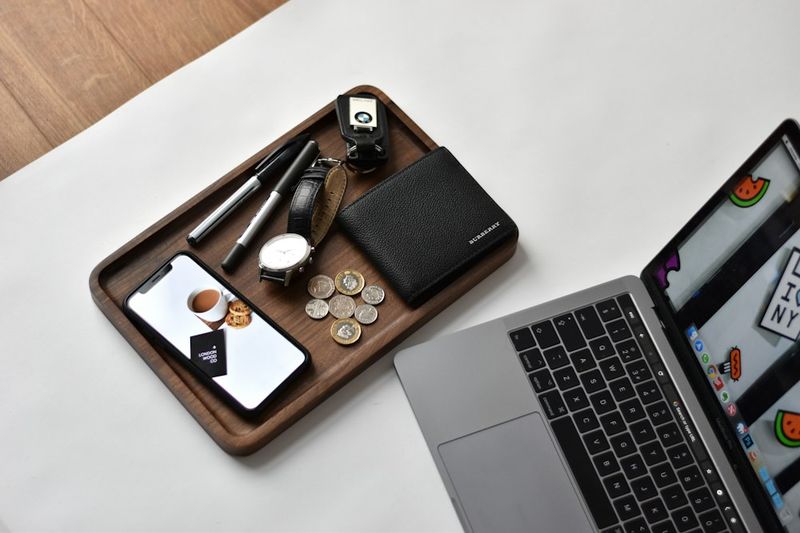
The core list is short: a wallet or card holder, keys with some kind of organizer, a phone and its charger, a pen that actually works, a notebook or a place to jot notes, and an ID badge. Everything past that — a knife, a multitool, a flashlight — gets evaluated against one extra question a tradesman never has to ask: does my employer’s handbook allow this on company property? That question is the entire personality of office carry.
The Badge-and-Pocket Problem
Every other EDC guide assumes you control your own entrances. Office workers don’t. A badge is the one item on this list that isn’t optional, isn’t yours to customize much, and determines whether you get into the building at all — which makes it the single most carried, most lost, and most annoying item in the entire kit.
Most people clip it to a belt loop or wear it on a lanyard, and both have real downsides. A belt clip snaps off in a car door or a crowded elevator about as often as people admit. A lanyard works until it’s caught on a chair, a door handle, or — if your office still has them — a propeller-style ceiling fan bracket near the break room. A retractable reel badge holder solves both problems for about the price of a coffee, and it’s the one upgrade on this entire list that has nothing to do with looking good and everything to do with not standing at a locked door at 8:58 AM.

Can You Carry a Pocket Knife at Work?
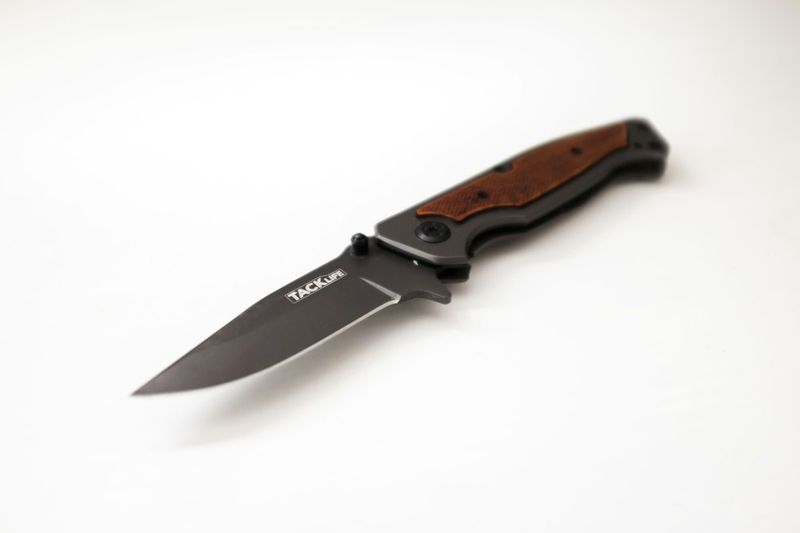
Legally, in most of the United States, yes — a folding knife with a blade under roughly three inches is legal to carry in the overwhelming majority of workplaces, with hard exceptions for federal buildings, courthouses, schools, and anywhere TSA has jurisdiction.[2] But legal and allowed are two different questions, and office EDC lives in the gap between them.
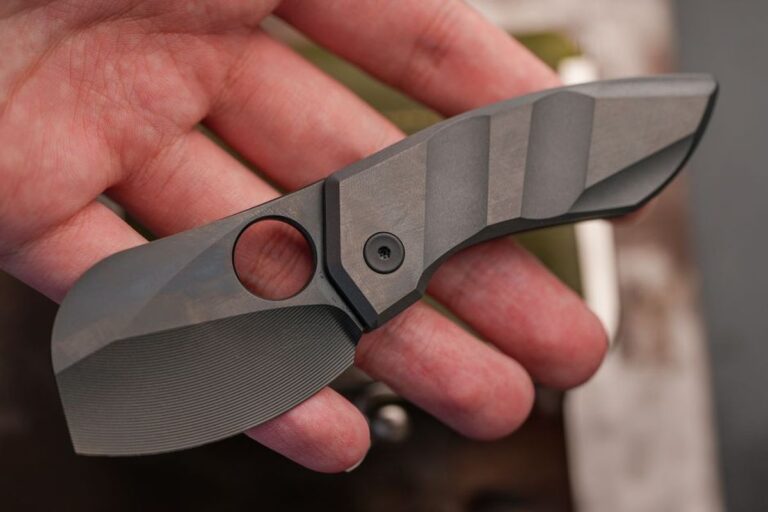
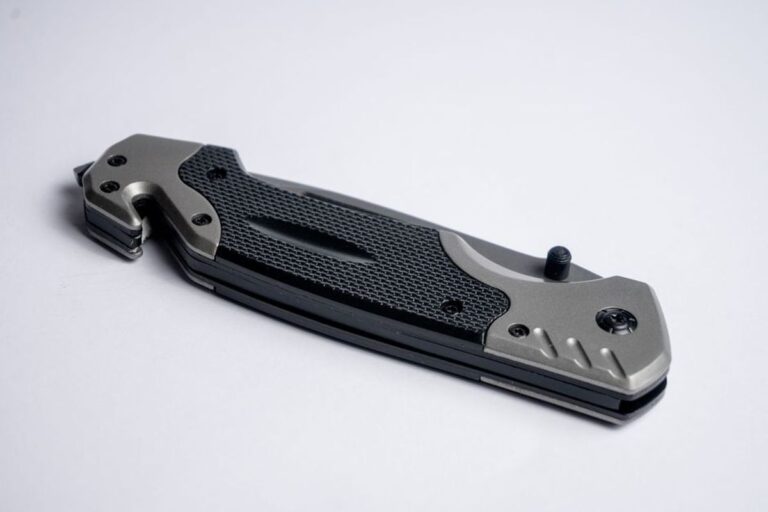
Your employer owns the building, which means your employer’s policy beats your state’s carry law the moment you walk through the door. A company can ban folding knives entirely, cap blade length well below what your state permits, or say nothing at all and leave it to a manager’s judgment call the one time it comes up.[3] That’s not a reason to leave every blade at home — a 2.5-inch slip joint for opening packages is a different conversation than a 4-inch tactical folder clipped to your pocket in a client-facing role. It’s a reason to actually read the handbook once instead of guessing, because “I didn’t know that was against policy” has never once saved anyone’s job. If you do carry one, our slip-joint vs liner lock breakdown covers the low-key mechanism that draws the least attention in a shared space.
The Core 7: What Actually Earns a Desk-Day Spot
This is the list that survives contact with an actual 9-to-5, trimmed down from everything an EDC forum will tell you to buy:
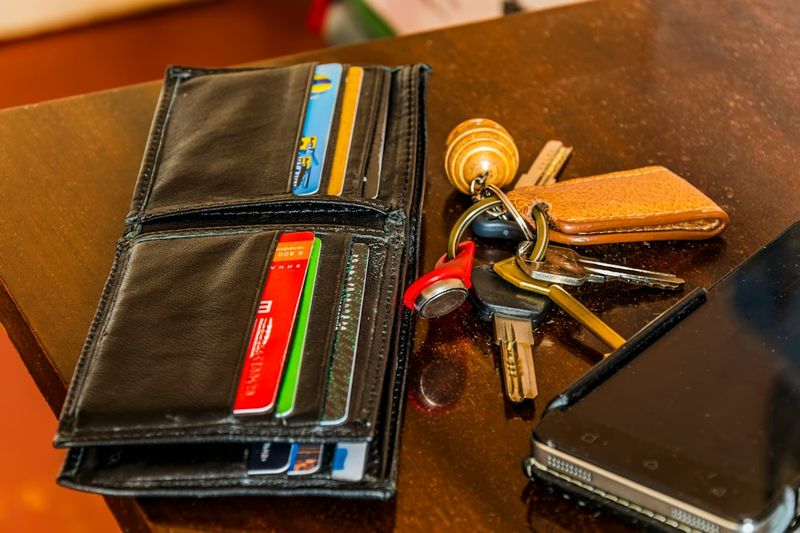
- Slim wallet or card holder — a badge, a transit card, and two payment cards is most people’s entire daily need; see our card holder vs bifold wallet breakdown for which actually fits a front pocket.
- Keys on a compact organizer — car fob and two or three keys, not the junk-drawer ring; our EDC key organizer guide covers the buying tradeoffs.
- Phone plus a short charging cable — the cable matters more than the brick; a dead phone at 4 PM is the most common office EDC failure there is.
- A pen that writes on the first try — borrowed pens never come back, and a $12 pen that always works beats five free ones that don’t.
- A small notebook — for the meeting where someone says “don’t worry about writing this down” and they are wrong.
- ID badge on a retractable reel — covered above, and worth repeating because it’s the item most people treat as an afterthought.
- A compact power bank — 5,000mAh is plenty for a desk job and fits in a jacket pocket without printing a brick-shaped outline.
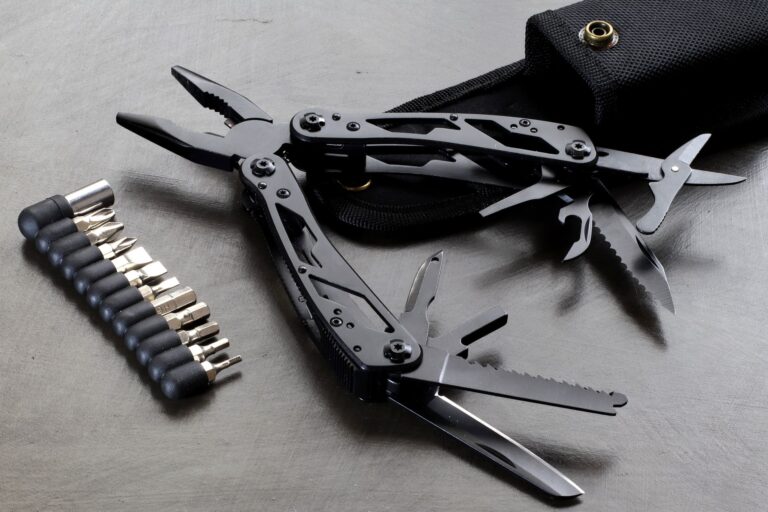
Notice what’s missing: no flashlight, no multitool, no fixed blade. Not because they’re bad tools, but because a desk job almost never produces the problem they solve. Carrying for a job you don’t have is how EDC kits get heavy and pockets get sore.
What to Leave in the Drawer vs What Goes in Your Pocket
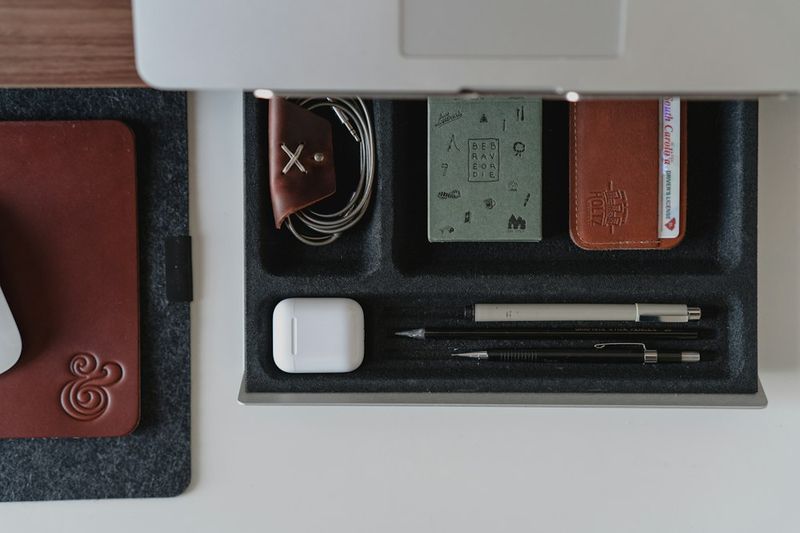
A desk gives you something a job site doesn’t: a safe, lockable overflow spot that never has to leave the building. That changes the carry math completely. Items you’d never put in a pocket become perfectly reasonable in a top drawer, five feet away, for the one day a month you actually need them.
A backup phone charger, a stapler, hand sanitizer, spare pens, a small first-aid kit, and yes, a slightly larger multitool all belong in the drawer rather than your pocket. The test is simple: if you need it daily and need it fast, it’s pocket carry. If you need it occasionally and can walk five feet to get it, it’s drawer carry. Most people get this backwards — they overload their pockets with contingency items and leave the drawer nearly empty, which is exactly the wrong distribution of weight for a job where you’re sitting at the same desk eight hours a day.
Bag or No Bag: Building a Minimal Desk-Day Loadout
Whether you need a bag at all depends entirely on your commute, not your job title. Someone walking two blocks from a parking garage can run pockets-only. Someone on a 45-minute train ride needs somewhere to put a laptop, and once you’re carrying a bag anyway, it absorbs half the “office EDC” conversation by default.
If you’re going bag-free, our minimalist EDC guide covers exactly what to cut first — the same logic applies here, just with an office’s specific constraints instead of a general carry audit. If you’re bag-committed, resist the urge to turn it into a junk drawer with straps: laptop and charger, the Core 7 above, and one contingency item (a phone battery pack or a slim umbrella) is a complete loadout. Everything beyond that is weight you’re carrying out of habit, not necessity.

Office EDC Mistakes That Get You a Talk From HR
The biggest mistake isn’t carrying something banned — it’s carrying something borderline and never checking the policy, which is how a perfectly legal pocketknife turns into an awkward meeting with a manager who’s reading a handbook clause for the first time right in front of you. The second-biggest mistake is the opposite problem: carrying nothing and losing an hour a week to preventable friction. A 2016 survey of 1,700 Americans by Survey Sampling International found phones (33%), keys (28%), and wallets (20%) were among the items people lost most often in a given week, and more than 60% said the search had made them late to work at least once.[1] An office desk is exactly the kind of fixed, repeatable environment where that’s avoidable — a badge reel, a key organizer with a dedicated pocket, and a wallet that lives in the same spot every day fix most of it for less than the cost of one bad client-meeting-shaped delay.
The third mistake is treating your desk job like it needs a job-site kit. A pry bar, a full-size multitool, and a 1,000-lumen flashlight aren’t impressive in a cubicle — they’re dead weight that makes your pockets sag and don’t solve a single problem you actually have between 9 and 5.

FAQ
Is it weird to carry a pocket knife at an office job?
Not inherently — a small slip joint for opening packages and cutting tape is common and rarely noticed. It becomes a problem only when the blade is large, tactical-looking, or specifically banned in your employee handbook. Check the policy once rather than finding out the hard way.
What’s the one office EDC item people forget most?
A charging cable, not the power bank itself. People remember to buy the battery pack and then leave the cable at home, which makes the battery pack useless at the exact moment they need it.
Do I need a separate bag for office EDC if I already have a work bag?
No — your existing work bag is your office EDC bag. The goal isn’t a second bag, it’s auditing what’s already riding around in the one you carry and cutting what never gets used.
Should I carry a multitool to a desk job?
Usually not on your body. A small multitool in the desk drawer for the rare loose screw or stuck staple covers nearly every real use case without adding bulk to your daily pocket carry.
Sources
- Pixie / Survey Sampling International, “Lost and Found” survey (PR Newswire) — 1,700-person survey on which items Americans lose most often and the time cost of searching for them.
- Knife legislation — Wikipedia — overview of blade-length and carry rules across U.S. jurisdictions.
- Herman Knives, “Knives in the Workplace: Staying on the Right Side of the Law” — on employer policy authority over state carry law on private property.