
Parent EDC: 7 Essentials Worth Carrying
A toddler’s car seat buckle jams two minutes before daycare pickup closes, and the only thing within reach is a key ring with a house key and a gas station loyalty tag. That’s the moment parent EDC either earns its pocket space or doesn’t. The diaper bag has wipes, snacks, and a spare onesie. It rarely has the one tool you need when something goes wrong fast — a jammed harness, a dead phone, a cut that needs covering before a toddler notices the blood and panics.
This isn’t a diaper bag guide. Diaper bags are already covered to death, and most of that content is about capacity and organization pouches. Parent EDC is the opposite problem: what do you carry in your actual pockets, clipped to your belt or looped on your keys, for the hours you’re not hauling the bag at all — the quick grocery run, the five minutes on the playground bench, the walk from the car to the pediatrician’s waiting room.
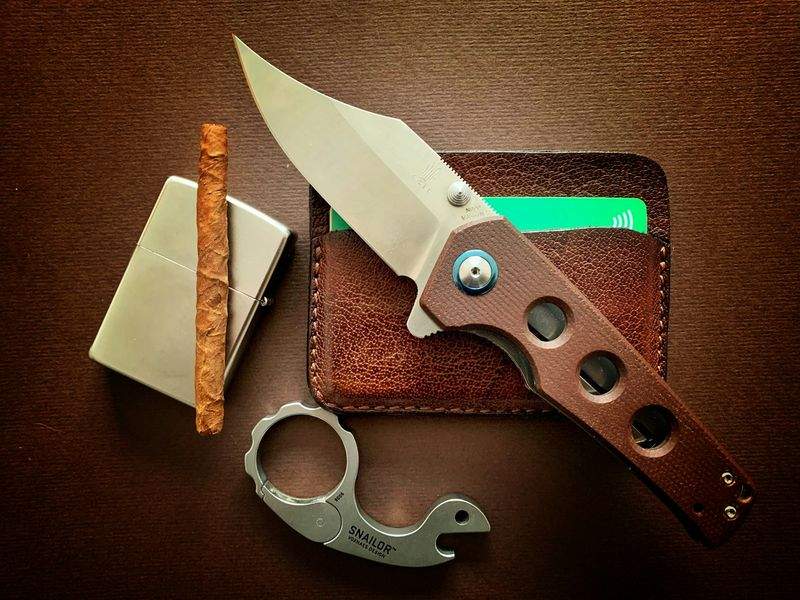
What Parent EDC Actually Means (It’s Not the Diaper Bag)
Parent EDC is the stuff that survives on your person even when the diaper bag doesn’t come along. It has to clear a higher bar than a regular EDC loadout because the failure cases are worse — a scraped knee that needs a bandage now, not at the next stop, or a car seat buckle that won’t release with cold fingers and a crying kid in the back seat. The test for every item on this list is simple: would you still carry it if you had to leave the diaper bag in the car?
That test cuts most of a standard diaper bag’s contents immediately. You don’t need a travel changing pad in your pocket. You do need the handful of items below, because they’re small enough to disappear into a jacket pocket or a keychain and they cover the failures a diaper bag can’t reach fast enough.
The Keychain Tool Every Parent With a Car Seat Should Carry
A resqme or similar keychain tool combines a seatbelt cutter and a spring-loaded window punch into something the size of a car key fob. It costs under $15 and clips directly onto the same ring as your house keys, which means it’s with you every time you’re driving — not buried in a glovebox or a trunk organizer you’d have to dig through.
AAA tested six escape tools in 2019 — three spring-loaded, three hammer-style — against both tempered and laminated glass. Only four of the six broke tempered glass cleanly, and none broke laminated glass.1 That’s the detail most listicles skip: roughly one in three 2018-model-year vehicles already shipped with laminated front side windows, so a window-breaker tool is not a guaranteed exit on every car.1 Know which glass is in your vehicle before you need the tool, and treat the seatbelt-cutting edge as the part you’re actually buying — it works regardless of glass type.

A Pocket First Aid Kit That Fits in a Coin Pocket
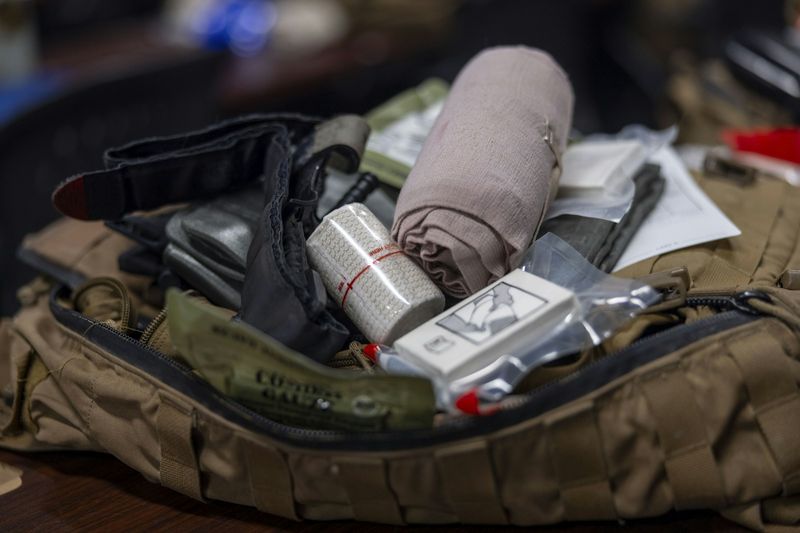
Full first aid kits belong in the diaper bag or the car. What belongs in your actual pocket is smaller: three or four adhesive bandages, a folded alcohol wipe, a single-dose packet of children’s pain reliever if your pediatrician has cleared one, and a pair of tweezers for splinters. That whole kit fits in a prescription pill bottle or a small zip pouch barely bigger than a lighter.
The reasoning is about response time, not capacity. A scraped palm from a playground fall needs covering in the next 60 seconds, before a toddler has time to look at the blood and escalate. Walking back to a stroller or a car for the diaper bag’s first aid kit is often slower than the meltdown. Our full EDC first aid kit breakdown covers the complete item list if you want to build the pocket version and the car version at the same time.
Light and Power When the Phone Dies
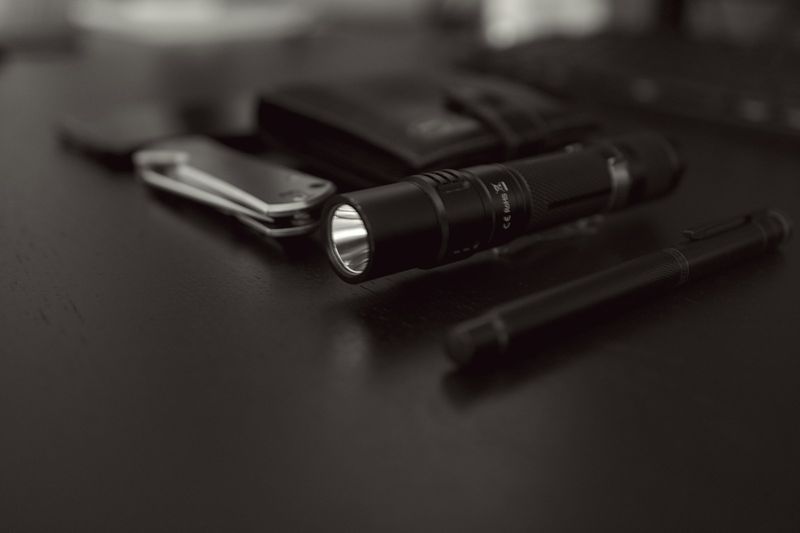
Parents burn phone battery faster than almost anyone — camera roll, white-noise apps, GPS for the new pediatric dentist’s office, texting the other parent about pickup times. A dead phone with a toddler in an unfamiliar parking garage at dusk is a specific, avoidable kind of bad. A keychain flashlight under an ounce and a phone-charging keychain fob (or a slim 5,000mAh power bank in a jacket pocket) solve two different halves of the same problem.
Skip the 1,000-lumen tactical light here. You’re not clearing rooms — you’re finding a dropped pacifier under a car seat or reading a medication label in a dim pharmacy aisle. A small, reliable 100-150 lumen keychain light with a simple twist or click interface beats anything with a multi-mode UI you’ll fumble with one-handed while holding a kid.
The Multitool That Actually Earns Pocket Space With Kids Around
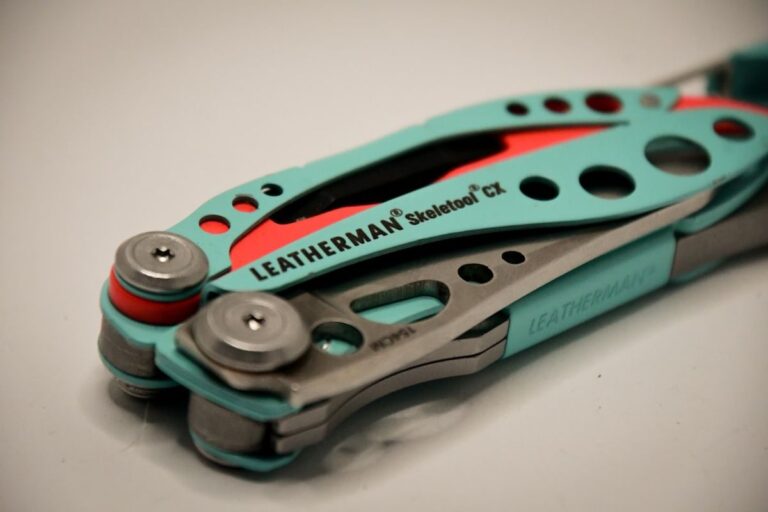
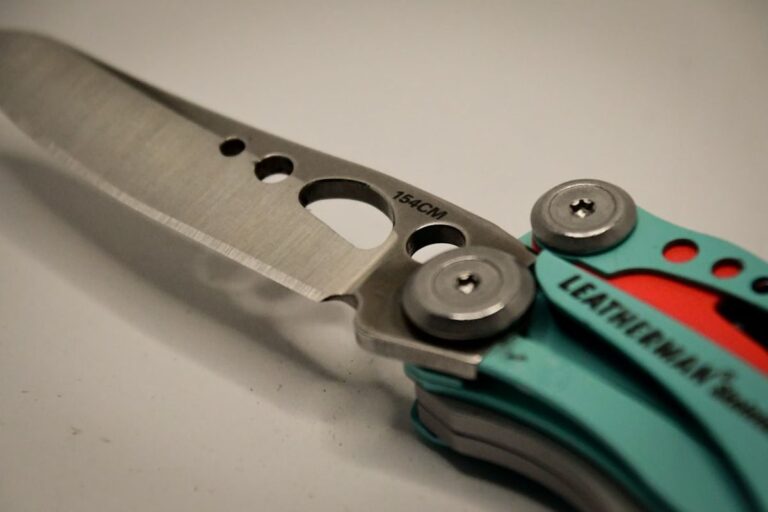
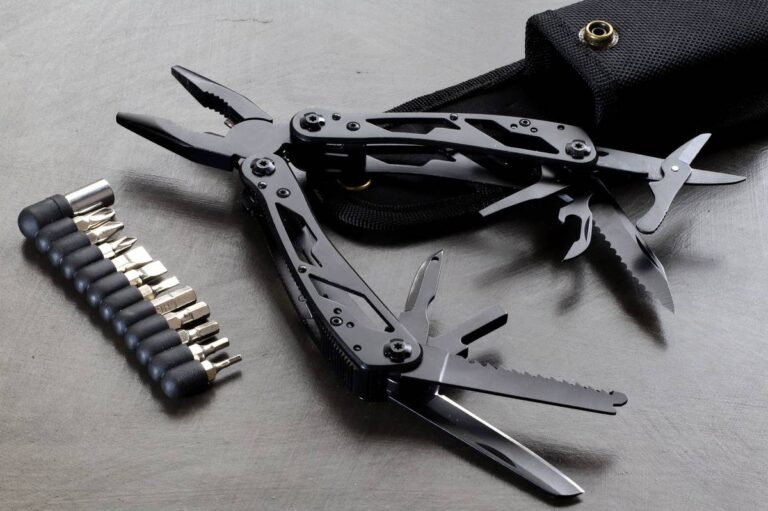
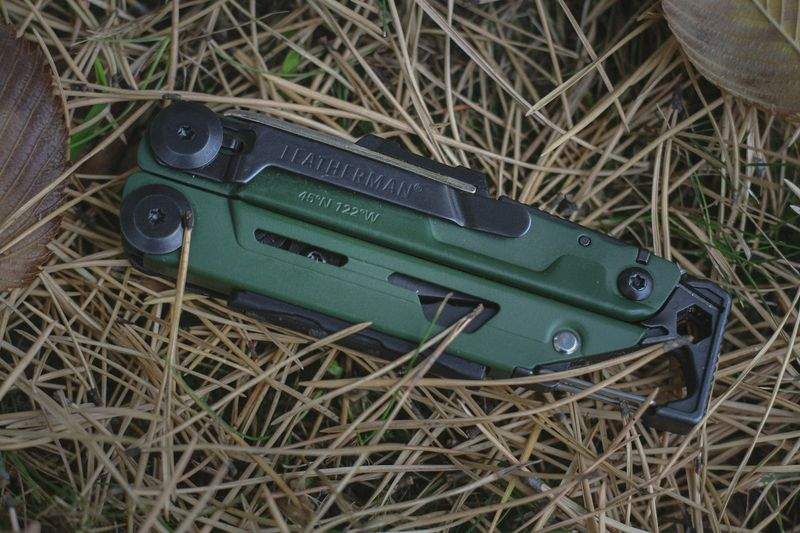
Skip anything with an exposed blade that a curious toddler can find in a diaper bag pocket. A compact multitool with spring-loaded pliers, scissors, and a small flat driver covers the jobs parents actually run into: cutting a stuck zipper tag off a new onesie, tightening a loose stroller bolt, trimming a frayed car seat strap thread, or opening a stubborn blister-pack of medicine.
Pliers matter more here than blade steel. Stroller hardware loosens constantly, and most parents don’t carry a toolbox to the park. A sub-3-ounce multitool that lives on a belt loop or in a jacket pocket handles 90% of the small mechanical failures that come up around kids, without the liability of a knife riding in the same pocket as a diaper bag a toddler can unzip. For anyone building this out further, our compact multitool breakdown covers specific picks by size and pivot stack.
A Slimmer Wallet Changes How You Carry With a Kid on Your Hip
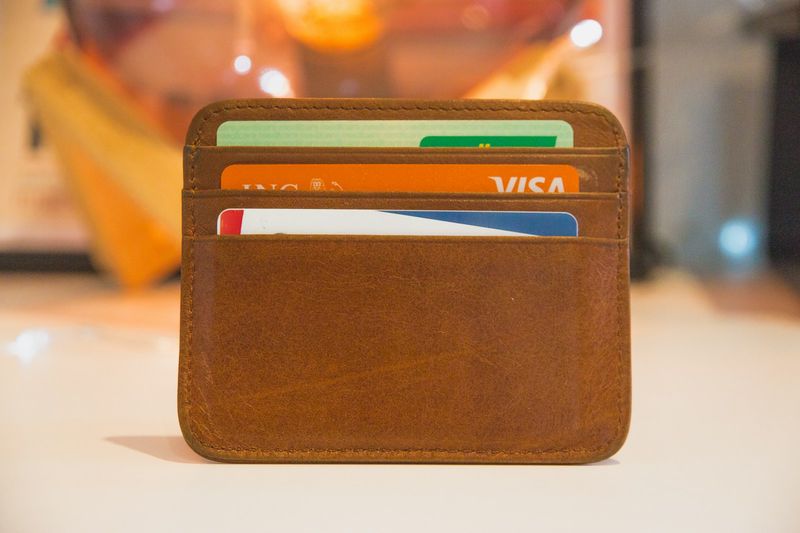
Carrying a kid on one hip changes what fits in a back pocket. A thick bifold digs into your leg when you’re bent over buckling a car seat, and it’s an awkward reach when your dominant hand is holding a toddler. A slim card holder with 4-6 cards and a folded $20 for emergencies rides flatter and clears your pocket faster when you need both hands free in under two seconds.
This isn’t about minimalism for its own sake — it’s about reach time. If you’ve ever tried to pull a wallet out of a back pocket while holding a squirming three-year-old with your other arm, you already know why the slim version wins. Our card holder vs. bifold breakdown goes deeper into which cut of wallet actually works for daily carry.
What Stays in the Diaper Bag, Not Your Pockets
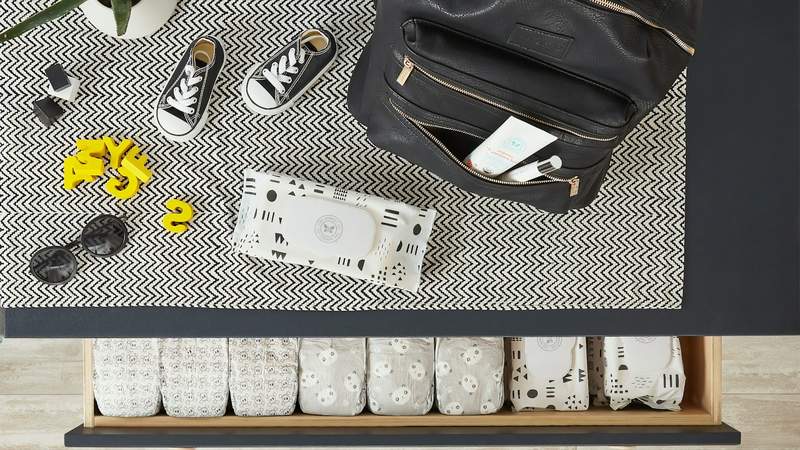
Just as important as what you carry is what you deliberately leave behind. Wipes, a full pack of diapers, a change of clothes, snacks, and a changing pad have no business in a pocket — they’re bulky, and the diaper bag is designed to carry them efficiently. Trying to pocket-carry diaper-bag-scale items just means you end up carrying a bulging jacket instead of a bag, which defeats the purpose.
The split is simple once you see it: pocket EDC covers emergencies and quick fixes measured in seconds, the diaper bag covers routine care measured in hours. A bandage and a seatbelt cutter are pocket items. A spare outfit and a bottle warmer are bag items. Mixing the two just means you’re carrying twice and reaching for the wrong thing under pressure.
Dad Pockets vs. Mom’s Bag: Does the Carry Actually Differ?
In practice, most of this split comes down to clothing, not gender. Parents wearing jeans or cargo pants with real pockets tend to carry the keychain tool, light, and wallet on their body and let the bag handle the rest. Parents in clothing without functional pockets end up pocketing the same short list into a small zip pouch clipped inside the diaper bag instead — same items, different location.
What doesn’t change is the priority order: car seat emergency tool first, pocket first aid second, light and power third. Those three cover the scenarios where reach time actually matters. Everything else on this list is convenience, not emergency coverage, and can flex based on what your clothes or bag setup actually allows.
Frequently Asked Questions
Do I need a separate EDC kit if I already carry a diaper bag?
Yes, because the diaper bag isn’t always with you. The pocket kit covers the hours you’re not carrying it — a quick errand, a playground bench, walking from the car to an appointment — when the bag is in the trunk or the stroller basket.
Is a seatbelt cutter actually necessary, or is that overkill?
It’s a $10-15 item that clips onto your existing keys and does nothing until the one time a buckle jams or a belt won’t release. AAA’s testing found window-breaker effectiveness varies by glass type, so treat it as a backup tool, not a guarantee — but the seatbelt-cutting edge works regardless.1
What’s the single most-skipped item on this list?
The pocket first aid kit. Most parents assume the diaper bag’s kit is close enough, but it’s rarely in your hand in the first 30 seconds after a fall, which is when it matters most.
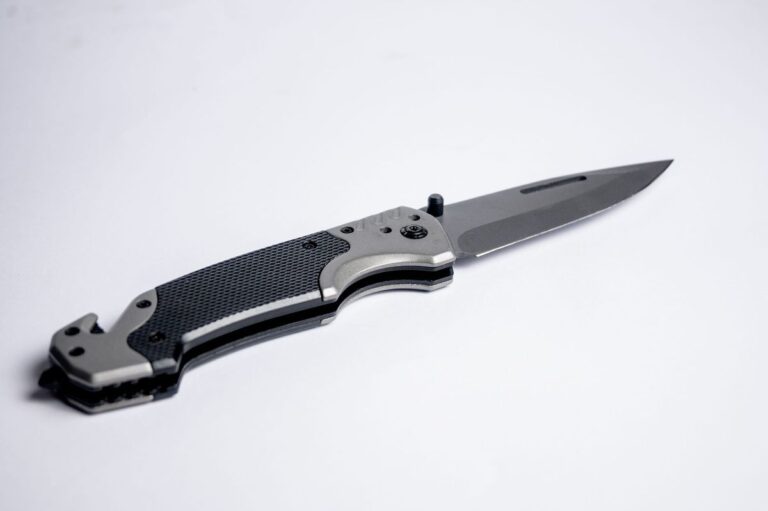
Should I carry a knife instead of a multitool around my kids?
A multitool with enclosed pliers and scissors covers more real parent tasks (stroller bolts, zipper tags, blister packs) than a blade does, with less risk if a toddler finds it unzipped in a bag pocket.
Sources
- AAA: Vehicle Escape Tools Testing (2019) — tool effectiveness against tempered vs. laminated glass, and laminated-glass prevalence in 2018 model-year vehicles.
- Giraffy Co: EDC Essentials for Parents — baseline parent-carry item checklist referenced for comparison.
- resqme — manufacturer reference for keychain seatbelt cutter/window breaker tools.