
EDC First Aid Kit: 8 Essentials to Carry
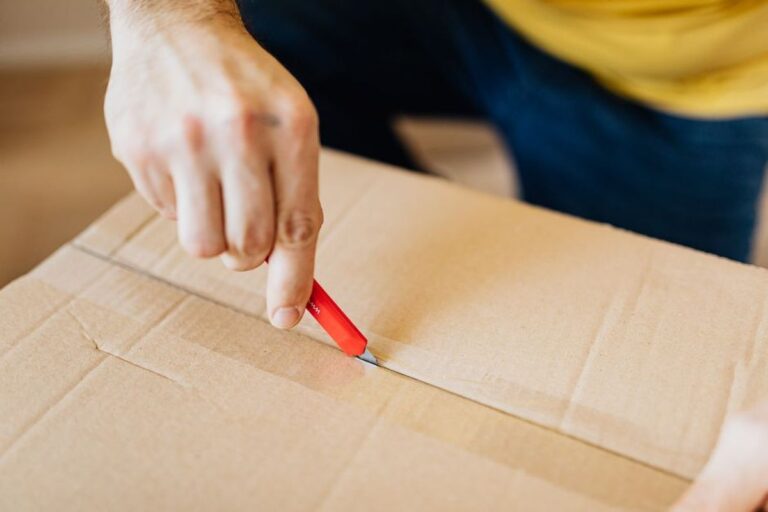
A box cutter slips on a cardboard flap at the warehouse dock, or a new pair of dress shoes opens a blister by block three of the commute — neither one needs a 911 call, but both need something better than a napkin and hope. Cuts and lacerations are consistently ranked among the most common nature of workplace injury by the Bureau of Labor Statistics, and almost none of them are dramatic enough to justify a trauma kit. They just need five minutes and the right three items, carried on the body instead of left in a bathroom cabinet three floors away.
What Actually Goes in an EDC First Aid Kit
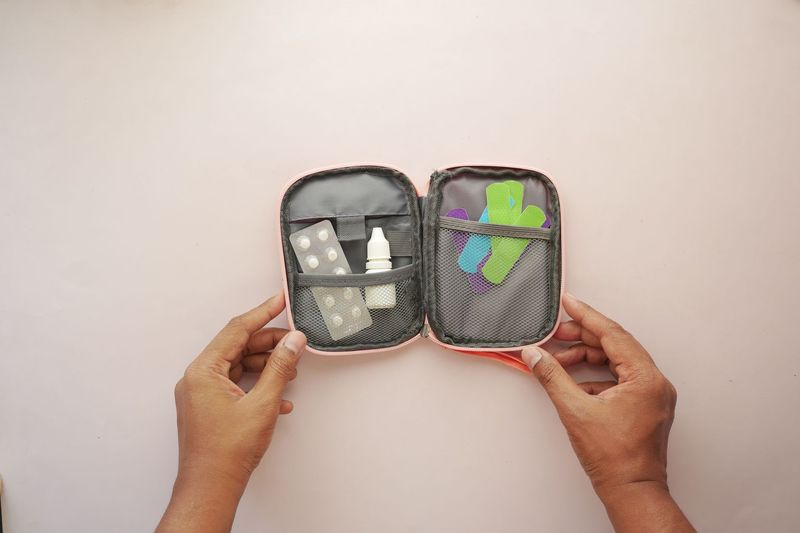
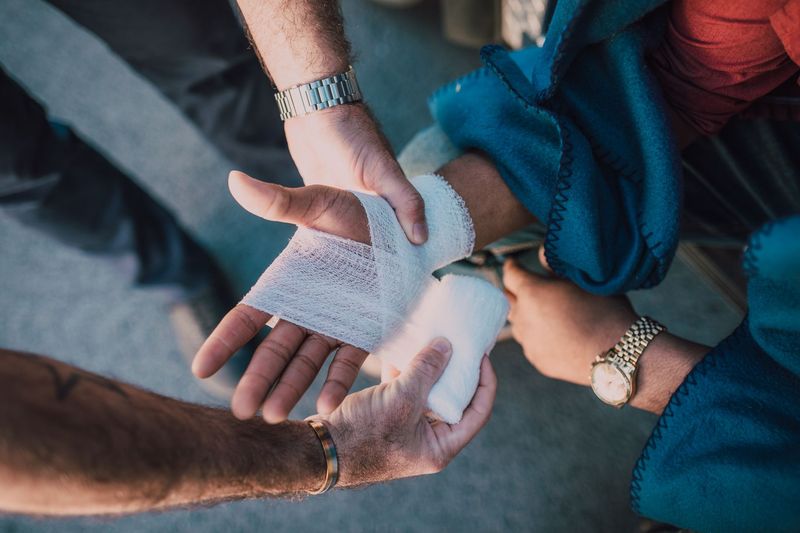
Strip the marketing down and a genuinely useful pocket kit covers four jobs: stop small bleeding, clean a wound, cover it, and handle a headache or allergy flare-up. That’s it. Adhesive bandages in two sizes handle most cuts; a few alcohol or antiseptic wipes clean them before the bandage goes on. A single-use packet of antibiotic ointment keeps a scrape from turning into something worse by the next morning.
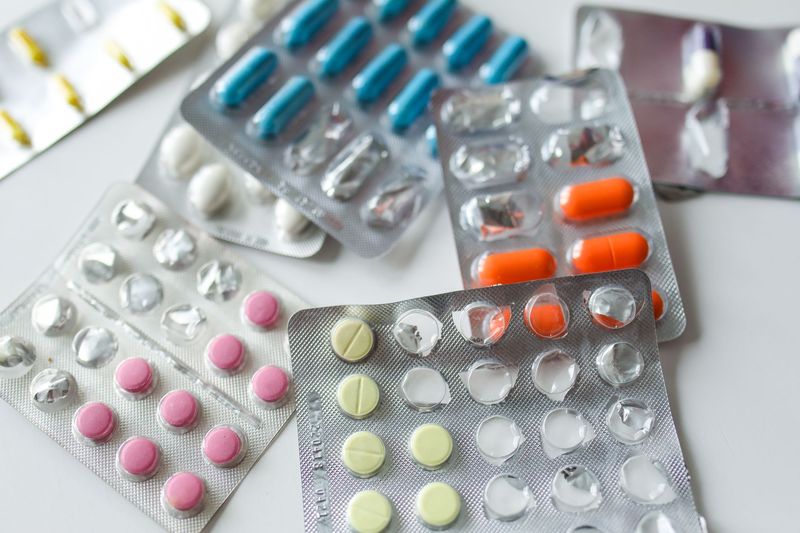
Pack a blister pad or two — moleskin or a hydrocolloid patch — because foot friction is the single most predictable injury an urban carrier will hit, especially in new shoes or a long walking day. Round it out with a couple of pain reliever tablets, an antihistamine for an unexpected allergic reaction, and a pair of small tweezers for splinters or a stuck zipper. The American Red Cross’s anatomy-of-a-kit guide lists more than this for a home or car kit, but for a pocket, that longer list is exactly what to trim.

Store-Bought or Build-Your-Own: Which Actually Makes Sense
A $10–15 pre-made mini kit gets you organized, pre-sized supplies in a pouch that’s already the right dimensions for a pocket or bag. That’s worth paying for if you’ve never built one before — the hardest part of any EDC kit is knowing what to leave out, and a decent commercial kit has already made those calls.
Building your own costs less per item but takes longer to dial in, and the first version is almost always too heavy. The upside is you control exactly what’s inside — swap the included aspirin for ibuprofen, drop the cold compress nobody in a city actually uses, add a second blister pad if you walk a lot. After one or two rebuilds, a DIY kit usually ends up lighter and more useful than the store kit it replaced.
A Few Kits Worth Starting From
If you’d rather not assemble a kit item by item, a handful of commercial options are actually built for this use case instead of the glove-box-and-forget-it market. The Surviveware Mini runs around $25–35 and earns its reputation on labeling — every pouch inside is marked by function, so you’re not digging through loose packets one-handed. It’s slightly bulkier than a true pocket kit, which makes it a better fit for a bag than a jacket.
On the budget end, kits in the $10–15 range from brands like Vriexsd pack in more pieces than you’ll ever use, but the core items — bandages, wipes, tape — are legitimate and the carabiner clip means it actually attaches to something instead of floating loose in a bag. For a kit that leans on name-brand medication rather than generic, a compact Band-Aid-branded kit costs more per item but removes any guesswork about whether the pain reliever or antihistamine inside is something you’d actually recognize and trust mid-shift.
None of these need to be carried as-is. Buy one, dump out what you won’t use — the eye wash cups and safety pins nobody in a city needs — and you’re left with a pre-sized pouch holding exactly the short list from above.
Where It Actually Lives: Pocket, Bag, or Desk Drawer
Most people who try to carry a first aid kit on their body give up within a week — it’s bulk they notice every time they sit down. A better default is a desk drawer or bag pouch copy, with a genuinely pocket-sized version (think a folded cloth the size of a phone case) reserved for days you’re out walking, traveling, or commuting somewhere unfamiliar.
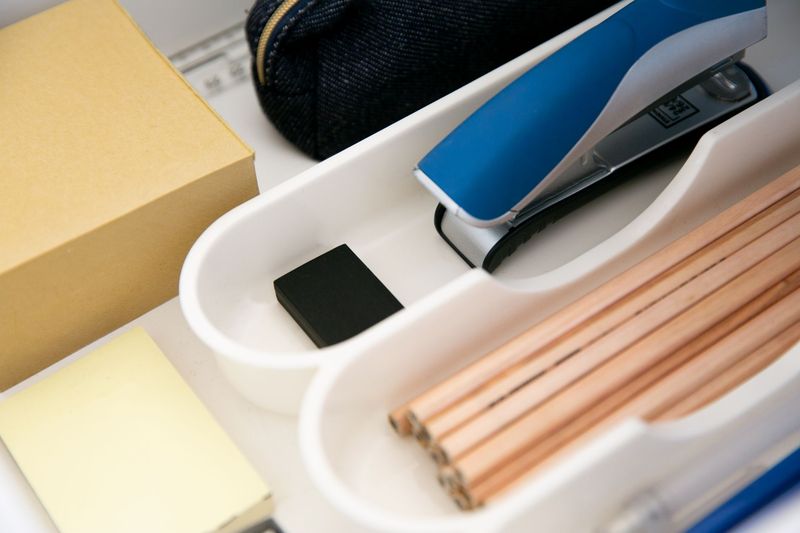
A desk-drawer kit can carry 15–20 items without anyone noticing the weight. A bag pouch should stay under a dozen. A true pocket kit gets the short list from the section above and nothing more. If your carry already shifts with the season — heavier gloves and a different jacket in winter — the first aid kit should shift with it too; see our guide to winter EDC changes for how that swap works in practice.
The Scenarios Where This Kit Actually Earns Its Space
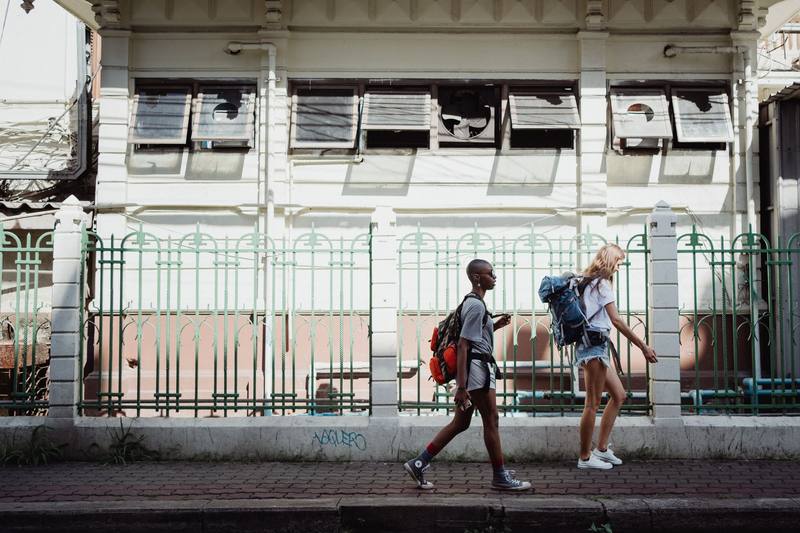
It’s rarely a dramatic moment. It’s a kid’s scraped knee at the playground while you’re the only adult with a bag. It’s the blister that shows up at the halfway point of a 40-minute walk to a meeting, when turning back costs more than pushing through with a pad on it. It’s the coworker who forgot their allergy pills on a day tree pollen spikes, standing in the break room with watery eyes. None of these show up on a calendar. They show up on a Tuesday, usually when the nearest pharmacy is eleven floors down or a fifteen-minute walk away, which is exactly the gap a two-ounce pouch is built to close.
Teachers and nurses run into this constantly, since they’re the de facto first responder for whoever’s nearby — our breakdowns of a teacher’s full-day EDC kit and a nurse’s shift kit both end up circling back to the same short list of bandages, wipes, and pain relief. The pattern holds outside those jobs too: anyone who spends their day around other people ends up handing out a bandage eventually, whether they planned on it or not.
What to Leave Out: Why Trauma Gear Doesn’t Belong in a City Kit
Search “EDC first aid kit” and most of what surfaces is IFAK territory — tourniquets, chest seals, pressure bandages built for gunshot wounds and vehicle collisions. None of that belongs in a city EDC pouch, and carrying it for an injury profile you’ll almost never see is dead weight at best and a liability conversation at worst if it ever gets flagged going through a building’s security.
A tourniquet solves a problem most urban carriers will never have. A blister pad and a packet of antihistamine solve problems that happen on a near-weekly basis for anyone who walks a city regularly. Build for the statistically likely injury, not the cinematic one — that’s the whole difference between a trauma kit and a carry kit, and it’s worth being blunt about which one you actually need.
Keeping It Ready: Maintenance Nobody Does
A first aid kit that’s never been opened since you bought it is probably missing something by the time you need it — bandages get used and not replaced, ointment packets dry out, pain reliever blister packs go brittle after a summer in a hot bag. Mayo Clinic’s guidance on stocking a first aid kit recommends checking it at minimum every three months, and that holds just as true for a pocket-sized version as a full home kit.
Set a recurring reminder, not a mental note — mental notes are how a kit sits half-empty for eight months. Open it, check expiry dates on the ointment and antihistamine, replace whatever you used last time, and close it back up. Takes ninety seconds and it’s the difference between a kit that works and one that’s just a pouch of good intentions.
FAQ
How big should an EDC first aid kit be?
Small enough to disappear into a jacket pocket or the front pouch of a bag — roughly the footprint of a folded bandana. If it’s noticeable every time you sit down, it’s too big for daily carry and belongs in a desk drawer instead.
Do I need a tourniquet in my EDC first aid kit?
No, not for city carry. Tourniquets solve a specific trauma scenario that’s rare outside combat, industrial accidents, or vehicle collisions. For daily urban use, a blister pad and antihistamine will get used far more often.
What’s the difference between an EDC first aid kit and an IFAK?
An IFAK (individual first aid kit) is built around trauma — stopping major bleeding fast. An EDC first aid kit is built around the small stuff that actually happens: cuts, blisters, headaches, minor allergic reactions. They solve different problems.
How often should I restock my pocket first aid kit?
Check it every three months at minimum, and immediately after any day you actually used something from it. Ointment packets and antihistamine blister packs degrade faster in a warm bag than most people expect.
Sources
- American Red Cross — Anatomy of a First Aid Kit — official recommended contents list for a standard first aid kit.
- Mayo Clinic — First-Aid Kits: Stock Supplies That Can Save Lives — stocking guidance and maintenance interval recommendations.
- U.S. Bureau of Labor Statistics — Nonfatal Occupational Injuries and Illnesses by Industry — data on common workplace injury types including cuts and lacerations.