
What Teachers Really Carry: The EDC Kit Built for a Full School Day
A seventh-grade teacher I follow online posted her end-of-day pocket dump last spring: a pen with no cap, three sticky notes stuck together, a classroom key on a lanyard she’d stopped wearing by October, and a phone at 11% battery. Nothing in it had been chosen on purpose. That’s the normal state of teacher EDC — not because teachers don’t care, but because a school day is six hours of context-switching with zero time to think about what’s in your pocket. A few deliberate choices fix almost all of it.
The Pen Problem: Why “Whatever’s in the Cup” Fails by Period 3
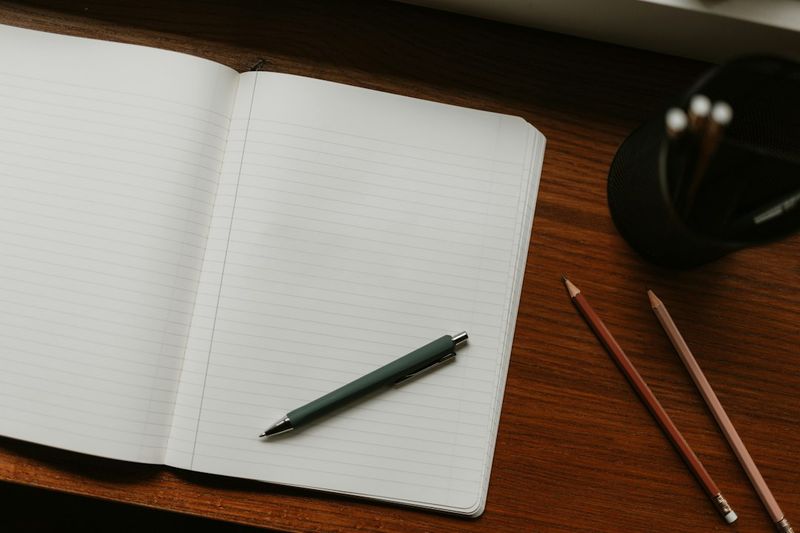
Every classroom has a pen cup, and every pen in it is either borrowed, dying, or both. The fix isn’t a nicer pen for your desk — it’s one pen you keep on your body, so grading a quiz in the hallway or signing a late slip at the copier doesn’t depend on finding a working one. A Fisher Space Pen writes upside down, through a sweaty palm, and survives a backpack for years without leaking, which matters more than it sounds for something that lives in a pocket instead of a case.
If you’d rather post comments directly on student work without digging for a pencil, a fine-point gel pen in the 0.5mm range is the other common teacher pick — it survives a stack of 30 papers without the hand cramp a cheap ballpoint causes. Either way, the point is the same: one pen that’s actually yours, clipped somewhere you’ll remember, beats a cup of ten you’ll never trust.

A Pocket Notebook Beats Your Phone for Classroom Notes
Pulling out a phone to jot “call Mia’s parent” in the middle of a lesson reads as checking a text message to 25 kids watching you do it. A small pocket notebook doesn’t have that problem, and it’s faster to write in than unlocking a screen. Field Notes-style memo books fit a back pocket and are cheap enough to fill one per grading period without feeling precious about it.
The habit that actually works is keeping one running list per day — parent calls, supply reorders, the kid who needs a follow-up — instead of scattering notes across sticky pads that get thrown out with the desk clutter. At the end of the day you flip back through one page instead of hunting six different surfaces for what you meant to remember.
Keys, Badge, and the Case for a Dedicated Keychain
Most teachers end up carrying a classroom key, a supply closet or copier-room key, a car key, and a badge that opens exterior doors — four objects that, left loose, end up as a fistful of jangling metal or lost entirely in a bag. A compact keychain with a secure clip solves the actual problem, which isn’t “I need a cooler keychain,” it’s “I need to find my car key in under three seconds while holding a stack of graded tests.”

A carabiner-style clip that attaches to a bag strap or belt loop keeps everything in one spot and audibly announces itself if it starts to slide off — a small thing, but it’s the difference between noticing a lost key in the hallway versus discovering it’s gone after the building’s locked for the night.
The Slim-Wallet Case for Teachers Who Don’t Always Carry a Bag
Not every day includes a tote bag — some mornings it’s a coffee, a laptop bag left in the car, and whatever fits in your pockets. That’s exactly the scenario a slim card-holder wallet is built for: a school ID, one or two payment cards, and enough cash for the vending machine, in something that doesn’t print a brick-shaped outline through your pants all day.
A bifold with a full stack of loyalty cards and old receipts is the wrong tool here, not because bifolds are bad, but because a classroom doesn’t give you the idle moments to dig through one. The things you actually reach for during a school day — ID badge, lunch card, one credit card — fit a slim wallet with room to spare, and that’s the whole argument for carrying one on teaching days specifically, even if your weekend wallet is bigger.
A Watch You Can Read Mid-Lecture Without Reaching for Your Phone
Checking a phone for the time in front of a class reads as checking a phone, full stop — kids clock it instantly and it undercuts the “put your phones away” rule you’re trying to enforce. A simple analog or basic digital watch under $150 solves this without you thinking about it: a glance at your wrist mid-sentence tells you there’s four minutes left before the bell, no explanation needed.
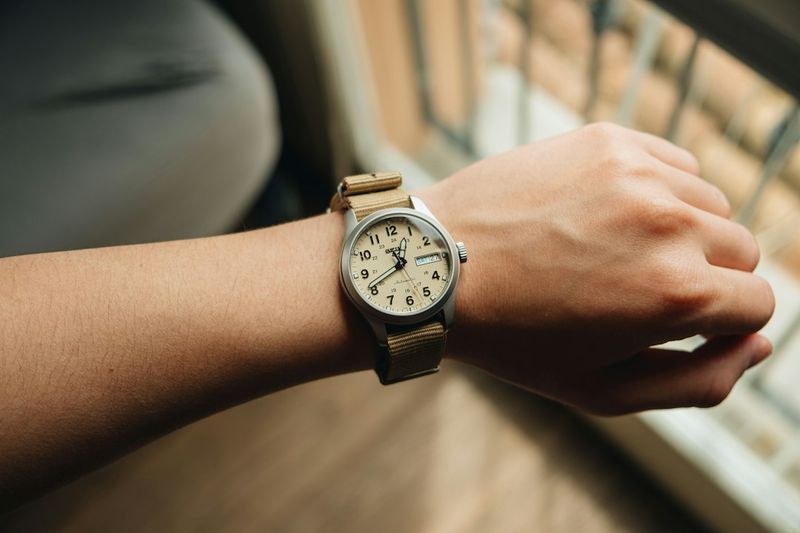
Durability matters more than style here. Chalk dust, hand sanitizer, and the occasional whiteboard marker cap all end up on a teacher’s wrist, so a watch with a scratch-resistant crystal and a basic water rating holds up better than something you’re babying all day. This isn’t a dress-watch decision — it’s a tool decision, the same as picking a pen that won’t leak.
The One Desk-Drawer Tool Worth Keeping
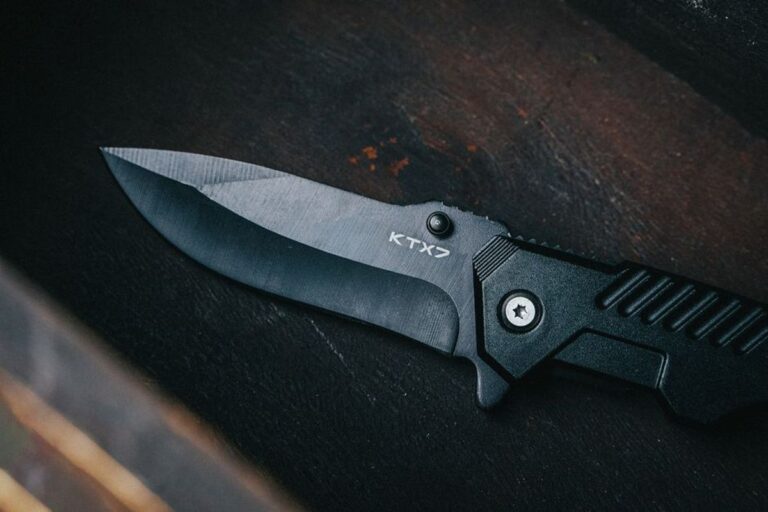
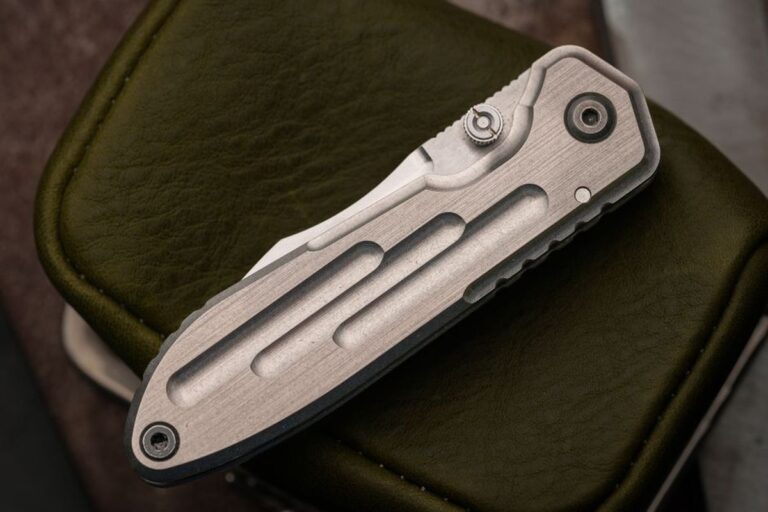
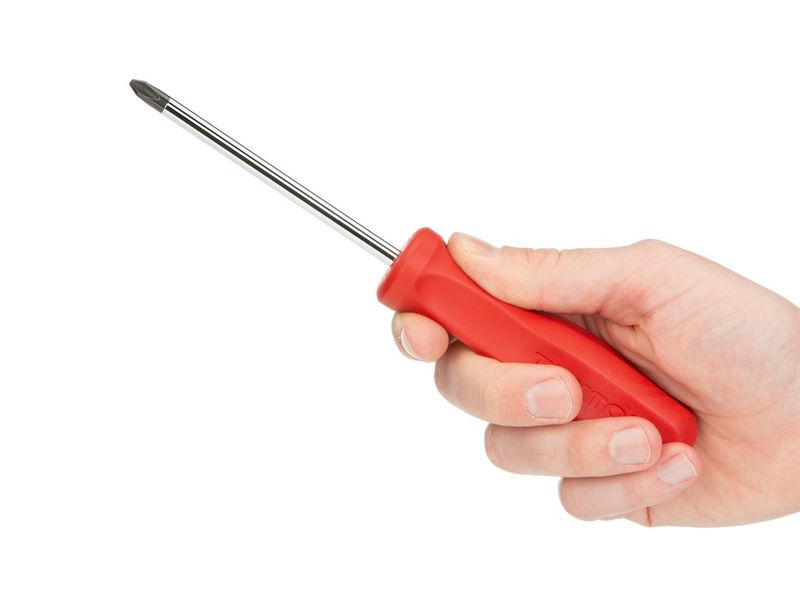
A full-size multitool has no business in a classroom, and most schools’ weapon policies agree — anything with an exposed blade is the wrong call for a building full of kids. But a small desk-drawer tool, the kind with a stubby flathead, a bottle opener, and a tiny pair of built-in scissors and nothing resembling a knife, earns its space fast: opening a jammed supply box, tightening a wobbly desk screw, or trimming a loose thread on a classroom display.
Keep it in a drawer, not a pocket — this is the one item on this list that belongs at your desk, not on your body, both for school-policy reasons and because you genuinely only need it a few times a month. The goal isn’t “carry more tools,” it’s “have the one tool that saves you a trip to the front office” when something small breaks mid-lesson.
Putting It Together: The Full Teacher EDC Kit
None of this is about buying more gear — it’s about replacing the stuff that fails you (the dying pen, the forgotten sticky note, the fistful of loose keys) with the smaller number of things that actually hold up to six hours of teaching. A pen you trust, a notebook you’ll actually open, a keychain that clips somewhere specific, a slim wallet for no-bag days, and a watch you can read without looking like you’re on your phone — that’s the whole kit, and it fits in a pocket with room left over.
Start with whichever one item on this list is currently failing you — for most teachers it’s the pen or the keys — and fix that first. The rest tends to follow once you notice how much smoother one deliberate choice makes the rest of the day.
What Changes on Testing Days and Field Trips
A standardized testing day strips most of this kit down to almost nothing — phones get locked away, bags often stay at the front of the room, and you’re left with whatever’s actually on your body. This is exactly when a pen that writes on the first try and a watch you can glance at without reaching for anything earn their keep; proctoring instructions are built around exact minute counts, and digging through a bag for a phone to check the time mid-test is its own small disruption.
Field trips flip the problem the other direction — now you need the keychain and wallet doing double duty as the thing that holds a hotel key card, a backup twenty for an emergency, and the one notebook page with twenty-five kids’ allergy notes written where you can actually find them. The habit that holds up on these days isn’t a different kit, it’s the same five items, just worn on your body instead of left in a desk drawer, because a bus aisle doesn’t give you a desk to leave anything in.
FAQ
What’s the single most useful EDC item for a teacher?
A reliable pen you keep on your body, not in a classroom cup. It’s the item teachers reach for most often during a school day, and a dying or missing pen causes more small friction than any other gear gap.
Is a pocket knife or multitool appropriate for teachers to carry at school?
No — most school weapon policies prohibit anything with an exposed blade on campus, even a small folding knife. A blade-free desk tool (flathead, bottle opener, built-in scissors) kept in a drawer covers the rare need without violating policy.
Should teachers carry a bifold or a slim card-holder wallet?
A slim card-holder fits better on teaching days specifically, since you only need an ID badge, one or two cards, and some cash — not the full stack of loyalty cards and receipts a bifold accumulates.
Why carry a watch instead of just checking a phone for the time?
Checking a phone in front of a class reads as checking a phone, which undercuts any no-phones classroom rule. A watch gives you the same information with a glance that doesn’t require an explanation.