Sling Bag vs Backpack: Which Actually Wins for Daily EDC
Stand at any downtown crosswalk during a morning commute and you’ll see the split: half the bags are slung diagonally across one shoulder, the other half are strapped on with two. Neither crowd is wrong. The sling bag vs backpack decision isn’t about which format is objectively better — it’s about what’s actually in your pockets by 5 PM. A barista grabbing a phone forty times a shift needs different access than someone hauling a 15-inch laptop between meetings. This guide breaks down where each format actually wins, using the same carry categories you’d judge any piece of daily gear by: capacity, access speed, comfort, and security.

Capacity: What Each Bag Actually Holds
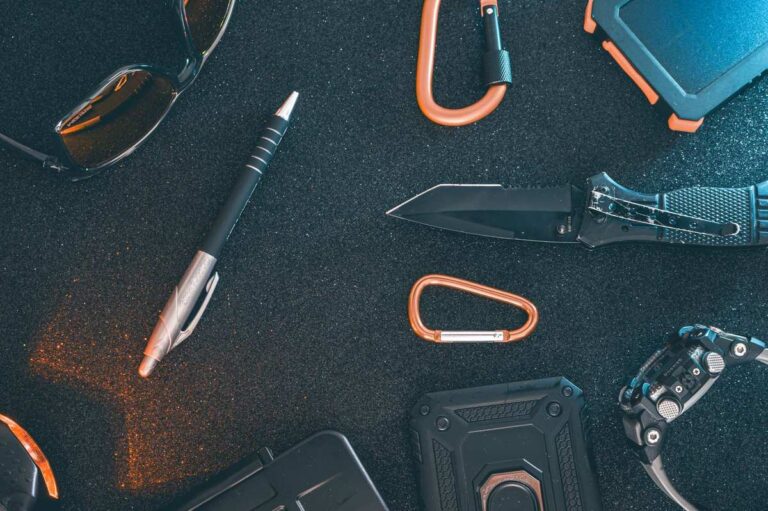
A sling bag’s main compartment typically runs 2-5 liters — enough for a phone, a slim wallet, keys, a multitool, and maybe a paperback or a thin tablet. That’s the entire ceiling. Push past it and you’re forcing zippers or leaving the flap unbuckled, which defeats the point of a bag that’s supposed to sit close and secure.
A backpack starts where the sling tops out. Even a compact daily backpack runs 15-20 liters, enough for a 13-15 inch laptop, a charger, a water bottle, a lunch, and a change of clothes without anything touching bottom. If your actual EDC sling bag loadout already includes a laptop, you’ve outgrown the category — you’re carrying a backpack’s job in a sling’s body, and it shows in how the bag sits.

The honest test: lay out everything you carried yesterday. If it fits in two cupped hands, a sling bag has room to spare. If it needed a second trip to the car, you need two shoulders, not one.
Access Speed: Why Sling Bags Win the Grab-and-Go Test
This is the category sling bags were built around. Swing the bag from your back to your front, unzip, grab, done — the whole motion takes under three seconds and never requires taking the bag off. For a delivery driver checking a phone at every stop or a parent digging for a wipe one-handed, that speed difference compounds dozens of times a day.
A backpack makes you stop. Most body-worn backpacks only open from the back panel or require sliding both straps off to swing it around front — doable, but it’s a 10-15 second interruption, and it usually means setting something down or using both hands. Side-access backpacks exist and narrow the gap, but they still can’t match a bag that’s already riding at chest or hip height.
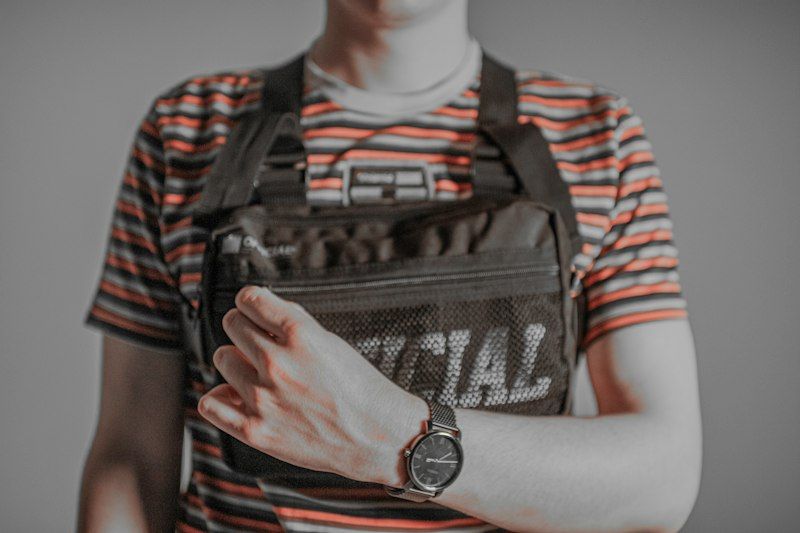
If your day involves frequent micro-interactions with your gear — tapping a transit card, answering calls, handing over ID — the sling’s speed advantage isn’t a nice-to-have. It’s the entire reason the format exists.
Weight Distribution and Comfort Over a Full Day
Here’s where sling bags lose ground fast once the load creeps up. A backpack’s two straps split weight across both shoulders and, with a sternum strap or hip belt, down into your hips. A sling puts all of it on one shoulder and diagonally across one side of your spine. Research on single-strap carry has linked the imbalance to real strain — muscle activity across the shoulder and neck on the loaded side has been measured at roughly three times higher than with weight worn evenly, and chiropractors generally recommend keeping any single-strap load under about 10-15% of body weight before switching to something that distributes the load (source).
For a 180-pound adult, that’s roughly an 18-27 pound ceiling before a sling starts working against you — but in practice, most people feel the pull much earlier, somewhere around 6-8 pounds, especially worn for eight-plus hours. A backpack doesn’t have that ceiling in any practical daily-carry sense; it’s built for sustained weight.
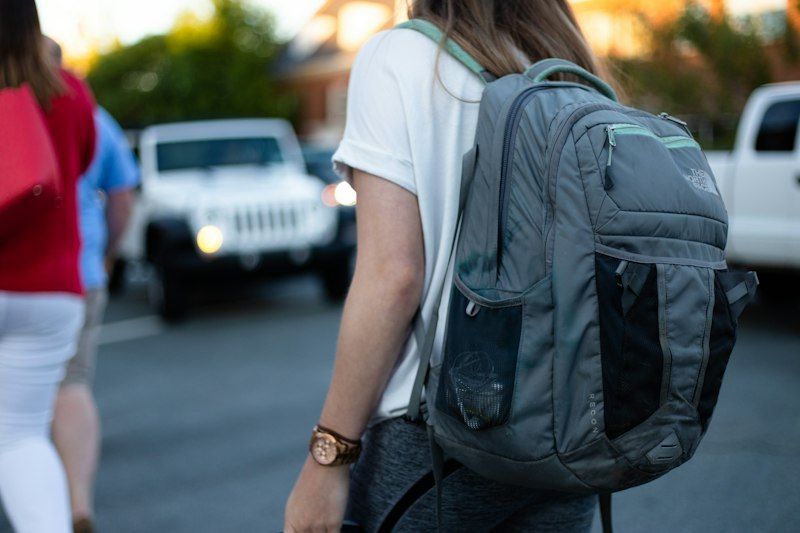
If you switch shoulders throughout the day, a light sling load is a non-issue. If you forget it’s there and it sits on the same shoulder for eight hours straight, that’s when the neck tightness and dull ache show up by week two.
Security and Visibility on the Street
A sling worn crossbody, bag in front, has a real security edge in dense foot traffic. Personal-safety guidance consistently points to the same thing: a crossbody strap is harder to snatch than a loose shoulder bag because the strap sits diagonally across your torso, and keeping the bag itself in front, in your eyeline, removes the “reach in from behind” opportunity entirely (source).

Backpacks sit outside your field of view by design, which is exactly why “someone could be unzipping it right now and I’d never know” is the standard pickpocket complaint about them on crowded transit. It’s a small risk in most daily contexts, but it’s a real difference between the two formats — not a myth either side invented to win the argument.
Heat, Sweat, and Climate
A backpack covers your entire back, which means a sweaty shirt by the time you reach the office on a humid commute — a real complaint, not a minor one, on any route longer than fifteen minutes in warm weather. A sling bag covers a narrow strip of your side and front, leaving your back fully ventilated.
In genuinely cold weather this reverses slightly — a backpack’s coverage adds a thin layer of insulation, while a sling bag’s single strap can dig into a thick winter coat and slide around on slick fabric. Neither format solves climate on its own, but if you’re commuting on foot or by bike through hot months, the sling’s open-back design is the more comfortable choice by a wide margin.
Where a Backpack Still Wins
None of this makes sling bags the universal answer. A backpack wins outright for anyone carrying real work weight: a laptop and charger, a change of shoes, a packed lunch, or tools. It wins for bike commuters, because a sling bag swinging loose at speed is a genuine hazard, and most bike-friendly packs are built with that in mind. It also wins for anyone who needs two free hands for an extended stretch — construction, warehouse work, anything involving a ladder or a cart.
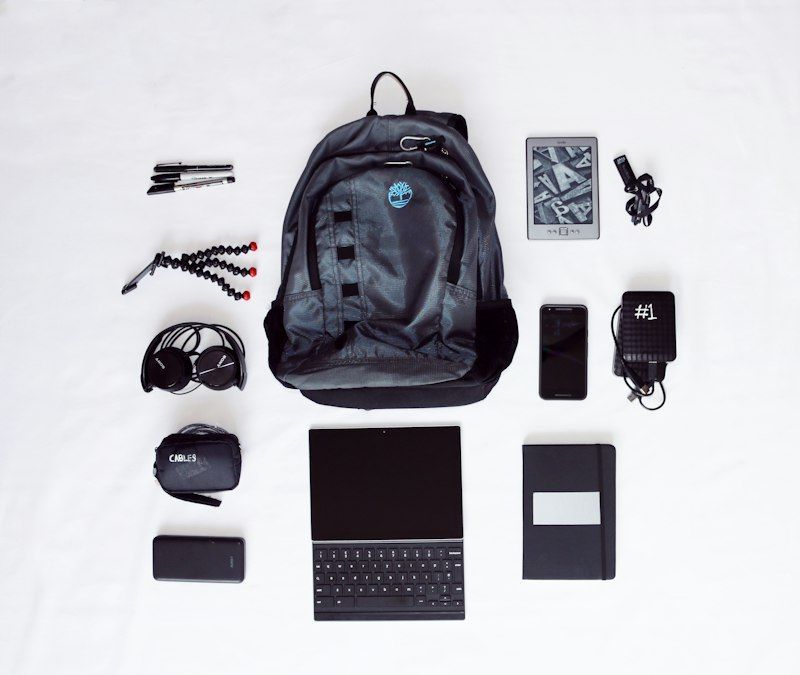
And a backpack simply ages better under heavy daily use. A 20-liter pack rated for a few thousand open-close cycles on its main zipper will usually outlast a sling bag carrying the same frequency of use, just because the hardware and stitching are built around sustained load from the start, not an add-on.
Which Should You Actually Carry
Run your own gear through this quick filter before you buy either one:
- Under 5 lbs, mostly phone/wallet/keys, lots of quick access moments → sling bag
- Laptop, charger, or anything past a 15-liter load → backpack
- Biking, warehouse work, or anything needing both hands free → backpack
- Hot-weather walking commute under 20 minutes → sling bag
- Dense crowds, transit, or areas with real pickpocket risk → sling bag, worn in front
- Carrying the same loadout 8+ hours a day, every day → backpack, for the shoulder break alone
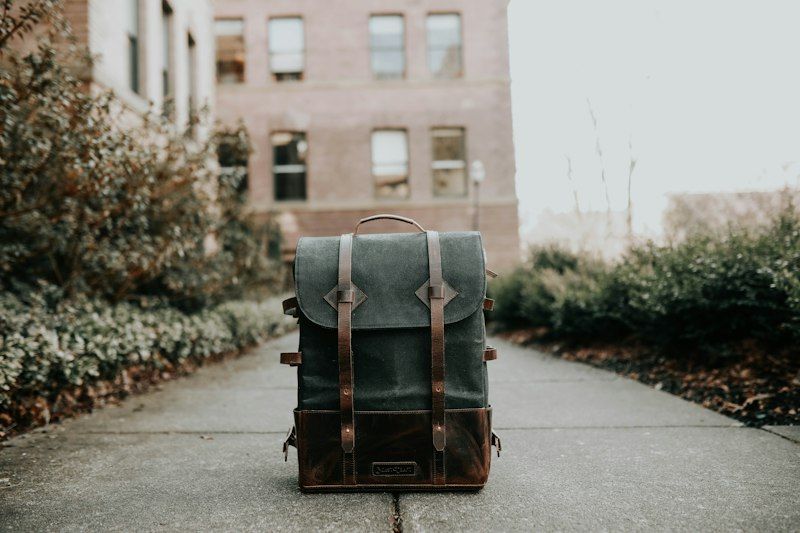
Plenty of people in genuinely minimalist carry end up owning both and picking per-day, the same way they’d pick a different wallet for a night out versus a workday. If you’re trying to cut your EDC down rather than expand it, start by weighing what you actually carried yesterday — that number decides this argument faster than any spec sheet.
Frequently Asked Questions
Can a sling bag replace a backpack for daily commuting?
Only if your commute load stays light — phone, wallet, keys, maybe a thin tablet. Once a laptop or lunch enters the mix, a sling bag’s single-strap design starts working against your shoulder and neck, and a backpack becomes the more practical choice.
Is a sling bag safer from theft than a backpack?
Worn crossbody with the bag positioned in front of your body, a sling bag is generally harder to snatch than a backpack, which sits outside your sightline and can be opened without you noticing in a crowd. Neither is theft-proof, but positioning matters more than the bag itself.
What’s the ideal weight limit for a sling bag?
Most people start feeling shoulder and neck strain somewhere around 6-8 pounds of sustained daily weight, well before the commonly cited 10-15% of body-weight ergonomic threshold. Keep a sling bag’s daily load under that and it stays comfortable for a full day.
Do sling bags work for carrying a laptop?
Some larger sling bags fit a thin 11-13 inch laptop or tablet, but it’s a tight fit and not what the format is built for. A dedicated backpack with a padded laptop sleeve protects the device better and distributes the added weight properly.
Sources
- Reform Physical Therapy — Heavy Bag Pain: How It Affects Your Spine
- Personal Safety School — Purse Snatching: How to Protect Yourself