Photographer EDC: 7 Shoot-Day Essentials
A street photographer in Portland lost four hours of a paid shoot last spring because a $9 off-brand SD card locked up mid-session with no warning. He had a second camera body in the bag. He did not have a second card. That’s the kind of failure that never shows up in a camera review, and it’s exactly what everyday-carry gear is supposed to prevent. The camera and lenses get all the attention and the budget — the seven things below are what actually save a shoot when the gear itself lets you down.
What a Photographer’s EDC Actually Covers
Camera bags get packed for the job. Photographer EDC is what rides in your actual pockets regardless of which bag you grabbed, or whether you grabbed one at all. It’s the stuff you’d still have on you if your camera bag got left in a cab.
In a Fstoppers reader poll, roughly 35% of photographers who responded said they’d had at least one SD card fail on them outright. That’s not a defective-batch problem — it’s a frequency high enough that “carry a backup” stops being optional advice and starts being basic shoot hygiene. The same logic applies to batteries, lens cleaning, and the half-dozen small fixes that come up on a working shoot and have nothing to do with the camera body itself.
A Second Battery, Carried Sealed Not Loose
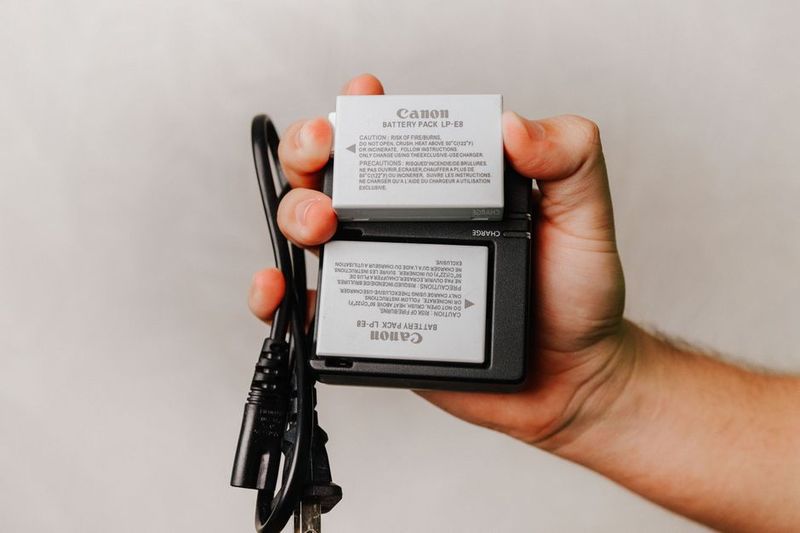
Cold cuts battery life faster than most photographers expect. According to camera-testing writeups at sansmirror.com, lithium-ion output can drop roughly 35% almost immediately once temperatures hit around -5°C — meaning a battery reading 80% can die in five minutes outdoors in winter. A manufacturer’s CIPA rating of 400-600 shots assumes room temperature and minimal screen use. Real shoots involve neither.
The fix isn’t a second camera body, it’s a second battery, and specifically one that isn’t rattling loose in the bottom of a bag next to keys and coins. Loose contacts short against metal and drain even when the camera’s off. Keep the spare in its own case or a dedicated pocket in a wallet — not floating free.
A Card Wallet, Not a Pocket Full of Loose Cards
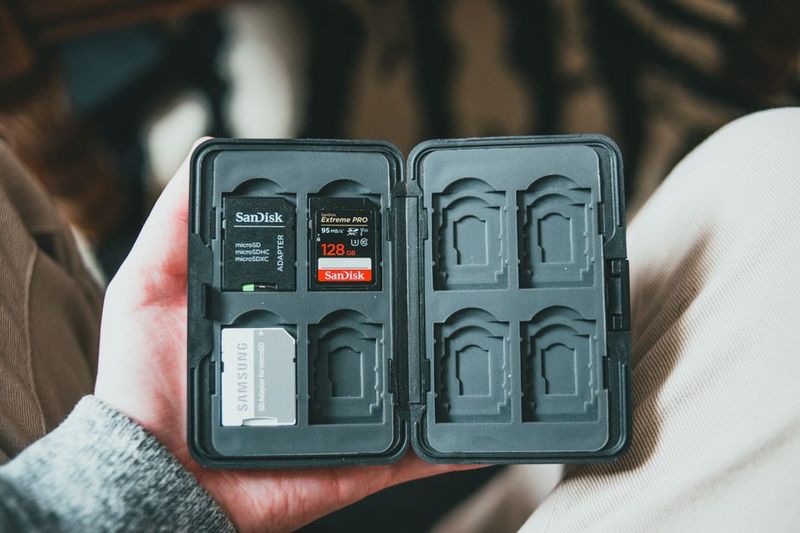
One photographer’s account on PetaPixel of losing a week’s worth of shoots to a single failed card is the exact scenario a hard-shell card wallet is built to prevent — not because the wallet stops failures, but because it keeps cards organized enough that you know which ones are full, which are blank, and which came off a shoot you haven’t backed up yet.
A loose SD card in a jeans pocket picks up lint, bends, and gets mixed in with cards from three shoots ago. A small hard case with labeled slots costs less than a cheap lens filter and removes an entire category of “wait, which card was that” mistakes. Carry at least two formatted spares beyond what’s in the camera — one is a backup, two is a buffer.
A Lens Cloth You Can Actually Reach
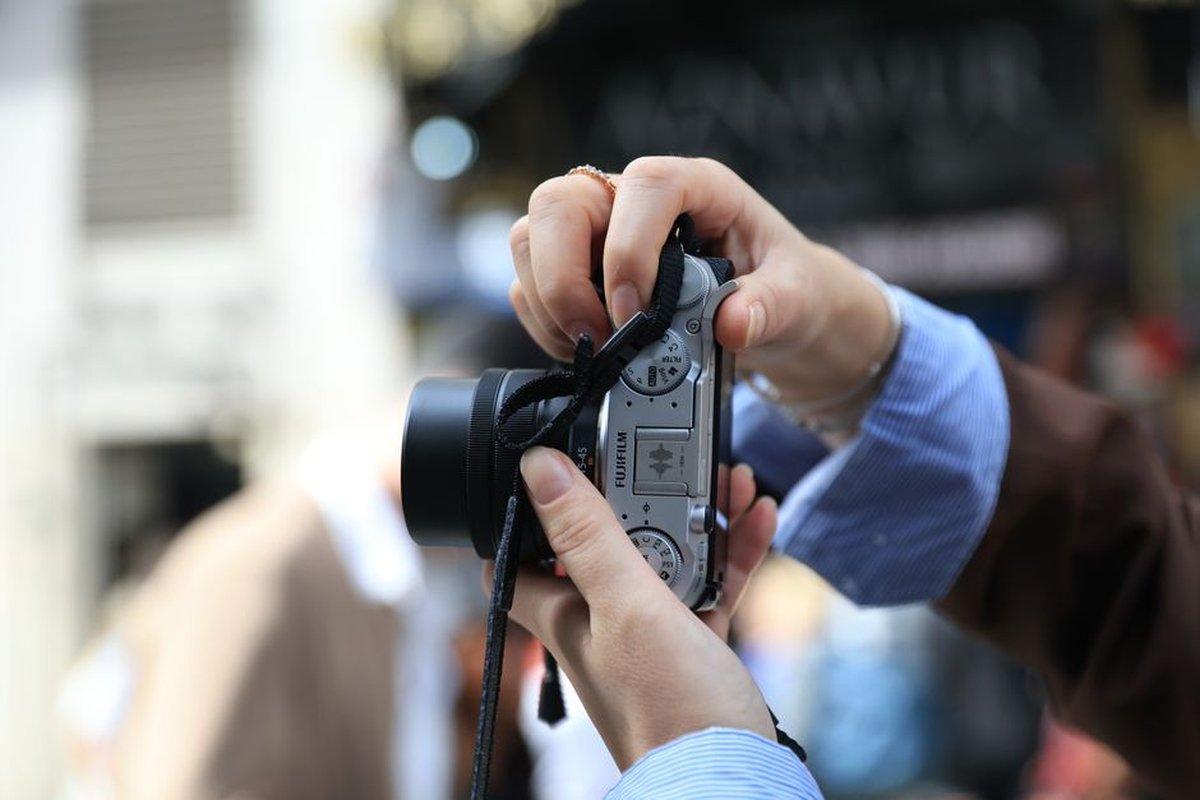
The lens cloth that’s folded inside a camera bag’s front zipper pocket might as well not exist when you’re standing in the rain with a smudged front element. Street photographers who shoot handheld all day need the cloth somewhere faster than “dig through the bag” — a shirt pocket, a jacket sleeve pocket, clipped to a keychain.
Pair it with a small rocket blower if you shoot in anything dusty. Wiping a dry lens with a dirty cloth just grinds grit into the coating; a two-second puff of air first prevents the scratch a cloth alone can cause. Neither item costs more than a cup of coffee, and both do more for image quality on a given day than almost anything else in this list.

A Pocket Multitool for Fixes a Camera Bag Doesn’t Cover
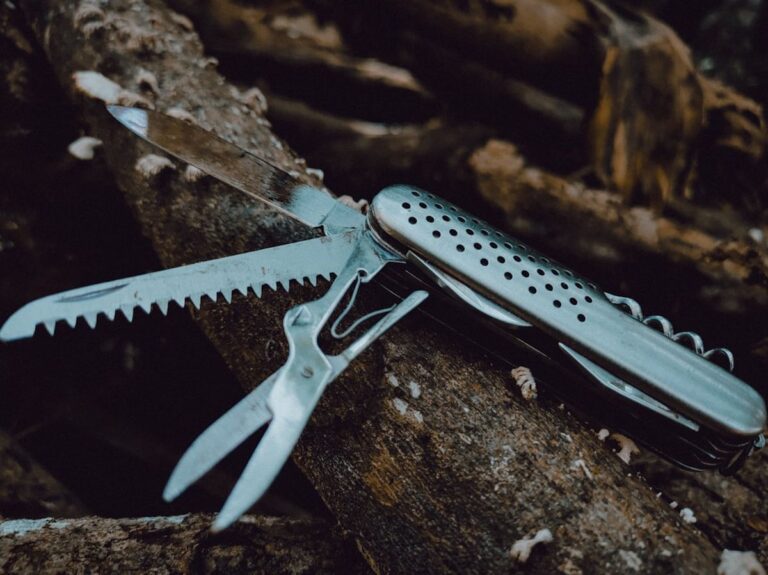
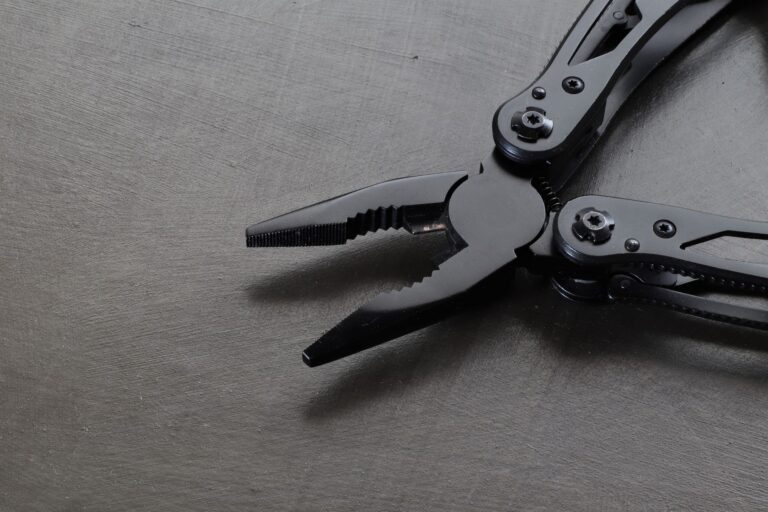
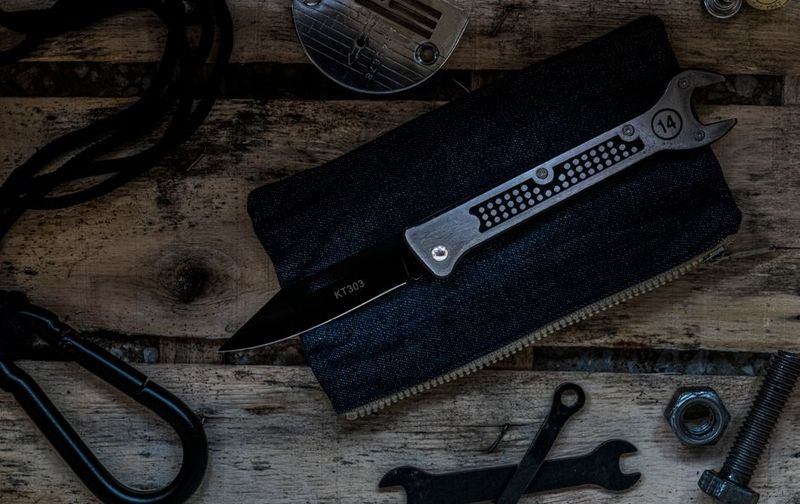
A tripod plate that’s worked loose, a strap lug screw that’s backed out, a hot shoe cover that snapped — none of these end a shoot on their own, but they’ll nag at you for hours if you can’t fix them on the spot. A compact pocket multitool with a small flathead and Phillips bit covers the vast majority of on-set camera hardware fixes without adding real weight to your pocket.
Skip anything bulky enough to need its own belt sheath. The point of a photographer’s multitool isn’t jobsite repair — it’s the thirty-second fix that keeps a shoot moving instead of ending fifteen minutes early because a plate wouldn’t seat right.
A Notebook for Shot Lists, Locations, and Releases
Phones are bad at this job even though everyone tries to use them for it. A phone screen under direct sun is nearly unreadable, and stopping to unlock a phone to check a shot list breaks the rhythm of a shoot in a way that glancing at a page clipped to your belt doesn’t. A small pocket notebook holds shot lists, model release signatures, and location notes without needing a charge or a signal.
Write the shot list the night before, not during the shoot. The notebook’s job on location is confirmation, not planning — a quick glance to check what’s left, not a brainstorm session while a subject waits.

A Power Bank for the Phone That Runs Everything Else
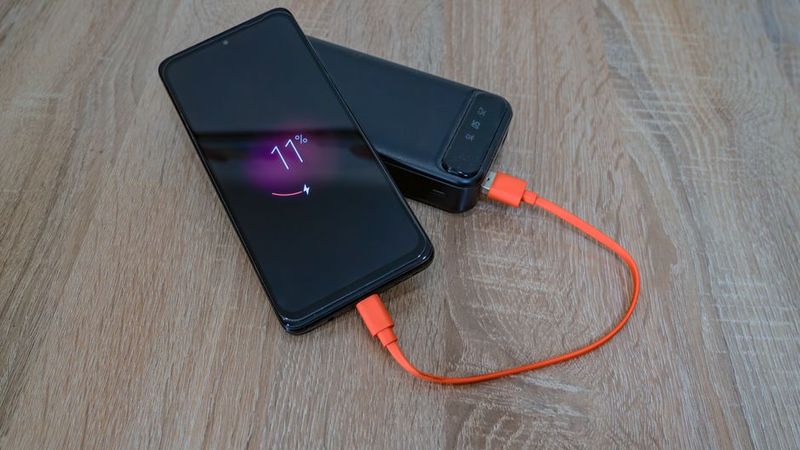
The camera isn’t usually what dies first on a long day — it’s the phone running location scouting, client texts, and the payment app you need at the end of the shoot. A pocket-sized power bank rated for at least one full phone charge solves the problem that actually derails most shoot days: a dead phone with no way to confirm the next location or answer a client at 4pm.
A slim 5,000-10,000mAh bank with a built-in cable beats a bulkier one you’ll leave at home. The best power bank is the one that’s actually in your pocket when the phone hits 8%, not the one with the biggest number on the box sitting in a drawer.
A Pocket Light for the Gap Between Golden Hour and Blue Hour
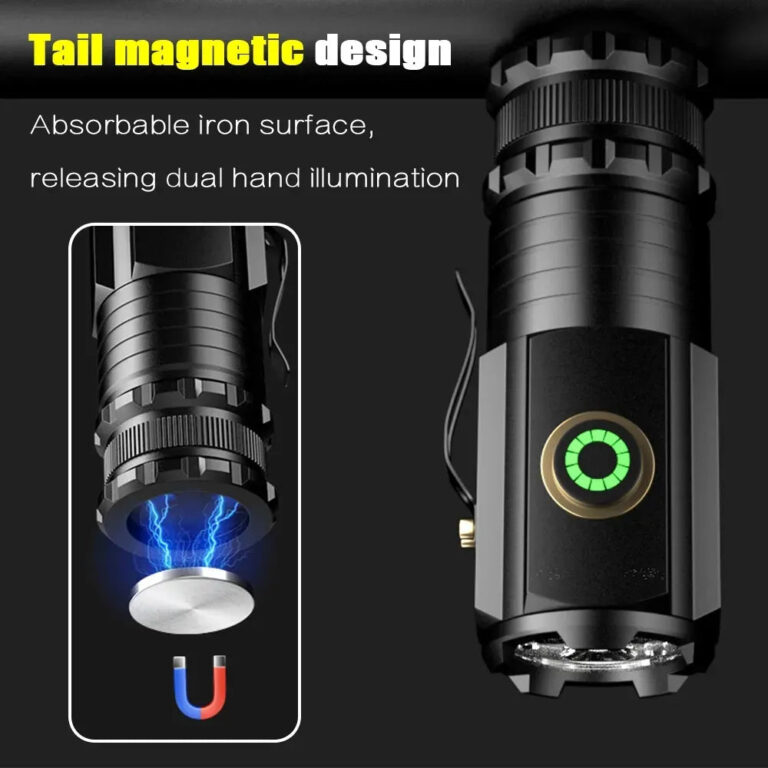
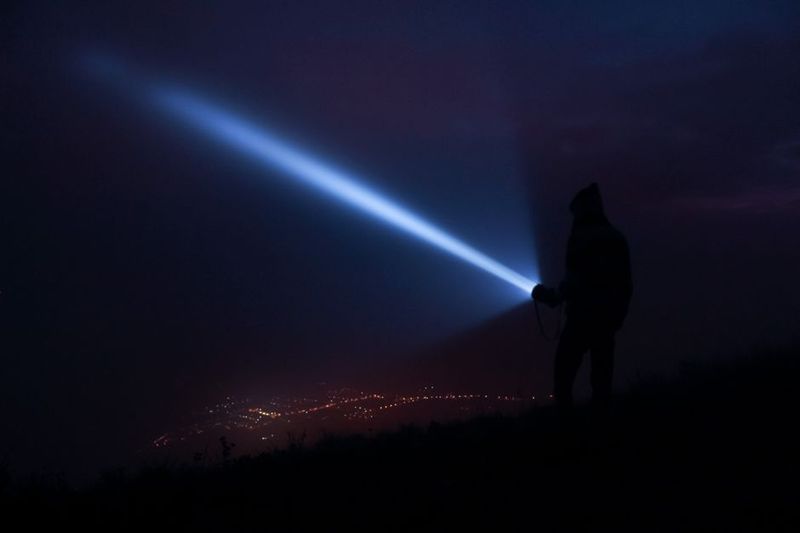
The light that makes a shot disappears faster than most people plan for, and the fifteen minutes after sunset when you’re packing gear, checking settings, or walking back to a car happen in near-dark. A small EDC flashlight — not a headlamp, not anything that screams “hiking gear” — covers reading dial markings, checking a card slot clicked shut, or just not tripping on a curb.
A single-cell light the size of a lipstick tube is enough. You’re not lighting a scene with it; you’re avoiding the ten minutes of fumbling in the dark that end most urban shoots once the sun’s actually down.
What to Leave in the Bag, Not the Pocket
There’s a version of this list that balloons into a second camera bag strapped to your body, and that version is wrong. A spare lens, a flash, a reflector — all useful, none of it belongs in your pockets. The test for pocket EDC is simple: does it fix a problem in under a minute, or does it require you to stop and set something down? If it’s the second one, it goes in the bag, not the jeans.
Most photographers overpack the bag and underpack the pockets, then wonder why a ninety-second fix turns into a five-minute dig through gear. Fix that balance first — it costs nothing and saves more shoots than any single piece of gear on this list.
FAQ
Do I really need two spare batteries, not just one?
One spare covers a normal day. A second one is cheap insurance against cold weather draining a charge faster than expected, or a longer shoot than planned. If you only carry one, keep it sealed in a case, not loose.
What size power bank is actually worth carrying daily?
A 5,000-10,000mAh bank is enough for a full phone charge without adding real pocket weight. Anything bigger usually ends up staying in a bag or at home instead of actually being carried.
Is a rocket blower really necessary if I already have a lens cloth?
If you shoot anywhere dusty or sandy, yes — wiping grit with a dry cloth can scratch a coating that a quick puff of air would have cleared safely. If you mostly shoot indoors or in clean environments, the cloth alone usually covers it.
Should the pocket notebook replace a phone notes app for shot lists?
Not replace — back up. A notebook works in direct sun, doesn’t need a charge, and survives being tossed in a bag between setups. Keep the plan in the phone the night before, then carry the notebook as the on-location reference.
Sources
- Fstoppers — How Often Do SD Cards Really Fail? — reader poll on memory card failure rates among working photographers
- PetaPixel — Lessons From Losing a Week of Photos to Memory Card Failure — first-person account of a card failure on a real shoot
- SansMirror — The Dreaded Battery Life of Mirrorless Cameras — CIPA rating methodology and cold-weather battery drain data