Firefighter EDC: 7 Off-Duty Essentials
Thirteen of the 83 U.S. firefighters who died on duty in 2025 were killed in vehicle crashes, the second-leading cause behind cardiac events, according to NFPA’s annual fatality report. That’s not a statistic most people think about when they picture firefighter gear, but it’s the reason the firefighter EDC community obsesses over seatbelt cutters and glass breakers before anything else. Off duty, you don’t have a rig full of tools thirty feet away. You have what’s in your pockets and your center console, and the first few minutes after a crash are the ones where a $20 tool matters more than anything in the truck.
What Goes In a Firefighter’s Off-Duty EDC Kit
A firefighter EDC kit built for off-duty life looks different from the gear carried on shift. On shift, the apparatus carries the heavy tools. Off duty, you’re building a kit that fits a pocket, a center console, or a small bag, and it has to cover three jobs: getting someone out of a wrecked car, patching a cut before EMS arrives, and doing the dozen small tasks that come up in a normal day. That means a cutting tool rated for seatbelts, a multitool with real pliers, a flashlight, a basic trauma kit, and a pocket knife that isn’t the same tool as the rescue cutter.
The firehouse forums are full of threads where firefighters compare kits, and the overlap is bigger than the differences. Almost everyone lands on the same five categories, they just argue about brand and price point. What rarely changes is the order of priority: cutting and extrication first, everything else after.
The Seatbelt Cutter Is the One Tool That Actually Gets Used
Ask an off-duty firefighter which single tool matters most and the answer is almost always the same: a seatbelt cutter and glass breaker combo, carried on a keychain or clipped inside a pocket. Vehicle crashes don’t wait for a shift to start, and a trapped seatbelt or a jammed door takes seconds to deal with when you’ve got the right tool and minutes to hours without it.
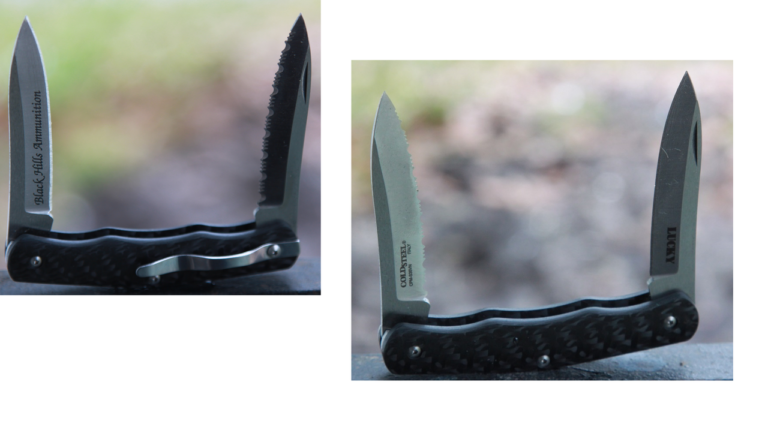
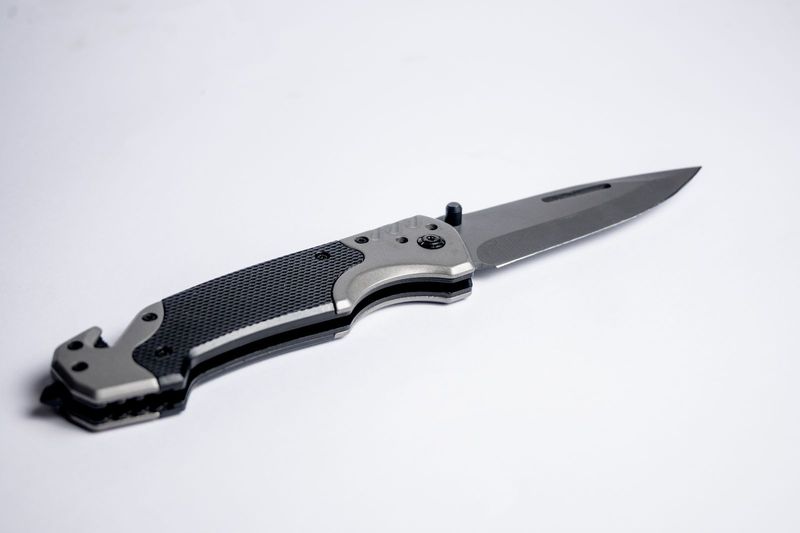
A folding knife with a built-in cutting hook or serrated section does double duty here. It handles routine box-cutting and package tasks all week, then becomes the tool you reach for first if you’re the person who stops at a wreck. The point isn’t to carry something that looks tactical. It’s to carry something that cuts webbing under tension without slipping, which rules out most cheap multi-tools and a lot of pocket knives that look the part.
A Multitool Built for Pliers Work, Not Just a Blade
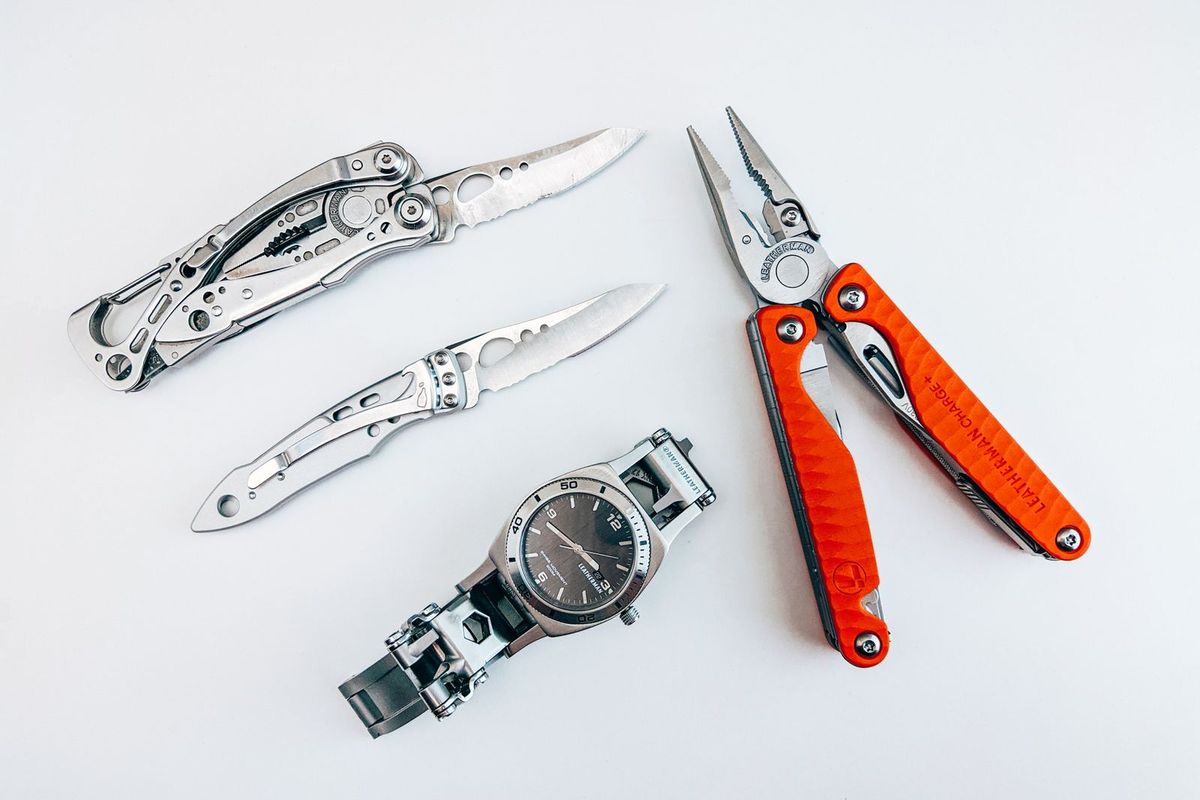
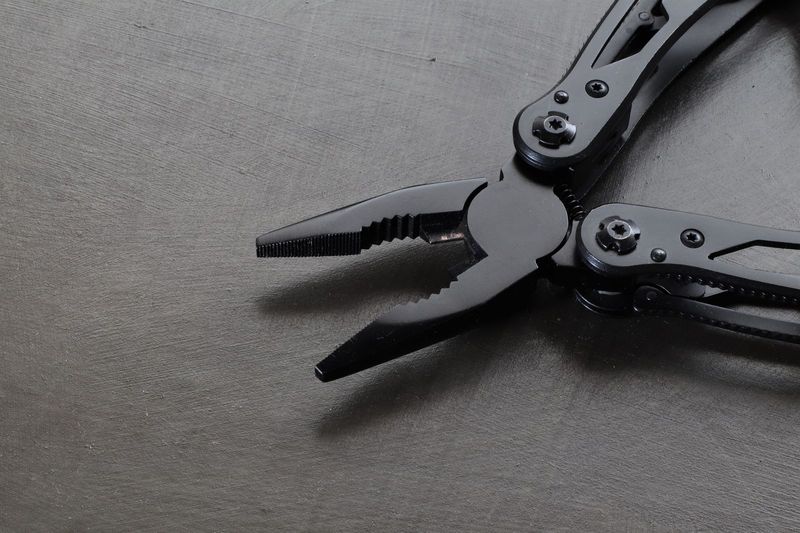
Firefighters lean toward full-size, plier-based multitools over the compact keychain versions most EDC guides recommend. The reasoning is practical: a plier-based multitool opens a jammed hose coupling, strips wire, and bends sheet metal, tasks a tiny keychain tool simply can’t do. The blade is almost an afterthought on these builds.
If you’re starting from scratch, our EDC multi-tool buying guide breaks down the frame types and price tiers in more detail, but the short version for this use case is: buy for the pliers, not the tool count. A 19-in-1 multitool with weak pliers is worse than a 7-in-1 with pliers that actually hold torque.
Off-Duty Flashlight: Skip the Proprietary Charging Dock
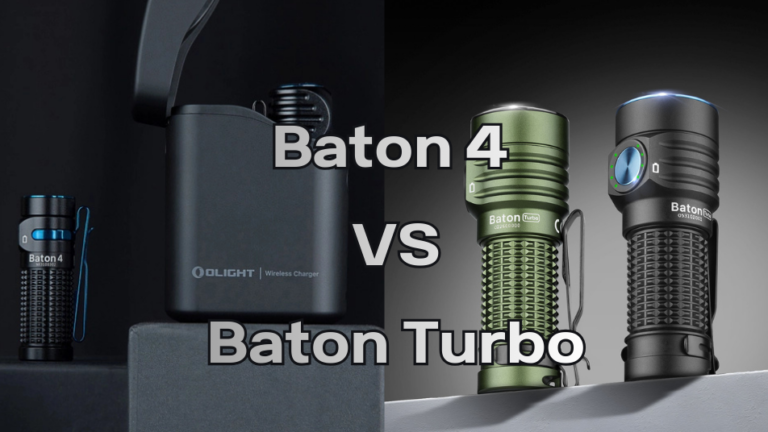
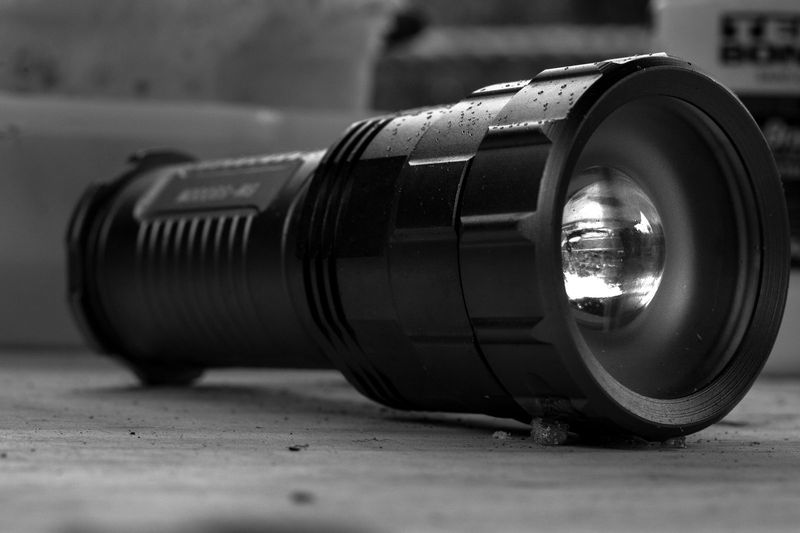
A lot of EDC flashlights ship built around a single rechargeable battery and a matching dock, which works fine until the dock isn’t where you left it. That’s part of why the Streamlight ProTac HL-X shows up so often in off-duty firefighter kits: it runs on a proprietary rechargeable pack when you want the extra output, but it also takes two standard CR123A lithium batteries, which means a dead light doesn’t mean a dead night.
Lumens matter less here than most buying guides suggest. What matters is that the light turns on with one hand, survives being dropped on concrete, and doesn’t strand you because you forgot a specific charger. Our flashlight versus headlamp breakdown covers the tradeoffs if you’re deciding between a handheld and a hands-free setup for your own kit.
How Much IFAK Is Too Much?
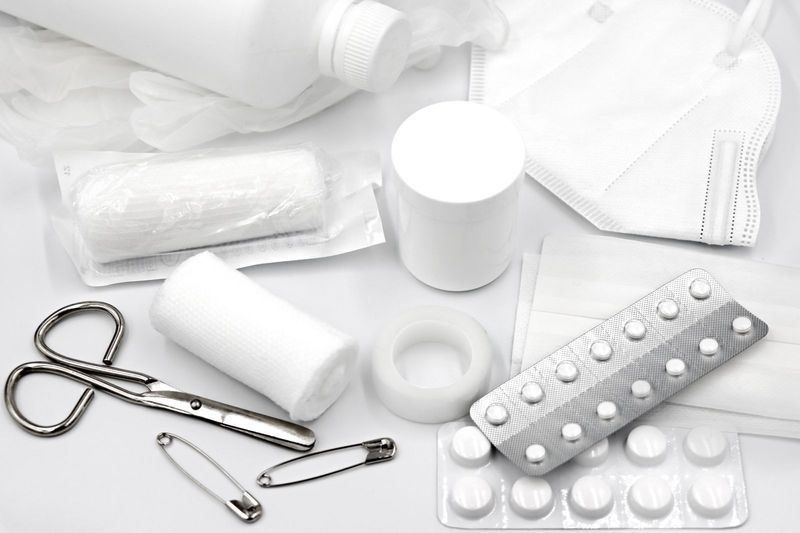
Firefighters are trained to treat trauma, so the instinct is to carry a full trauma kit everywhere, tourniquet, chest seal, and all. In practice, most off-duty kits settle on something smaller: gloves, a compact pressure dressing, trauma shears, and a few basic wound-care items that fit in a pocket pouch instead of a full IFAK pouch on a belt.
The honest answer to “how much is too much” is whatever you’ll actually carry every day. A full IFAK that stays in a drawer because it’s too bulky for daily pants pockets helps no one. A pared-down version that rides in your bag or car every single day is the one that’s there when it matters. Our EDC first aid kit guide has a packing list if you want a starting point.
The Everyday Pocket Knife, Separate From the Rescue Knife
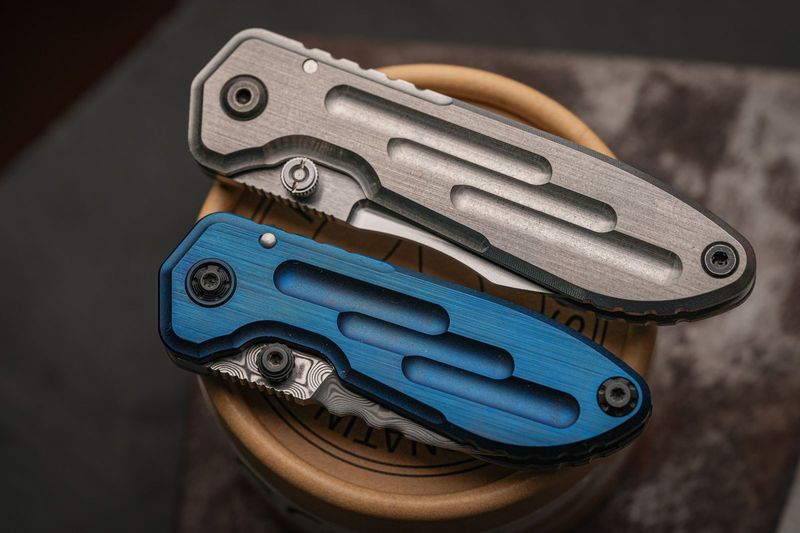
Most off-duty firefighters carry two blades, not one, and they’re not interchangeable. The rescue knife or seatbelt cutter lives where it’s fastest to reach and rarely gets used for anything else, so the edge stays sharp for the one job that matters. A second, ordinary folding knife handles the daily grind: opening boxes, cutting rope, trimming a loose thread.
Splitting the two jobs across two tools sounds like overkill until you’ve had a dull, sap-covered pocket knife on the one day you actually needed a clean cut through webbing. Keep the rescue tool dedicated and the everyday knife does everything else.
Should You Carry Your Badge or ID Off Duty?
This one splits opinion more than any other item on the list. Some departments actively discourage carrying a badge off duty, since flashing it in a dispute can create liability the department didn’t sign up for. Others issue a soft ID specifically for off-duty use, separate from the badge, so a firefighter can identify themselves as trained help at a crash scene without implying official authority.
What’s not up for debate is that a slim wallet with a clear ID slot beats a bulky badge case for daily carry. If you’re rebuilding your wallet around this, a cardholder-style wallet with one dedicated ID window is the simplest way to keep it accessible without adding bulk you’ll notice every time you sit down.

Building the Kit Without Turning Into a Duty Bag
The failure mode with firefighter EDC isn’t carrying too little, it’s carrying too much. A kit that tries to replicate the truck compartment in your pockets gets left at home within a month. The better approach: pick one tool per job, seatbelt cutter, multitool, light, basic trauma, everyday knife, and resist the urge to double up “just in case.”
If you want to see how a working firefighter actually lays this out day to day, this walkthrough is a useful reality check against the gear lists floating around online.
Pair that setup with the right profession-specific first aid approach and you’ve covered most of what comes up off duty. Our paramedic EDC essentials guide is worth a look too, since a lot of the trauma-kit tradeoffs overlap directly with what firefighters carry.
Frequently Asked Questions
What’s the single most important item in a firefighter’s off-duty EDC?
A seatbelt cutter and window punch combo, carried on a keychain or in a pocket. Vehicle crashes are the second-leading cause of on-duty firefighter deaths according to NFPA, and off duty you won’t have apparatus-mounted extrication tools within reach.
Should off-duty firefighters carry a full trauma kit?
Most don’t. A compact kit with gloves, a pressure dressing, and trauma shears gets carried daily because it fits in a pocket or small bag. A full IFAK with a tourniquet and chest seal usually ends up left in a drawer because it’s too bulky for daily pants pockets.
Is it a problem to carry a pocket knife as a firefighter?
No, as long as it complies with local knife laws where you live and work. Most off-duty firefighters carry two blades: a dedicated rescue knife or seatbelt cutter kept sharp for emergencies, and a separate everyday folding knife for routine tasks.
Why do off-duty firefighters prefer flashlights with CR123A batteries?
Because a light that only runs on a single proprietary rechargeable battery is useless the moment that battery dies and the charging dock isn’t around. A light that also accepts standard CR123A batteries can be reloaded from any hardware store or gas station in a pinch.
Sources
- NFPA, “Fatal Firefighter Injuries in the US in 2025” — annual report documenting 83 on-duty firefighter deaths in 2025, with vehicle crashes as the second-leading cause.
- Occupational Health & Safety, “NFPA Report: U.S. Firefighter On-Duty Deaths Rose to 83 in 2025” — coverage of the same NFPA fatality report with cause-of-death breakdown.
- Streamlight, ProTac HL-X Product Specifications — official specs confirming dual compatibility with rechargeable and CR123A lithium batteries.