
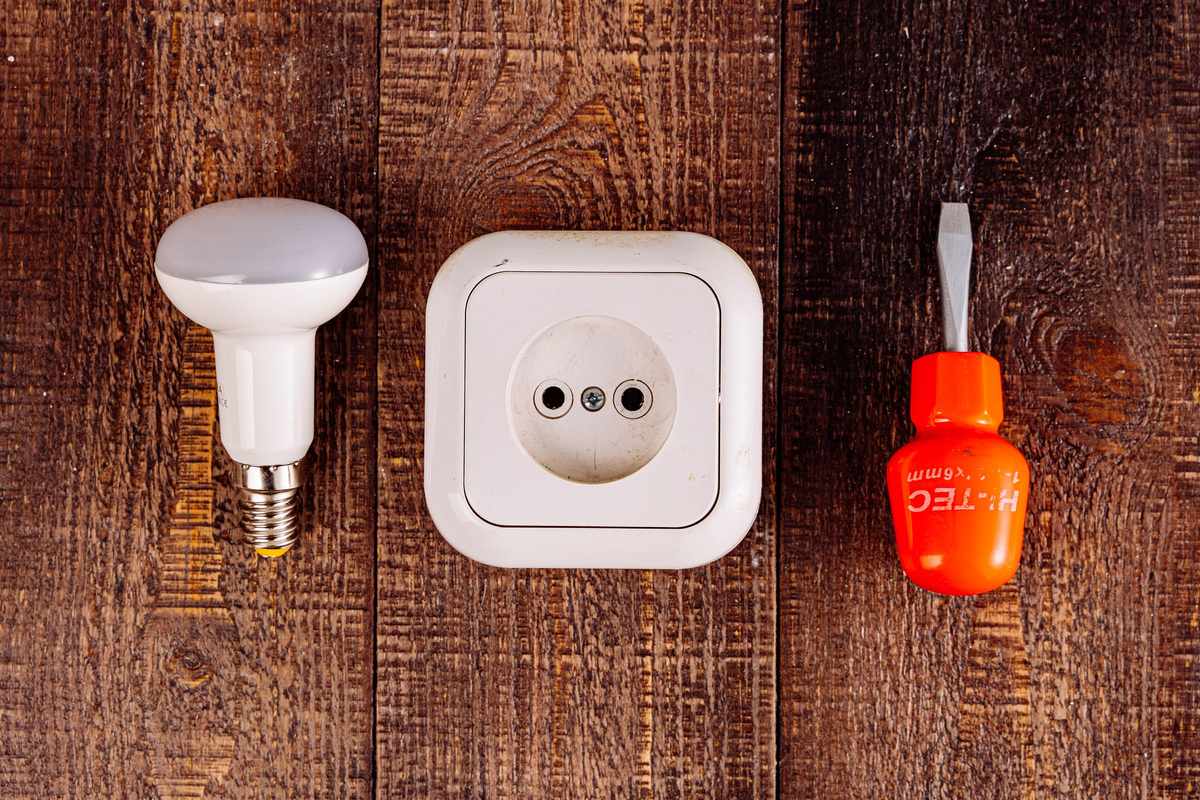
Electrician EDC: 7 Jobsite Essentials
From 2011 to 2015, 105 electricians died from electrocution on the job — more than any other construction occupation, according to CDC/NIOSH data on contract worker deaths. That number isn’t about rookies ignoring lockout-tagout. Most of it comes down to what’s actually in reach when a panel turns out to be live and nobody expected it. The full tool bag stays in the van or at the base of the ladder. What rides in your pockets and on your belt is a much shorter list, and it’s the list that decides whether you catch a mistake before it catches you.
The Non-Contact Voltage Tester That Never Leaves Your Pocket
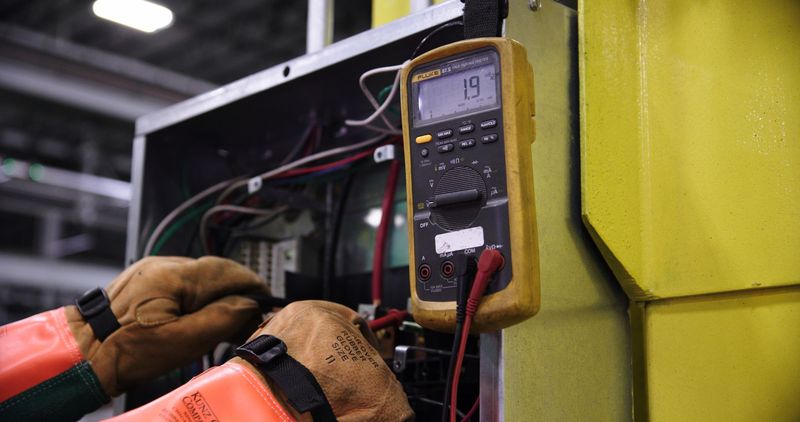
A non-contact voltage tester is the one tool that earns a permanent spot in a shirt pocket, not a pouch you have to dig through. Klein Tools’ NCVT-1, one of the most common models on job sites, detects 50 to 1000V AC and carries a CAT IV 1000V safety rating, which covers everything from a wall outlet to a service panel. You touch the tip near a wire, it lights up and beeps if there’s current, and you’ve just answered the only question that matters before you put a screwdriver anywhere near it.
The habit matters more than the tool. Electricians who’ve been doing this for twenty years still test a “dead” circuit before they touch it, because panels get mislabeled, breakers get swapped, and someone else’s “I turned it off” is not a safety plan. Keep the tester where your hand goes first, not buried under a multimeter you only pull out twice a day.
Cheap testers fail quietly, which is worse than carrying nothing at all. A unit with a weak low-battery warning will read a live wire as dead right up until it doesn’t, and you won’t know the difference until it’s too late. Swap the battery on a schedule instead of waiting for the tester to tell you it’s dying.
Insulated Screwdrivers You Actually Reach For
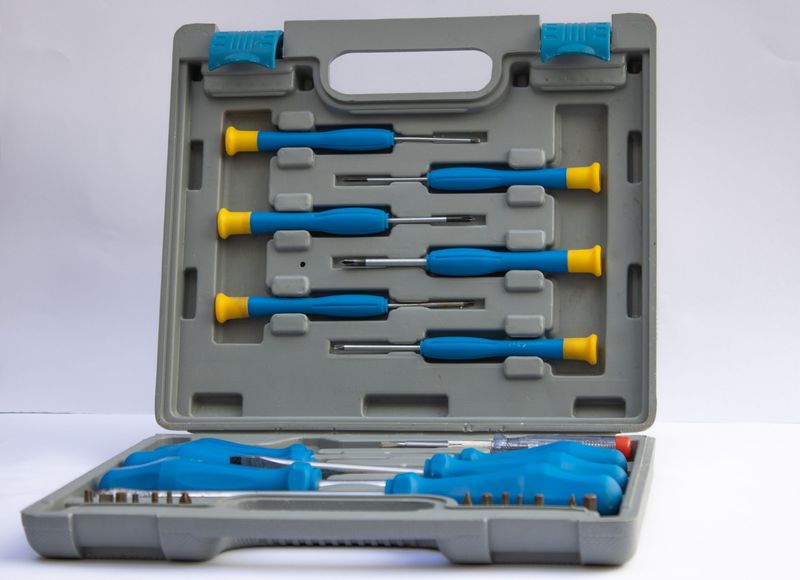
Most electricians carry three screwdrivers daily: a flathead, a Phillips, and a short trim screwdriver sized for switches and receptacle cover plates. Insulated handles aren’t a nice-to-have here — they’re rated to protect against incidental contact with live circuits, and on a jobsite where “verified dead” sometimes turns out to be wrong, that rating is the difference between a bad afternoon and a trip to the hospital.
A 9-in-1 multi-bit screwdriver covers the gaps between those three without adding bulk to a pouch. It’s not a replacement for a full insulated set in the tool bag — it’s the thing you grab for a quick service call where hauling the whole kit up a ladder isn’t worth it.
Lineman’s Pliers and Wire Strippers in One Reach
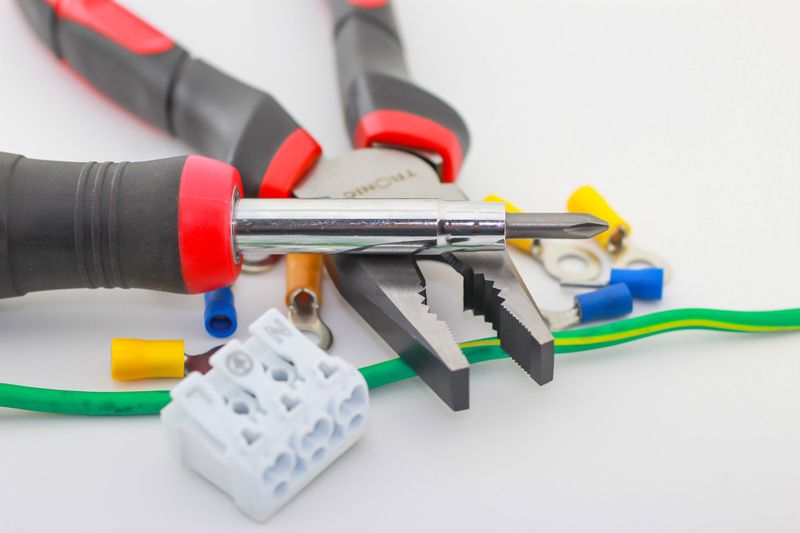
Lineman’s pliers are the single tool every working electrician carries, full stop. They cut, twist, and grip, and on a panel job you’ll use them more than every other tool in the pouch combined. Pair them with a dedicated wire stripper — insulated, sized for the gauges you actually run — and you’ve covered 80% of what shows up on a residential or light commercial call without opening the bag.
Buy the insulated version of both, even if it costs more. A bare pair of pliers that slips against something live doesn’t care how many years of experience you have.
Strippers wear out faster than most electricians admit. Dull jaws nick the copper instead of the insulation, and a nicked conductor is a weak point that fails months later, not on the day you made the cut. If the stripper is leaving marks on bare wire, it’s past time to replace it, not sharpen it.
A Pocket Flashlight for the Panels Nobody Lit Properly
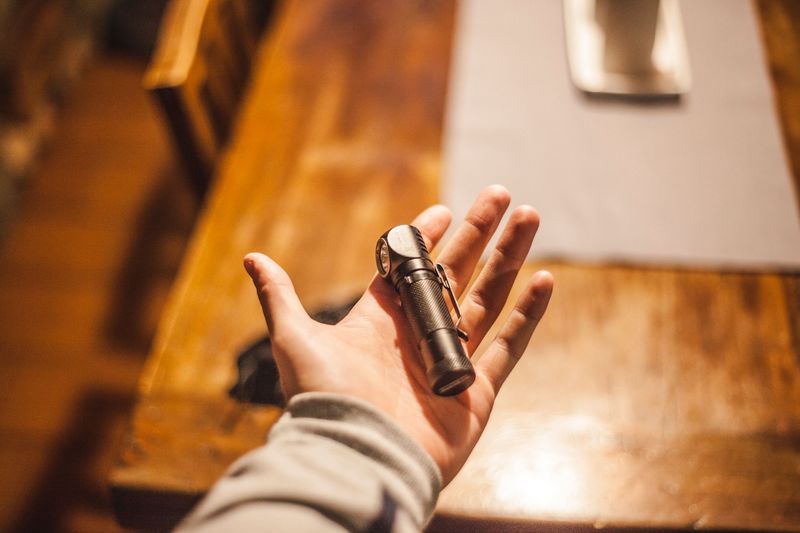
Attics, crawl spaces, and the back of a breaker panel share one thing in common: whoever wired the building didn’t think an electrician would need to see in there later. A small, pocket-clippable flashlight with at least 200 lumens handles most of it, and a headlamp earns its spot for anything that needs both hands.
How a light clips to your pocket decides whether it actually gets carried instead of left in the van — a deep pocket clip and a tail-cap bezel that won’t twist on in your pocket matter more than raw lumen count for daily carry. Skip anything that needs two hands to turn on.
A Folding Knife for Everything the Tool Bag Doesn’t Cover
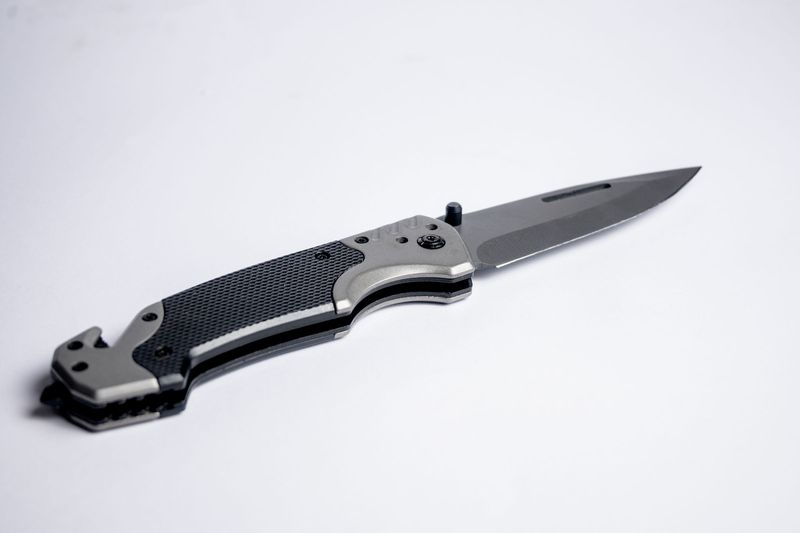
A folding knife handles the jobs too small to justify a dedicated tool: slitting cable jacket, trimming zip ties, opening a box of devices, scoring drywall to fish a wire. It’s not a replacement for a proper wire stripper on anything that needs a clean gauge-rated cut, but it’s faster for everything else.
If you’d rather carry fewer separate tools, a multi-tool with a locking blade and pliers can cover the knife and part of the lineman’s-pliers job in one pocket. It’s a tradeoff — slower to open, weaker grip on the pliers side — but it’s one less thing clipped to your belt.
A 3-inch blade covers nearly everything a residential or commercial electrician runs into day to day. Anything longer starts reading as a weapon to a property manager or a homeowner who doesn’t know you, and that’s a conversation worth avoiding on a job that’s supposed to be routine.
The Tool Pouch That Keeps the Belt From Fighting You

The pouch is where most EDC setups quietly fail. Too many pockets and you’re patting yourself down for the one tool you need; too few and the pliers end up loose in a side pocket, banging against your leg all day. A minimum workable setup is one compartment for pliers and strippers, one for screwdrivers and the voltage tester, and a slim pocket for the knife and marker.
This is the same tradeoff every trade EDC runs into — a construction worker’s jobsite loadout fights the exact same weight-versus-access problem, just with a different tool list. Buy a belt that distributes weight at the hip, not just a pouch that clips onto whatever you’re already wearing.
Leather lasts longer but breaks in slower; ballistic nylon is ready on day one and wears out around year two of daily use. Neither is wrong — it depends on whether you’d rather pay once or replace it every couple of years without a stiff adjustment period.
A Sharpie for Labeling the Panel Before You Walk Away

It’s the cheapest item on this list and the one most likely to get left in the van. A permanent marker takes thirty seconds to label a breaker correctly before you close the panel cover, and that thirty seconds is the difference between the next electrician trusting the panel schedule or testing every breaker from scratch because someone before them didn’t bother.
Keep it in the same pocket every time. A marker you have to search for doesn’t get used, and an unlabeled panel is exactly the kind of thing that turns into someone else’s “verified dead” mistake down the line.
Fine-point markers fade on painted metal faster than a standard tip. Spend the extra dollar on a marker rated for the surface you’re actually labeling, and the panel schedule still reads clean a year later instead of turning into a guessing game for whoever opens it next.
Frequently Asked Questions
Do electricians need a multimeter in their EDC, or is a voltage tester enough?
A non-contact tester answers “is this live” in two seconds, which covers most daily checks. A multimeter answers “how much voltage, current, or resistance” and belongs in the bag for diagnostic work, not the daily pocket carry.
What’s the best pocket flashlight for electrical work?
Look for a deep pocket clip, a tail-cap that won’t switch on by accident in your pocket, and at least 200 lumens. A dedicated headlamp is worth adding for panel and crawl-space work that needs both hands free.
Can electricians carry a pocket knife on commercial job sites?
Most commercial and residential sites allow a standard folding knife under 4 inches for work use. Government buildings, schools, and some high-security commercial sites restrict or ban them — check the site’s policy before you show up with one clipped to your pocket.
How many tools should actually live in an EDC pouch versus the full tool bag?
Seven to nine, based on what this list covers. Anything used less than once a day — specialty bits, a full multimeter, conduit benders — belongs in the bag, not the pouch you’re wearing all shift.
Sources
- CDC/NIOSH — Preventing Electrocution of Construction Contract Workers — electrician electrocution fatality data, 2011–2015
- Klein Tools — NCVT-1 Non-Contact Voltage Tester specifications — voltage detection range and safety rating
- Electrical Contractor Magazine — An Electrician’s Everyday Tools — daily tool loadout reference