Paramedic EDC: 7 Essentials for Every Shift
A 911 call doesn’t wait for you to dig through a bag. One Phoenix medic I spoke with put it plainly: on a cardiac arrest, the first 90 seconds decide the call, and that’s not enough time to pat down four pockets looking for shears. Paramedic EDC isn’t about gadgets — it’s about five or six items staged the same way, in the same pocket, every single shift, so your hands find them without your eyes checking first.
Paramedic EDC: The Core Loadout
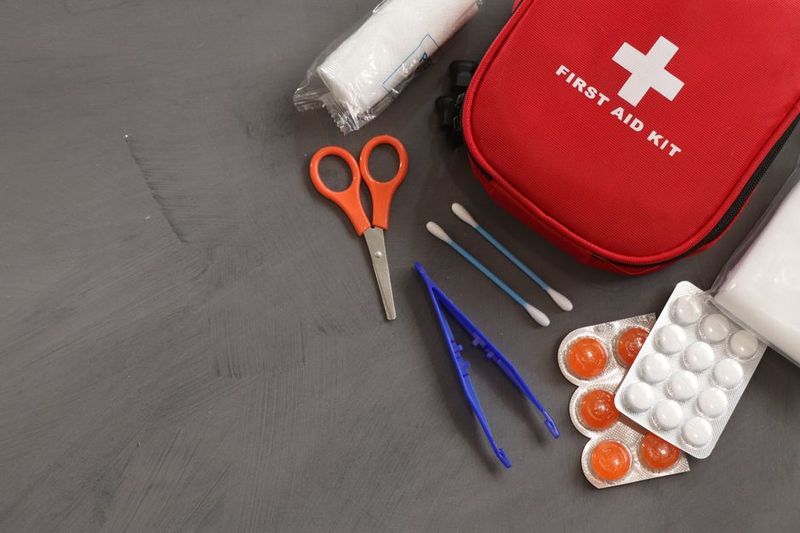
Most working medics settle on the same rotation after a year or two on the truck, not because a manual told them to, but because everything else proved itself useless mid-call. The core kit is small on purpose: trauma shears, 2–3 pairs of nitrile gloves, a penlight, a pen with a backup pen, a small notepad, and a staged tourniquet. That’s it. Everything beyond that list is optional weight.
What separates a working loadout from a cluttered one is redundancy on the items that fail at the worst time. Pens run dry mid-report. Gloves tear on a scene with broken glass. That’s why two pens and three glove pairs beats one of each — not because more is better, but because the failure mode of “zero” is unacceptable on an active call.
- Trauma shears (brightly colored, so they don’t vanish in a bag)
- 2–3 pairs of nitrile gloves, staged in a cargo pocket, not just the rig
- Compact penlight for pupil checks and poor-light assessments
- Pen plus backup pen, permanent marker for triage tagging
- Small spiral notepad for vitals and times
- One staged tourniquet, pre-threaded if your service allows it
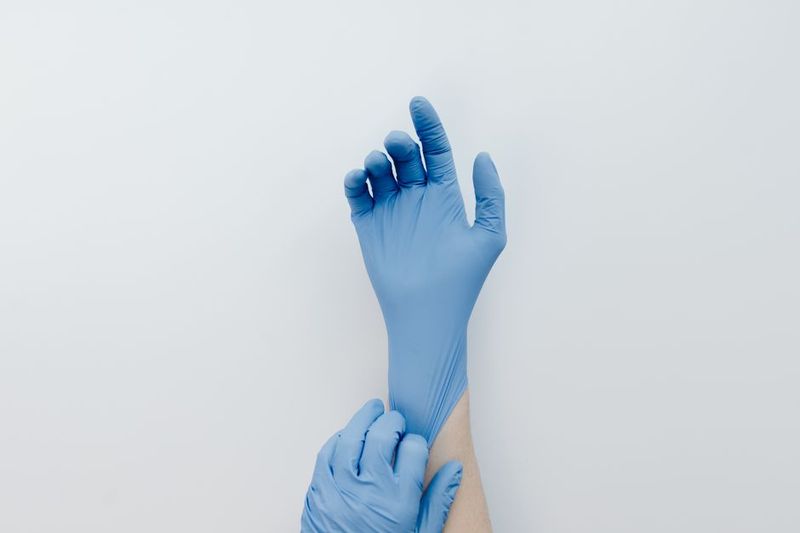
Gloves deserve a specific word here because they’re the item medics run out of fastest and restock last. OSHA’s bloodborne pathogen standard is the reason gloves go on before you touch a patient, not after you realize you need them — and torn or missing gloves mid-call means stopping to find a new pair while a scene doesn’t wait. Stash a pair in your cargo pocket, your shirt pocket, and your bag. The rig’s glove box runs empty exactly when a shift gets busy enough that nobody restocked it.
Trauma Shears Aren’t Optional Gear
Ask any medic with five years in and they’ll tell you the same thing: trauma shears get used more than anything else they carry, including the stethoscope. Cutting through a seatbelt, a boot, three layers of winter clothing on a hypothermic patient — shears do the job a pocket knife can’t do safely on a person. A dull or missing pair costs you seconds you don’t have on a trauma call.
Buy a pair with a blunt tip, not a pointed one. The blunt tip is what lets you slide the blade under fabric against skin without adding a second injury. Fiskars and Leatherman Raptor are the two names that keep coming up in EMS gear surveys, and the Raptor’s strap cutter and ring cutter add real function — but a $6 pair of orange-handled EMT shears from a uniform shop does the same cutting job for a tenth of the price. Replace them when the pivot loosens, not on a schedule.
The Multitool and Pocket Knife Question
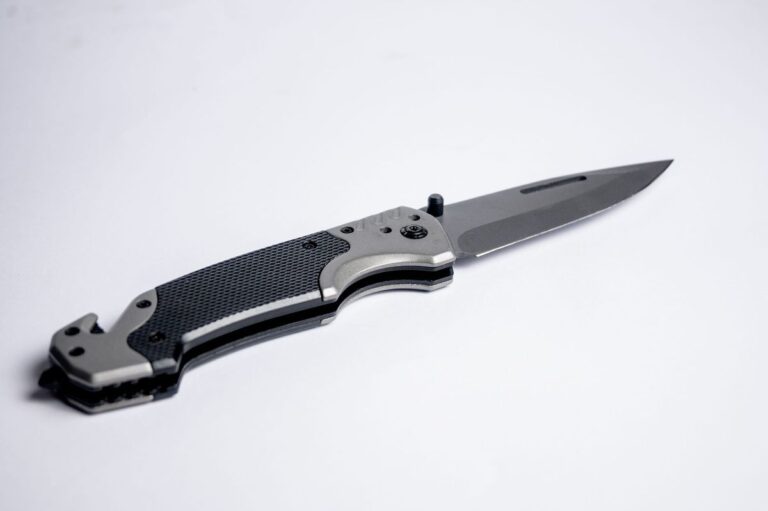
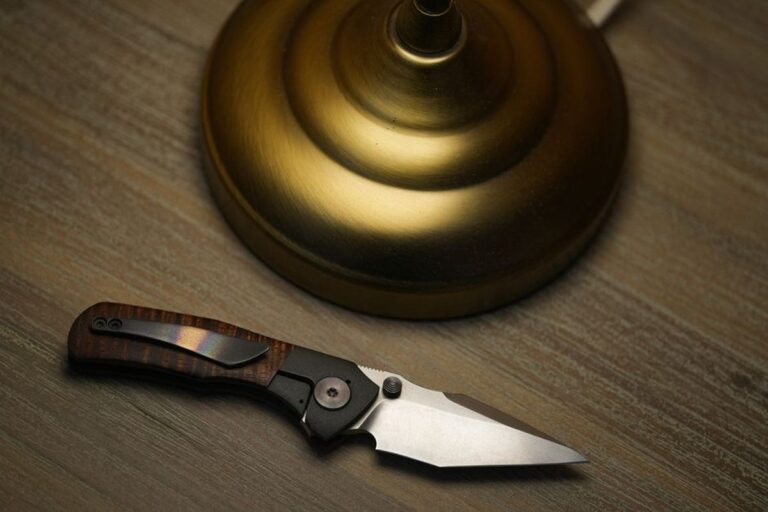
This is where paramedic EDC splits from most other professions on this site. A pocket knife is legal to carry in most states, but plenty of hospitals and private EMS services restrict folding blades on uniform pants, mostly over liability around patient-facing gear. Check your service’s policy before you clip one to your pocket — it’s a five-minute conversation that saves a write-up.
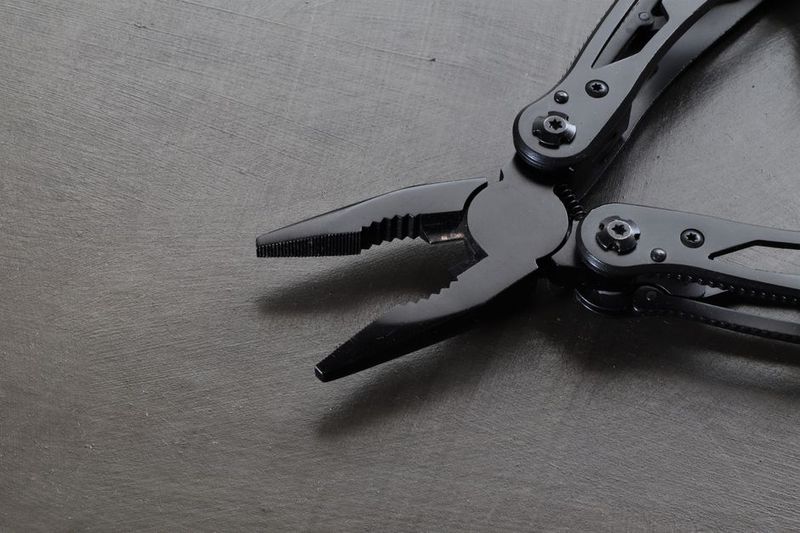
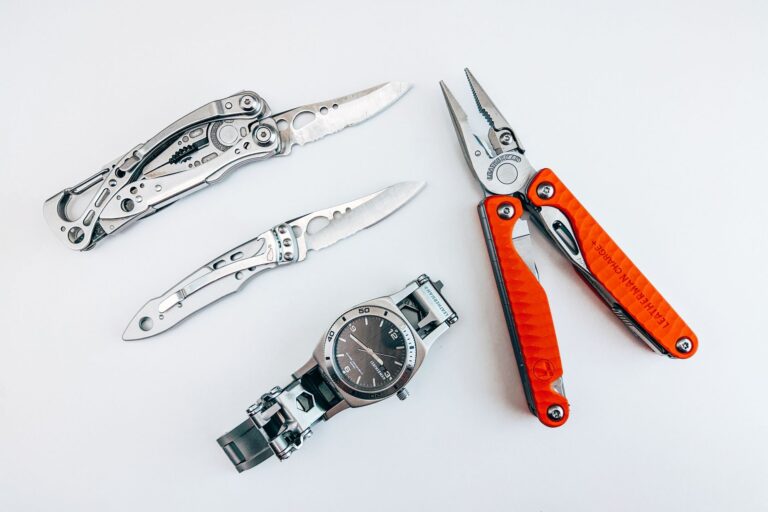
Where policy allows it, a compact multitool earns its spot for the mechanical side of the job — prying a jammed stretcher latch, tightening a loose IV pole mount, cutting zip ties on a patient restraint. Our multitool buying guide covers the plier-based options that hold up best under daily carry, but for EMS specifically, skip anything with an exposed locking blade and look for models with a recessed or covered edge instead.
Penlights, Flashlights, and What Actually Gets Used
A penlight does one job well: checking pupil response in a dim bedroom or a car at night. It’s not a flashlight, and trying to make it one is how medics end up buying a replacement every few months. Keep the penlight for clinical checks and carry a separate compact light for everything else — finding a dropped vial under a gurney, reading a house number in the dark, checking a stairwell before you bring the stretcher through it.
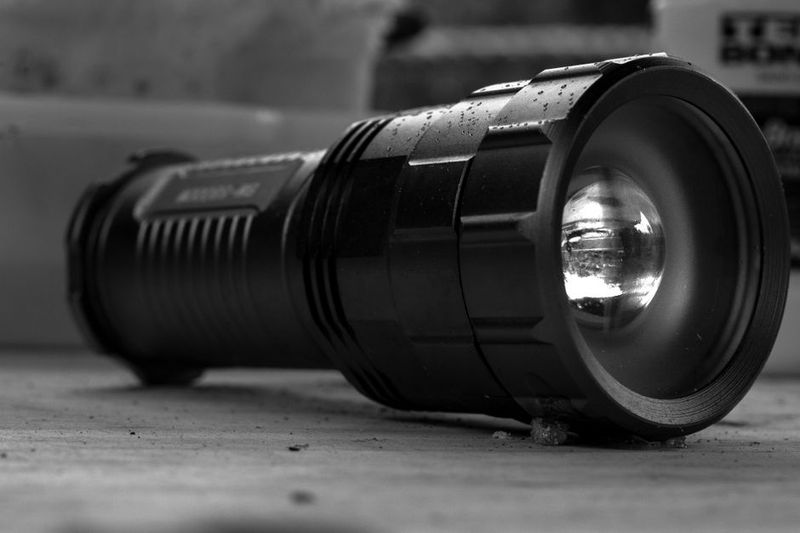
For that second light, a single-cell EDC flashlight in the 300–800 lumen range covers almost every scene you’ll walk into. Our EDC flashlight buyer’s guide breaks down runtime and UI in more depth, but the short version for this job: pick a twisty or single-click tail switch over a multi-mode interface. You don’t want to cycle through strobe and low-power modes with one hand while holding a patient’s arm with the other.
Tourniquets and Staged Trauma Gear
A tourniquet in the rig’s jump bag does nothing for you in the 45 seconds between walking up to a patient and getting your hands on your gear. Most working medics stage one compact tourniquet on their person — thigh pocket, jacket sleeve, wherever it’s reachable one-handed — separate from whatever’s stocked in the truck. The Committee on Tactical Combat Casualty Care (CoTCCC) maintains a recommended-device list, and the CAT Gen 7 and SOF Tactical Tourniquet Gen 4 are the two most issued models across US EMS services for a reason: both have been tested for one-handed self-application under stress, not just lab conditions.

Staging matters as much as the device itself. A tourniquet buried in a bag you’re not wearing is functionally the same as not carrying one. If your uniform pants have a dedicated pocket, use it only for the tourniquet — not your phone, not your wallet — so your hand finds it without looking.
Pens, Notebooks, and Gear That Survives a Shift
Documentation gear takes more abuse than people expect: blood, rain, alcohol wipes, getting sat on in a back pocket for twelve hours. A $2 ballpoint that writes through a wet glove beats a $40 pen that skips the second it gets damp. Rite in the Rain notepads and all-weather pens solve the moisture problem specifically — the paper is treated to take ink even when it’s splashed, which matters more on this job than almost any other EDC use case.
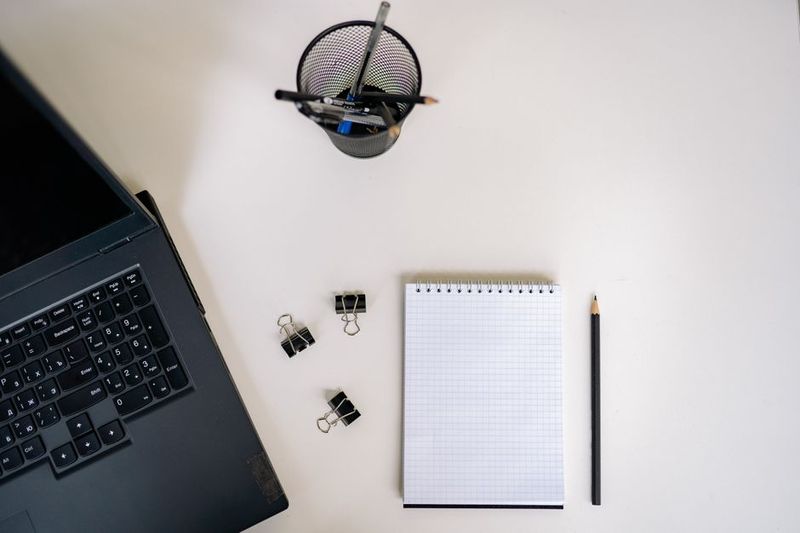
Carry two pens, always. One will walk off with a patient’s family member who borrowed it to sign a refusal form, or it’ll run dry mid-call. For pen options that hold up to pocket abuse generally, our Fisher Space Pen vs TWSBI comparison covers two carry-friendly options, though for EMS specifically a $3 Rite in the Rain pen is the more practical call — nobody’s upset when it disappears.
Off-Duty vs On-Shift: What Changes
On shift, your EDC assumes backup, a rig, and a full jump bag thirty feet away. Off duty, you’re the only resource until 911 arrives, and that changes what’s actually useful to carry in street clothes. A compact off-duty kit trims down to the items that matter before anyone else shows up: gloves, a tourniquet, a few feet of gauze, and a CPR barrier mask. Leave the clipboard and the triage tags at work — they’re dead weight outside a shift.
The instinct to carry your full on-duty loadout everywhere is common in year one and almost always drops off by year three. Experienced medics tend to go smaller off duty, not bigger, because a bulky kit in street clothes gets left in a car more often than it gets carried. A flat gloves-and-tourniquet pouch that fits in a jacket pocket actually comes with you; a repacked trauma bag does not.
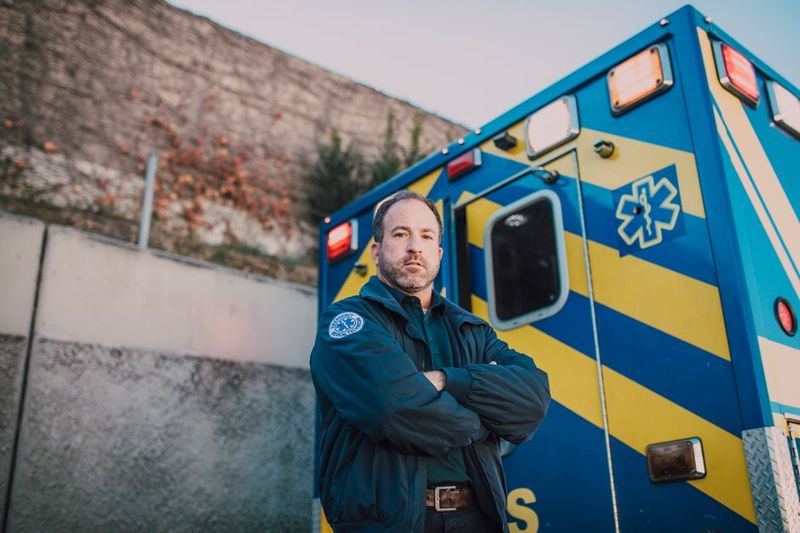
The pocket check before stepping onto the rig is where most of this gets decided. Medics who’ve been doing this a while run the same quick pat-down every shift — shears, gloves, pen, light, tourniquet — before they ever touch the truck’s doors. It takes fifteen seconds and it’s the difference between reaching for a tool and realizing it’s still sitting on a dresser at home.
Common Paramedic EDC Mistakes
The most common mistake isn’t missing gear — it’s single points of failure. One pen, one pair of gloves, one tourniquet buried in a bag instead of staged on the body. The second most common mistake is the opposite problem: carrying so much that pockets sag and nothing is where muscle memory expects it. Both failures show up at the same moment, usually on the call where it matters most.
A third mistake is treating EDC as a one-time purchase instead of a habit. Gloves get used and not replaced. Pens get borrowed and not returned. The medics who never get caught short aren’t the ones with the best gear — they’re the ones who restock before the shift, not during it.
Frequently Asked Questions
Do paramedics need to buy their own gear, or does the service provide it?
Services typically stock the rig and issue a uniform, but personal EDC — shears, a penlight, a backup pen, an off-duty trauma kit — is almost always bought out of pocket. Budget $40–$80 for a solid personal kit beyond what’s issued.
Can EMTs and paramedics carry a pocket knife on shift?
It depends entirely on the service’s uniform policy. Some allow a compact folder, others restrict anything with an exposed locking blade around patients. Always check your specific department’s policy rather than assuming.
What’s the difference between a penlight and an EDC flashlight for this job?
A penlight is built for close-range clinical checks like pupil response. An EDC flashlight is for scene lighting — finding your way into a dark house or spotting gear on the ground. Most working medics carry both rather than trying to make one do the other’s job.
Should an off-duty paramedic carry a full trauma bag everywhere?
No. A compact pouch with gloves, a tourniquet, gauze, and a CPR mask covers the realistic off-duty scenario — stabilizing someone until 911 arrives. A full trauma bag is heavy enough that most medics stop carrying it within a few months.
Sources
- National Association of Emergency Medical Technicians (NAEMT) — professional standards and resources for EMS providers.
- Committee on Tactical Combat Casualty Care (CoTCCC) — maintains the recommended tourniquet device list referenced for CAT Gen 7 and SOF Tactical Tourniquet Gen 4.
- OSHA Bloodborne Pathogens Standard — federal guidance behind glove and PPE staging requirements for EMS personnel.