Slip-Joint vs Liner Lock: Which EDC Knife Mechanism Actually Lasts
A friend of mine got his pocket knife confiscated at a courthouse metal detector in a state where he was certain it was legal. It wasn’t the blade length. It was the lock. A liner lock folder crossed a line his slip-joint Case wouldn’t have. Most people shopping for an EDC knife compare steel and price and never think about the mechanism at all — but the lock (or lack of one) decides more about where you can carry, how long the knife lasts, and how it fails than almost anything else on the spec sheet.
What a Slip-Joint Actually Is (and Why It Doesn’t Lock)
A slip-joint knife holds its blade open using nothing but spring tension. A flat backspring presses against a cam-shaped notch cut into the base of the blade, and that tension is strong enough to resist normal cutting pressure but weak enough that pushing down on the spine closes the blade without a release button or lever. There is no mechanical lock anywhere in the system — the blade simply “slips” past the spring’s resistance in either direction.
This is the mechanism behind every classic pattern: the Case Stockman, the Buck 55, and the Victorinox Swiss Army knife most people carried as kids. It’s simple, cheap to manufacture well, and nearly impossible to break under normal use because there’s no lock bar to bend, no detent ball to wear out, and no liner to deform.

The tradeoff is obvious: a slip joint can fold shut under hard enough pressure, especially pushing straight down on the spine or using it for anything resembling prying. That’s why traditional carry wisdom treats slip joints as light-use tools — opening mail, breaking down boxes, trimming a thread — not as knives you lean on.
How a Liner Lock Works (and Where It Can Fail)
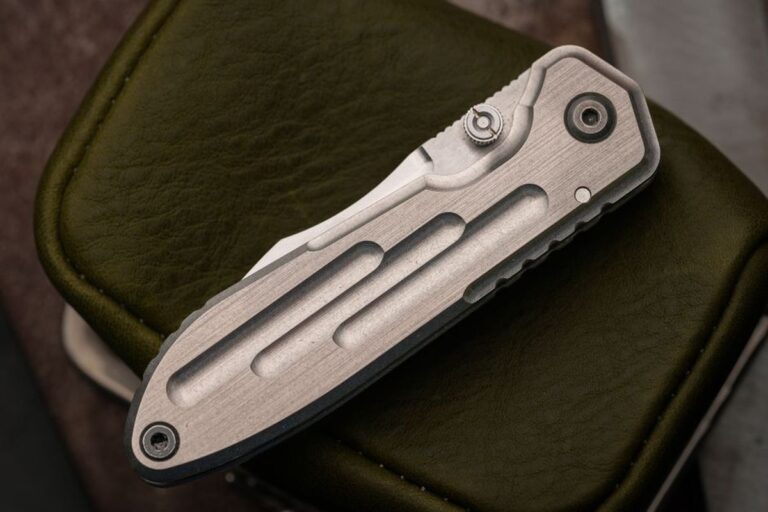
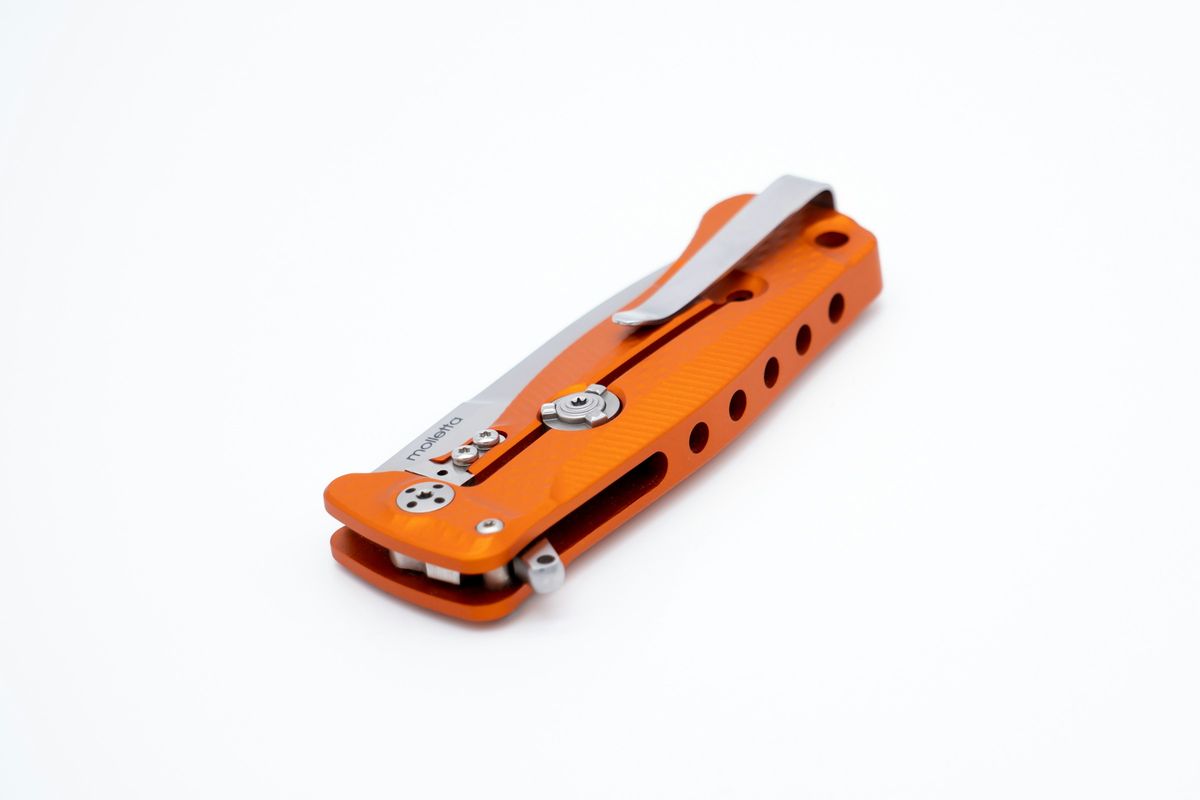
A liner lock replaces spring tension with an actual mechanical lock. One of the two metal liners inside the handle is cut so that when the blade swings fully open, the liner springs sideways and wedges itself behind the base of the blade (the tang), physically blocking it from closing. To fold the knife, you push that liner back toward the handle with your thumb, clearing the tang so the blade can rotate shut.
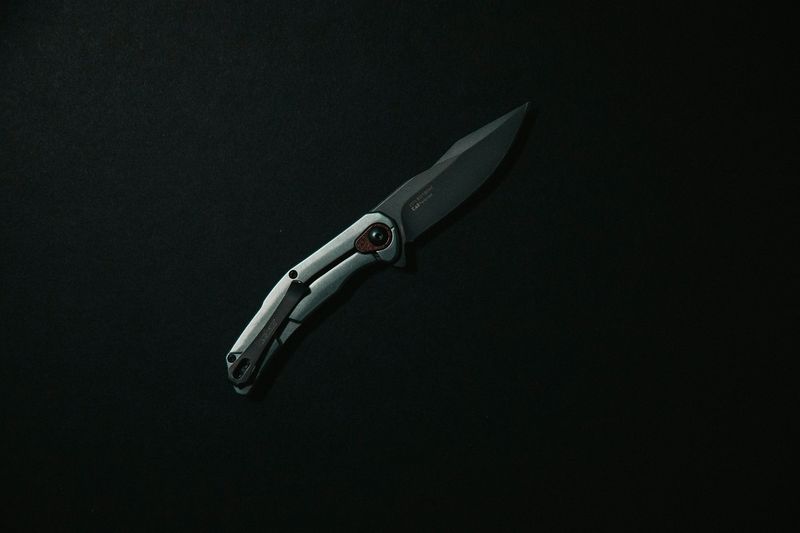
Done well, a liner lock is rock solid — the Armory Life notes it’s suitable for roughly 98% of everyday cutting tasks. Done cheaply, it’s the first thing that goes wrong on a budget folder. The liner can bend out of spec over time, creating “lock rock” — side-to-side blade play even though the knife still technically locks. Impact or hard lateral pressure can also disengage a liner lock outright, which is why no one recommends them for anything resembling prying or batoning. And because your thumb has to reach across the opening path to disengage it, a sloppy liner lock puts your fingers closer to the edge than a slip joint ever does.
Durability Over Time: Which Mechanism Holds Up to Daily Carry
This is where the two designs diverge in daily carry, not in a lab. A slip joint has almost nothing to wear loose. The backspring either holds tension or it doesn’t, and quality springs on quality steel hold that tension for decades — this is why 40-year-old Case knives still snap open and shut with the same “walk and talk” their owners remember. There’s no lock geometry to degrade, so a slip joint’s failure mode is gradual and honest: it gets a little softer to open, never suddenly unsafe.
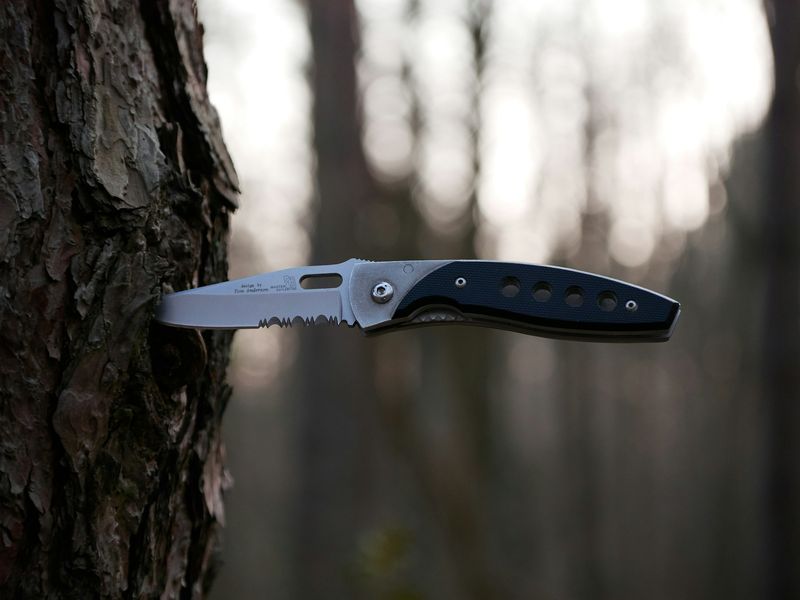
A liner lock’s failure mode is different and less predictable. Pocket lint and grit work into the pivot and the liner-to-tang contact face over months of carry, and if the liner isn’t maintained, you get blade play that shows up suddenly rather than gradually. Quality varies enormously by manufacturer here — a well-machined liner lock from a reputable maker will outlast a slip joint in raw cutting capability, but a budget liner lock is genuinely more likely to develop play within a year of daily carry than a $30 traditional slip joint is to fail in a decade.
The Legal Line Most EDC Guys Don’t Know They’re Standing On
Here’s the part spec sheets never mention: in several states, the lock itself is the legal dividing line. California is the clearest example. Under the 2016 state Supreme Court ruling in People v. Castillolopez, non-locking folding knives — slip joints like a classic Swiss Army knife — are excluded from the legal definition of a “dirk or dagger” specifically because the blade isn’t mechanically locked into position when open. A liner lock knife of the exact same blade length can be treated as a concealed weapon under the same statute.

This pattern repeats in other jurisdictions too: some cities and states that restrict “locking blades” or treat them as deadly weapons exempt slip joints outright, according to the American Knife & Tool Institute. None of this makes a liner lock illegal most places — it isn’t. But if you travel for work, carry through courthouses or government buildings, or just want the one folder that’s broadly legal anywhere in the country, a traditional slip joint is still the safest bet precisely because it can’t lock.
One-Hand Opening and Real-World Speed
Most traditional slip joints open with a nail nick — you dig a thumbnail into a small notch and pull the blade out, which is a two-handed motion for most people. Liner locks are almost always built with a thumb stud or flipper tab specifically so you can snap the blade open one-handed, often from a pocket clip carry position. In a genuine use case — cutting packing tape on a box you’re holding, freeing a kid from a seatbelt, slicing a zip tie while your other hand is full — that speed difference is real and it’s the single biggest reason people choose a liner lock over a slip joint for daily carry.
The flip side is that speed is exactly what creates the safety tradeoff described above. A knife that opens in under a second and locks solid is also a knife some jurisdictions treat differently than one that takes two hands and never locks at all.
Maintenance: What Each Mechanism Actually Needs
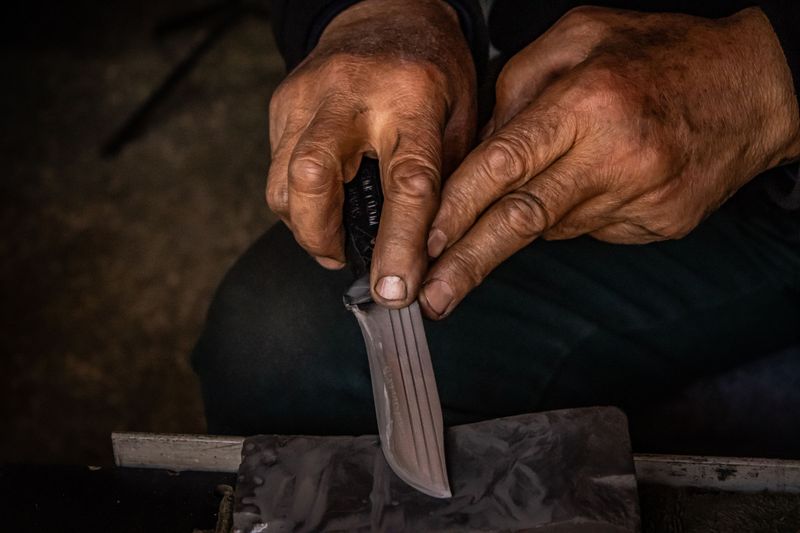
A slip joint asks very little of you. A drop of light oil on the pivot once or twice a year keeps the action smooth, and because there’s no lock face to maintain, that’s close to the entire maintenance routine. If you want the full process for keeping an edge sharp on either style, our guide to sharpening an EDC knife at home covers whetstone angles and burr detection that apply to both.
A liner lock needs more attention if you want it to stay tight. Periodically blow out the pivot and liner contact area with compressed air, add a drop of oil to the pivot, and check lockup — the blade should engage somewhere in the middle of the liner’s travel, not at the very edge. If you’re buying budget, our guide to sub-$50 lock types breaks down exactly where cheaper liner locks tend to cut corners.
Which One You Should Actually Carry
If you live or travel somewhere with knife laws that single out locking blades, or you just want the one folder you never have to think twice about carrying, a slip joint is the lower-friction choice — it’s legal almost everywhere, needs almost no maintenance, and will outlast you if you buy decent steel. If your daily tasks genuinely call for one-hand deployment and confident blade security — and your local laws are fine with it — a quality liner lock is worth the extra attention it demands. For a broader breakdown of how blade count and mechanism affect which knife fits your day, see our single-blade vs multi-blade EDC knife guide.
FAQ
Is a slip-joint knife legal everywhere a liner lock isn’t?
Not everywhere, but in several states and cities that restrict locking blades, non-locking slip joints are specifically exempted. Always check local law before carrying across state lines, but a slip joint is the broadly safer default.
Can a liner lock be as safe as a fixed blade?
No folding knife, locked or not, matches the structural security of a fixed blade with a full tang. A quality liner lock is secure for everyday cutting tasks, but it’s not rated for prying or batoning the way a fixed blade is.
Do slip joints wear out?
Eventually the backspring can lose a small amount of tension after decades of heavy use, but quality slip joints are known for lasting generations with nothing more than occasional oil on the pivot.
Which is better for everyday tasks like opening mail and boxes?
Either handles light tasks fine. The real difference shows up in one-hand speed — a liner lock opens faster when your other hand is full — and in how confident the blade feels under firmer pressure, where the liner lock’s mechanical lock has the edge.
Sources
- The Armory Life — Understanding Folding Knife Lock Types — mechanism breakdown and failure modes for liner locks.
- American Knife & Tool Institute — Is There a 50-State Legal Knife? — state-by-state legal treatment of locking vs non-locking blades.
- Wikipedia — Slipjoint — background on traditional slip-joint mechanism and patterns.