
Flight Attendant EDC: 7 Layover Essentials
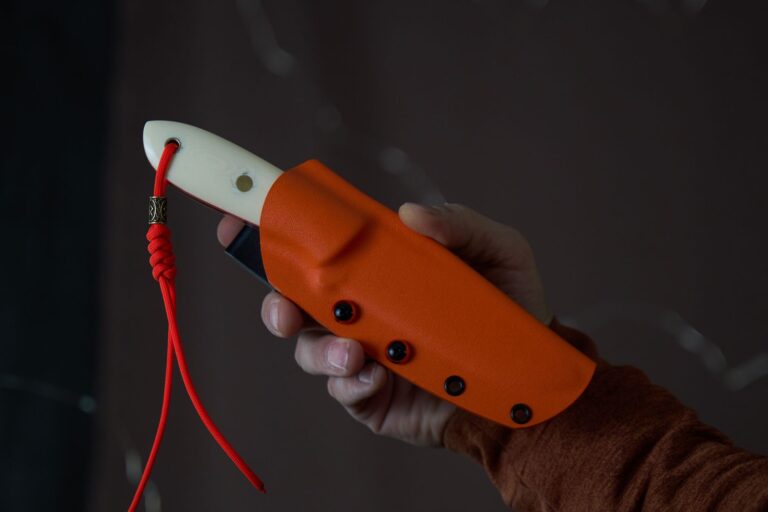
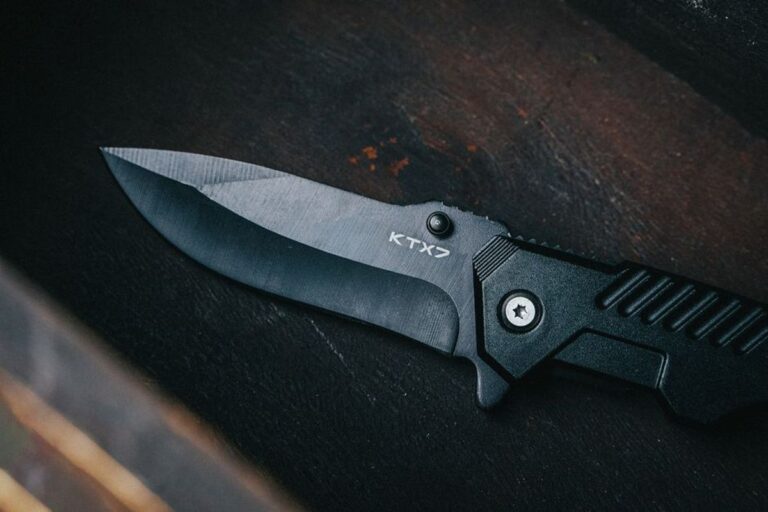
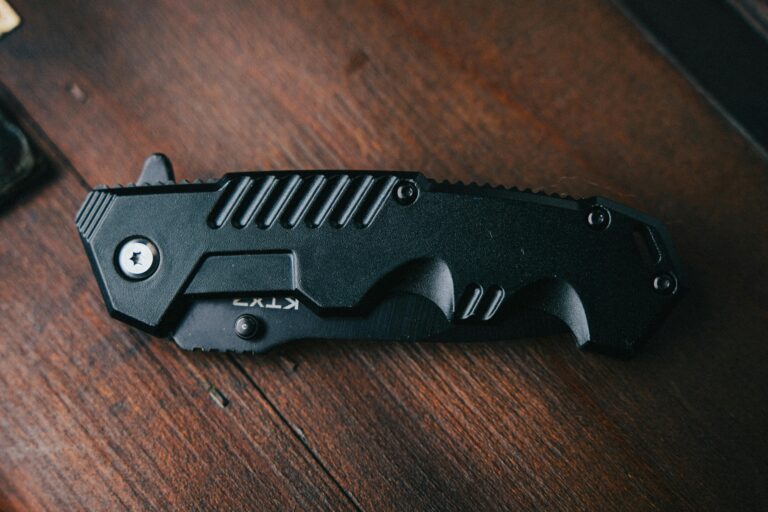
A flight attendant badge gets you to the front of the TSA line. It does not get you a pocket knife. Crew members clear the same checkpoint as every other passenger, and a multitool with so much as a folding blade gets pulled at the X-ray belt just like a tourist’s souvenir knife would. That single rule shapes almost everything else in a cabin crew EDC bag — every tool has to earn its spot without a blade, every device has to survive a time zone change every 36 hours, and every item has to fit around a spare uniform shirt, a change of shoes, and a toiletry kit that’s already eating half the bag.
What Goes In a Flight Attendant’s EDC Bag
Cabin crew carry two kinds of gear: the uniform-and-grooming load that takes up most of the bag, and the small EDC layer tucked into side pockets and organizer pouches. The grooming load is non-negotiable — a spare shirt for spills, flat shoes for the flight and a pair with a heel for boarding and deplaning, travel-size toiletries for an unscheduled overnight. The EDC layer is what’s left after that: a watch, a pen, a notebook, a slim wallet, a power bank, and a first aid kit small enough to disappear into a jacket pocket.
What makes this different from an office worker’s EDC is turnover speed. A commuter EDC bag gets unpacked once each evening. A flight attendant’s bag gets opened and closed a dozen times before a layover even starts — boarding, service, landing, customs, hotel shuttle. Gear that needs two hands or a manual gets left at home by week two.
Can Flight Attendants Carry a Pocket Knife or Multitool?
No — not through the checkpoint, and not with an exemption. TSA treats cabin crew exactly like passengers: any multitool with a folding blade, even a small one, goes in checked baggage or doesn’t fly at all. What does clear security is a bladeless multitool — pliers, a bottle opener, a screwdriver bit, scissors under the 4-inch blade length — the same category that gets a non-flying office worker through security at a courthouse.
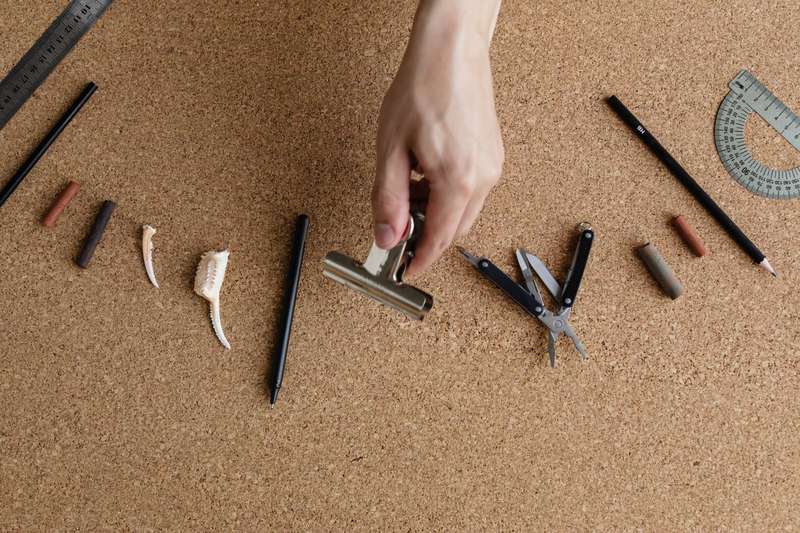
The practical fix most crew land on is a keychain-class tool with pliers and a driver but zero blade, clipped where it’s fast to reach during a 20-minute turn. If the job ever actually needs a blade — opening a stuck service cart latch, cutting a zip tie on a jump seat bag — that’s a maintenance call, not a personal knife. For anyone building an EDC kit around travel days instead of a desk, the state-by-state carry rules are still worth knowing for the days the bag isn’t going through an airport.
The Watch That Survives Time Zone Chaos
A phone dies by hour fourteen of a long day and a watch doesn’t. That’s the actual argument for wearing one on this job, not fashion. The watches that hold up on rotation share three traits: a dual-time or GMT function for tracking base time against local time, a battery or movement that doesn’t need daily charging, and a case thin enough to clear a uniform cuff during service.
Solar quartz and basic automatic movements both beat smartwatches here for one reason — nobody wants to hunt for a charger in a hotel room at 2 a.m. local time. A simple 100-meter water resistance rating covers the sink splashes and hand-washing that come with the job; dive-rated depth isn’t necessary for anyone who isn’t actually diving on days off.

Why Crew Still Carry a Paper Notebook and a Real Pen
Flight delays, gate changes, and passenger names don’t wait for a phone to unlock. A pocket notebook and a reliable pen are still standard crew gear because paper doesn’t need battery, signal, or a password after it’s been through a metal detector twice. Most crew keep a small spiral or saddle-stitched notebook for flight numbers, hotel confirmation codes, and the odd passenger note, jotted down between boarding and door close when there’s no time to open an app.
The pen matters more than it sounds like it should. A cheap retractable that skips ink mid-sentence during a passenger complaint report is a real annoyance, not a minor one. A dependable pressurized or fine-point pen — the kind that writes upside down on a meal cart or in a pressurized cabin without smearing — earns a permanent spot. For anyone comparing options, the Fisher Space Pen vs TWSBI breakdown covers exactly this kind of reliability test.

Wallet and ID Carry for Badge, Passport, and Crew License
A flight attendant’s wallet carries more documentation than almost any other EDC profile on this site — crew ID, passport, sometimes a second government ID, plus a card for layover expenses. That volume is exactly why a bulky trifold is the wrong call. A slim card-holder style wallet with a dedicated passport sleeve keeps the badge accessible for a gate check without digging past hotel key cards and foreign currency.
The badge itself usually rides separate, on a retractable reel clipped to a lanyard or waistband, because fumbling for an ID at a jet bridge checkpoint during boarding isn’t something crew can afford to do twice a day. For a side-by-side on wallet styles that applies directly to this kind of document-heavy carry, the card holder vs bifold wallet test is a useful starting point.

Power Bank and Cable Kit for Dead Layovers
A phone that dies on a layover isn’t just an inconvenience — it’s the hotel confirmation, the crew scheduling app, and the only way to reach a hotel shuttle, all gone at once. That’s why a power bank rated for at least two full phone charges, not one, is standard crew gear. A single-charge bank gets drained by the flight itself and leaves nothing for the ground.
A short multi-tip cable — Lightning, USB-C, and micro in one braided cord — beats carrying three separate cables for a bag that’s already tight on space. Crew flying internationally add a compact universal adapter, since outlet shapes change by country but the devices plugging into them don’t. For a deeper look at capacity and charge speed, the best EDC power bank picks cover what actually matters versus what’s just a bigger number on the box.

First Aid and Comfort Items Crew Actually Reach For
Cabin crew deal with more minor medical moments than most EDC profiles ever will — a passenger’s headache, a paper cut during service, a pressure-change earache on descent. A compact kit with adhesive bandages, blister pads, pain relievers, antihistamine tablets, and a few electrolyte packets covers almost all of it without adding real weight. Electrolyte tablets specifically earn their spot because cabin air runs drier than most environments on the ground, and dehydration headaches are a documented complaint among long-haul crew.
A sleep mask and compact earplugs round out the kit for crew rest breaks and hotel rooms with thin curtains. None of this is glamorous gear, but it’s the difference between showing up for a return leg functional or running on fumes.

Building the Bag Around a Rolling Trip, Not a Desk
Most EDC advice assumes a bag that goes home every night. A flight attendant’s bag doesn’t — it lives out of a hotel room for two or three days at a stretch, which changes the math on every item in it. Packing cubes that separate the EDC layer from uniform pieces and toiletries keep a grab for a pen or a power bank from turning into a full repack. Anything that can double up — a watch that also tells a second time zone, a notebook that also holds boarding passes — earns a bigger discount on space than it would in a bag that only has to last eight hours.

Frequently Asked Questions
Can flight attendants bring a pocket knife through TSA?
No. Crew clear the same checkpoint rules as passengers — any knife or bladed multitool has to go in checked luggage, not a carry-on or personal bag.
What watch features actually matter for cabin crew?
A dual-time or GMT function for tracking base versus local time, a slim case that fits under a uniform cuff, and a movement that doesn’t need daily charging.
How big a power bank does a flight attendant actually need?
Enough for two full phone charges minimum. A single-charge bank gets used up by the flight itself, leaving nothing for the layover.
Do flight attendants carry a first aid kit for themselves or passengers?
Both. Aircraft carry a certified medical kit for passenger emergencies, but crew still keep a small personal kit — bandages, pain relievers, electrolyte tablets — for their own minor needs between flights.
Sources
- I’m A Flight Attendant: Here Are The Things We Always Keep In Our Carry-On Bags — Simple Flying — crew carry-on item breakdown, including water bottle and bag brand usage stats.
- Can You Bring a Multitool on a Plane? TSA Rules 2026 — Deep Arrival — bladed vs bladeless multitool carry-on rules.
- What Can I Bring? — Transportation Security Administration — official TSA carry-on item rules.