Bartender EDC: 7 Night-Shift Essentials
A bartender working four or five shifts a week can clear $600 to $750 in tips alone, and tips make up 55 to 85 percent of what most bartenders actually take home. That’s real cash moving through pockets every night, on top of the IDs, orders, and spills a bartender has to manage without ever stepping away from the rail. None of that gets handled by the bar’s own equipment — the shaker, the strainer, the register. It gets handled by whatever’s actually on the bartender, and most “bar tools” lists only cover what stays behind the counter.
Bartender EDC: What’s Actually On You Behind the Bar
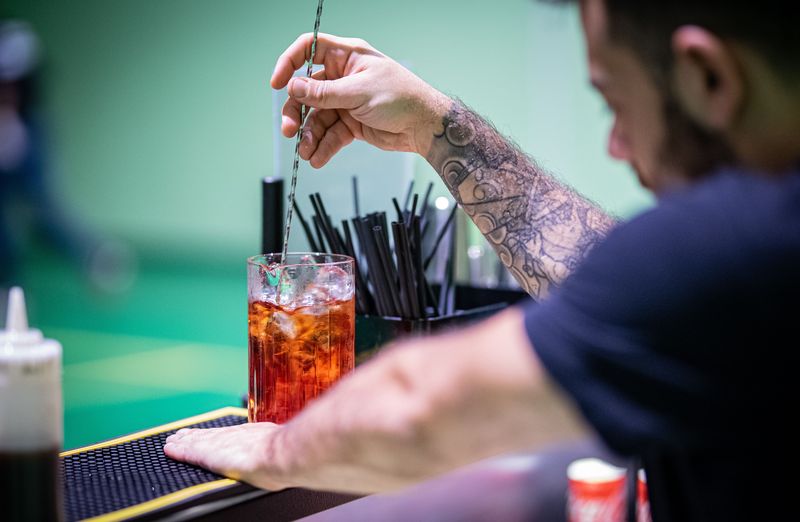
A bar’s back-of-house is stocked with jiggers, strainers, and muddlers that belong to the venue and never leave it. Bartender EDC is narrower and more personal: the handful of items clipped to an apron string, dropped in a pocket, or hung on a lanyard, because reaching for the venue’s tool means a thirty-second walk to the service well mid-rush.
In practice that’s five or six things: a personal wine key, a backup pen, a UV flashlight, a small pocket light, a notebook or order pad, and a case for a phone that’s going to get splashed at some point tonight. None of it is the showy gear bartenders buy for home bars. It’s the boring stuff that keeps a shift moving when the venue’s shared tools are three deep in dirty glassware.
The Wine Key That Never Leaves Your Pocket
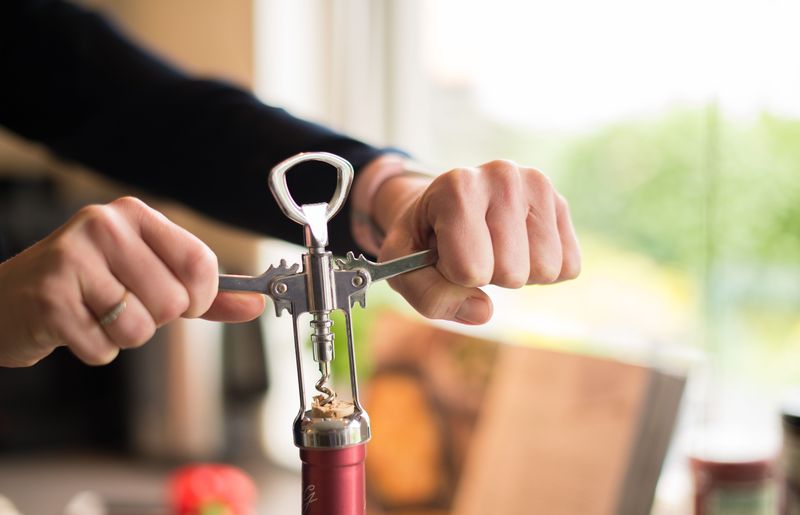
Ask any working bartender why they own a personal wine key instead of grabbing the bar’s shared one, and the answer is always the same: the bar’s copy is never where it’s supposed to be. A double-hinged waiter’s friend with a serrated foil cutter handles both wine and the occasional stuck beer cap, and it fits flat against a hip in an apron pocket without printing through the fabric.
New hires are told to bring one on day one for a reason — training shifts move fast, and a bartender fumbling for a borrowed opener in front of a table looks green. A $15 double-hinged key from a restaurant supply store outlasts the $4 promotional ones bars hand out, and the serrated blade matters more than most bartenders expect: a dull foil cutter means wrestling with capsule plastic in front of a guest instead of a clean three-second cut.
Cash, Tips, and Why Pens Are the Real Currency
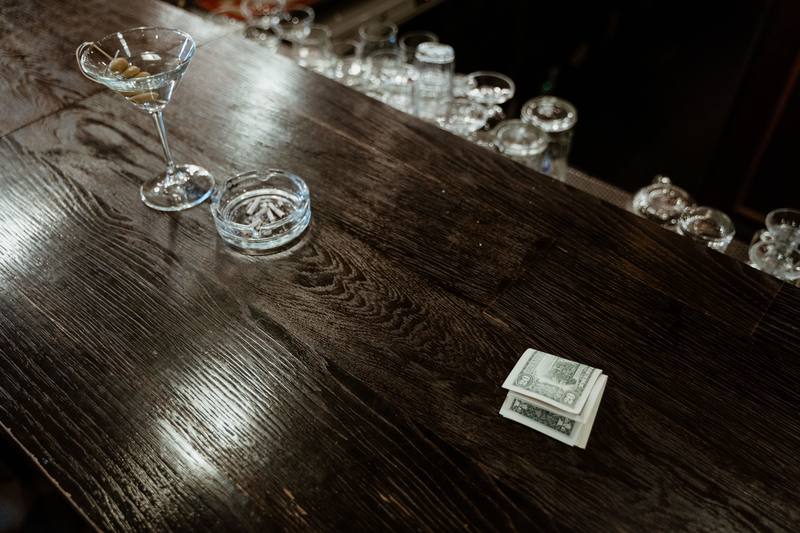
Nightly tips for a working bartender typically run $150 to $300, and in a busy city room that can hit $200 on an average night before the till even closes out. That’s a stack of ones, fives, and twenties moving through an apron pocket for six or eight hours straight, which is why most bartenders fold a simple system into their EDC: a dedicated tip pocket separate from personal cash, counted and bussed to a safe spot every hour or two rather than left to pile up where a bump at the service well can spill it.
Pens matter more than the cash does, oddly enough. A bartender training new hires will tell you straight out that pens are the ultimate currency on a bar — they vanish into other people’s pockets, get left in booths, and run dry mid-rush, so working bartenders carry two: one to use and one as the backup nobody’s allowed to borrow. A $2 click pen that survives being dropped in a sink is worth more on a Friday close than a nice one that skips.
The UV Light That Catches a Fake ID in Ten Seconds
Genuine IDs are printed with UV-reactive ink that’s nearly impossible for a counterfeiter to replicate convincingly, and a pen-style UV light reveals it in about ten seconds flat — a ghost image of the cardholder, a state seal that only shows up under the light, and microprinted text too small to fake with a home printer. Florida’s outline glows orange under a black light; Texas shows a lone star. A bartender who knows what their state’s ID is supposed to look like under UV catches a fake before a guest even finishes a sentence.
A decent 365nm pen light runs $10 to $20 and clips to a keyring or slides into the same pocket as a phone. That’s a small price against the liability a bar carries for over-serving a minor, and it’s faster than squinting at a hologram under bar lighting that’s deliberately kept dim. Most bartenders who’ve worked a door shift or two stop trusting their eyes alone after the first ID that looked perfect and wasn’t.
A Flashlight for the Walk-In, the Keg Room, and the Breaker Box
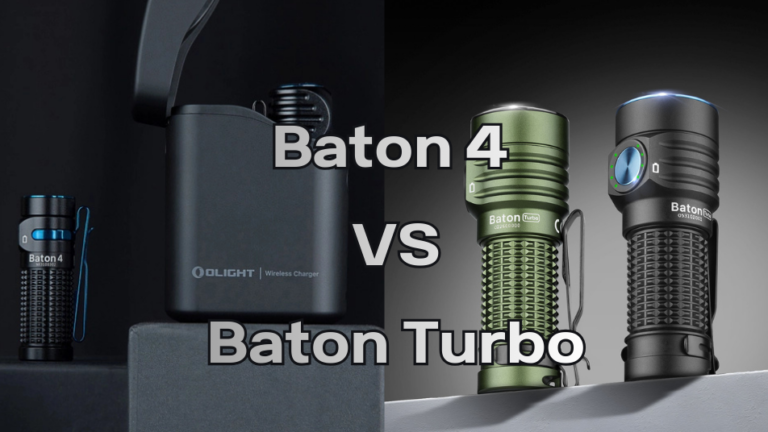
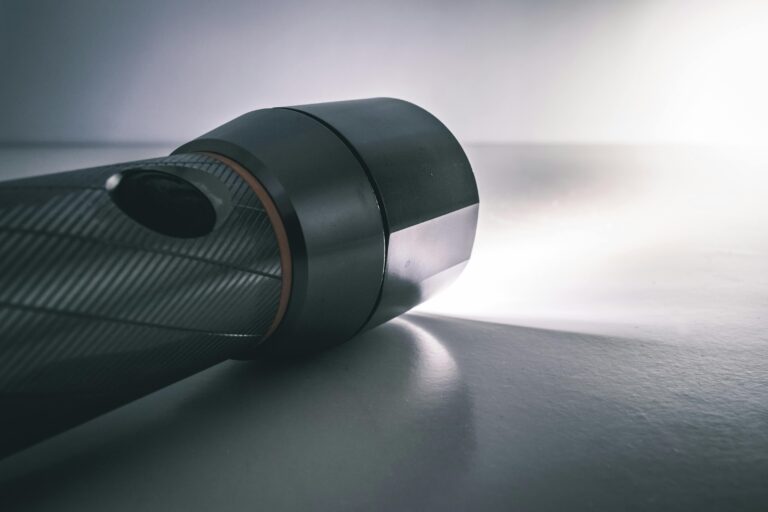
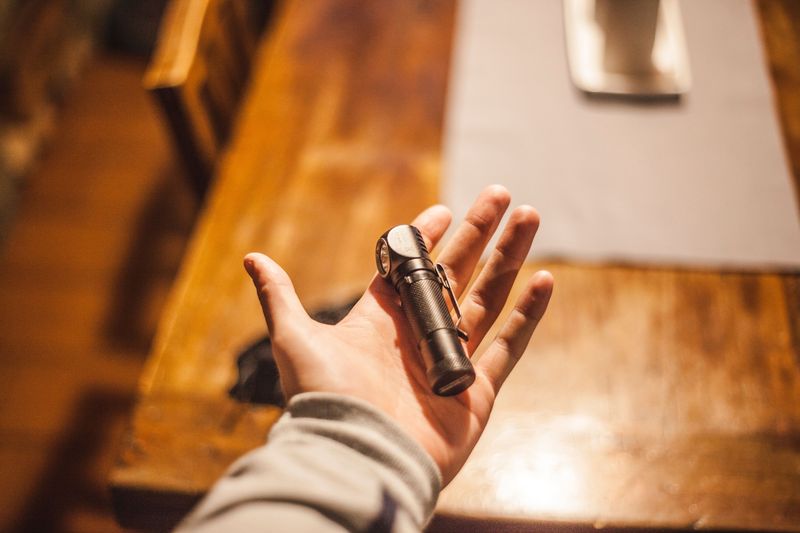
Separate from the UV light, a basic pocket flashlight earns its place for the parts of a bar most guests never see. Walk-in coolers lose bulbs constantly, keg rooms are rarely wired well, and a breaker box that trips mid-shift is always in the one corner of the basement with no overhead light. A 100 to 300 lumen keychain light handles all three without a bartender holding up a phone flashlight and draining the battery they need for the POS app.
Rechargeable is worth the extra few dollars over disposable-battery lights here, the same logic that applies to any job where the tool sits in a pocket for three weeks between uses and still needs a full charge on night one. A light that’s dead when the walk-in bulb finally blows is worse than not carrying one at all, because it creates the expectation that someone always has a backup.
The Full Kit, Laid Out
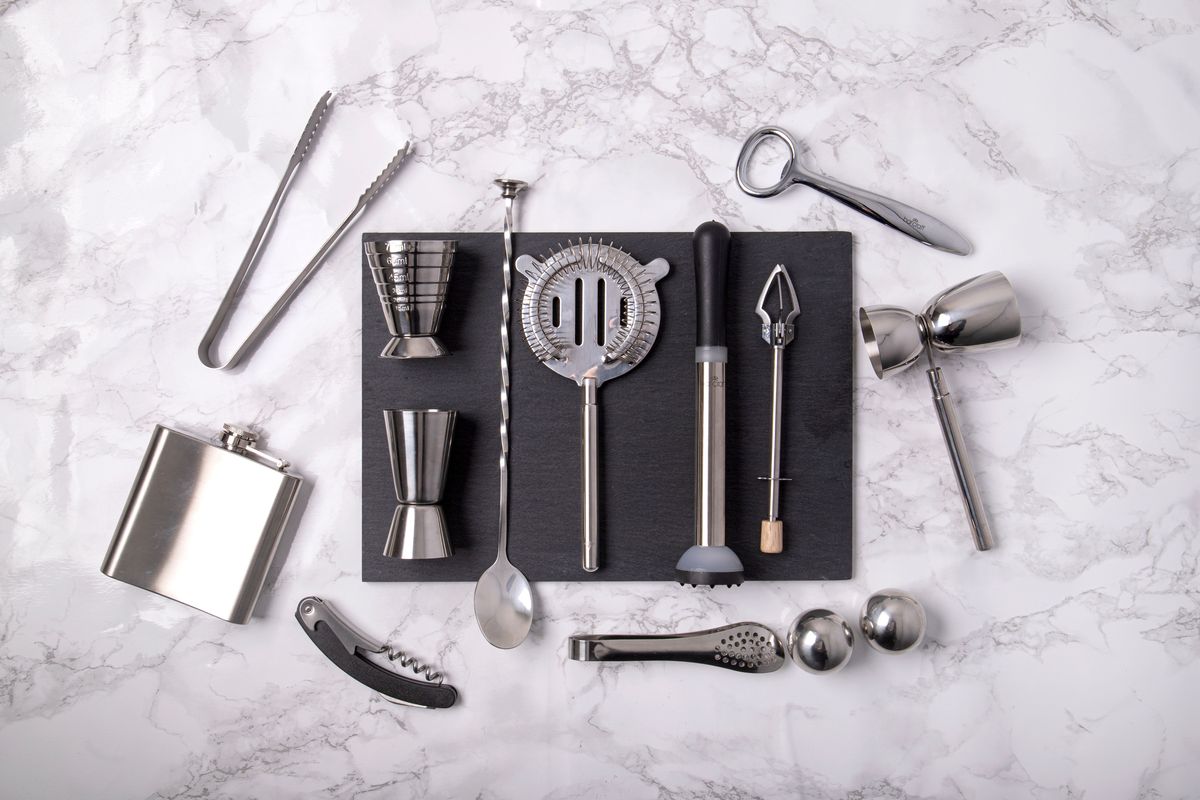
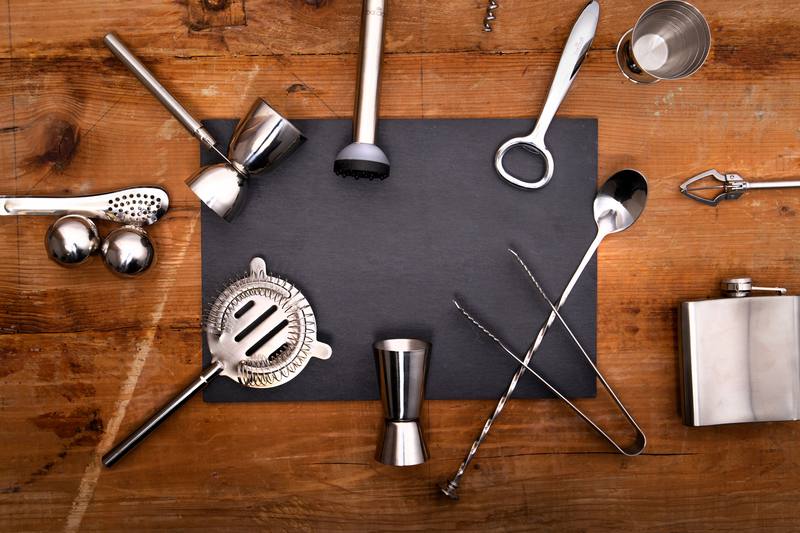
Put it all on a table and it’s a short list: wine key, two pens, UV light, pocket flashlight, a notebook or order pad, and a case that keeps a phone dry. Nothing on that list costs more than $20, and the whole kit fits in an apron pocket with room to spare. That’s the point — bartender EDC isn’t about gear for its own sake, it’s about never being the person who has to ask to borrow something during a rush.
The Notebook and the Phone Case Nobody Thinks About Until They Need One
A spilled rail drink doesn’t care whose phone is sitting on the service mat. A slim waterproof phone case is cheap insurance for a device that’s open to a tab app or a music queue for most of a shift, and it’s the difference between wiping off a splash and replacing a cracked screen. The same goes for a small notebook — most of a new bartender’s first weeks are spent taking notes on pour counts and menu changes, and a notebook with water-resistant pages survives a bar top better than a phone’s notes app does when the screen’s wet.
It’s a small thing until the night it isn’t. A notebook that smears into an unreadable mess after one spilled vodka soda has cost a bartender more than the $6 it would’ve taken to buy a better one.
What Not to Carry: The No-Weapons-Policy Problem
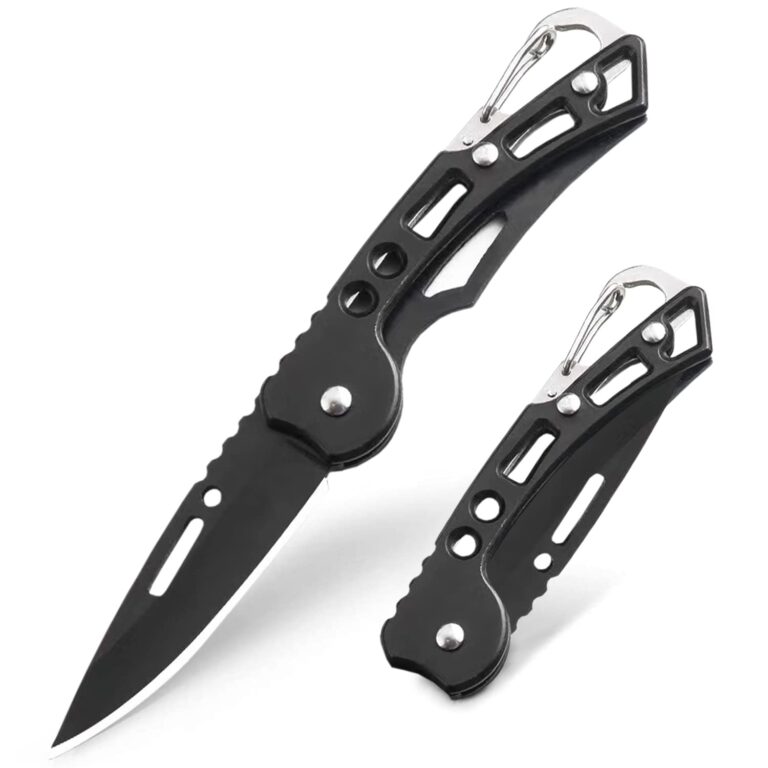
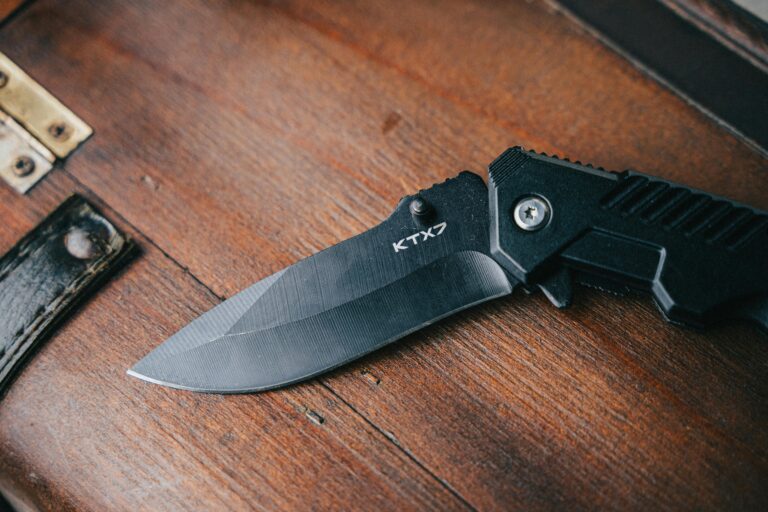
Most bar and restaurant employee handbooks ban fixed or folding knives as weapons, the same policy that shows up in retail jobs with similar no-pockets, no-weapons constraints. A pocket knife that would be perfectly legal to carry off the clock becomes a write-up waiting to happen the moment it’s clipped to a work apron, and the wine key’s built-in foil cutter handles the one cutting task — capsule plastic — that actually comes up on shift. Bartenders who want to carry a folding knife anyway should check it against both the employer’s handbook and their state’s carry laws, since the two don’t always agree and the handbook is usually stricter.
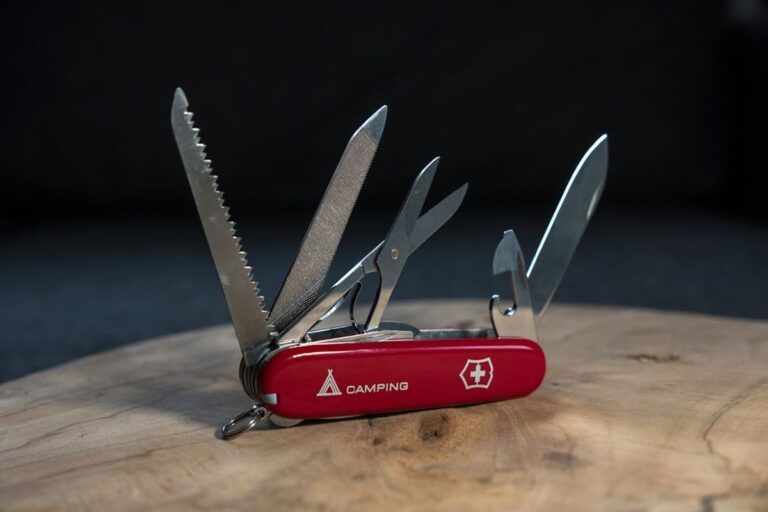
The same logic applies to anything that reads as a weapon to a guest even if it technically isn’t one — a tactical-looking flashlight, a multitool with an exposed blade. A bartender’s EDC is meant to disappear into the job, not draw a second look from someone three drinks in.
Frequently Asked Questions
Can bartenders carry a pocket knife at work?
Usually not. Most bar and restaurant handbooks classify folding and fixed-blade knives as weapons, regardless of state carry laws. A wine key’s foil cutter covers the actual cutting task bartenders need on shift.
What’s the best UV flashlight for checking IDs?
A pen-style light with a 365nm LED is the standard choice. It costs $10 to $20, clips to a keyring, and reveals UV-reactive ink, state seals, and ghost images in about ten seconds.
How much cash do bartenders typically carry during a shift?
Nightly tips commonly run $150 to $300, which is why most bartenders keep a dedicated tip pocket separate from personal cash and bus it to a safe spot every hour or two rather than letting it accumulate.
Do bartenders really need a backup pen?
Yes — pens disappear constantly on a bar top, borrowed by guests or lost in a spill. Carrying two, one to use and one as a dedicated backup, avoids being stuck without one mid-rush.
Sources
- ID One PH — Spot Fake ID with Black Light: A Complete UV Verification Guide — UV ink security features, 365nm pen-light specs, and verification timing.
- Homebase — How Much Do Bartenders Make in 2026? — nightly and weekly tip income figures.
- A Bar Above — What to Bring to Your First Bartending Shift — personal wine key, backup pens, and notebook recommendations from working bartenders.