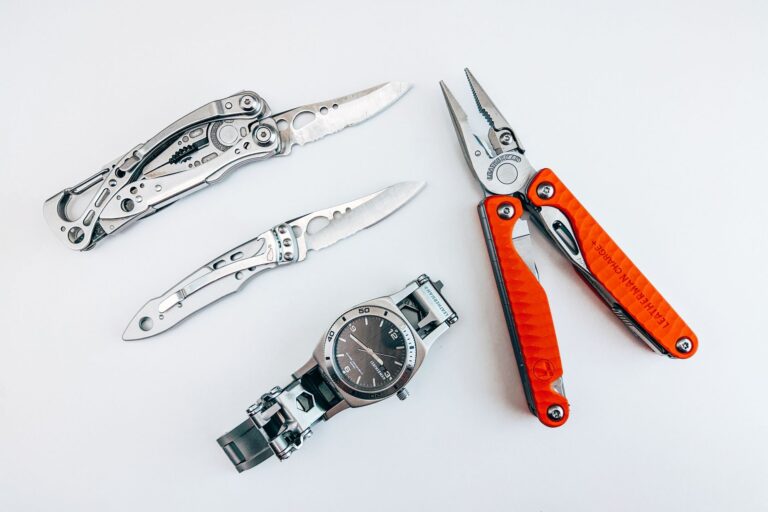
Fall EDC: 7 Swaps Before Winter Hits
Pedestrian and cyclist fatal crashes jump 13% in the five weeks after clocks fall back each November, according to the Insurance Institute for Highway Safety — the sharpest seasonal safety swing in the entire year.1 Clocks fall back on November 1, 2026, which means a commute that was a daylight walk in September turns into a dark one by 5:30 p.m.2 That single change is why fall EDC looks nothing like summer EDC. It isn’t about adding more stuff to your pockets — it’s about swapping gear that depended on daylight, dry weather, and bare hands for gear that doesn’t.
What Changes When Fall EDC Takes Over From Summer
Summer EDC is forgiving. Long days mean you rarely need a flashlight before 8 p.m., a light jacket has maybe two pockets to work with, and rain is an occasional afternoon thunderstorm, not a weeks-long default. Fall flips every one of those conditions at once, and most people adjust on a one-item-at-a-time basis — they notice their phone flashlight is useless on a dark walk home, so they buy a flashlight, and stop there.
That piecemeal approach is why most fall EDC advice online is a gear-roundup list of whatever flashlight or knife just launched. The actual fix isn’t a new product — it’s rethinking where your existing items live now that you’re wearing a jacket with four or five pockets instead of jeans with two. Get that right first, and the specific gear choices get a lot easier.
Think about a weekday commute in late September versus the same commute in mid-November. In September you leave the office at 5:30 p.m. into full daylight, your EDC is whatever fit in your jeans that morning, and the worst-case weather is a light drizzle. By mid-November the same walk starts in near-dark, your jeans are under a jacket with five times the pocket space, and a cold front has probably already dropped overnight temperatures into the 30s. Nothing about your actual route changed — the conditions around it did, which is why the fix has to be a system change, not a single product swap.
Daylight Saving Time Cuts Your Evening Light in Half
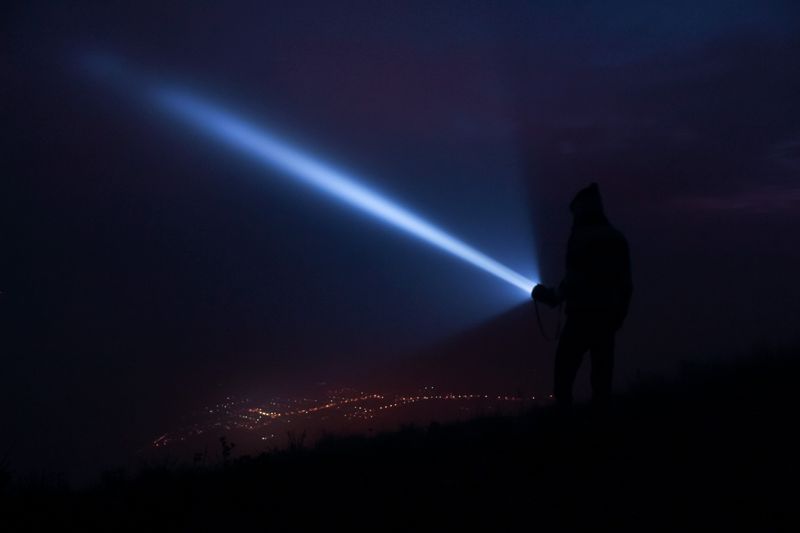
A phone flashlight app is fine for finding your keys on a porch. It is not fine for a 20-minute walk on a sidewalk with no streetlights, which is exactly the walk a lot of commuters are doing by late November. The IIHS stat above isn’t abstract — it’s drivers who can’t see pedestrians until headlights are almost on top of them, and pedestrians who assumed they were visible when they weren’t.1
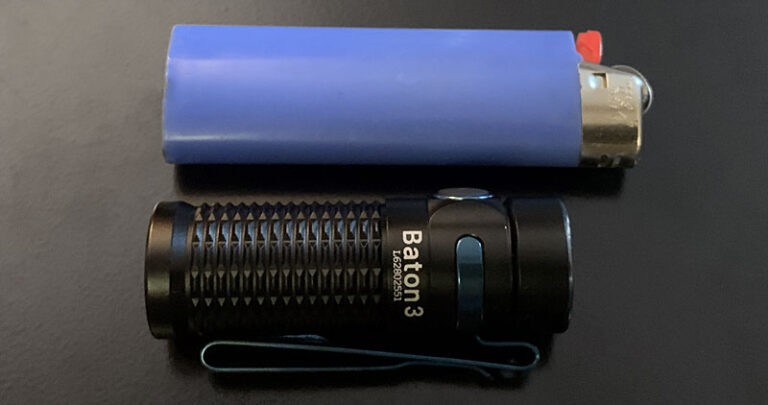
A dedicated EDC flashlight in the 300-800 lumen range does two jobs here: it lights your own path, and on strobe or a bright steady beam, it makes you visible to drivers from much further away than dark clothing alone ever will. Clip it where you can reach it one-handed — a jacket’s inner pocket, not buried in a bag.
Layering Changes Where Your Gear Actually Lives
A sub-$100 jacket can have five working pockets: two hand pockets, a chest pocket, an interior zip pocket, and a sleeve pocket if you’re lucky. That’s more real estate than most summer outfits offer, but it’s also easier to lose track of where you put your knife versus your wallet versus your keys. Pick a fixed pocket for each category and keep it there across every jacket you own — muscle memory matters more once you’re layering gloves on top.
Heavier fabric also means your pocket clip needs to actually grip. A thin folding knife that rode fine in cotton chinos can work its way loose in a bulkier canvas or wool pocket. If you’re switching knives for fall, test the clip against the actual jacket you’ll wear, not the pants you tested it in last spring.
Cold Weather Quietly Kills Battery-Powered Gear
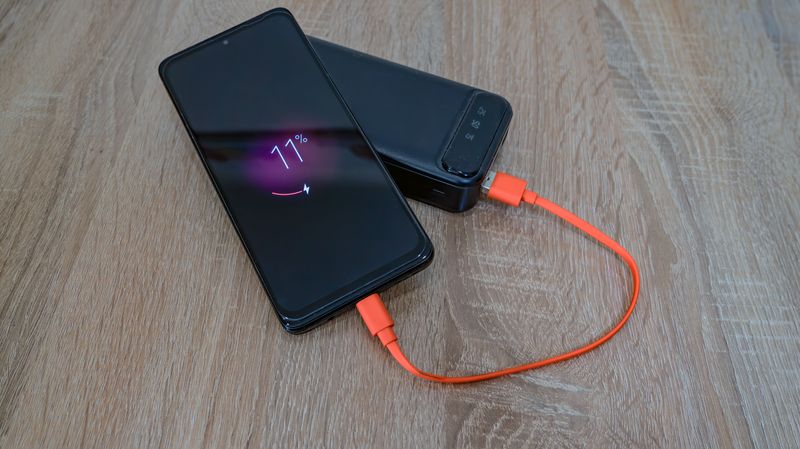
Lithium batteries lose roughly 20-30% of their usable capacity near freezing, and that number climbs toward 50% as temperatures drop closer to -20°C.3 Your flashlight, your phone, and any rechargeable multitool with built-in electronics all take that hit the moment the temperature drops, which is exactly when you need them working the most.
The fix is boring but effective: carry a power bank rated for at least double what you think you’ll need in summer, and keep it in an inner pocket close to body heat rather than an outer shell pocket exposed to wind. Batteries that stay warmer hold more of their rated capacity — it’s the same reason your car battery struggles on the coldest mornings of the year.
Wet Leaves and Rain Mean Your Pocket Dump Needs to Survive Moisture
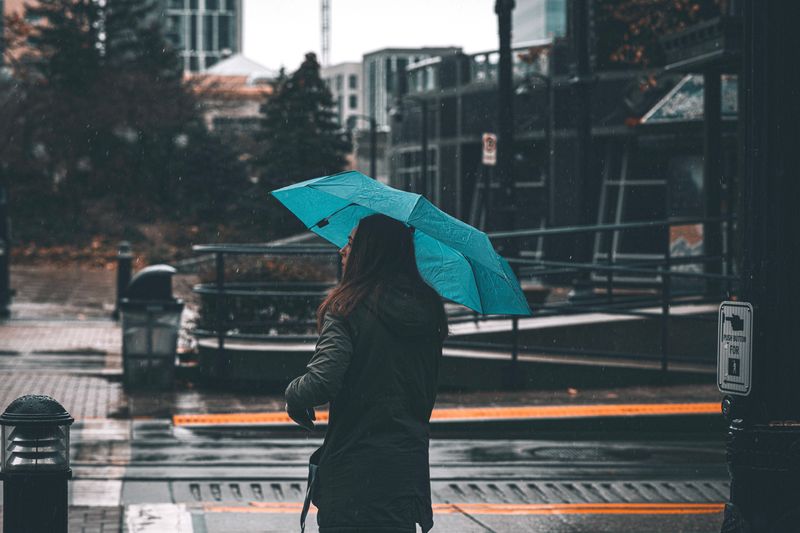
Fall rain is different from a summer downpour — it’s steadier, colder, and it comes paired with wet leaves that turn sidewalks slick and hide puddles. Your wallet, notebook, and anything with exposed electronics need the same moisture consideration covered for spring storms, just for a longer stretch of the calendar. A water-resistant card holder and a zip-top pouch for your phone cost less than replacing either one after they get soaked.
This is also the season steel starts to matter more than it did in July. A blade that sat dry in a pocket for three warm months will rust fast if it’s riding next to a wet umbrella or damp gloves every day. Wipe it down at night — it takes ten seconds and saves the edge.
Gloves Change What You Can Actually Open One-Handed
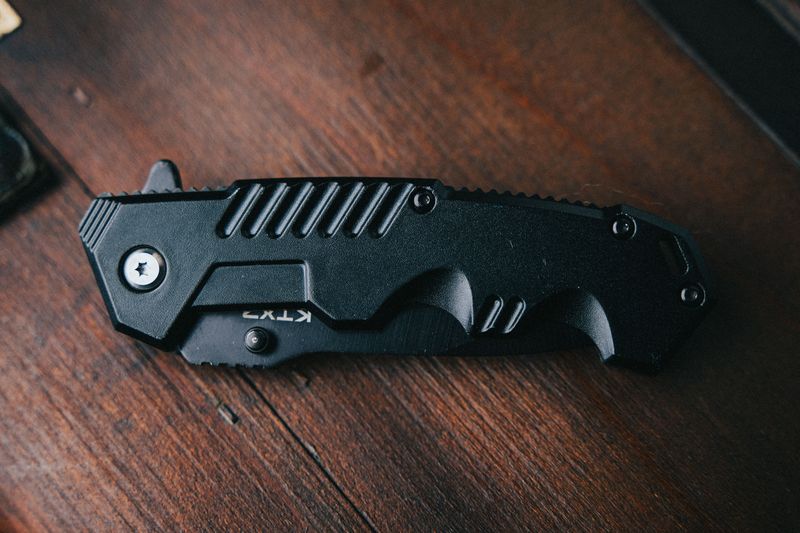
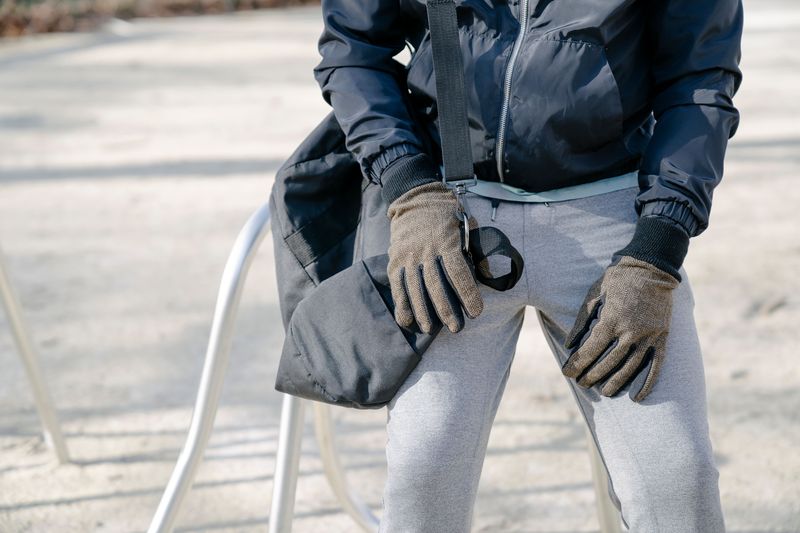
A thumb stud that’s easy to flick bare-handed turns into a fumble once you’ve got insulated gloves on. This is the single most overlooked fall EDC problem: people pick a knife in September based on how it feels in their hand, then discover in November that they can’t open it wearing gloves without taking the gloves off first — which defeats the point of wearing them.
Assisted-opening and flipper-style knives tend to hold up better with gloves than small thumb studs, because the motion is a full-hand flick rather than a precise pinch. If you’re not ready to switch knives, at minimum test your current one with gloves on before the first cold snap, not during it.
What to Retire From Your Summer Loadout
Not every swap is an addition. Summer EDC leans on lightweight, minimal carry — a slim wallet, a single light layer, maybe a cooling towel. Carrying all of that into October just means dead weight competing for pocket space you now need for a flashlight and a power bank. Drop the summer-specific items first, then add fall-specific ones, instead of stacking both.
The clock change on November 1 is also a useful trigger for something unrelated to gear: a paper notebook or planner for jotting down the extra hour of darkness you’ll want to plan around, whether that’s a walk home before sunset or a bike ride that now needs lights. Once temperatures drop further, winter EDC adds its own layer on top of this — fall is the bridge, not the final stop.

Building Your Fall EDC Pocket Dump, Pocket by Pocket
Once you’ve got a jacket with real pocket count, assign each pocket a job instead of letting items migrate wherever there’s space that morning. A system like this holds up whether you’re walking, biking, or driving to work:
- Inner chest pocket: flashlight and phone — both need to be reachable without unzipping anything, especially once it’s dark by 5 p.m.
- Interior zip pocket: wallet or card holder — zipped closed is the only pocket type that should hold payment cards once rain becomes routine.
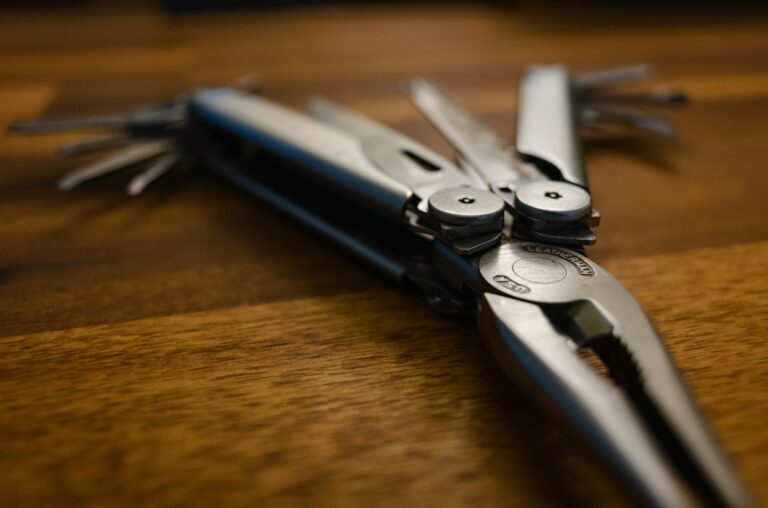
- Dominant-hand hip pocket: knife or multitool, clipped where your thumb lands naturally even with a glove on.
- Off-hand hip pocket: keys and a compact power bank, kept together so you’re not patting down four pockets at a cold bus stop.
- Outer shell pocket: gloves, when you’re not wearing them, so they’re never the one item left behind on a counter.
This isn’t about owning more gear than you did in July — in most cases it’s the exact same five or six items from your warm-weather carry, just reassigned to pockets that didn’t exist on a t-shirt. The jacket did the work; your job is just to stop treating pocket choice as random.
Frequently Asked Questions
When should I switch to a fall EDC loadout?
Start the week clocks fall back, not when it first feels cold. The light change on November 1 hits before the temperature drop does, and the flashlight and visibility swaps matter from day one of standard time.
Do I really need a bigger flashlight for fall?
If you walk or bike anywhere in the evening, yes. A phone flashlight app wasn’t designed to make you visible to drivers — a dedicated flashlight with a strobe or high-lumen steady mode was.
What’s the single biggest fall EDC mistake?
Picking a knife or multitool based on bare-hand feel in September and never testing it with gloves before the first cold week arrives.
Should I carry gloves in my EDC year-round or just in fall?
Just from fall through winter in most climates. Carrying a thin pair in an outer jacket pocket costs nothing and saves you from the gloves-versus-knife fumble on the first genuinely cold morning.
Sources
- Insurance Institute for Highway Safety — Changing the clocks helps pedestrians but hurts motorists — pedestrian and cyclist fatal crash data around the fall time change.
- TimeAndDate.com — Daylight Saving Time changes in the USA — confirms clocks fall back November 1, 2026.
- RELiON Battery — Using Lithium Batteries in Cold Weather — capacity loss data for lithium batteries in freezing temperatures.