Delivery Driver EDC Kit: 9 Must-Haves
An Amazon DSP driver finishes a stop roughly every three minutes for eight to ten hours straight, working through as many as 170 to 200 stops and 320-plus packages before the shift ends, according to driver-reported route data compiled by delivery-routing company Routerra.[1] That pace leaves no room for a dead phone, a missing box cutter, or a wallet buried somewhere under the passenger seat. Delivery driver EDC isn’t about looking sharp — it’s about a kit that survives a few hundred strangers’ doorsteps without slowing you down. Whether you’re running Amazon Flex blocks, DoorDash orders, or a dedicated route, the gear that earns pocket space is narrower than most “life hack” lists suggest, and most of it costs under $40.
The Core Delivery Driver EDC Kit
Start with what actually leaves the car with you at every stop, not what sits in a bag in the trunk. The honest answer is six items, and most drivers who’ve been doing this for more than a few months already carry a version of this list without calling it “EDC”:
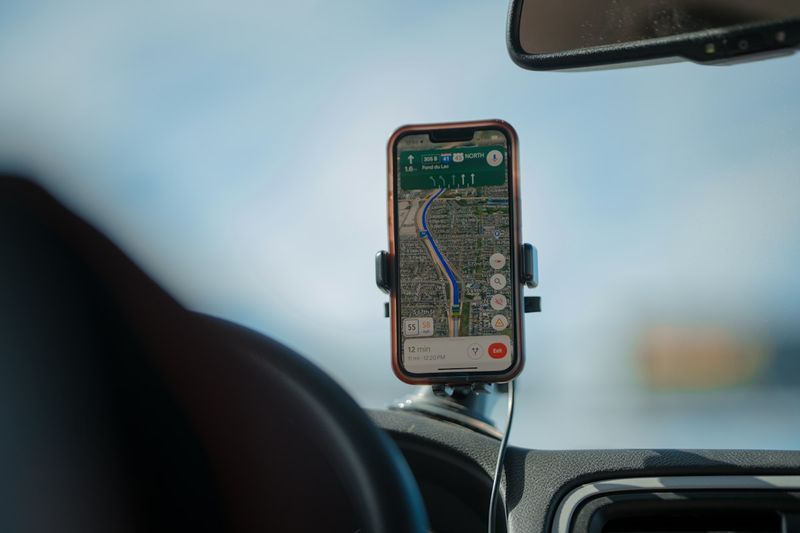
- Phone with a dash mount and a hardwired charging cable
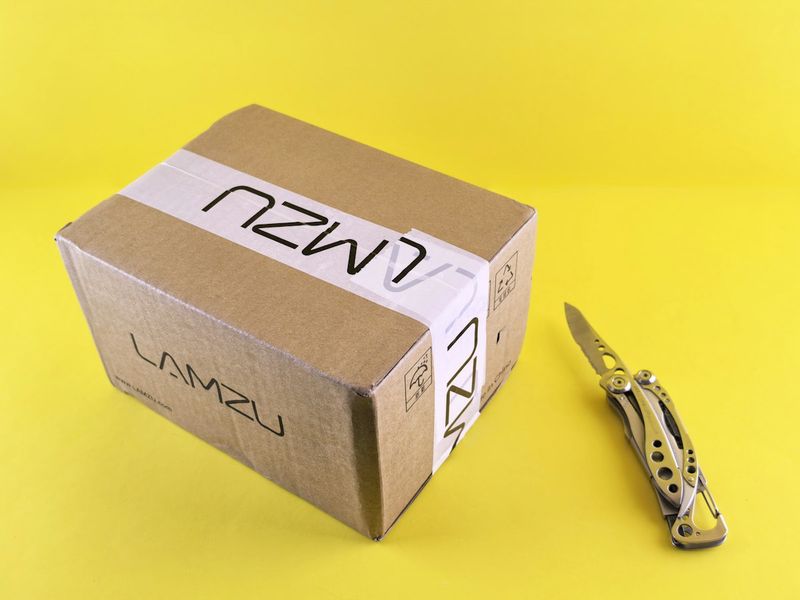
- A cutting tool for tape and shrink wrap — box cutter or a seatbelt-cutter folder
- A slim wallet with cash, a card, and ID separated for quick access
- A compact flashlight or headlamp for stairwells and unlit porches
- A small first aid kit — the kind that fits in a glovebox, not a backpack
- A pen and a scrap of paper for the rare moment an app glitches and you need a signature on paper
Everything else — snacks, a second phone, a backup battery pack, seasonal gear — belongs in the car, not on your body. Drivers who try to carry the whole kit in their pockets end up with a sagging belt and a phone screen covered in pocket lint. The gear that works is the gear you forget you’re wearing.

Keeping Your Phone Alive for a Full Shift
Navigation, order management, and photo confirmation all run off the same battery, and a screen that stays on for ten hours burns through a full charge in under four. A dash mount keeps the phone visible without you glancing down at a seat, and a hardwired USB-C PD cable — not a cigarette-lighter splitter from a gas station — is what actually keeps the battery topped off instead of slowly bleeding out over a shift.
The cheap multi-port splitters are the number one reason drivers go dark mid-route. They draw less current than the phone needs under constant GPS and screen use, so the battery creeps down all day even while “charging.” A single dedicated USB-C port rated for at least 18 watts solves this for about $12, and it’s worth carrying a short backup cable in the glovebox in case the primary one frays — cheap cables are the first thing to fail on a route that opens and closes the car door 150 times a day.
The Cutting Tool That Actually Earns Its Keep
Most delivery work isn’t about cutting rope or whittling — it’s slicing shrink wrap off a pallet or scoring tape on a box that won’t open by hand. A basic retractable box cutter handles that job better than a pocket knife ever will, because the blade is disposable and replacing it costs less than sharpening a folder. Keep two or three spare blades in the glovebox; a dull box cutter is more dangerous than a sharp one because it takes more force to cut, and more force means more slips.
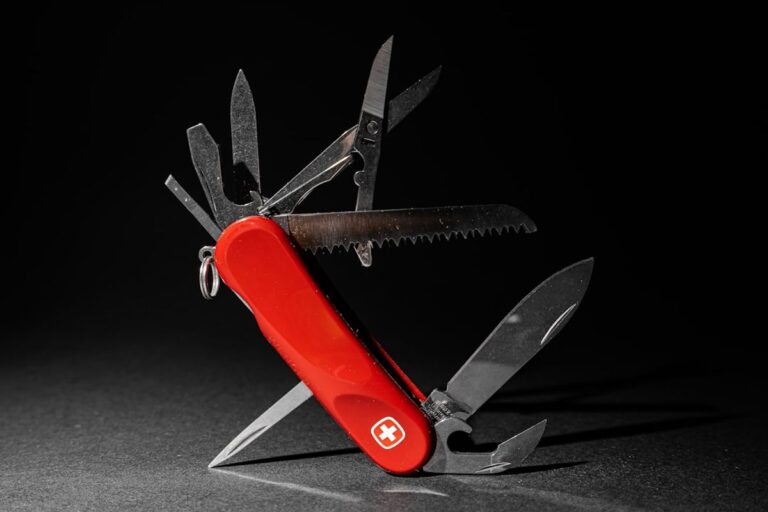
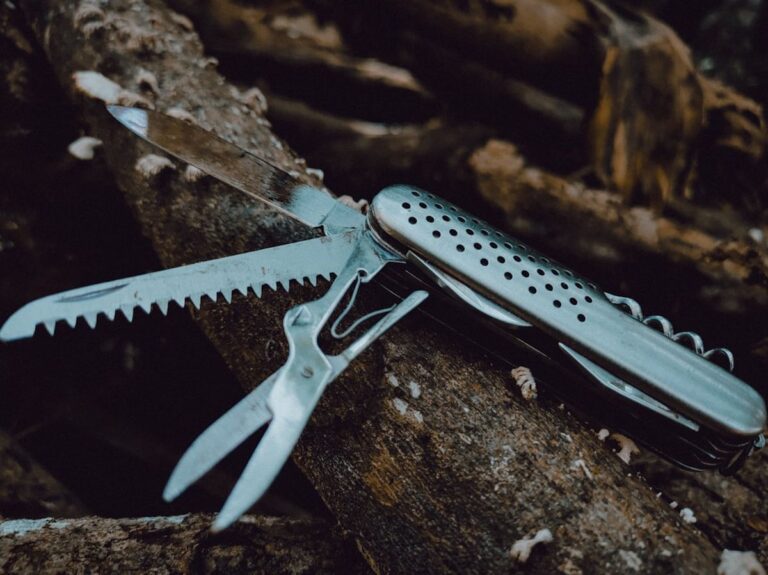
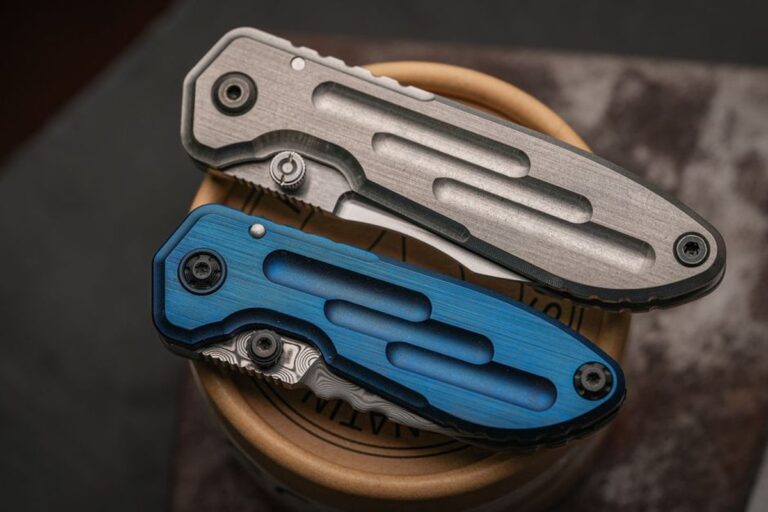
Drivers who prefer a folding knife over a disposable blade should lean toward something with an assisted or one-handed opening, since the other hand is usually holding a package or a phone. The single-blade vs multi-blade breakdown on this site covers which format actually holds up to that kind of one-handed daily use better than the multi-tool approach.
Payment and ID: The Wallet Built for Hand-Offs
Cash tips still happen more than apps suggest, and fumbling for a card in a bulky bifold while someone’s holding a door open is the kind of friction that costs you the next tip. A front-pocket card holder with a dedicated cash slot beats a back-pocket bifold for this job specifically — it comes out faster, and it doesn’t flatten into a brick after eight hours in a driver’s seat. The card holder vs bifold wallet test on this site breaks down exactly how each format handles under daily pressure, and the card holder wins for anyone handling cash mid-delivery.
Keep your driver’s license and one payment card accessible without digging, and leave anything you don’t need for a shift — loyalty cards, spare keys, old receipts — at home. A thinner wallet is a faster wallet, and speed is the entire point of EDC built around deliveries.

Light for the Last Stop After Dark
Winter shifts and late DoorDash runs mean the last few stops happen after sunset, often on porches with a burned-out bulb or an apartment stairwell with no lighting at all. A keychain light solves most of this — small enough to clip to a lanyard, bright enough to read a door number or find a mail slot. A headlamp is the better call for drivers who regularly carry boxes with both hands, since it frees you from juggling a flashlight and a package at the same time.
This site’s EDC flashlight buyer’s guide goes deep on lumens, runtime, and battery platforms if you want the full breakdown — for delivery work specifically, the short version is: skip anything over 500 lumens (you don’t need to blind a porch), and prioritize a pocket clip or keychain loop over a tactical grip you’ll never use.

First Aid for the Injury Every Route Eventually Causes
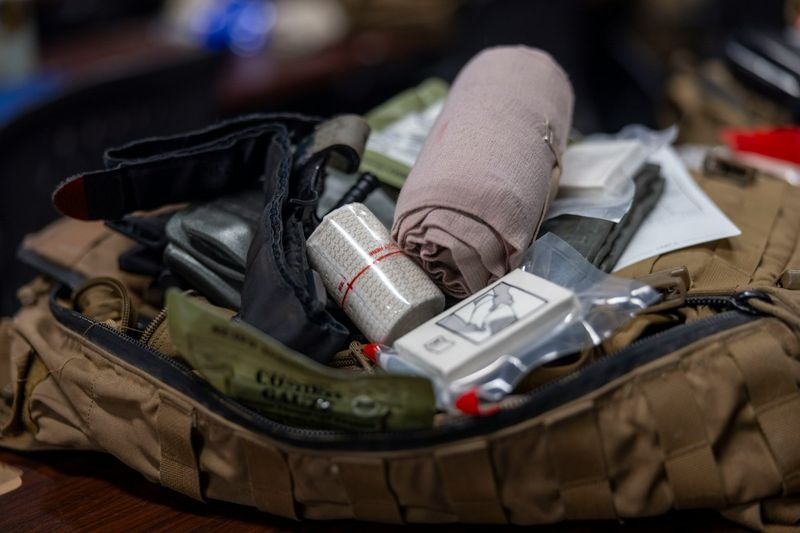
It’s rarely dramatic. Paper cuts from cardboard edges, a scraped knuckle on a mailbox, a twisted ankle running stairs two at a time to beat a delivery window — these are the injuries that actually happen on a route, and a glovebox-sized kit handles all of them. Look for one with adhesive bandages in a few sizes, antiseptic wipes, a blister pad or two, and a single compression wrap. Anything bigger than a sandwich-sized pouch is overkill for what a delivery shift actually throws at you.
The EDC first aid kit essentials guide on this site lays out exactly what belongs in a kit sized for daily carry rather than a weekend hike, which is the right scale for this job.
What Stays in the Car vs What Rides in Your Pocket
This is the split most delivery EDC advice skips entirely, and it’s the one that actually matters once you’ve been doing the job for more than a week. Your pockets should carry only what you’d need if you stepped out of the car for thirty seconds: phone, cutting tool, wallet, light, pen. Everything with a longer shelf life belongs in a console or a milk crate in the trunk, not weighing down your jeans.
- Backup phone battery pack (charged, not the one plugged into the dash)
- Extra charging cable and a 12V-to-USB adapter as backup
- A clipboard or small notepad for signature captures when the app won’t load
- Jump starter pack — a dead battery mid-shift costs you the whole day’s earnings, not just one stop
- A gallon of water and a couple of non-perishable snacks
- A folding umbrella or poncho for rain-delivery days
A dash-mounted battery bank is worth the extra $15 over a pocket one specifically because it charges silently through the whole shift instead of dying in a bag where you can’t see the percentage. The car is your actual storage unit on this job — treat the console like a toolbox, not a junk drawer.
Swapping the Kit by Season
Taiwan humidity and a Michigan ice storm demand two completely different kits, and most generic EDC lists ignore that a delivery driver is outside far more than the average commuter. Build a small seasonal swap into your car console instead of trying to carry a year-round kit that’s wrong for ten months of it.
- Summer: Electrolyte packets, a cooling towel, extra water, sunglasses, and sunscreen for drivers doing porch drops in direct heat
- Winter: Hand warmers, an ice scraper, grip gloves thin enough to still work a touchscreen, and a wool blanket for the car
- Rain: A waterproof phone pouch, a packable rain shell, and a microfiber cloth to wipe a wet screen before it stops registering taps
The honest take here is that most seasonal “must-have” lists are padded with gear you’ll use twice a year. Hand warmers and a rain shell cover 90% of the actual weather problems a driver runs into — the rest is marketing.
Frequently Asked Questions
What should I keep in my car as a delivery driver?
A backup phone battery and cable, a jump starter pack, a clipboard, water, snacks, and seasonal gear like an ice scraper or cooling towel. Keep pocket EDC limited to what you’d need outside the car for thirty seconds.
Do DoorDash or Amazon Flex drivers need a dedicated work phone?
Not usually. A dash mount and a reliable hardwired charger solve most of the battery problems that make a second phone feel necessary. A backup battery pack covers the rest.
What’s the best wallet for delivery driving?
A slim front-pocket card holder with a separate cash slot outperforms a back-pocket bifold for speed and comfort during an 8-plus-hour shift handling cash tips.
How many stops does an average delivery shift have?
It varies heavily by platform. Amazon DSP van routes commonly run 170 to 200+ stops across an 8-10 hour shift, while Amazon Flex block drivers typically handle 35-50 stops in a 3.5-4 hour block. DoorDash and other per-order gig platforms run far fewer, often 2-3 deliveries per hour.[1]
Sources
- Routerra — How Many Stops Does an Amazon Driver Make a Day? — driver-reported route data on DSP and Flex stop counts
- U.S. Bureau of Labor Statistics — Delivery Truck Drivers and Driver/Sales Workers — employment figures and projected growth through 2035
- Giltner Transportation — Truck Driver Everyday Carry — driver interviews on road-tested EDC habits