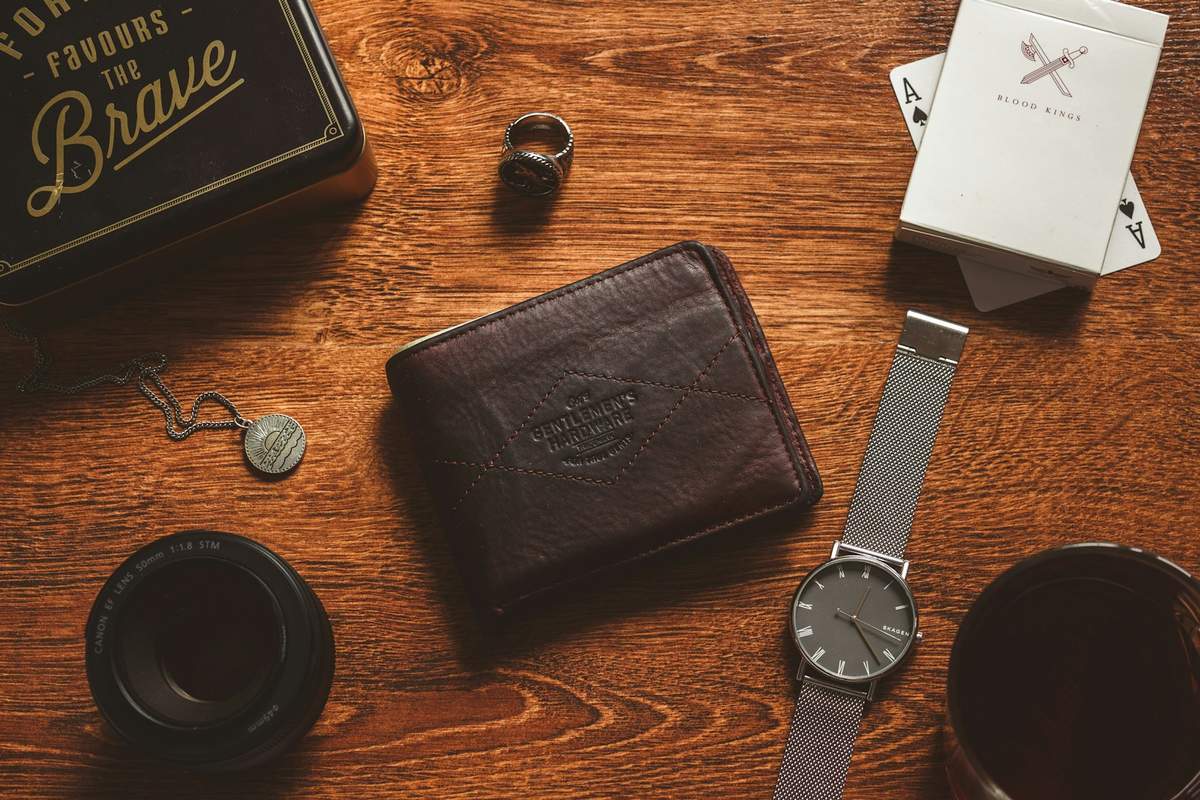
Money Clip vs Wallet: Best Pick in 6 Tests
A trifold stuffed with eleven cards and three gas station receipts doesn’t just look bad in a back pocket — it throws off how your jeans sit, and after a year it cracks the spine of even good leather. That’s the exact failure point that sends a lot of men looking at a money clip instead. The question isn’t which one is objectively better. It’s which one matches how many things you actually touch during a day, and money clip vs wallet comes down to five honest tests, not brand preference.
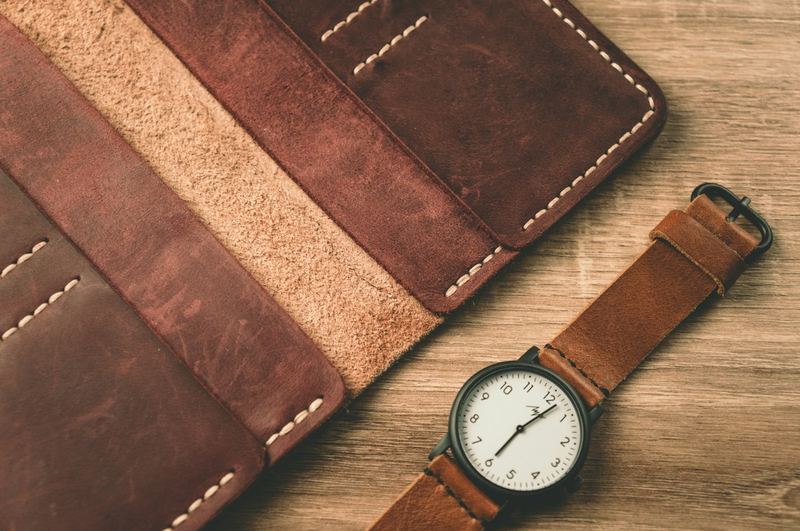
Two completely different philosophies for carrying the same five things.
Money Clip vs Wallet: What Each One Actually Solves
A money clip is a flat piece of metal — spring-loaded, hinged, or a simple bent bar — that holds folded cash and a handful of cards against your body with pressure instead of stitching. A wallet is a case: leather, nylon, or aluminum, with dedicated slots that hold things apart from each other. The clip’s whole design goal is thinness. The wallet’s design goal is separation and protection.
That difference matters more than the marketing copy suggests. A clip doesn’t care how many pockets your cash needs — it just squeezes everything into one stack. A wallet keeps your transit card from scratching your ID, keeps receipts from migrating into your cash fold, and gives you a dedicated spot for the one card you use fifty times a month. Neither is “better” in the abstract. They’re built for different volumes of stuff.
Pocket Bulge: Why a Money Clip Wins the Silhouette Test
Drop a money clip holding four cards and six folded bills into a front pocket and it adds maybe a quarter-inch of thickness. Do the same with a bifold holding the same items and you’re looking at three-quarters of an inch to a full inch, because the wallet’s stitched edges and card dividers don’t compress. That’s the whole case for a clip if you wear slim trousers or fitted jackets — a wallet-shaped lump under dress pants reads as sloppy no matter how nice the leather is.
The tradeoff shows up the moment you add a sixth or seventh card. A clip’s spring tension is calibrated for a specific stack height, so overloading it either weakens the grip on your cash or starts bending the bar permanently. A wallet’s slots don’t care — they just get fuller. If your carry count is genuinely small, the clip stays thin indefinitely. If it creeps up, the clip degrades faster than the wallet does.
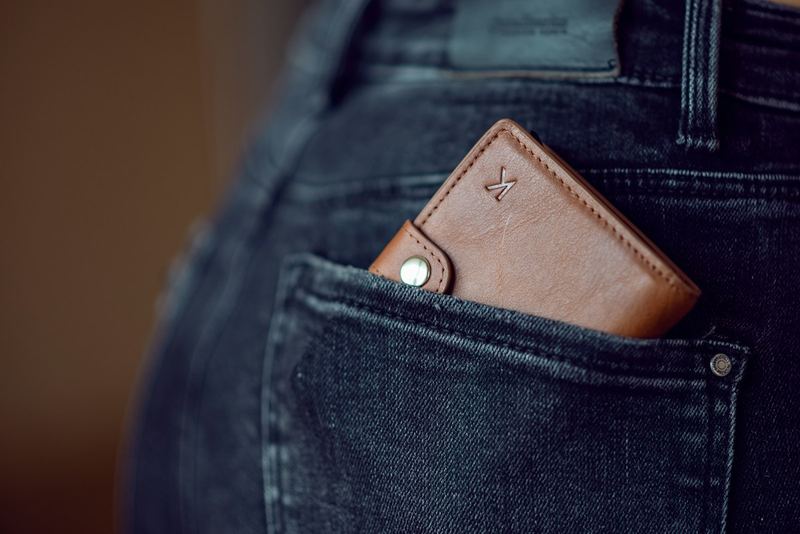
A loaded bifold adds real thickness a money clip never will.
Cash and Card Access: Which Is Actually Faster at the Register
Pulling a single bill off a money clip is one motion — pinch, slide, done. Getting the same bill out of a bifold means opening the fold, finding the cash pocket, and peeling one note off a stack that’s usually jammed against a receipt or two. At a register with someone waiting behind you, that difference is real, not theoretical.
Cards flip the advantage slightly. A clip holds its two to six cards loose against the cash, so you’re often thumbing through a small deck to find the one you want. A wallet with individual slots lets you go straight to the card by muscle memory — third slot from the left is always the transit card, fourth is always the debit card. If you pay with cash more than cards, the clip wins on speed. If you’re mostly tapping a card, the wallet’s organization wins.
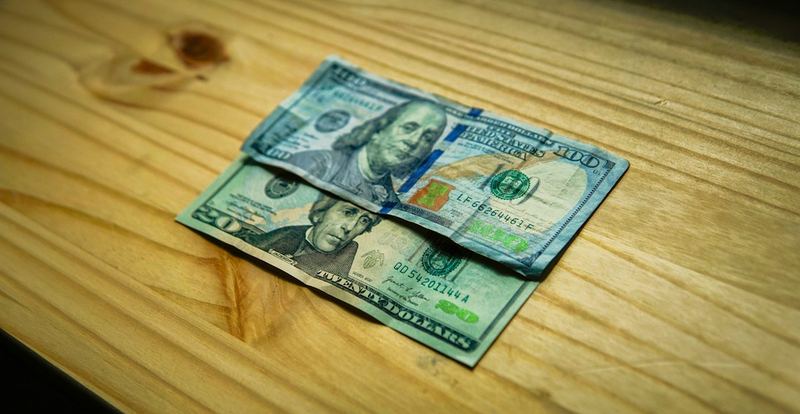
One motion gets a bill off a clip — a bifold takes three.
Card Capacity and Organization: Where Wallets Still Win
The average American actively carries 3.7 credit cards, according to Experian’s latest tracking. Add a debit card, a driver’s license, and a transit or gym card, and you’re at six items before you’ve touched a single dollar bill. Most money clips are rated for two to six cards sitting flat against the cash — which means a fair number of people are already past the clip’s comfortable limit before they even open their current wallet.
A wallet with real card slots doesn’t just hold more — it separates. That matters for anything with an RFID chip sitting next to a magnetic strip, for a card you don’t want visibly scratching your license, or for a receipt you need folded flat instead of crushed against a twenty. We covered this exact tradeoff in more detail in our card holder vs bifold wallet breakdown — the short version is that organization scales with slots, not with willpower to carry less.

Dedicated slots beat a clip once you’re past five or six cards.
Durability: What Breaks First on Each
A money clip’s failure mode is almost always the spring. Cheap stamped-steel clips lose tension within a year of daily use — you’ll notice it when a bill slips out mid-stride instead of staying put. Better clips use a hinged or bar-style mechanism that holds tension longer, but even those eventually loosen from thousands of insert-and-remove cycles. When a clip fails, it fails all at once: it just stops holding things.
A wallet degrades differently — slowly and visibly. Stitching loosens, leather cracks at the fold line, and card slots stretch out until cards start sliding loose. You get warning signs for months before a wallet actually falls apart, which gives you time to replace it before anything gets lost. That’s arguably the stronger case for a wallet if you tend to forget maintenance: a wallet tells you it’s dying, a clip just quietly stops working one morning.
Who Should Carry a Money Clip vs a Wallet
If your daily carry is genuinely two to four cards and folded bills, and you wear slim-cut pants or a blazer more days than not, a money clip will serve you better than almost any wallet on the market. Office workers heading to meetings, anyone in hospitality who’s constantly in and out of a front pocket, and minimalists who’ve already cut their card count belong in this group. We outlined the broader cutting process in our minimalist EDC guide if you haven’t trimmed your carry down yet.
If you’re carrying five-plus cards, loose change, or anything that needs to stay flat and separated — business cards, a spare SIM, a folded parking permit — a wallet is still the right tool. A lot of men end up running both: a slim wallet for travel and weekend errands, a clip for the office and nights out. That’s not indecision. It’s matching the tool to what’s actually in your pocket that day.
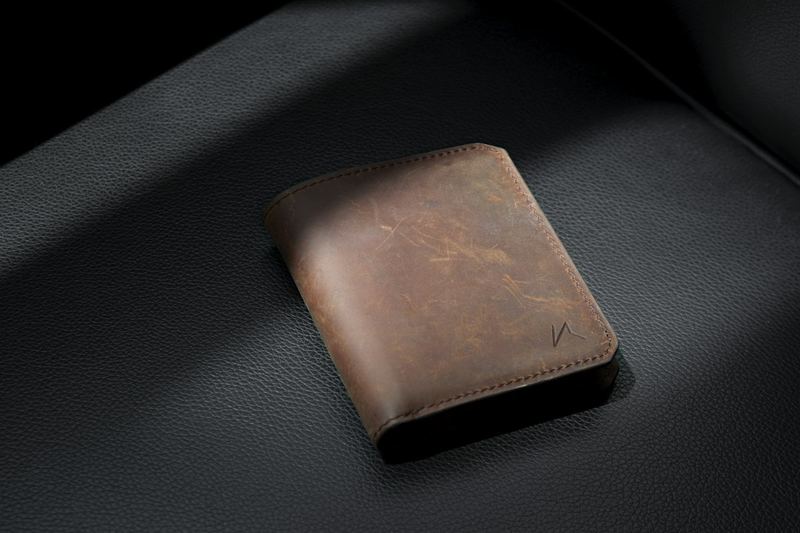
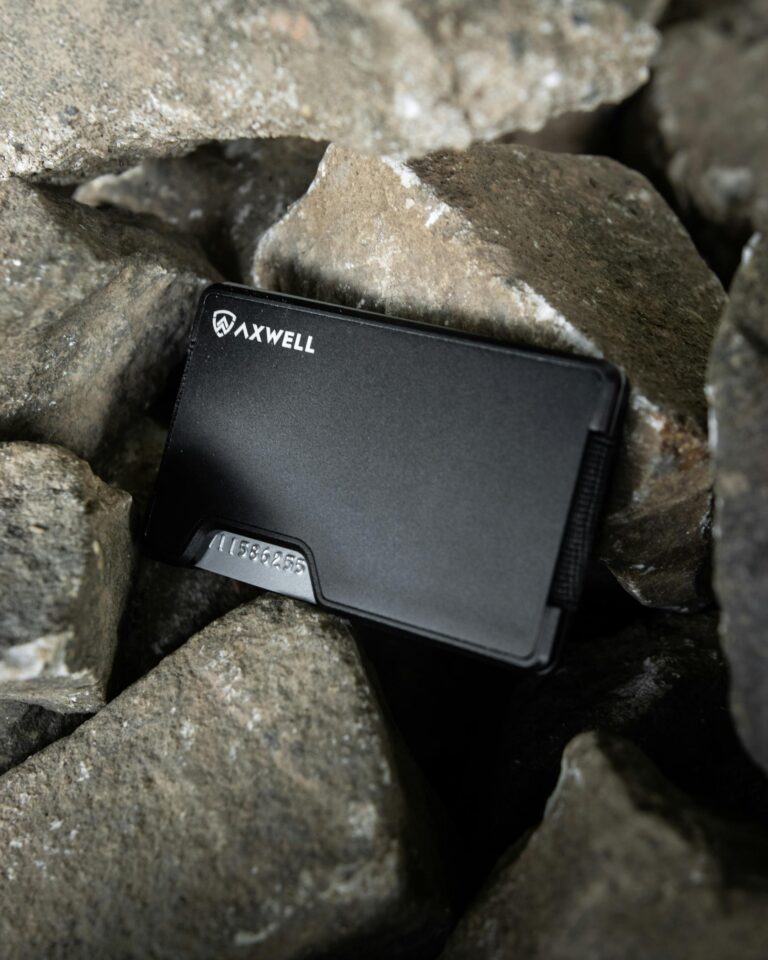
A minimalist card holder sits in the gap between a full wallet and a bare clip.
The Hybrid Option: Clip Wallets and Minimalist Cardholders
A growing category splits the difference: a slim card holder with an exterior metal clip or elastic strap bolted to the back. You get the wallet’s card slots on one side and the clip’s instant cash access on the other, in a package that’s still thinner than a bifold. The Ridge Wallet’s aluminum shell with cash strap is the most recognizable version of this — it carries like a card holder but has a strap doing the same job a traditional clip does.
The honest tradeoff on hybrids is cost and rigidity. A real clip wallet runs $40 to $100, well above a basic bifold, and the metal-backed versions don’t flex the way leather does, which some people find uncomfortable in a tight front pocket. But if you’ve been going back and forth on money clip vs wallet because you genuinely need both functions, this is the category that ends the debate instead of forcing a choice.
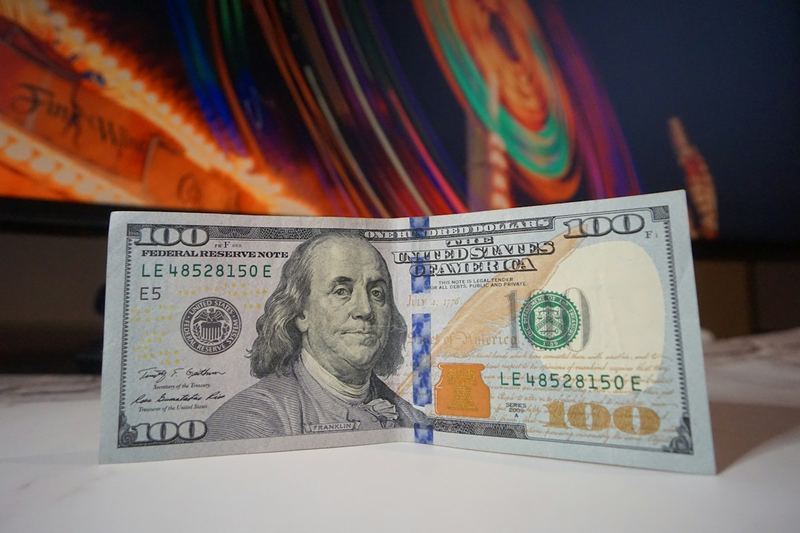
Folded bills ready for one-motion access — the core appeal of clip-style carry.
Frequently Asked Questions
Is a money clip better than a wallet?
Neither is universally better. A clip is thinner and faster for pulling cash, but a wallet holds more cards and protects them from scratching each other. The right choice depends on how many cards you actually carry, not which one looks sharper.
How many cards fit in a money clip?
Most money clips comfortably hold two to six cards pressed against the cash before the spring tension starts to weaken or the stack gets too thick to sit flat in a pocket.
Do money clips damage cash or cards?
A quality clip won’t damage bills, though repeated folding at the same crease can wear a bill’s paper faster than a flat wallet fold would. Cards sitting loose in a clip can pick up light scuffing over time from rubbing against each other.
Can I use a money clip at an office job?
Yes — a money clip is actually a better fit for office and business-casual settings than a thick bifold, since it disappears under slim trousers and doesn’t print through a front pocket during meetings.

Wallets fail slowly and visibly; clips fail all at once.
Buy based on what’s actually in your pocket this week, not what a minimalist Instagram photo made you want to own. If you’re down to four cards and folded bills, a money clip will feel like an upgrade the first day you carry it. If you’re still carrying six or more, don’t force a clip to do a wallet’s job — grab a slim bifold and revisit the clip once you’ve actually cut your card count.
Sources
- Experian — What Is the Average Number of Credit Cards? — active credit card ownership data used for the card capacity comparison.
- Ekster — Money Clip vs Wallet: The Pros & Cons for Each — background on clip mechanism types and slim-carry use cases.