
Cardholder vs Bifold: Which Minimalist Wallet Actually Wins
Pull out your wallet right now. If it’s a bifold, there’s a decent chance it’s sitting crooked in your back pocket, pushing your hip out of alignment when you sit down for more than twenty minutes. A 2015 chiropractic study on “wallet neuropathy” linked thick back-pocket wallets to lower back and sciatic nerve pain — not a hypothetical, a documented condition. That’s the real argument for going minimalist, and it’s also where a lot of cardholder hype oversells what the switch actually costs you. Here’s an honest, no-spin cardholder vs bifold wallet breakdown, built around how people actually carry in a city, not how a product page wants you to carry.
What a Cardholder Wallet Actually Is (and Isn’t)
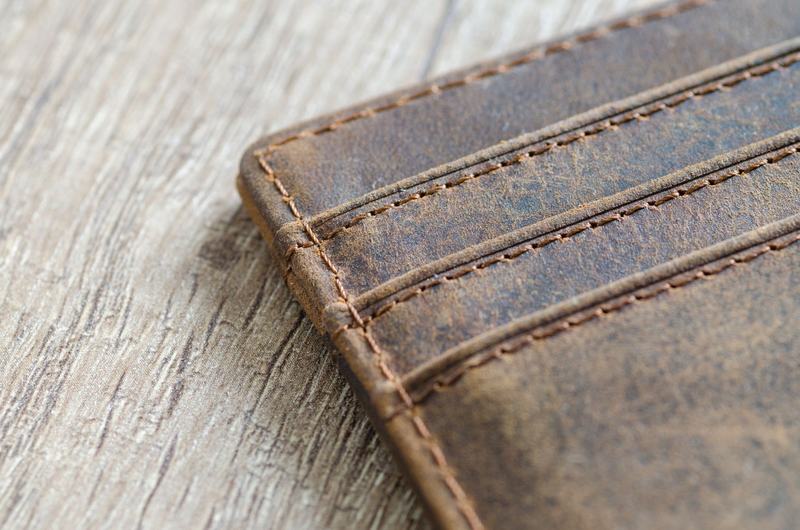
A cardholder wallet is a slim sleeve, usually leather or aluminum, built to hold somewhere between 4 and 10 cards with no fold, no flap, and — in most designs — no dedicated cash compartment. Some have a slot cut for a few folded bills; most don’t. The whole design goal is thickness: a loaded cardholder should sit under half an inch, versus the 0.75–1 inch a stuffed bifold can hit.
What it isn’t is a direct swap for your current wallet. It’s a different carry philosophy. You’re not just trading leather for aluminum — you’re trading “everything in one place” for “everything that fits.” If your daily carry includes a transit card, two credit cards, an ID, a gym key fob, and a $20 bill for emergencies, a cardholder forces you to make cuts before you even leave the house.
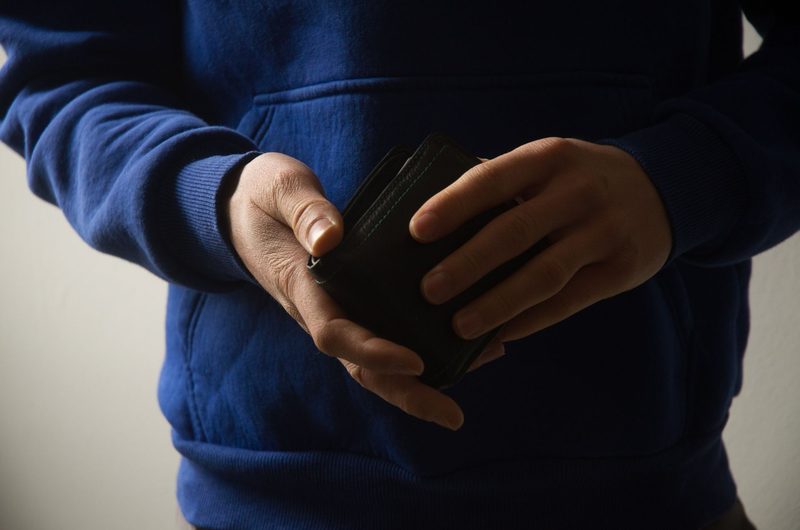
What a Bifold Wallet Still Does Better
Bifolds survive for a reason: they hold more, in more formats, without you having to think about it. Cash sits flat in its own pocket instead of getting folded around your cards. Most bifolds also give you 6–12 card slots plus a clear ID window, which matters if you still flash ID at a bar, a pharmacy counter, or airport security more than a couple times a week.
There’s also a durability argument that gets overlooked. A full-grain leather bifold with proper edge finishing will outlast most minimalist wallets, cardholder or otherwise, because the stitching and material are doing less structural work per square inch — a bifold spreads wear across a folded seam, where a rigid cardholder puts all the stress on four corners that take the brunt of every pocket sit-down.

Capacity and Bulk: Which One Disappears in Your Pocket
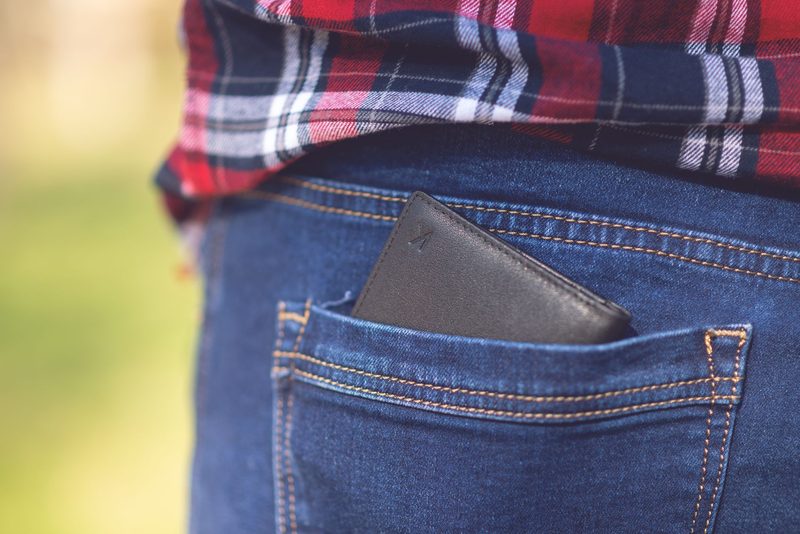
Run the numbers honestly. A cardholder with 6 cards loaded sits at roughly 0.3–0.4 inches thick and weighs 1–2 ounces. A bifold with the same 6 cards plus an ID window and a modest fold of cash lands at 0.6–0.9 inches and 2.5–4 ounces, depending on leather weight. That’s not a marginal difference — it’s the gap between a wallet you forget you’re carrying and one you feel every time you sit down in a car or on a train.
But “disappears in your pocket” only matters if what you’re carrying actually fits in a cardholder’s limits. If your real daily load is 4 cards and some cash, you’ll feel the difference immediately. If it’s 8+ cards plus loyalty cards plus cash plus a few receipts, a cardholder doesn’t make that load disappear — it just makes you carry an overstuffed sleeve that bulges just as much as a thin bifold would, minus the organization.
Cash Handling: Where Cardholders Fall Apart
This is the category where the minimalist pitch gets the most dishonest. Most cardholder wallets either have no cash slot or a token one that holds two or three bills folded in half, wedged against your cards. That’s fine if you’re a tap-to-pay household. It’s a real problem the moment you hit a food truck, a tip jar, a parking meter, a farmers market stall, or any small vendor in a city that still runs partly on cash.
A bifold’s dedicated cash pocket keeps bills flat and separate from your cards, so you’re not peeling a $5 off a stack that’s also holding your debit card against a magnetic strip reader. If cash is more than an occasional backup for you, this single feature is reason enough to stay bifold, no matter how good the slim-carry argument sounds on paper.

Durability and Material: Which Lasts Longer in a Pocket
Material matters more than brand name here. Full-grain leather cardholders will develop a patina and soften over 1–2 years of daily carry, same as a quality bifold — the leather itself doesn’t care which shape it’s cut into. Aluminum and carbon-fiber cardholders trade that aging process for rigidity: they won’t wear out, but they can crack at stress points if dropped on concrete, and the spring-loaded card-ejection mechanisms some of them use are the first thing to fail, usually inside 18 months of daily use.
Stitched bifolds fail differently — at the seams, not the frame. A well-built leather bifold with waxed thread and reinforced corners can run 5+ years of daily carry before the stitching needs attention. A $15 bonded-leather bifold, meanwhile, will crack and peel inside a year regardless of how you carry it. Price and construction quality matter more than the cardholder-vs-bifold question itself.
Who Should Actually Carry a Cardholder
A cardholder makes sense if your real daily carry is genuinely small: a debit card, a credit card, an ID, maybe a transit pass, and cash is a rare exception rather than a daily need. It’s also the better call if you’re already carrying a phone case with a card slot or an Apple Pay/Google Pay habit that’s replaced most swipe-and-sign transactions. Commuters who tap through transit gates all day and office workers who badge in with a card are good fits — you’re optimizing for speed and pocket space, not storage.
It also suits anyone who’s tired of a wallet-shaped dent in their back pocket from sitting at a desk all day. If your current bifold is visibly misshaping your jeans, dropping to a cardholder is a legitimate fix, not just a trend.
Runners and cyclists who carry on their person rather than in a bag fall into this group too — a cardholder in a jersey pocket or armband sleeve doesn’t flex and shift the way a bifold does mid-stride. If your EDC already revolves around moving fast through a city rather than sitting at a desk, the cardholder’s rigidity stops being a downside and starts being the point.

Who Should Stick With a Bifold
If you regularly handle cash — tipping, street vendors, splitting a bill, kids’ lunch money — a bifold’s dedicated cash pocket isn’t a nice-to-have, it’s the feature that keeps your money organized. The same goes for anyone who needs an ID window for frequent verification: bartenders checking age, building security, or jobs that require a visible badge or license multiple times a day.
Front-pocket carriers also tend to do better with a slim bifold than a rigid cardholder, since leather flexes with your body and a metal or hard-shell cardholder doesn’t. And if you’re carrying for a professional context — client meetings, interviews, anywhere a scuffed aluminum sleeve reads as try-hard — a well-kept leather bifold still signals more than a tech-forward cardholder does.
Parents fall squarely in this camp as well. Between insurance cards, a kid’s school ID copy, loose cash for vending machines, and the odd folded permission slip, a bifold’s extra slots and flat cash pocket do real work that a 6-card sleeve simply can’t absorb.
The Verdict: Cardholder vs Bifold for Daily Urban Carry
There’s no universal winner here, and anyone telling you there is hasn’t actually carried both for a month. If your daily load is genuinely under 6 items and cash is rare, a quality leather or aluminum cardholder will cut real bulk and weight with almost no downside. If you carry cash regularly, need an ID window, or just haven’t audited what’s actually in your wallet in the last year, a well-built bifold is still the more practical daily carry — slimmer bifolds exist specifically to split this difference, and they’re worth a look before you commit to either extreme.
The honest move: dump your current wallet out, count what you actually use in a normal week, and buy for that number — not for the Instagram version of your EDC. Switching cold turkey to a cardholder because a video made it look clean is how you end up back on a bifold within a month, just a cheaper one.
FAQ
Can a cardholder wallet hold cash at all?
Some models include a slim slot for 2–3 folded bills, but most cardholders are designed card-first with cash as an afterthought. If you need to carry cash daily, check for a dedicated cash strap or pocket before buying — don’t assume every cardholder has one.
Is RFID blocking actually necessary in a cardholder or bifold?
For most people, no — contactless card skimming in public is rare and most modern cards already use encrypted chip transactions. It’s a reasonable extra feature if it’s built in, but it shouldn’t be the deciding factor between styles.
How many cards can a typical cardholder actually fit before it stops working well?
Most slim cardholders are comfortable up to 6-8 cards. Past that, cards get hard to pull out individually, aluminum designs can jam, and you lose the slim-profile advantage that’s the entire point of switching.
Do front-pocket wallets need to be cardholders, or can a bifold work there too?
A slim or “breast pocket” bifold can work in a front pocket if it’s built thin enough from the start. The issue isn’t the fold itself, it’s overall thickness — a slim bifold under 0.5 inches carries fine in a front pocket, while a fully loaded standard bifold won’t.