Realtor EDC: 7 Essentials for Showings
Eighty-six percent of residential agents show homes alone, according to the National Association of Realtors’ 2024 Member Safety Report — no assistant, no co-worker, just an agent and a stranger walking through an empty house. A realtor who does four showings on a Saturday walks into four houses they’ve never stood in before: dark stairwells, dead doorbells, a cabinet door that won’t latch while a buyer is standing right there. Showable’s own open house checklist runs long on sign-in sheets and bottled water, and it’s right to. But none of it is in your pocket when you’re thirty feet ahead of a client, reaching for a light switch that doesn’t work. That’s a different kit, and it’s the one this article covers.
Realtor EDC: What’s Actually On You During a Showing
Most “realtor essentials” lists are really car-trunk lists — tool kits, extra light bulbs, lint rollers, stacks of brochures. Useful, but none of it is accessible mid-showing. Realtor EDC is narrower: the handful of items clipped to a belt, slid into a blazer pocket, or hooked onto a keyring, available the second you need them without running back to the car.
In practice that’s five or six items: a pocket flashlight, a small multitool, a pen that won’t skip, a way to manage lockbox keys, a personal safety item, and a charger that gets your phone through back-to-back appointments. None of it is bulky. All of it has to survive being clipped, dropped, and shoved into a blazer pocket between houses.

The Flashlight That Gets You Into Basements and Attics
Sellers turn utilities down or off between showings more often than agents expect, and a vacant listing’s breaker box is rarely where the disclosure says it is. A keychain or pocket-clip flashlight in the 100–300 lumen range handles a dark stairwell or crawl-space access panel without you fumbling for a phone light that dies the moment a buyer asks a question.
Rechargeable is worth the extra few dollars here. A light that sits in a pocket for three weeks between vacant-property showings and still has a full charge beats one that needs a fresh AAA you forgot to restock. Skip anything that needs two hands to turn on, too — a twist-tail or single-button light you can flick on while still holding a clipboard is the difference between looking prepared and looking like you’re improvising. EDC laws vary by state for blades, but pocket flashlights carry zero legal friction anywhere — one less thing to think about before a listing in an unfamiliar city.

A Multitool for the Five-Minute Fixes That Close Deals
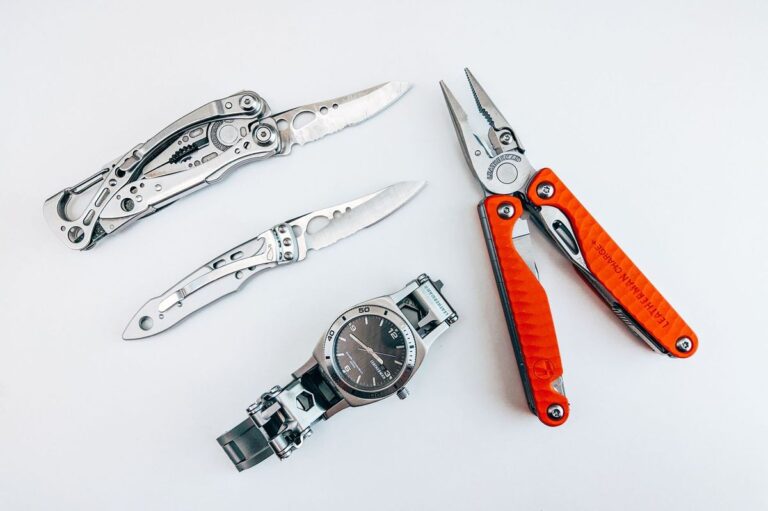
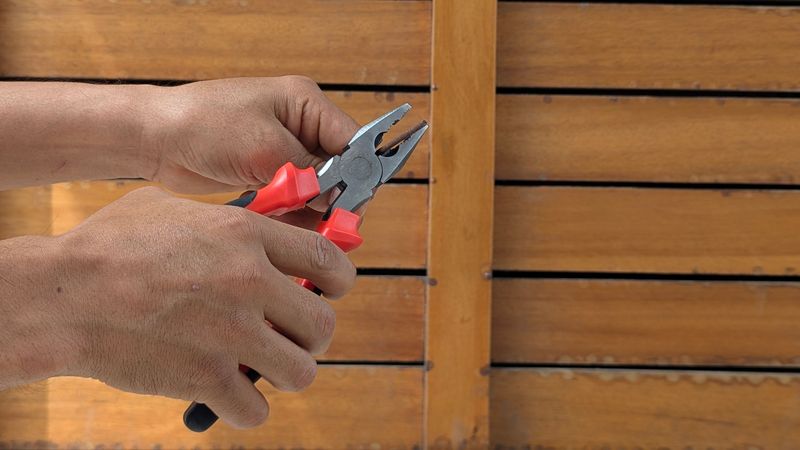
A sticky deadbolt, a loose cabinet hinge, a bent screen door track, or an electrical outlet cover that won’t sit flush all read as “the house has problems” to a buyer standing right there — even when it’s a thirty-second fix. A compact multitool with pliers, a small screwdriver head, and a flat edge solves the problem before the client has time to write it down as a concern.
The ones that pull double duty best are flat enough to sit in a blazer pocket without printing through the fabric. Weight matters more than feature count here — a 6-ounce tool you’ll actually carry beats a 12-ounce one that lives in the glovebox because it’s too heavy for a jacket. Our buying guide for EDC multitools breaks down which models stay this slim without losing the tools you’d actually use on a listing.
The Pen That Survives a Signing Table
Realtors sign and initial more pages in a week than most people do in a year, and a pen that skips halfway through a disclosure form in front of a nervous first-time buyer is a bad look at the worst possible moment — right when you want the signature to feel routine, not stressful. A pressurized-cartridge pen — the Fisher Space Pen is the standard reference here — writes at any angle, on a clipboard balanced on a knee, without drying out in a hot car over a long weekend between open houses.
Carry two. Pens disappear at closing tables and open houses faster than almost any other item on this list, borrowed by a buyer’s agent or a lender and never returned, and a backup in a different pocket means you’re never patting yourself down in front of a client.

Personal Safety Without Carrying a Weapon
NAR’s 2024 report found residential agents feel least safe during open houses (34%) and while showing vacant properties in areas with poor or no phone coverage (34%, a number that’s barely moved since 2020). This site doesn’t cover firearms, and plenty of brokerages and listings explicitly bar agents from carrying one on the job anyway — but that doesn’t mean going in with nothing.
A loud personal alarm or whistle clipped to the same keyring as your lockbox fob is legal everywhere, fits in a pocket, and does one job well: it draws attention fast if a showing goes sideways. Pair it with the habit NAR’s own safety training pushes hardest: share your showing schedule and address with someone — a broker, a spouse, a group text — before you walk in, every time, not just for unfamiliar listings.

Keeping Lockbox Codes and Keys From Becoming a Liability
A loose ring of a dozen unlabeled keys is how agents end up standing on a porch, trying three wrong keys while a buyer waits behind them. Worse, it’s also how a seller’s trust erodes fast if a key goes missing and nobody can say where. A keyring with contained, cushioned compartments — rather than a bare metal ring — keeps codes and physical keys from scratching each other and from jingling audibly in a quiet open house.
Electronic lockboxes like Supra and SentriLock cut down on physical keys, but they don’t eliminate the problem — gate codes, shed padlocks, and mailbox keys still end up on paper or in a notes app unless you give them a home. A dedicated key organizer solves a problem specific to this job: you’re carrying access to other people’s homes, not just your own. That’s worth treating differently than a personal keyring, and worth labeling discreetly rather than trusting memory across a dozen listings a month.

Charging Through a Full Day of Showings
Your phone is the lockbox app, the MLS listing photos, the client group text, and the GPS to the next address — often all open at once. A slim 5,000–10,000mAh power bank in a blazer pocket or bag side pocket means a dead battery at 4 PM doesn’t turn into a missed showing confirmation at 5. Our power bank picks for daily carry cover which sizes actually fit a pocket without printing a brick-shaped outline through a jacket.
Skip the cable tangle. A power bank with a built-in cable, or one dedicated short cable that lives in the same pocket, is one less thing to dig for between a listing and the car.

What to Leave in the Car Instead
Not everything belongs on your body, and overloading a blazer pocket defeats the point. Spare light bulbs, paper towels, air freshener, a full-size tool kit, extra yard signs, and a stack of brochures all belong in the trunk, not clipped to a belt. The test is simple: if you’d need to walk back outside to get it, it’s a car item, not an EDC item.
The same logic cuts the other way. A flashlight you left in the trunk is useless the moment you’re already inside a dark hallway with a client two steps behind you. The pocket kit is small on purpose — six items, maybe seven — because anything you have to think about carrying is an item you’ll eventually forget.
FAQ
Do realtors need a weapon for safety during showings?
No, and many brokerages and listings explicitly prohibit it. A personal alarm, a shared showing schedule, and basic situational habits cover far more of the real risk — meeting a stranger alone in an empty house — than a weapon does.
What’s the single most useful item in a realtor’s EDC?
A dependable pen, by a wide margin. It’s used on every single appointment, multiple times, and a skipping pen during a signature is the one failure a client actually notices.
Is a multitool overkill for a real estate agent?
Not for anyone doing regular showings. A loose cabinet hinge or sticky lock reads as a defect to a buyer in the room; a thirty-second fix with a compact tool reads as competence instead.
What’s the difference between a trunk kit and a pocket EDC kit?
A trunk kit covers staging and maintenance — tools, bulbs, signs, cleaning supplies. A pocket kit covers what you need the instant you’re standing in a room with a client and can’t step outside to grab it: light, a quick fix, a working pen, and a way to stay safe.
How should realtors carry lockbox keys separately from personal keys?
Keep them on a dedicated, labeled ring rather than mixed in with house and car keys. It’s faster to find the right key under pressure, and it keeps access to a client’s property from getting tangled up with your own.
Sources
- 2024 Member Safety Residential Report — National Association of Realtors — safety statistics for agents showing residential properties.
- What to Bring to an Open House as a Realtor — Showable — baseline open house supply checklist used for comparison against pocket-level EDC.
- The Real Estate Agent Emergency Kit — Inman — car-kit tool reference distinct from on-body carry.