Best EDC Key Organizer: 7 Buying Tips
A Ford F-150 key fob runs almost 3 inches long and nearly an inch thick before you clip on a single house key. That one fob is the reason half the key organizers reviewed online get a one-star complaint buried in the reviews: “doesn’t fit my car key.” Everydaycarryguy has tested and returned three different organizers over the past two years for exactly that reason, and the fix isn’t a better organizer — it’s knowing what to check before the order ships.
This guide skips the 15-product rundown you’ll find everywhere else and focuses on the decisions that actually determine whether an EDC key organizer earns a permanent spot in your pocket or ends up in a junk drawer by week three.
What an EDC Key Organizer Actually Fixes
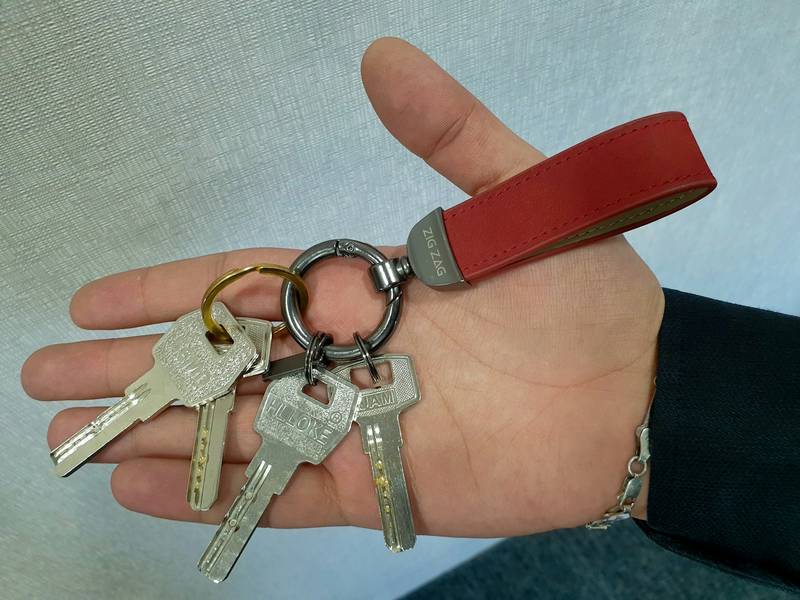
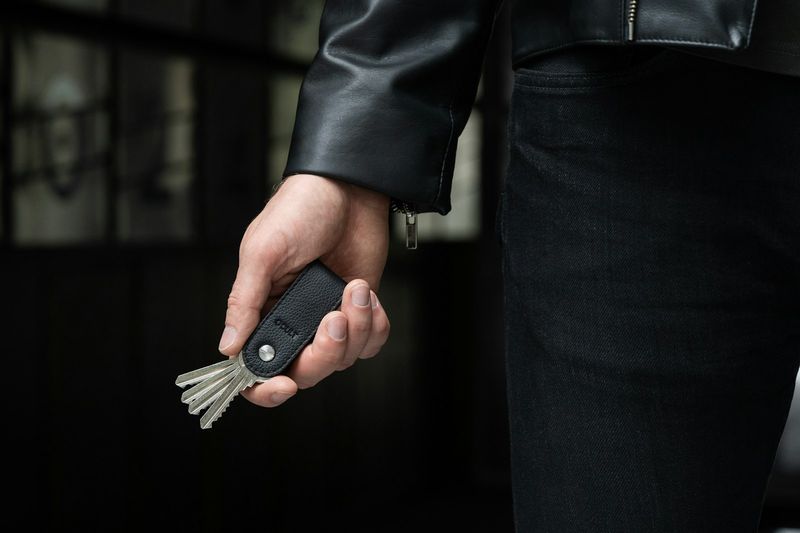
Loose keys on a ring do two things badly: they scratch phone screens sitting in the same pocket, and they announce themselves with every step. A key organizer solves both by compressing keys into a flat stack, usually held by a center bolt, a leather loop, or a spring-loaded bar, so the blades sit parallel instead of splayed out.
The secondary benefit is less obvious until you’ve carried one for a month: a flat stack is easier to find by feel. Reaching into a pocket for a loose ring means fishing around for the right blade by trial and error. A fanned organizer like a KeySmart lets you flip through keys the way you’d flip through index cards, which matters more at a dark apartment door than any spec sheet captures.
None of that matters if the thing you’re organizing doesn’t fit the case — which is the next problem, and the one most buying guides skip entirely.
Check Your Car Key Fob Before You Buy Anything
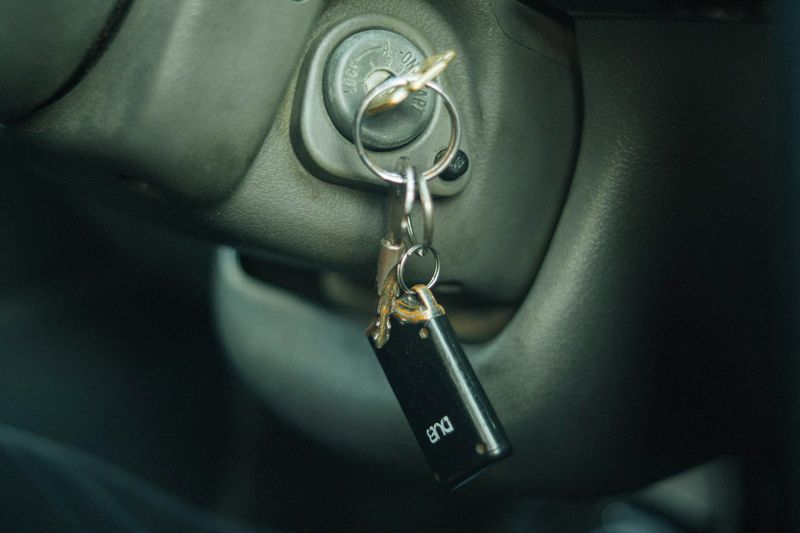
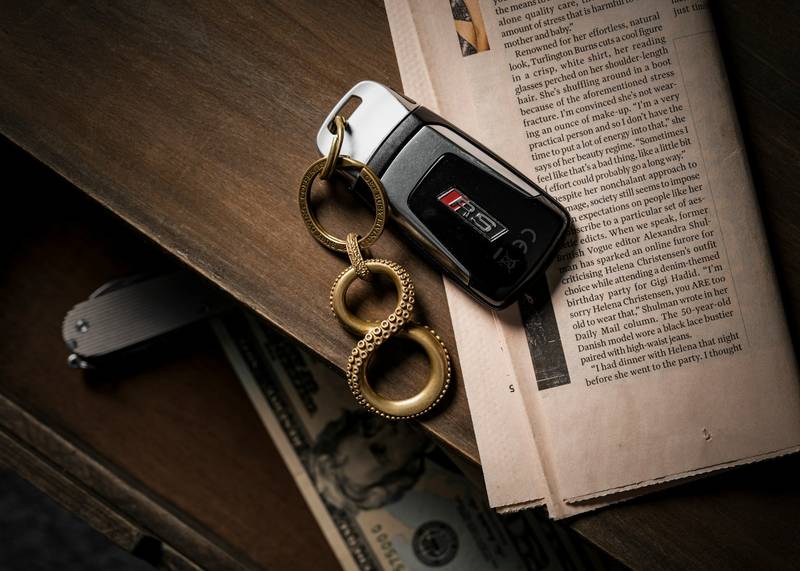
Here’s the detail most “best key organizer” roundups leave out: no organizer hides a bulky fob. Clamp-style organizers like Orbitkey and KeyBar sandwich keys between two plates, and a remote-start fob is too thick to sit in that stack. The standard workaround is to hang the fob off the organizer’s end ring instead of clamping it in — which defeats half the point of buying one.
Before ordering, measure your key fob’s thickness. Anything over roughly 10mm is a poor fit for a clamp-style case and a better match for a hard-shell case like the Ridge Key Case, which is built around a single thick key rather than a stack of thin ones. If your car uses a proximity fob with no physical blade at all, skip key organizers entirely and look at a slim pouch instead — clamping an electronic-only fob provides no benefit and risks cracking the case.
This single check eliminates more returns than any material or brand comparison. Get the fob question right first, then move on to how you actually want to carry the thing.
Loop, Clip, or Hard Case: Match the Style to How You Carry
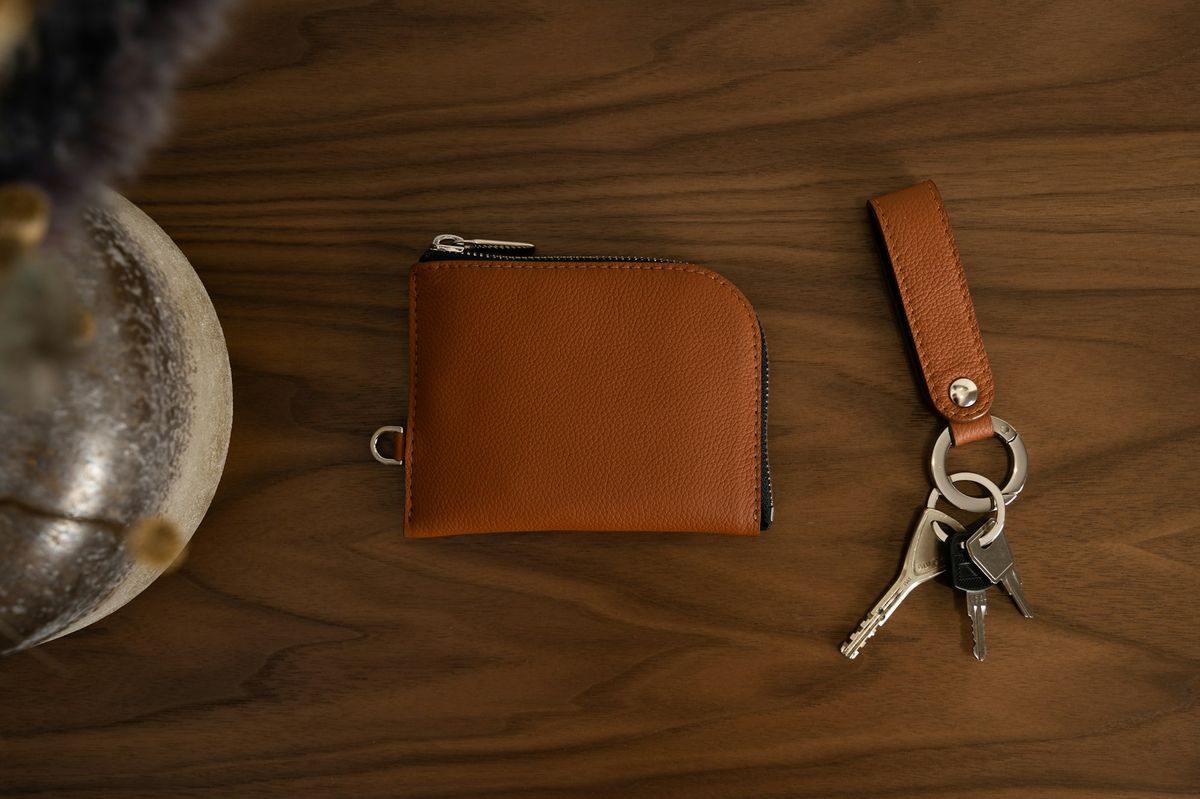
Three attachment styles cover nearly every organizer on the market, and each one changes how the keys ride in your pocket. A loop-style organizer, like Orbitkey’s leather band, sits flat and quiet but requires pulling the whole stack out to access a single key — fine for someone who only uses their house and car key daily, frustrating for anyone juggling a mailbox key and two office doors.
A clip-style setup rides external to the pocket, usually on a belt loop or bag strap, trading pocket space for visibility and faster single-hand access. It’s the choice commuters tend to prefer, since it’s one less thing to dig for while walking through a turnstile — see our commuter EDC essentials guide for how that fits into a broader transit-day loadout.
A hard case, the Ridge and Keyport style, protects keys from pocket lint and coin scratches but adds the most bulk of the three. If you already carry a slim wallet and don’t want a second brick in your pocket, a hard case is the one style worth trying on before buying — most retailers that sell Ridge products also carry a bare dimensional mockup for exactly this reason.
How Many Keys You’re Actually Carrying
Count your keys before you shop. Single-sided loop organizers like Orbitkey hold 2-7 keys comfortably; past that, the band stretches thin and keys start overlapping instead of sitting flush. Sandwich-style organizers like KeyBar and KeySmart scale further, with expansion packs pushing capacity past 20 keys on the higher-end models, which is overkill for most people but genuine for property managers or anyone running a small fleet of rental units.
The honest answer for most daily carriers: house key, car key or fob, one work or mailbox key, and maybe a bike lock key. That’s 3-5 keys, which fits comfortably on nearly every organizer style without needing the largest capacity option on the shelf. Buying a 20-key organizer to carry four keys just adds bulk for no reason — the same logic that applies to cutting unnecessary items from the rest of your EDC.
Leather, Aluminum, or Polymer: What the Material Changes
Leather organizers, Orbitkey’s signature material, age into a patina and stay quiet against a phone or coins, but they don’t love humidity and will eventually need conditioning if you live somewhere wet. Aluminum and steel cases, the KeyBar and Ridge approach, shrug off drops and scratches but transmit more rattle unless the keys are clamped tight. Polymer and reinforced nylon sit in between — lighter than metal, more weather-resistant than leather, usually the cheapest of the three.
The material question isn’t really about which one is “best.” It’s about what’s already in your pocket. Carrying an aluminum wallet or a metal pen means a leather key organizer adds welcome texture contrast and won’t click against your other gear. Carrying a slim card holder like the one in our card holder vs bifold wallet breakdown means a matching leather key case keeps the whole pocket looking intentional rather than thrown together.
What You’re Actually Paying For at Each Price Tier
Under $30 buys a functional organizer, not a cheap imitation. The KeySmart Rugged and similar budget polymer models clamp keys securely and survive years of pocket wear — the money you’re not spending goes toward premium materials, not basic function. At this tier, expect plastic or coated-steel plates and a simple hex-bolt assembly you tighten yourself.
$40-70 is where Orbitkey’s standard leather models and KeyBar’s base aluminum organizer sit. This tier adds real material upgrades: full-grain leather that patinas instead of cracking, or anodized aluminum that resists scratching. It’s also where brands start offering swappable accessories — bottle openers, USB drives, tracker mounts — that clip onto the same base frame.
Past $100, you’re paying for engineering refinement more than raw function: KeySmart’s Pro models with built-in Tile tracking, Orbitkey’s premium LWG-certified leather lines, or Ridge’s machined-aluminum Key Case. The jump from $70 to $150 buys noticeably better fit and finish, but it rarely changes how many keys the thing holds or how it attaches to your pocket. Unless a specific feature like Bluetooth tracking matters to you, the $40-70 tier is where most daily carriers land and stay.
Quiet and Slow vs Fast and Clicky: The Access Tradeoff
Orbitkey’s band system is the quietest option on the market because the keys stay compressed with no moving parts — but that means pulling the entire stack around the loop every time you need one specific key. KeySmart’s fanning mechanism trades that quiet for speed: keys swing open individually, like a pocketknife, so you can grab the right one in a second without handling the rest. KeyBar sits in the middle, using a pocket clip and bar system that’s faster than a pure loop but noisier than Orbitkey’s band.
Neither mechanism is objectively correct. A teacher unlocking the same two doors forty times a day wants KeySmart’s speed. Someone who touches their keys twice daily — once leaving the house, once coming home — will never notice Orbitkey’s extra half-second and will appreciate the silence far more.
Three Setup Mistakes That Make a Good Organizer Feel Bad
The most common complaint about key organizers isn’t the product — it’s how people load it. Three mistakes show up constantly in reviews and forum threads. First, clamping keys in random order instead of by frequency of use, which means digging past three keys to reach the one you grab every day. Load your most-used key on the outside edge, not buried in the middle of the stack.
Second, over-tightening the center bolt on a sandwich-style organizer. It’s tempting to crank it down so nothing rattles, but an over-tight bolt stops keys from fanning open cleanly and puts stress on the screw threads over time. Finger-tight plus a quarter turn is the standard most manufacturers recommend, not a wrench.
Third, ignoring key orientation. Keys mounted blade-up instead of blade-down catch on pocket seams and fabric, which is the single biggest reason people abandon an otherwise good organizer within the first week. Flip any key that snags before writing off the whole product.
Frequently Asked Questions
Will a key organizer fit my car’s remote-start fob?
Maybe not inside the clamp itself. Most organizers hang a bulky fob off the end ring rather than compressing it into the stack. If your fob is thicker than about 10mm, a hard-shell case built for a single key, like the Ridge Key Case, is a better fit than a clamp-style organizer.
How many keys can a typical EDC key organizer hold?
Loop-style organizers like Orbitkey comfortably hold 2-7 keys. Sandwich-style organizers like KeyBar and KeySmart scale higher, with expansion packs on some models pushing past 20 keys, though most daily carriers only need room for 3-5.
Is a Bluetooth tracker worth paying extra for?
If you’ve lost your keys more than once this year, yes. A built-in Tile tracker, like the one on the KeySmart Pro, adds real recovery odds for a modest price jump. If you’ve never misplaced your keys, it’s an unnecessary feature you’re paying for either way.
Do leather key organizers hold up in humid climates?
They hold up fine with occasional conditioning, but they’re not the best match for constant high humidity or heavy daily sweat exposure. Aluminum or polymer organizers resist moisture damage better and are worth considering if you live somewhere consistently wet.
Sources
- The Autopian — Car Key Fobs Are Way Too Big, But You Can Solve That Problem — background on why modern remote-start fobs don’t fit standard key organizers.
- Orbitkey — official specs on loop-style capacity and leather material options.
- KeySmart — official specs on fanning-mechanism organizers and Tile tracker integration.