Minimalist EDC: 7 Things to Cut First
A guy at a gym near Union Square showed me his everyday carry last month: two multitools, a backup folding knife, three flashlights, and a tin of loose hardware he hadn’t touched in a year. None of it was bad gear. All of it was dead weight he carried out of habit. That’s the trap minimalist EDC is built to break — not an aesthetic of owning as little as possible, but a discipline of cutting anything that duplicates a job another item already does. Most people don’t overpack because they plan to use everything. They overpack because removing an item feels like pulling a safety net, even when that net already has a knife-shaped hole in it.
Why Carrying More Doesn’t Make You More Prepared
Redundancy feels responsible. Two knives, three lights, a spare multitool — it reads like foresight. In practice, it’s the opposite. Every extra tool is extra weight pulling on your pocket seams, extra time spent patting yourself down looking for the right item, and extra decision fatigue every morning you load up. A 2026 teardown of 40 random EDC pocket dumps on r/EDC found the average carry weighed 1.4 lbs and included at least one item the owner admitted they’d never used — usually a second blade or a multitool bought for a one-time project.
The real cost of over-carrying isn’t the ounces. It’s that a stuffed pocket makes you slower to access the one tool you actually need in the moment, because you’re digging past three you don’t. A sharp knife buried under a tangle of charging cables and loose change isn’t more prepared than a slim, single blade you can draw without looking.
The Core Four: What Minimalist EDC Never Cuts
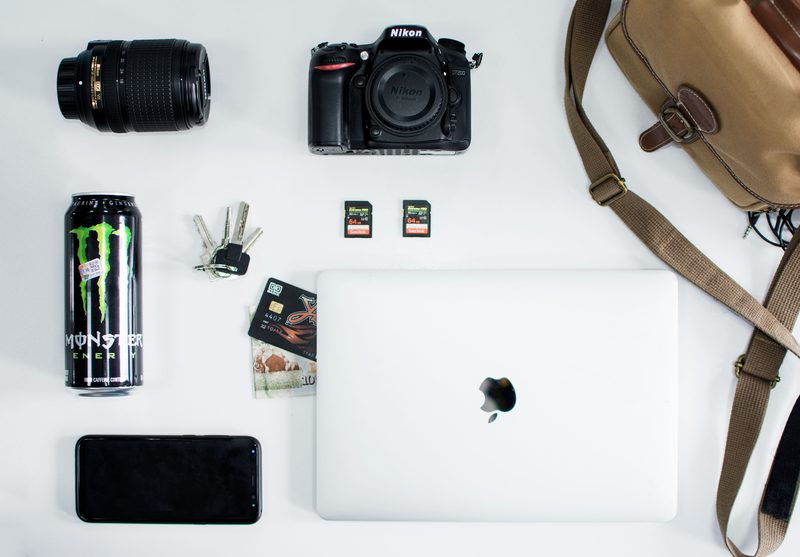
Before cutting anything, it helps to know the floor. Every minimalist setup, no matter how stripped down, keeps these four:
- Phone — your camera, flashlight backup, map, and communicator in one object. Nothing replaces it.
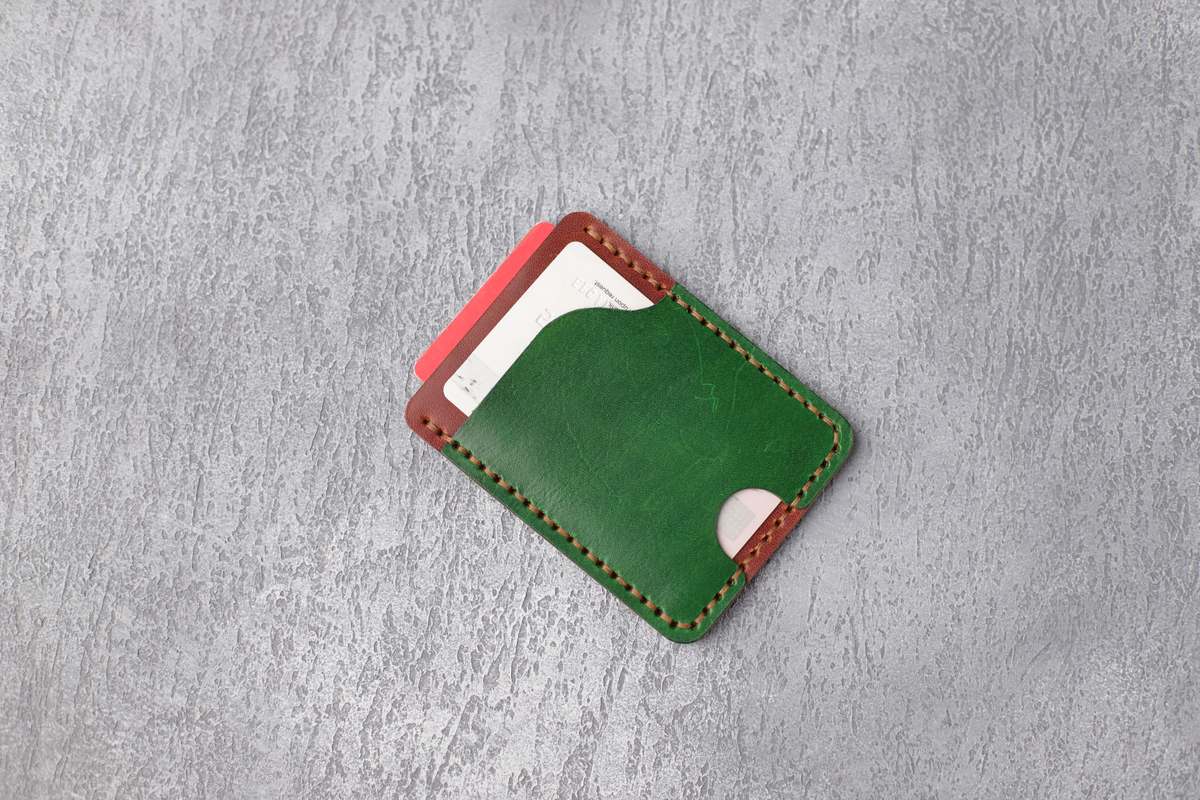
- Slim wallet or card holder — ID, payment, and transit access. See our card holder vs. bifold breakdown if you’re still carrying a wallet built for cash you don’t use anymore.
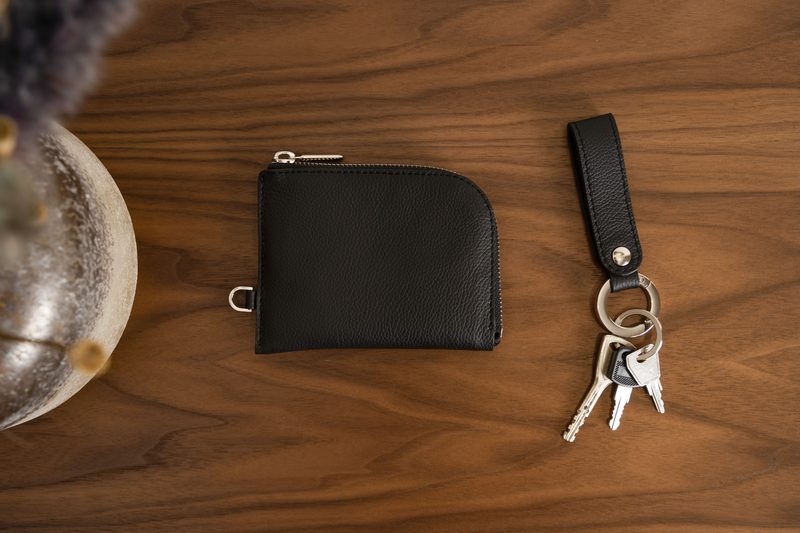
- Keys, on a compact organizer — not a loose jangling ring. A key organizer removes the single biggest source of pocket bulk for most men without removing a single key.
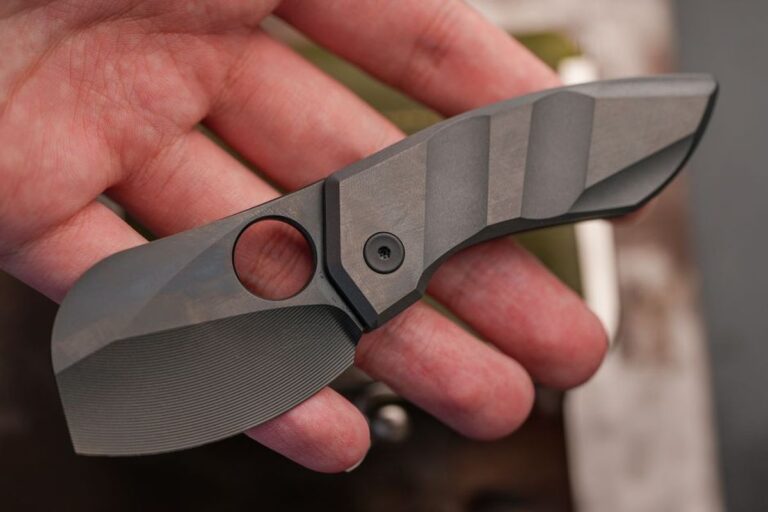
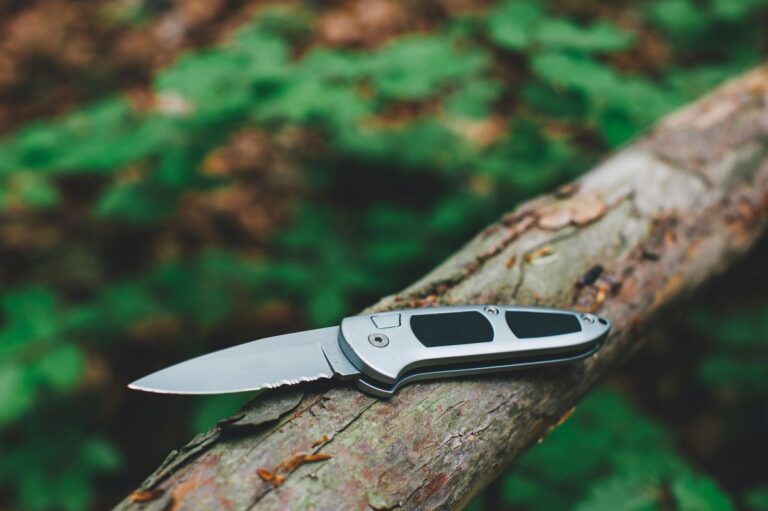
- One folding blade — box cutting, package opening, the occasional actual emergency. One blade, not two.
Everything past these four has to justify its pocket space on its own. That’s the filter the rest of this guide runs through.
The First Things to Cut From a Bloated Pocket
Four categories account for almost every ounce of unnecessary bulk in a typical EDC setup, and cutting them doesn’t cost you capability — it just removes the overlap.
- The second blade. If your multitool already has a knife, a standalone folder in the same pocket is doing the same job twice.
- Backup flashlights. Your phone covers 90% of the situations a second light would. Keep one dedicated light, not three.
- The hardware tin. Loose screws, a spare battery, random adapters “just in case” — if you haven’t needed it in 60 days, it’s not earning its spot.
- Loyalty cards and old receipts. A slim wallet with eight cards isn’t slim. Cut it to the three you actually swipe weekly.
Cutting these four categories alone usually drops a bloated EDC by a third without touching a single tool you’d miss.
Multitool or Pocket Knife — Pick One, Not Both
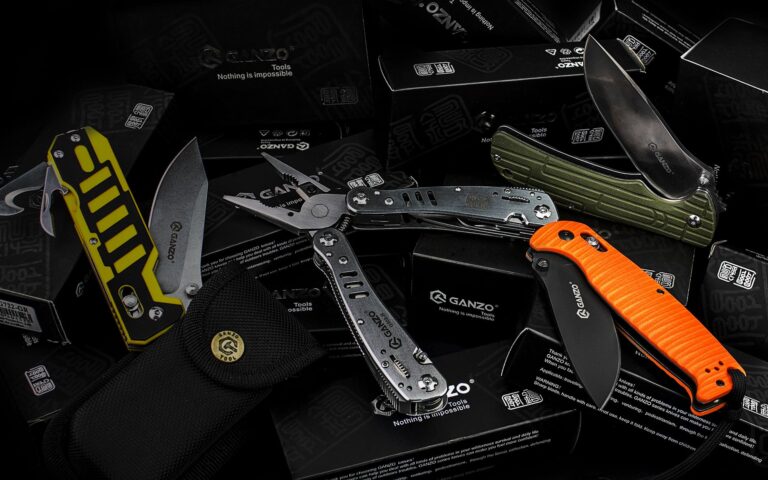
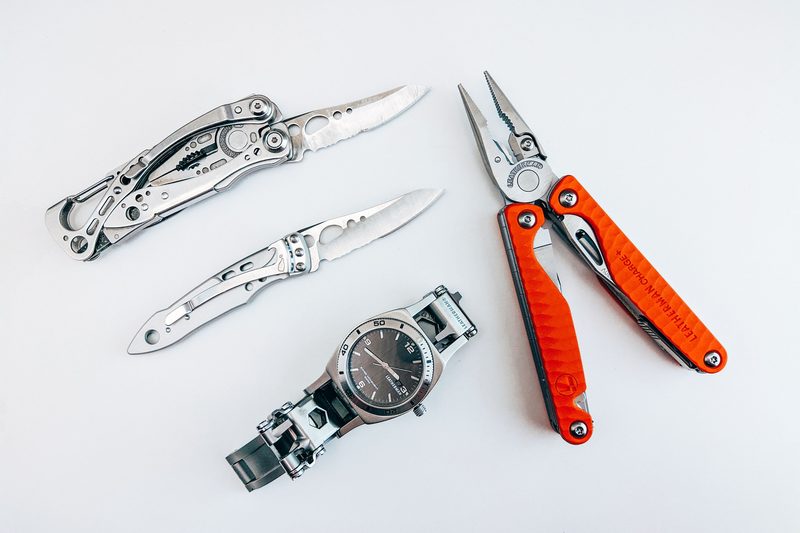
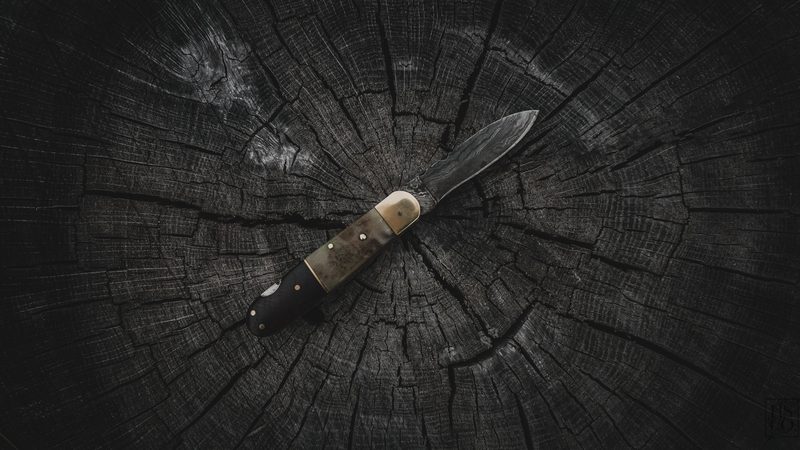
This is the overlap people are most reluctant to cut, and it’s the one that matters most. A multitool with pliers, a screwdriver, and a blade covers fix-it tasks a standalone knife can’t touch. A dedicated folder holds a sharper edge, opens one-handed faster, and doesn’t weigh half a pound. Carrying both means you’re paying the weight and bulk cost of two tools to cover a function one of them already handles.
The decision comes down to what your actual week looks like. If you spend more time tightening a loose screw on a cabinet hinge than cutting open a box, the multitool wins and the knife gets cut. If your days are mostly package tape and zip ties, keep the knife and leave the multitool in a drawer. For the mechanics of which blade lock actually holds up to that kind of daily abuse, our slip-joint vs. liner lock guide breaks down which lock style survives years of pocket use instead of jamming after a few months.
The One-Pocket Test: A Week-Long Minimalist Carry Challenge
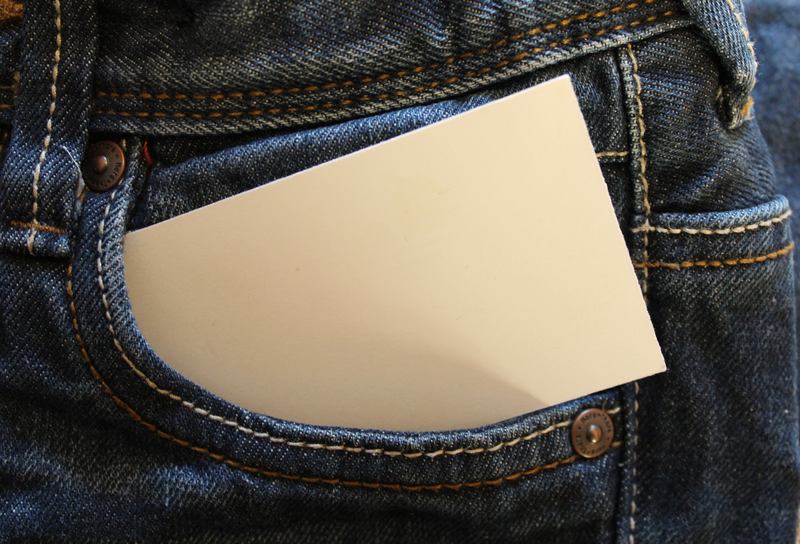
Dump your entire current EDC onto a table. Pick one front pocket — not a bag, not a second pocket — and carry only what fits in it for seven days. No cheating by stuffing the overflow into a jacket pocket. Whatever doesn’t fit stays home.
By day three you’ll know exactly which two or three items you kept reaching for out of habit and never actually used. By day seven you’ll have a short, honest list of what belongs in daily rotation and what was just taking up space. Most people who run this test end up permanently cutting 20-30% of their prior carry, because a week of friction makes the dead weight obvious in a way staring at a pocket dump photo never does.
Run it again a month later. Your actual needs shift with the seasons and your schedule, and a setup that was lean in March can quietly bloat back up by June.
What NOT to Cut, Even When You’re Downsizing
Minimalism has a failure mode: cutting something genuinely useful because it feels like clutter. A few items survive every round of trimming, no matter how lean you go.
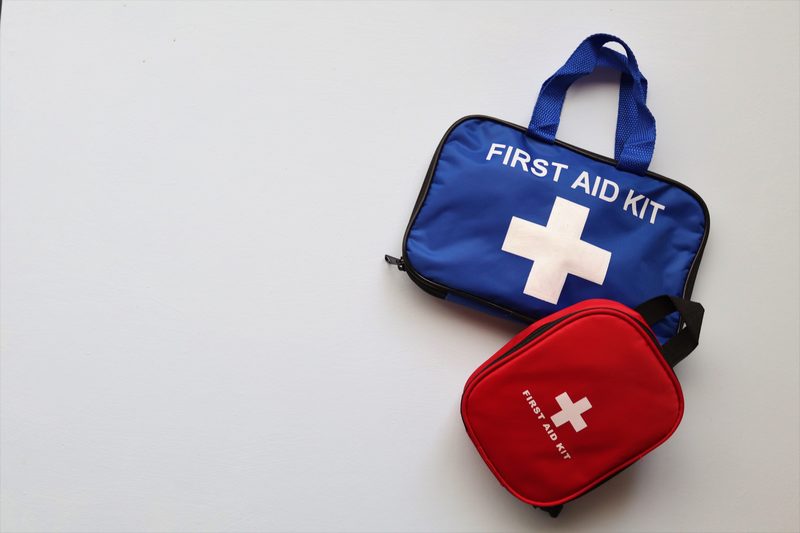
A compact first aid card — a few bandages and a blister pad, flat enough to sit behind a phone case — stays. It weighs almost nothing and covers the one category of emergency you can’t improvise your way out of with a knife or a flashlight. Our EDC first aid kit guide covers a version small enough that cutting it to save pocket space isn’t a real trade — the whole kit is thinner than a stack of business cards.
A backup light source for your keys also survives, even if you already carry a phone. Phone batteries die at the worst moments, and a keychain light weighing less than a quarter is cheap insurance against a dead screen in a dark stairwell.
Minimalism vs. Redundancy: When a Backup Actually Earns Its Pocket Space
“Two is one, one is none” gets quoted constantly in EDC circles, and it’s not wrong — it’s just misapplied. The rule makes sense for items where failure is both likely and costly: a key to the one door you need to get through tonight, or a light source if you’re walking home through an unlit area every night. It makes much less sense for a pocket knife, which rarely fails outright and can be replaced with a five-minute stop at any hardware store.
The honest version of the rule isn’t “carry two of everything.” It’s “carry two of the one thing where losing your only copy actually ruins your day.” For most people’s urban EDC, that’s a house key and maybe a transit card. Everything else — knives, tools, pens — doesn’t need a backup riding shotgun in the same pocket.
Building Your Own Lean EDC Loadout
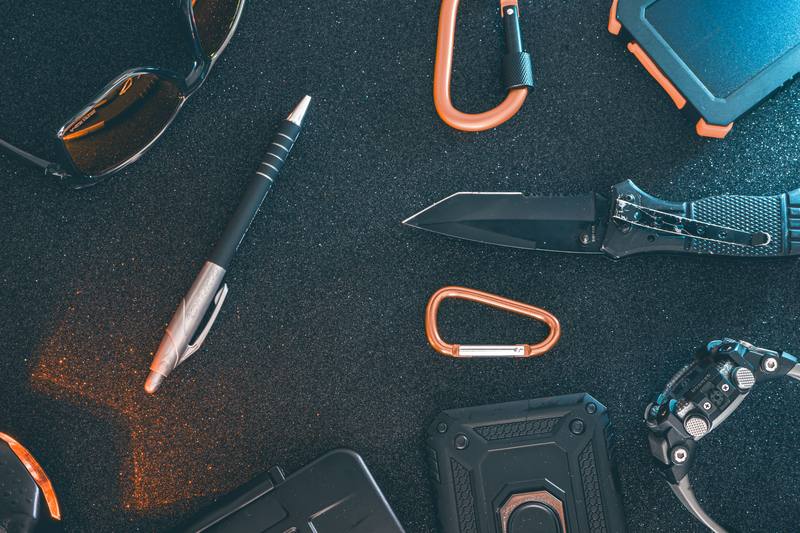
Start by laying out your current carry and grouping it by function: cutting, light, payment, access, notes. Any group with more than one item in it is your cut list. Keep the single best performer in each category and set the rest aside rather than throwing it out — some of it earns its way back in during the one-pocket test.
Run the seven-day test described above before buying anything new. Most people assume they need a better knife or a slimmer wallet when the real fix is removing an item, not upgrading one. Once you’ve carried the stripped-down version for a couple of weeks, revisit the set-aside pile. If you reached for something from it even once, it goes back in. If you didn’t, sell it or hand it off — it was never part of your actual EDC, just inventory you were hauling around.
FAQ
What’s the bare minimum EDC you actually need?
Phone, a slim wallet or card holder, keys on a compact organizer, and one folding blade. That four-item base covers the overwhelming majority of daily situations without needing a single backup tool.
Is a multitool a good replacement for a pocket knife?
Yes, if your week leans toward fixing things over cutting things. A multitool’s blade is usually shorter and harder to deploy one-handed than a dedicated folder, so pick based on which task you actually do more often — not which tool looks more capable on a shelf.
How often should I audit your EDC?
Monthly, at minimum, and again at every season change. Carry needs shift with weather, work schedule, and travel, so a setup that was lean three months ago can quietly accumulate dead weight again.
Does minimalist EDC mean being less prepared?
No — it means being prepared with less overlap. Cutting a second knife or a third flashlight doesn’t reduce your readiness for anything realistic; it just removes a duplicate you were never going to use before the first one failed.
Sources
- What’s Better for EDC?: Minimalism or Redundancy — Everyday Carry — comparison of minimalist and redundancy-based carry philosophies.
- Minimalist EDC Everyday Carry Guide — Boundary Supply — practical framework for simplifying a daily carry setup.
- Minimalist’s Guide to Everyday Carry — Keyport — core-item breakdown for a minimalist EDC base layer.