
RFID Blocking Wallets: Real Risk or Myth?
An RFID blocking wallet guards against a fraud method that barely exists outside a lab. Your EMV chip already generates a one-time code for every tap, which is the real reason your card is hard to clone.

An RFID blocking wallet guards against a fraud method that barely exists outside a lab. Your EMV chip already generates a one-time code for every tap, which is the real reason your card is hard to clone.

A bifold stuffed with eleven cards runs close to three-quarters of an inch thick before you add a single bill — enough to wear a visible ring into a back pocket inside a year. The Bellroy Slim Sleeve exists to fix exactly that: four overlapping leather slots and a center pull-tab compartment that keep the wallet under half an inch thick even loaded with eight cards.

Retail EDC is the small set of tools a sales-floor employee can actually carry through an 8-hour shift: a slim card holder, a reliable pen, a dedicated safety box cutter, hand sanitizer, a notebook, a key organizer, and blister pads.

A money clip beats a wallet on pocket bulge and cash access speed, but a wallet wins once you’re carrying more than five or six cards.

A trauma shear costs about eight dollars and does the job a pocketknife can’t touch in most units. That’s the whole difference between EDC for nurses and EDC everywhere else.
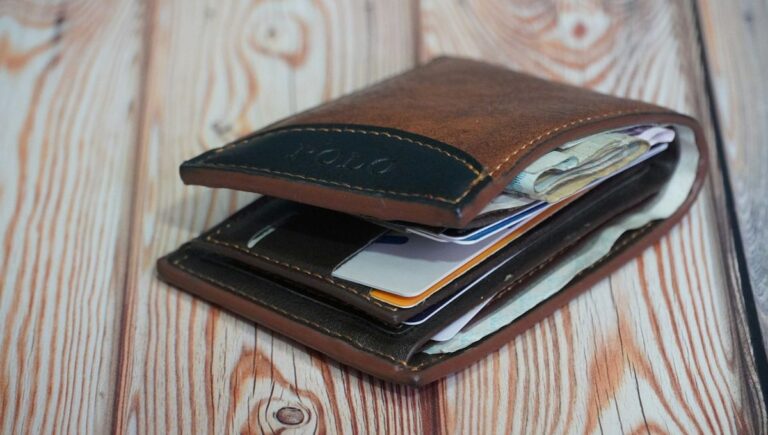
A card holder wins if you’re mostly cashless and carry 4-6 cards. A bifold wallet still earns its spot if you carry cash daily or need a clear ID window.