
Fixed Blade vs Folding Knife: Which EDC Knife Wins?
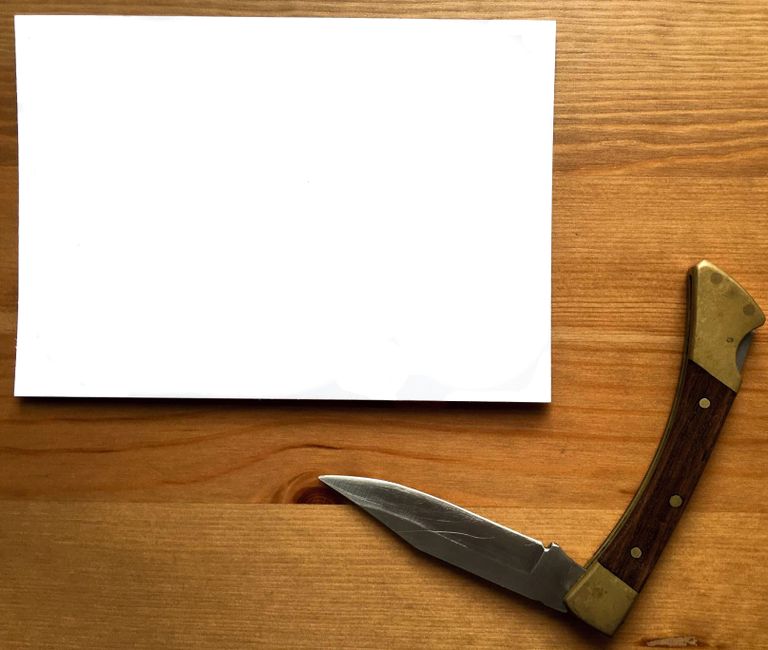
A liner-lock folder failing under lateral pressure is a known enough problem that entire forum threads exist cataloguing which models do it and which don’t. A fixed blade has no lock to fail, because it has no joint to begin with — the blade and handle are one piece of steel from heel to tip. That single structural fact is the real starting point for the fixed blade vs folding knife debate, and almost everything else people argue about — weight, legality, speed, cost — flows downstream from whether the knife folds or doesn’t.
The Decision That Actually Matters Before You Buy
Ask ten EDC forums which is better, fixed blade or folding knife, and you’ll get ten different answers built on ten different assumptions about what “better” means. Strip the brand loyalty out of it and the question is really about one trade: a folding knife buys you legal, discreet, pocket-sized carry at the cost of a mechanism that can fail. A fixed blade buys you total mechanical reliability at the cost of size, carry method, and — in a surprising number of states — legality when concealed.
Neither trade is wrong. A nurse who needs to cut gauze and open blister packs all shift has a completely different knife problem than a guy who splits kindling every weekend. The mistake is buying one knife and expecting it to solve both problems, then feeling let down when it does one job and fights you on the other.
What a Fixed Blade Gives You That a Folder Can’t
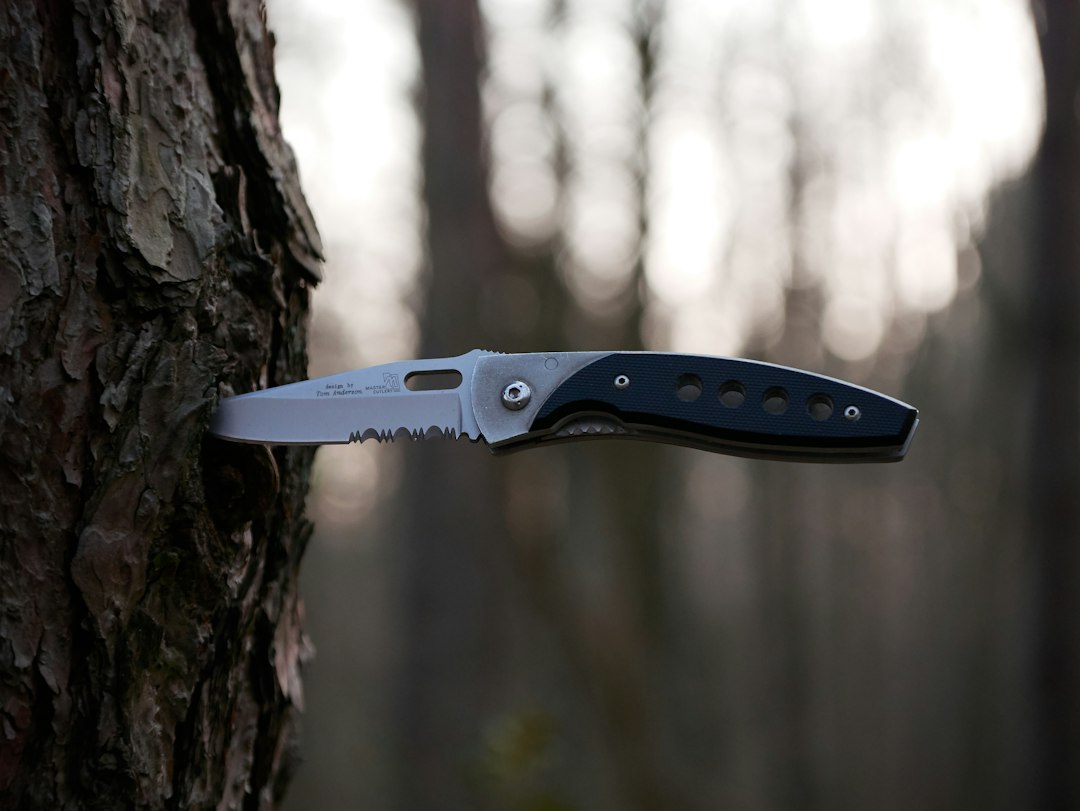
Pull a fixed blade from its sheath and it is already a knife. There is no opening motion, no lock to disengage, no half-second where your thumb finds the stud and your grip isn’t quite set yet. For a seatbelt cut after a car accident, or any task where a half-second is the whole margin, that matters more than any spec on a box.
The strength case is just as direct. A full-tang fixed blade like a Morakniv Companion or an ESEE Candiru is one continuous piece of steel, so lateral force, prying, and batoning load the blade and handle as a single unit instead of stressing a pivot pin and a lock bar. Baton a folding knife through a knot of dry pine and you’re betting the lock holds under shock loading it was never rated for. Baton a fixed blade and you’re just cutting wood.
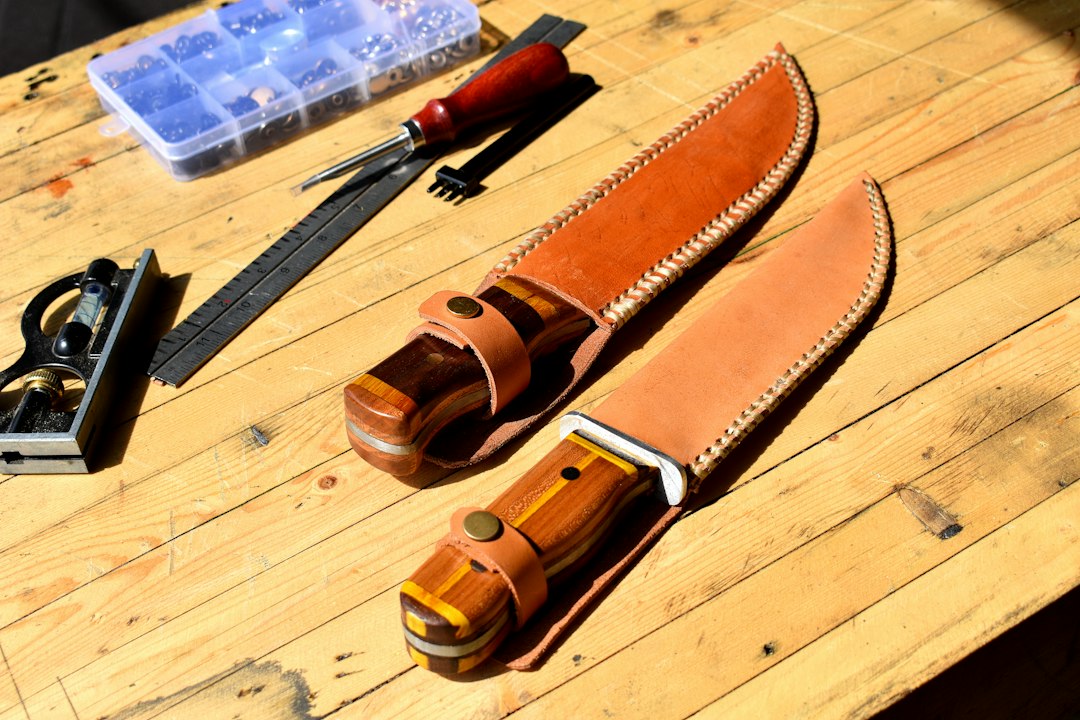
Fixed blades also clean easier — no liner channels or pivot washers to trap blood, sap, or fish scales — which is why nearly every hunting and food-prep knife on the market is fixed. The tradeoff shows up the moment you try to put one in a front pocket: even a 4-inch fixed blade needs a sheath, and a sheathed knife needs a belt, a bag, or a boot to ride in. It is a tool you wear, not a tool you pocket.
Shop ESEE Candiru Fixed Blade on Amazon → and Morakniv Companion on Amazon → (as an Amazon Associate we earn from qualifying purchases).
What a Folding Knife Gives You That a Fixed Blade Can’t
A folding knife solves the problem a fixed blade creates: how do you carry a sharp 3-inch blade on your body all day without anyone noticing or caring? Fold it, clip it inside a pocket, and it disappears. A Benchmade Bugout at 1.85 oz rides in a front pocket all day and most people forget it’s there until they need it — that’s the entire point of the format.
Modern locks close most of the reliability gap that used to separate folders from fixed blades. An axis lock or a well-made liner lock holds under real cutting pressure, and a flipper or thumb stud gets the blade open in under a second with practice. The deployment isn’t instant the way a sheathed fixed blade is, but it’s fast enough that the gap only shows up in genuine emergencies, not daily cardboard-and-packaging tasks.
The bigger win is legal. Outside of a handful of restrictive cities and a short list of banned mechanisms (switchblades in several states, certain assisted-openers), a plain folding knife under roughly 3-4 inches is legal to carry concealed almost everywhere in the US. That single fact is why folding knives outsell fixed blades in daily-carry categories by a wide margin — the knife that’s always with you is the one you’re legally allowed to actually carry.
The Legal Gap Nobody Mentions
Here’s the part most gear reviews skip entirely: fixed blades and folding knives are not treated the same under the law, and the gap is bigger than most people assume. California allows open carry of a fixed blade in a visible sheath, but concealing a “dirk or dagger” — defined broadly enough to cover most fixed blades carried stabbing-point-forward — is a separate crime, even though the identical blade folded into a pocket knife draws no such charge. New York classifies fixed blades as weapons outright and treats concealed carry as presumptively illegal, while a folding knife under the state’s length threshold carries with far less scrutiny.
Texas and Arizona sit at the other end — both allow concealed carry of fixed blades with few restrictions, which is part of why fixed-blade EDC is more common in the Southwest than on the coasts. The pattern across most states is consistent: legislators wrote knife law around “concealed, stabbing-capable, fixed” as the profile they worried about, and folding knives simply fall outside that profile in most jurisdictions. If you travel for work or move between states, that gap is worth checking before you clip a fixed blade sheath to your belt in a city you don’t know.
Lock type matters here too — a friend of mine had a legal pocket knife confiscated at a courthouse metal detector not over blade length but over lock mechanism, which is exactly the kind of local wrinkle our slip-joint vs liner lock breakdown covers in more detail if you’re picking a folder for travel.

Four Real Scenarios, Two Different Answers
A delivery driver opening forty boxes a shift wants a folder with a pocket clip positioned for a fast draw with either hand — the task is light, repetitive, and happens dozens of times a day, which is exactly what a folding knife is built for. A weekend camper splitting kindling and processing a fish at the end of the day wants the opposite: a fixed blade that can take a baton strike without worrying about a lock, and that rinses clean in a lake without water getting into a pivot.
An office worker who breaks down one Amazon box a week barely needs either — a cheap folder covers it with room to spare. A rideshare driver who wants a knife purely for a seatbelt-cutting emergency is actually better served by a small fixed blade mounted where it’s reachable one-handed, because the entire value of that knife is the half-second it saves by never needing to be opened.
Run your own week through that filter before buying. Count how often you actually cut something, how hard that cut is, and whether anyone around you would care if they saw a blade. Those three answers point at one format far more reliably than any spec sheet.
The Hybrid Carry Most Experienced EDC Guys Land On
Ask around at a knife meetup long enough and you’ll notice most serious carriers don’t actually pick one side. They run a folder in the pocket for the 95% of tasks that are light and frequent, and they keep a small fixed blade in the car, the bag, or the truck for the rare job that needs real force or instant deployment. That split costs almost nothing — a Morakniv Companion is under $15 — and it means you’re never caught with the wrong tool for either extreme.
It also sidesteps the legal question entirely for daily carry, since the fixed blade stays in a vehicle or bag rather than concealed on your body, and most states treat knives stored in a car differently than knives carried on a person. If you only buy one knife this year, buy the folder. If you’re building out a kit, add the fixed blade second, not instead.

Picks Worth Buying on Each Side
For the folding side, a Benchmade Bugout is the closest thing to a universal recommendation — 1.85 oz, an axis lock that won’t loosen over years of carry, and a blade shape that handles everything from mail to food prep. A Spyderco Para 3 trades a little weight for a compression lock that’s arguably even more forgiving under hard use, plus a thumb hole that opens reliably even with gloves or wet hands.
On the fixed side, the ESEE Candiru is small enough to neck-carry or stash in a bag pocket while still giving you full-tang strength for anything short of real bushcraft work. Step up to a Morakniv Companion if you want a longer blade for actual outdoor use — it’s one of the most-reviewed budget fixed blades on the market for a reason, and it still costs less than a single tank of gas.
Shop Benchmade Bugout on Amazon → and Spyderco Para 3 on Amazon →. If you’re still deciding between a knife-first setup and a tool that does more than cut, our best EDC multi-tool buying guide and our hands-on GHK multi-tool review both cover where a pliers-based tool fits into the same carry decision.

FAQ: Fixed Blade vs Folding Knife
Is a fixed blade stronger than a folding knife?
Yes, structurally. A fixed blade has no pivot or lock to fail under lateral force, so it handles prying, batoning, and twisting loads that would stress or break a folding knife’s mechanism. A quality folder is strong enough for cutting tasks but isn’t built to replace a fixed blade for heavy outdoor work.
Can you carry a fixed blade knife concealed legally?
It depends entirely on the state. Texas and Arizona allow concealed fixed-blade carry with few restrictions, while California and New York treat concealed fixed blades as presumptively illegal regardless of blade length. Always check your specific state and city before concealing a fixed blade on your body.
What’s the best EDC knife for someone who only wants one?
A folding knife, for almost everyone. It’s legal to carry concealed in nearly every state, fits in a front pocket with a clip, and handles the light, frequent cutting tasks that make up the vast majority of real-world EDC use. Save the fixed blade for a second knife once you know you need it.
Do fixed blades need more maintenance than folders?
Less, if anything. A fixed blade has no pivot to lubricate, no lock bar to adjust, and no liner channels to trap debris — a quick wipe and an occasional strop keeps it ready. Folding knives need periodic pivot lubrication and lock inspection, especially if carried daily in dusty or wet conditions.
Sources
- Knife legislation — Wikipedia — overview of how fixed-blade and folding-knife carry laws differ across jurisdictions.
- American Knife & Tool Institute — industry group tracking state-by-state knife legislation and carry restrictions.
- ESEE Knives — manufacturer specs for full-tang fixed blade construction referenced in this guide.
- Benchmade — manufacturer specs for axis-lock folding knife mechanisms referenced in this guide.