Quartz vs Automatic: Which EDC Watch Actually Wins
You’re standing at a crosswalk, jacket slung over one arm, glancing at your wrist to see if you’ll make the next light. That half-second glance is the entire job description of an EDC watch — and it’s also where the quartz-vs-automatic debate actually matters, not in a glass case at a boutique. One ticks because a battery vibrates a quartz crystal 32,768 times a second. The other ticks because your own arm swings a tiny rotor all day. Both tell time. They do not carry the same.
This isn’t a “which is better” argument — it’s a “which fits how you actually live” argument. Here’s the honest breakdown, section by section, so you can pick the movement that matches your routine instead of your Instagram feed.
The Real Difference: What’s Actually Ticking Inside
A quartz watch runs on a battery that sends a tiny electric current through a sliver of quartz crystal. The crystal vibrates at a fixed frequency, a circuit counts those vibrations, and a stepper motor ticks the second hand forward once per second. No moving parts beyond that motor. It’s cheap, consistent, and nearly maintenance-free.
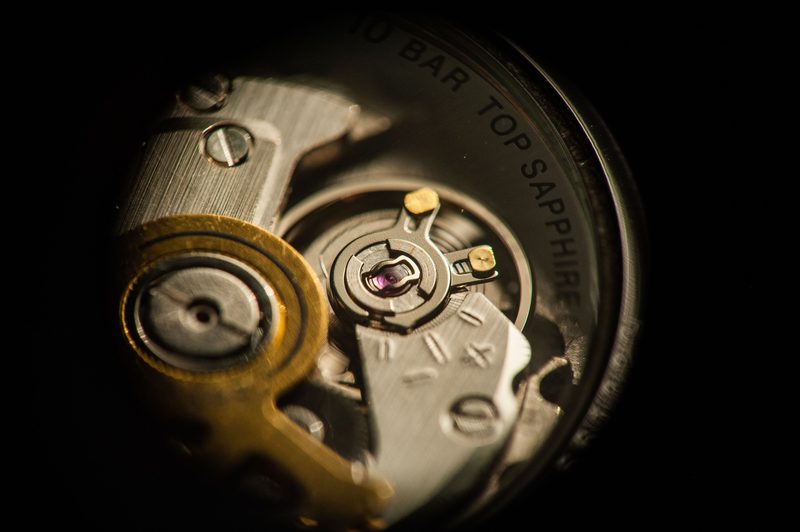
An automatic watch has none of that. A mainspring stores energy, and a gear train releases it in controlled bursts to drive the hands. The “automatic” part is a weighted rotor that spins with your wrist movement and winds the mainspring back up, so you never have to wind it by hand as long as you wear it regularly. It’s the same basic engineering a pocket watch used two hundred years ago — just refined.
Neither design is “outdated.” Quartz didn’t replace automatic the way digital cameras replaced film — they just split into two different jobs. One optimizes for precision and cost. The other optimizes for feel and mechanical craft.
Accuracy: Why Quartz Wins on a Stopwatch
If accuracy is the only thing you care about, this section ends the debate: quartz wins, easily. A typical quartz movement runs within about 15 seconds of accuracy a month. That’s close enough that most people never bother resetting it between battery changes.
A mechanical automatic movement is a different animal. Even a well-regulated one typically drifts somewhere in the range of 10 to 20 seconds a day, not a month — gravity, temperature, and how much you wind or move it all push the rate around. Chronometer-certified automatics (look for “COSC” on the dial or papers) tighten that to roughly -4 to +6 seconds a day, which is impressive for a mechanical device but still nowhere near quartz.
For daily carry, the practical question isn’t “which is more accurate” — it’s “does the drift actually matter to you.” If you’re syncing a shift start time or catching a train, quartz removes the guesswork. If you’re fine resetting the date and time once a week, the automatic’s drift is a non-issue.
Durability and Shock Resistance for Daily Carry
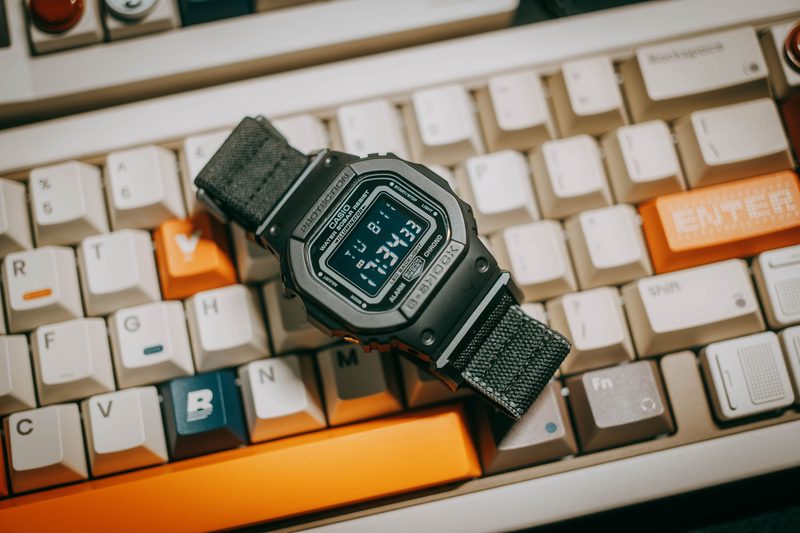
Quartz has fewer moving parts, which generally means better shock tolerance for rough urban use — getting bumped against a doorframe, dropped on concrete, or worn through a full shift of physical work. This is why most tactical and tool watches (G-Shock being the obvious example) run quartz movements: fewer things inside to knock out of alignment.
Automatics aren’t fragile, but they have more parts that can be knocked loose or thrown out of regulation by a hard impact. A quality automatic in a solid case will survive normal daily wear without issue — bumping a desk, brushing a doorway, the usual commute friction. It’s repeated hard shocks, not everyday contact, that shorten its life.

If your daily carry includes manual labor, gym sessions, or job-site conditions, lean quartz. If your day is mostly office, transit, and errands, either movement holds up fine.
Magnetism is the other durability factor people miss. Automatics can run fast or stop entirely if the hairspring picks up magnetism from a strong source — laptop speakers, phone cases with magnetic clasps, and some tablet covers are common culprits. A watchmaker can demagnetize it in minutes, but it’s an extra trip you won’t need with quartz, which doesn’t care about magnets at all.
Maintenance: Battery Swaps vs Winding and Servicing
Quartz maintenance is almost nothing. A battery typically lasts one to three years depending on the movement and how many functions (chronograph, alarm) it runs, and a swap at a kiosk or jeweler takes a few minutes and costs very little. That’s the entire maintenance plan.
Automatics ask for more attention. Wear one daily and the rotor keeps it wound — no action needed. Leave one in a drawer for a few days and it stops; you’ll need to reset the time and date, or keep it on a watch winder if you rotate between several pieces. Beyond that day-to-day care, most watchmakers recommend a full service — cleaning, oiling, regulation — every three to five years to keep the movement running accurately and to catch wear before it becomes a real repair.
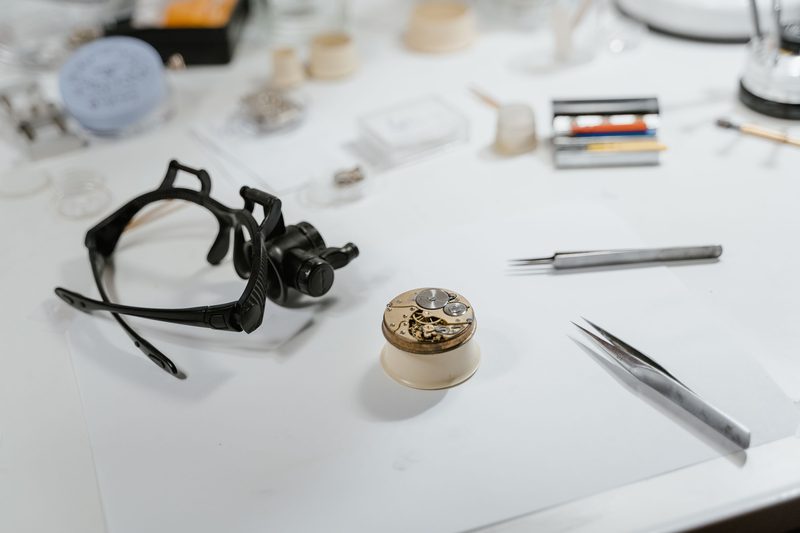
Neither maintenance plan is a dealbreaker. It’s a question of whether you want “replace a battery” or “think about this watch a little, a few times a year.”
The Automatic Mystique: Servicing and the Long Game
Here’s the part spec sheets don’t capture: an automatic watch is a small mechanical object you develop a relationship with. You learn how long it holds power reserve (most run 38 to 70 hours fully wound), you learn its particular drift, you learn the weight of it settling into your wrist. That’s not a knock on quartz — it’s just a different kind of carry experience, closer to a fountain pen than a tool.
A proper service isn’t cheap — depending on the brand and movement, a full automatic service can run anywhere from around $100 for a workhorse movement to several hundred dollars for higher-end calibers. That’s the real ongoing cost of automatic ownership that a lot of first-time buyers don’t budget for.

If you like the idea of owning a mechanical object for decades and maintaining it like a tool worth keeping, that cost is part of the appeal. If you just want to know what time it is without thinking about it, it’s an easy reason to walk toward quartz instead.
Cost of Entry and Resale Value
Quartz wins on entry price by a wide margin. A genuinely reliable quartz watch — Casio, Seiko, Timex — starts under $50 and plenty of excellent options sit in the $20 to $100 range. You can outfit your entire EDC rotation in quartz for less than one entry-level automatic.
Automatics generally start higher, with reliable options from Seiko and Orient usually landing somewhere in the $150 to $300 range before you get into Swiss territory. Where automatics tend to pull ahead is resale and collector interest: mechanical watches, especially from brands with heritage, often hold value better over time and can develop a genuine secondhand market. Quartz watches rarely appreciate — a few exceptions (certain vintage or collaboration G-Shocks) aside, most quartz pieces are tools you wear out, not assets you trade.

If you want the lowest cost per watch in your rotation, quartz is the easy math. If you’re thinking of a watch as a long-term purchase that might hold or gain value, automatic is worth the higher entry price.
Which One Actually Wins for Your EDC
There’s no universal winner here — only a better fit for your day. A few quick rules of thumb:
- Pick quartz if you want set-it-and-forget-it accuracy, lower cost, and better shock tolerance for physical work or rough daily use.
- Pick automatic if you want a mechanical object you’ll maintain and wear for decades, and you don’t mind resetting the time occasionally or budgeting for a service down the road.
- Pick both if your EDC rotation has room for it — a tough quartz piece for job-site or gym days, an automatic for everything else. A lot of people who’ve carried watches for years end up exactly here.
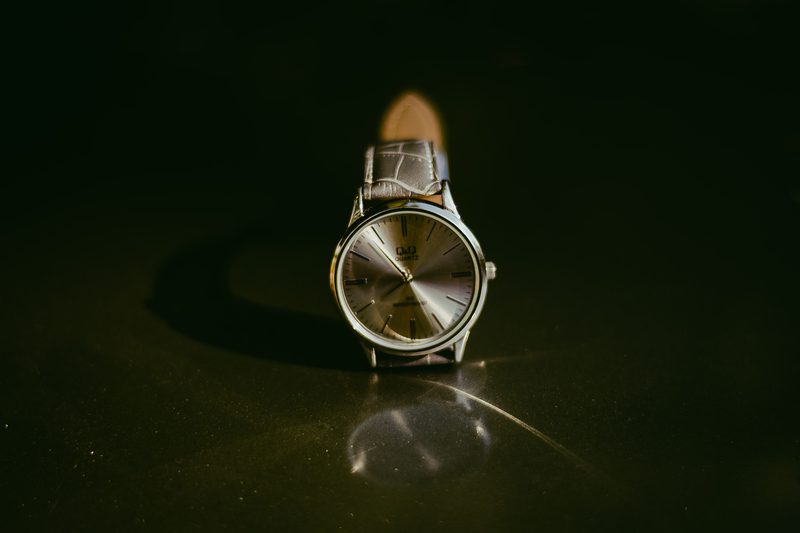
Either way, the watch that actually wins is the one you reach for every morning without thinking about it. That’s the real test — not the spec sheet, not the movement type, just whether it’s still on your wrist a year from now.
Frequently Asked Questions
Is a quartz watch more accurate than an automatic?
Yes, by a wide margin. A standard quartz movement typically runs within about 15 seconds a month, while a mechanical automatic typically drifts 10 to 20 seconds a day — even chronometer-grade automatics don’t match quartz precision.
Do automatic watches need a battery?
No. Automatics are powered by a wound mainspring, kept wound by a rotor that spins with your wrist movement during normal wear. That’s the entire point of the “automatic” design — no battery to replace, ever.
Which is better for daily carry, quartz or automatic?
It depends on your day. Quartz is the better pick for rough, physical, or high-shock daily use and for anyone who wants zero maintenance. Automatic is the better pick if you want a mechanical watch you’ll maintain and wear long-term and don’t mind occasional resetting.
How often does an automatic watch need servicing?
Most watchmakers recommend a full service — cleaning, oiling, and regulation — every three to five years, depending on the movement and how much the watch is worn.
Can a magnet mess up an automatic watch?
Yes. Strong magnets — laptop speakers, magnetic phone cases, some tablet covers — can magnetize an automatic’s hairspring and cause it to run fast or stop. Quartz movements are effectively immune to this, since there’s no delicate spring for a magnet to grab.