Best EDC Valet Tray: 7 Picks for 2026
Every EDC guy has done the 6:45 a.m. patdown: wallet on the counter, keys somewhere under yesterday’s mail, phone charger tangled around a pocketknife. An EDC valet tray fixes that the dumbest, cheapest way possible — one flat surface that always holds the same stuff. The problem is that most buying guides treat these trays like home decor, ranking them on how nice they look in a flat-lay photo instead of whether they’ll survive six months of keys, coins, and a folding knife landing on them every night. Material decides almost everything here: how long the tray lasts, how it ages, and whether it actually holds what you carry. Here’s how to pick one that works instead of one that just photographs well.
What an EDC Valet Tray Actually Fixes
A valet tray isn’t really about organization — it’s about having exactly one place where your keys, wallet, and watch always are. That sounds trivial until you’ve spent three minutes patting down a dark bedroom at 7 a.m. because your keys ended up on the kitchen counter, the nightstand, and your jacket pocket on three different nights. The tray becomes a landing zone with zero decision-making involved: pockets empty, hands free, done.

It also does something less obvious: it protects your gear. A folding knife or a watch dropped bare onto a wood dresser scuffs the finish over a year of nightly impacts. The same item dropped into a tray lands on a surface built to take that hit, not the furniture under it. That’s the real argument for buying one over just clearing a corner of your desk.
It matters even more in a shared space. If you split a dresser with a partner, “whose keys are whose” stops being a question the second each side gets its own tray — a cheap fix for an argument that has nothing to do with the gear itself and everything to do with two people’s stuff landing in the same pile every night.
Wood Valet Trays: The Desk Workhorse
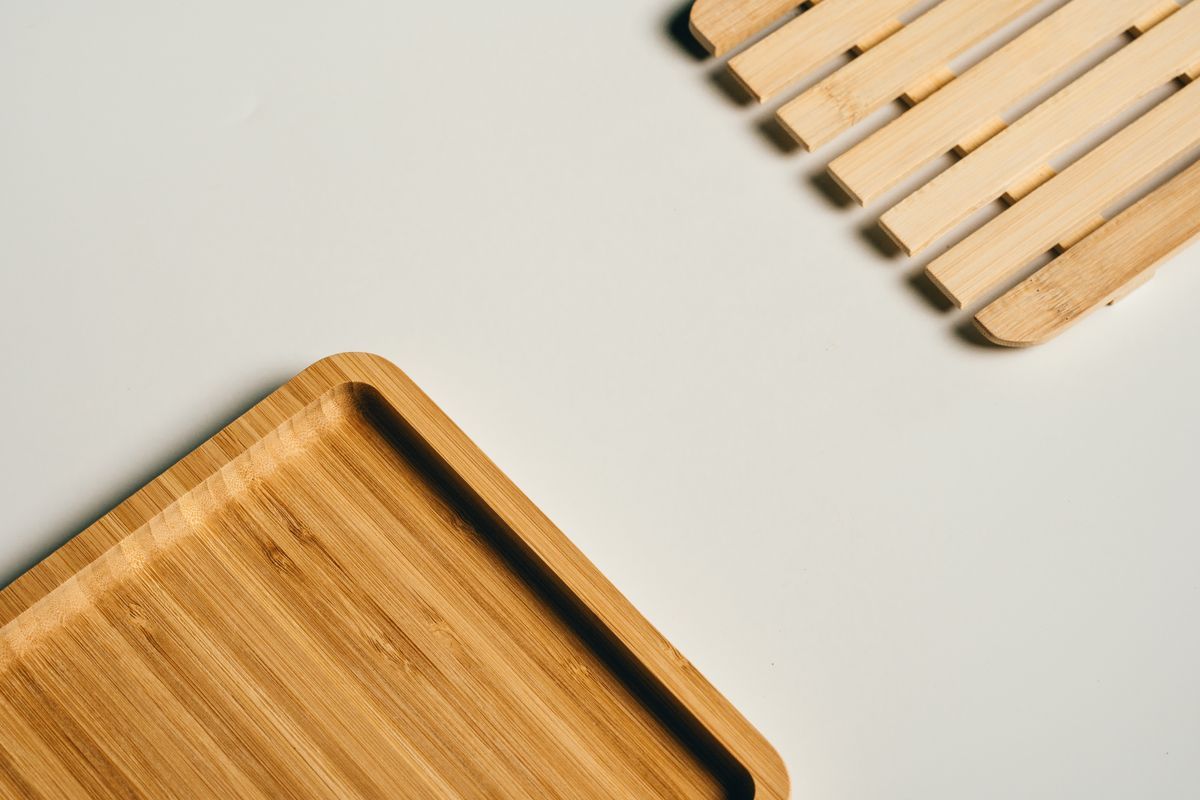
Wood is the default for a reason. A solid walnut or acacia tray sits on a desk or dresser and just works — no stitching to wear out, no plating to scratch off, nothing that looks worse after a drop. The tradeoff is weight and bulk: wood trays don’t fold flat, so they’re a bad pick if you’re trying to carry one in a bag for travel.

Go with a single solid piece over a veneer-over-plywood build. Veneer trays are lighter and cheaper, but the top layer chips at the corners within a year of real key-and-coin abuse, and once it chips it keeps peeling. Unfinished or lightly oiled wood also needs a sealing pass before it goes into daily service, which matters more than most buyers expect — raw wood left bare will stain the first time a damp umbrella or a sweaty watch band sits on it overnight.
A thin layer of felt glued into the bottom is worth paying extra for if you can find it. It does nothing for durability, but it cuts the clatter of keys landing on bare wood by a noticeable amount — useful if the tray sits anywhere near a bedroom or a shared office.
Leather Valet Trays: Quieter, Needs More Upkeep
A leather tray is the better pick if the tray’s going on a nightstand next to someone sleeping — keys and coins land with a soft thud instead of a wood or metal clack. It also looks right next to a leather wallet and watch strap in a way a bare wood tray doesn’t quite match.

Full-grain leather is worth the extra cost over bonded or “PU leather” trays, which crack at the fold lines within a year under daily use. Full-grain actually improves with wear, picking up a patina instead of flaking. The catch is maintenance, which is real and not optional — skip it and the tray looks tired long before the wood or metal version would.
Check how the corners are built before buying, not just the leather grade. A stitched corner holds its shape for years; a folded-and-glued corner is the first place a cheap tray fails, usually within six months of daily keys and coins landing in that exact spot.
Metal and Kydex Trays: Built for Keys That Actually Hurt Things
If your pocket dump includes a full keyring, a fixed blade, or anything with a hard edge, wood and leather both lose eventually — dents in wood, cuts in leather. A stamped aluminum or kydex tray doesn’t care. These show up most in gun-cleaning and tactical gear circles first, but the same logic applies to anyone whose daily carry skews heavier than a wallet and a pen.

Look for anodized aluminum over raw or painted metal. Anodizing resists the scratching that bare aluminum picks up almost immediately from keys, and it won’t chip or flake the way a painted finish does after a year of use. The downside is aesthetic and auditory: metal and kydex look utilitarian rather than nice, and keys landing on either one is loud enough to wake a light sleeper. Reserve this material for a garage, mudroom, or office desk — not a bedroom.
Sizing: How Big a Tray You Actually Need
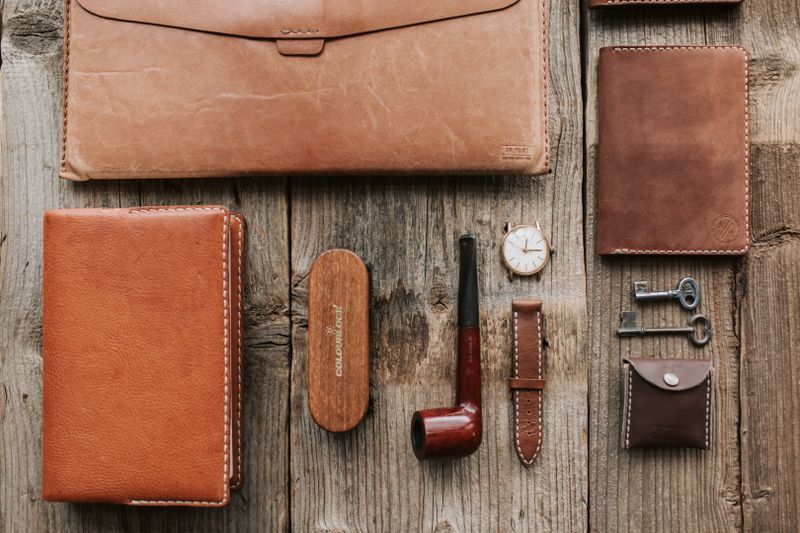
Most buying guides skip this entirely, which is strange because the wrong size is the single biggest reason a tray ends up ignored within a month. Lay out everything that currently lands in your pockets at the end of a normal day — wallet, phone, keys, watch, a pen, sunglasses — and measure that footprint before buying anything.
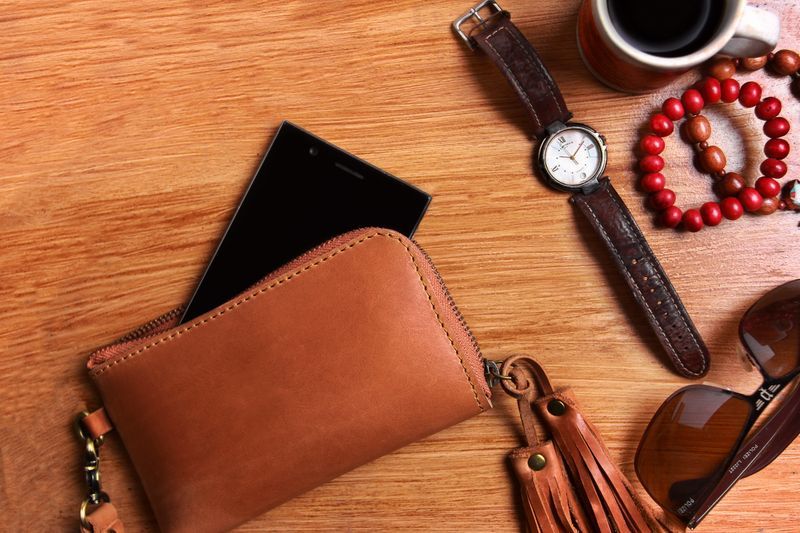
As a rough baseline, a solo minimalist carry (card holder, phone, one key fob) fits comfortably on an 6-by-4-inch tray. Add a watch, sunglasses, and a carabiner clipped with a full keyring, and you need closer to 9-by-6 inches before items start overlapping or sliding off the edge. If you’ve already gone through the exercise of running a minimalist carry cut, size down — a huge tray with three items in it looks emptier and sadder than a small one that’s actually full.
If your dump includes small loose items — spare change, an SD card, a AirTag — a tray with a single raised divider or a small corner compartment earns its keep fast. Without one, coins roll to the lowest edge and everything small ends up in the same scattered pile the tray was supposed to fix.
Keeping It From Looking Trashed in Six Months
Trays fail early almost entirely from neglect, not bad materials. Full-grain leather needs conditioning roughly every three to six months once it’s broken in, and more often — every two to three months — in a dry climate or if it starts looking matte instead of holding its subtle sheen1. Skip it long enough and you’ll see stress cracks at the corners, which don’t reverse.
Unfinished wood trays need the opposite kind of attention: an oil-and-beeswax seal (a roughly 4-to-1 mix of food-grade mineral oil to beeswax works well) applied when new and reapplied every few months keeps moisture from warping the grain or leaving water rings from a sweating glass or a wet watch band2. Metal and kydex need basically nothing beyond an occasional wipe-down, which is the other half of why they’re the low-maintenance option even though they look rougher.
Where to Actually Put It
A tray that sits in a drawer never gets used. It needs to be on the exact surface where you already empty your pockets, which for most people is a dresser top or a nightstand, not a desk across the room. Sleep experts who study nightstand setups consistently point to a single shallow tray as the anchor piece that keeps everything else — glasses, chargers, a watch — from sprawling across the whole surface3.

If you carry differently on weekdays versus weekends — say, a slim cardholder on workdays and a full bifold on weekends — put the tray somewhere you pass every single time you leave, not just somewhere that looks tidy. The habit only sticks if the tray is in the one spot you can’t walk past without noticing it’s empty. Some guys run two: a small one by the front door for keys only, and a bigger one on the dresser for the full end-of-day dump.
Frequently Asked Questions
Is a wood or leather valet tray better for daily use?
Wood wins on durability and upkeep for most people — it takes years of daily key drops with no maintenance routine required. Leather wins on noise and feel if the tray sits somewhere people sleep, but it needs conditioning every few months to avoid cracking.
How big should an EDC valet tray be?
Lay out your actual end-of-day pocket dump and measure it. A solo minimalist carry fits a 6-by-4-inch tray; add a watch, sunglasses, and a full keyring and you need closer to 9-by-6 inches.
Do metal or kydex trays scratch keys and watches?
No more than any hard surface would, and less than you’d expect — most are anodized or finished specifically to resist scuffing from keys and coins. They’re a better pick for heavier daily carry than for a nightstand, since the noise is the real tradeoff.
How often does a leather valet tray need conditioning?
Roughly every three to six months once broken in, or every two to three months in a dry climate. If the leather looks matte instead of holding a subtle sheen, it’s overdue.
Sources
- How to Maintain Leather Goods: A Complete Care Guide — Leatherology, on full-grain leather conditioning frequency and signs of wear.
- Complete Guide to Sealing Your Cutting Board with Food Grade — Weeks Honey Farm, on oil-and-beeswax wood sealing ratios and reapplication.
- How To Organize Your Bedside Table, According To 7 Sleep Experts — Forbes, on using a tray as the anchor piece for nightstand organization.