Card Holder vs Bifold Wallet: The Real EDC Test
Pull your current wallet out and count what’s actually in it. If it’s four cards and a receipt you’re going to toss anyway, you’re carrying twice the wallet you need. If it’s eight cards, a folded twenty, a punch card from a coffee shop, and a photo, a card holder is going to make you miserable by Thursday. The card holder vs bifold wallet decision isn’t really about which one is “better” — it’s about which one matches what’s already in your pocket, and most guides skip that step entirely in favor of just picking a winner.
Card Holder vs Bifold Wallet: What Actually Changes When You Go Slim
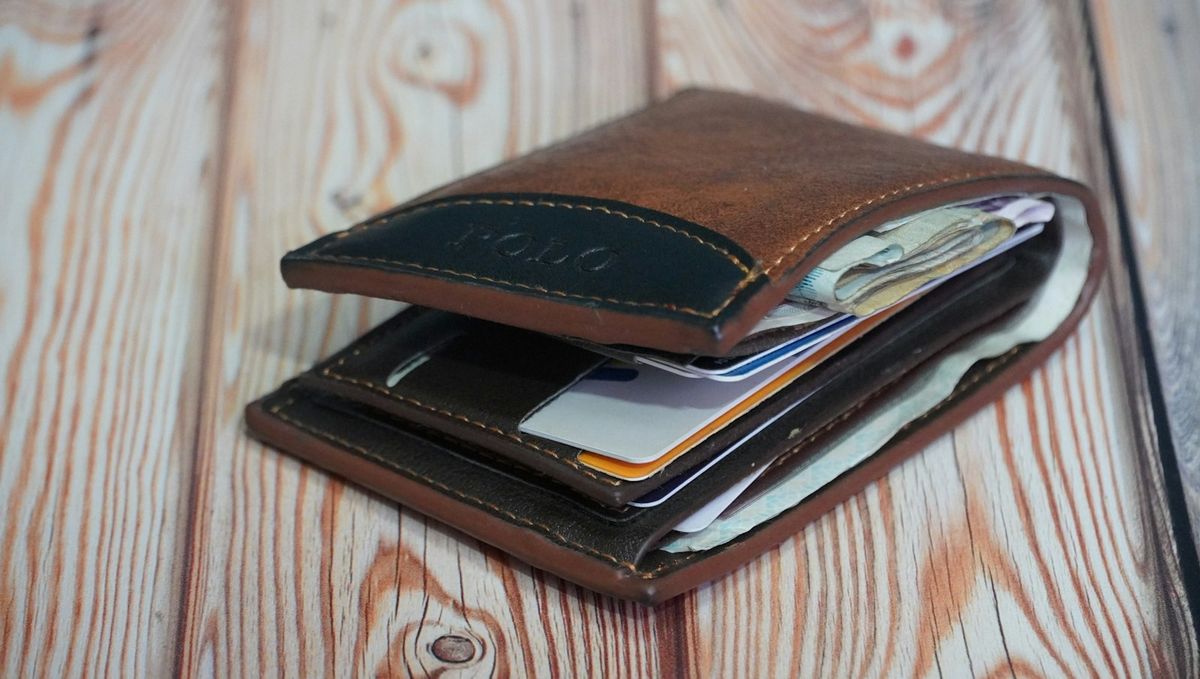
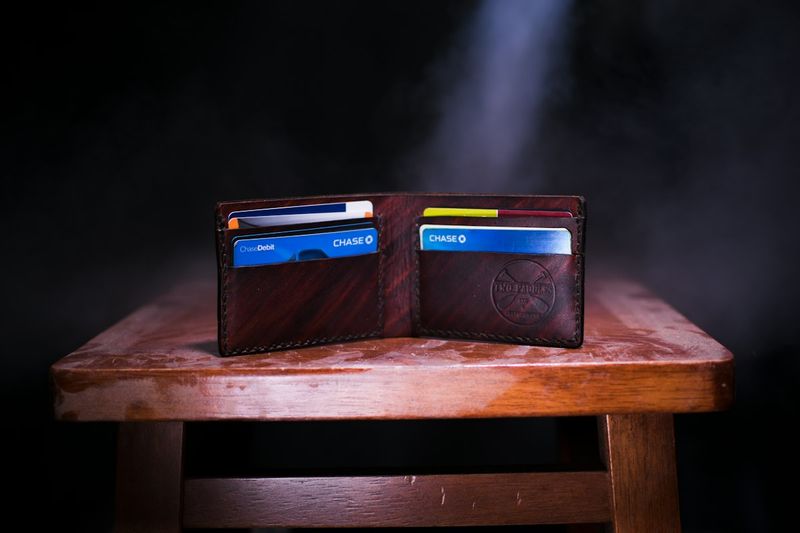
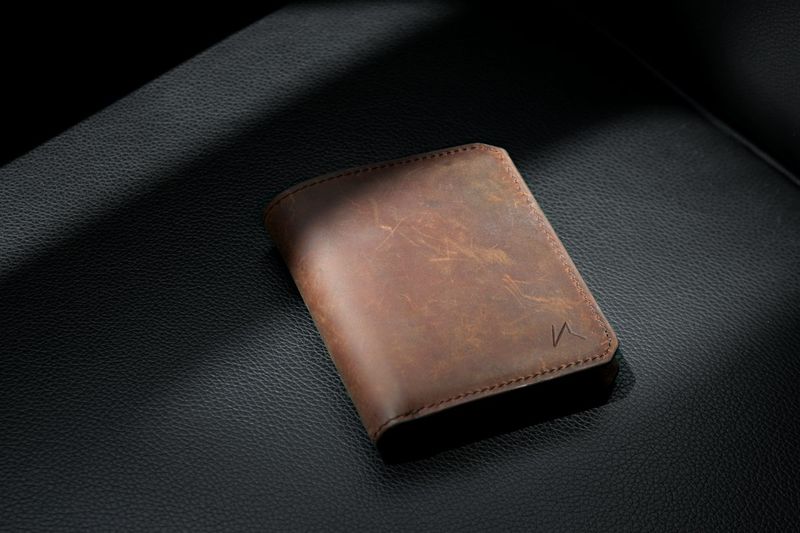
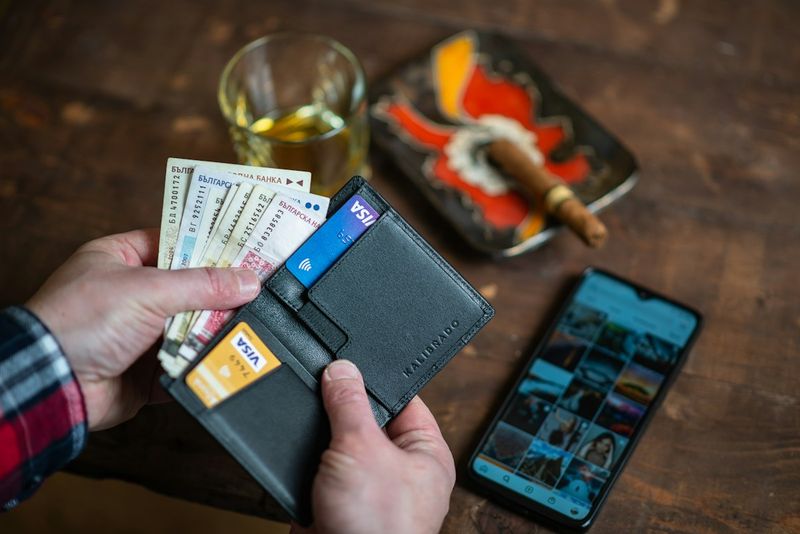
A bifold wallet gives you 4 to 12 card slots, at least one bill compartment, and usually a clear ID window. That’s the format most of us grew up carrying, and it earns its reputation for a reason — it holds everything without forcing you to make a decision about what to leave home. The tradeoff is thickness. Stack six cards, a driver’s license, and a folded bill or two into a bifold and you’re often sitting at 15-20mm before the leather even breaks in.
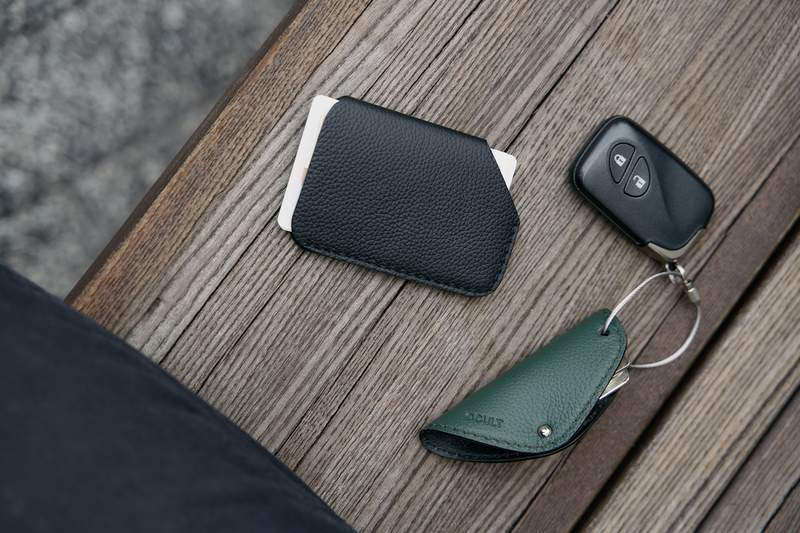
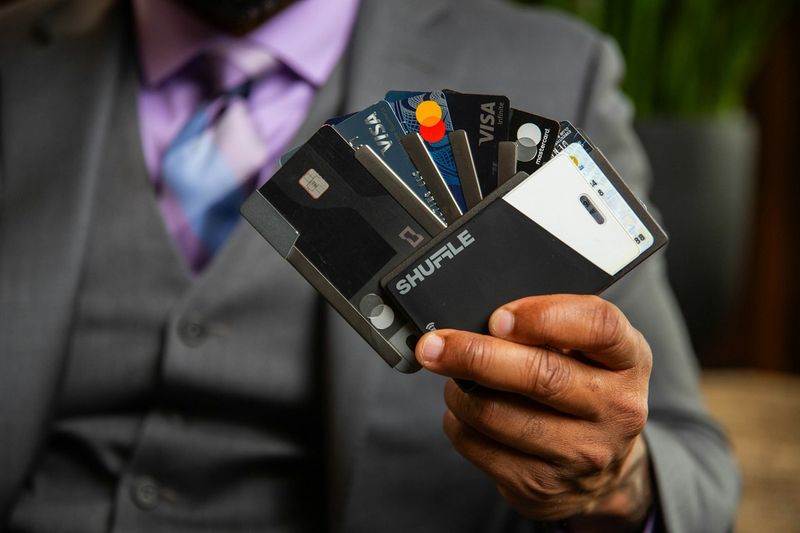
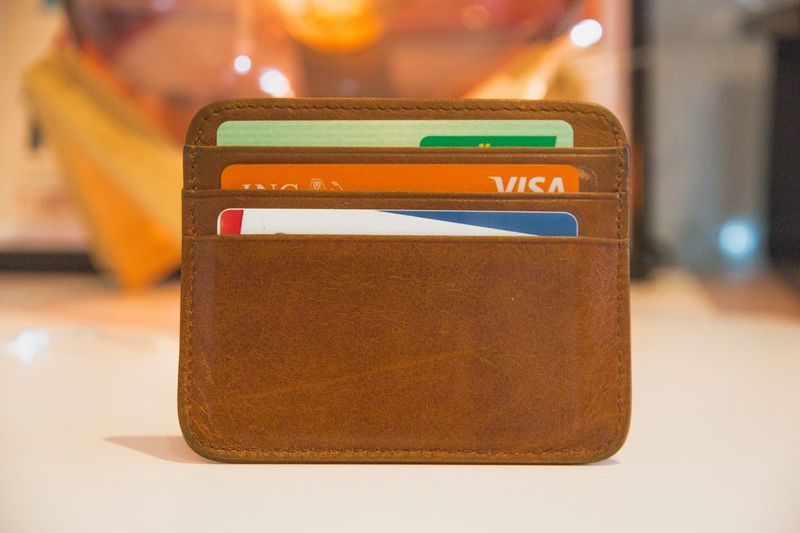
A card holder strips that down to a metal or leather sleeve built around 4-7 cards, sometimes with a slot for two or three folded bills, sometimes with none at all. Most sit under 8mm loaded. That’s not a marginal difference — it’s the gap between a wallet that prints a visible line through your jeans and one you forget you’re carrying. The catch is capacity. A card holder assumes you’ve already decided which cards make the cut, and if you haven’t, you’ll find that out the first time you’re standing at a register digging for a card that didn’t make it in.
The Front-Pocket Comfort Test
This is where the decision usually gets made, whether people admit it or not. A bifold wallet was designed for back pockets and jacket pockets — flat storage that isn’t under load. Move it to a front pocket, which is where most EDC-minded carriers put it now, and a loaded bifold turns into a hard rectangle you’re sitting or bending around all day. Card holders were built for exactly this shift. Slim enough to sit flat against your leg, low-profile enough that most people can’t tell it’s there.
Here’s the part competitors skip: comfort isn’t just about thickness, it’s about corners. A bifold’s squared edges dig into your leg when you sit down; a rounded-corner card holder — leather or aluminum — doesn’t. If you spend your day mostly standing or in a chair with a back pocket wallet, this test matters less. If you’re commuting, driving, or on your feet with a front-pocket carry, it’s the whole argument.
What You Actually Lose Going Minimalist
Nobody selling card holders wants to talk about this part, so here it is plainly: you lose cash capacity, you lose the punch cards and membership cards you use twice a year, and you lose the “just in case” slot for a spare key or a folded note. A card holder forces triage. You’re deciding, every time you restock it, which four to seven cards actually earn a spot — and everything else either gets a drawer at home or gets left behind entirely.
For most people that’s a feature, not a cost. The average wallet accumulates cards nobody uses — old gym memberships, a hotel key card from a trip eight months ago, a gift card with $4 left on it. A card holder makes you confront that clutter instead of carrying it. But if you’re someone who still pays with cash regularly, or you carry a work badge and a personal ID that both need daily access, don’t force yourself into a format that fights your actual routine. A slim bifold — not a card holder — is usually the better fit there.
RFID Blocking: Real Risk or Marketing Hook
Almost every card holder on the market advertises “RFID-blocking” as a headline feature, and it’s mostly noise. Visa states plainly on its own site that fraud from contactless skimming is rare and limited in scope, and Chase’s head of consumer banking practices told AARP he personally doesn’t worry about it.1 The reason is straightforward: contactless cards use near-field communication, which only works at a few centimeters — someone would need to press a reader directly against your pocket, in public, without you noticing. Most modern cards also generate a one-time transaction token instead of transmitting your actual card number, so even a successful skim usually hands over nothing usable.
That doesn’t make RFID blocking useless — it just means it’s not the reason to buy a card holder. If a wallet you already like happens to block RFID, fine. But don’t pay a premium for it, and don’t let a lack of RFID blocking talk you out of a card holder you’d otherwise pick. Your card data is far more likely to leak through a retailer data breach than a stranger brushing past you with a scanner.
Durability: Which One Actually Outlasts the Other
A well-made leather bifold, cared for and not overstuffed, easily runs 5+ years — the leather softens and develops a patina instead of cracking, as long as you’re not routinely cramming 10 cards into a 6-slot wallet. Overstuffing is the actual killer here, not time: stitching at the card slots gives out first, then the fold line cracks. A card holder made from aluminum or a rigid composite skips that failure mode entirely — there’s no stitching to blow out and no fold line to crack, because there’s nothing to fold.
Leather card holders split the difference — less stitching stress than a bifold because there’s less bulk pushing against the seams, but they’ll still show wear at the card-exit slot faster than a metal one will show wear anywhere. If you want the longest-lived option and don’t mind the industrial look, aluminum wins outright. If you want something that ages instead of just surviving, leather — in either format — is still the better bet, provided you don’t overload it.
Price Brackets: What $20 Buys vs What $100+ Buys
At $15-25 you’re mostly buying basic leather or a stamped-metal sleeve — functional, but the leather at this tier is usually corrected-grain and wears faster, and the metal versions often skip a proper card-ejection mechanism. At $40-70 you start seeing full-grain leather that’ll actually patina well, or aluminum builds with a spring-loaded card track that fans your cards out instead of making you pinch them free one at a time. Past $100, you’re paying for brand and materials more than function — titanium instead of aluminum, or exotic leathers — and the functional gap over the $50-70 tier shrinks fast.
We put a $100+ aluminum build through a full carry test if you want the long version of what that price actually buys — see our Ridge Wallet aluminum review for carry notes after real daily use, not a spec sheet. Our take: $50-70 is the sweet spot for most people switching to a card holder for the first time. Spend less and you’ll likely upgrade within a year; spend more and you’re paying for a badge, not a better wallet.
How to Actually Decide
Skip the personality quiz. Count your cards, then count how many of them you touched in the last two weeks. If that second number is 4-6, a card holder will fit your real habits, not just your ideal ones. If you’re regularly at 7+ cards in weekly rotation, or you carry cash more than once or twice a week, stay with a bifold — just pick a slim one over a bulky one, since slim bifolds exist and split the difference reasonably well.
One more test that settles it faster than anything above: try your current wallet in a front pocket for a week before buying anything new. If it bothers you, you already know which direction to go. If it doesn’t, you probably don’t need to switch at all — and that’s a perfectly good outcome too.
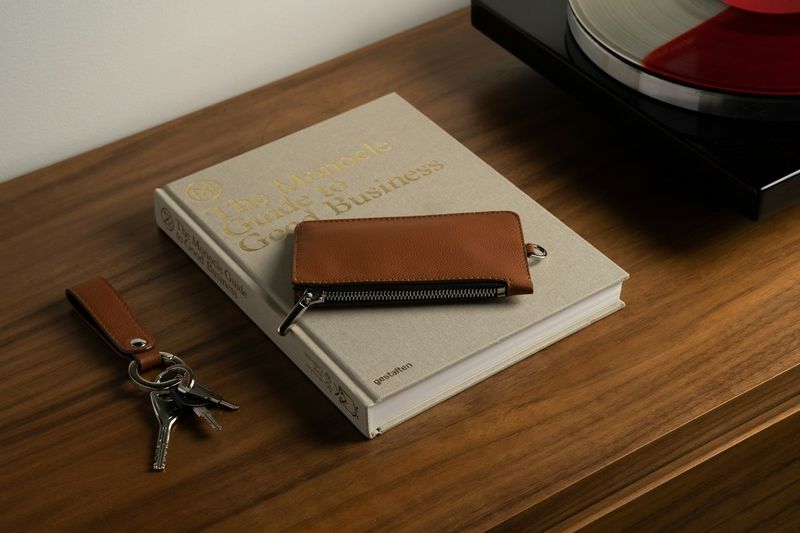
Whichever way you land, pair it with the rest of your carry instead of treating it as a standalone decision. If you’re trimming your wallet down, it’s usually worth trimming the rest of your pockets at the same time — our EDC knife picks by carry style and best multitools for everyday carry guides both start from the same question this one does: what do you actually reach for, not what looks complete in a drawer.
Frequently Asked Questions
Can a card holder replace a bifold wallet completely?
For most cashless daily carriers with 4-6 active cards, yes. If you carry cash regularly, need a visible ID window, or run more than 6-7 cards day to day, a slim bifold will serve you better than forcing a card holder to do a job it wasn’t built for.
Do I need an RFID-blocking wallet or card holder?
Not for the reason most marketing implies. Contactless card skimming is rare, short-range, and usually yields a one-time token that can’t be reused — Visa and major banks describe the real-world risk as minimal. Buy RFID blocking if it’s a free feature on a wallet you already like, not as your main reason to buy.
How many cards fit comfortably in a card holder?
Most card holders are built for 4-7 cards before they start bulging at the edges or making individual cards hard to pull out. If you’re consistently carrying more than that, size up to a slim bifold instead of overstuffing a card holder.
What actually kills a wallet faster — leather or overstuffing?
Overstuffing, every time. A well-made leather bifold or card holder kept at its intended card count will outlast one crammed to double capacity by years. The stitching at the card slots and the fold line are the first failure points, and both fail faster under constant overload, not from age alone.
Sources
- AARP — Do You Really Need an RFID-Blocking Wallet? — Visa and Chase commentary on the real-world rarity of contactless card skimming.
- Von Baer — Card Holder vs Wallet: How To Choose — capacity and use-case breakdown between formats.
- Leatherology — Bifold vs Trifold vs Card Case: What Actually Works — comfort and durability comparison across wallet formats.