Flashlight or Headlamp? Choosing the Right EDC Light Format for the Job
Most guys shopping for an EDC flashlight are really shopping for the wrong category. They compare lumens, throw distance, and battery chemistry, then discover on the first real job — changing a flat at night, wiring a breaker, setting up a tent in the dark — that holding a flashlight in your teeth while your hands do the work is miserable. The light itself might be excellent. The format is wrong. Before adding another pocket light to the drawer, it’s worth asking a different question: does this task need a beam you aim, or a beam that stays put while your hands are busy?
The Hands-Free Problem No Pocket Light Solves
A traditional EDC flashlight is built around one assumption: you’re holding it. That works fine for walking a dark parking lot, checking a breaker panel from arm’s length, or signaling for help. It falls apart the moment a task needs both hands — pulling a motorcycle chain, threading a zip tie behind a dashboard, field-dressing game, or troubleshooting a router cable under a desk. Bracing a flashlight in your teeth or balancing it on a ledge is a workaround, not a solution, and it’s exactly the gap that pushed headlamps out of the hiking aisle and into serious EDC rotations.
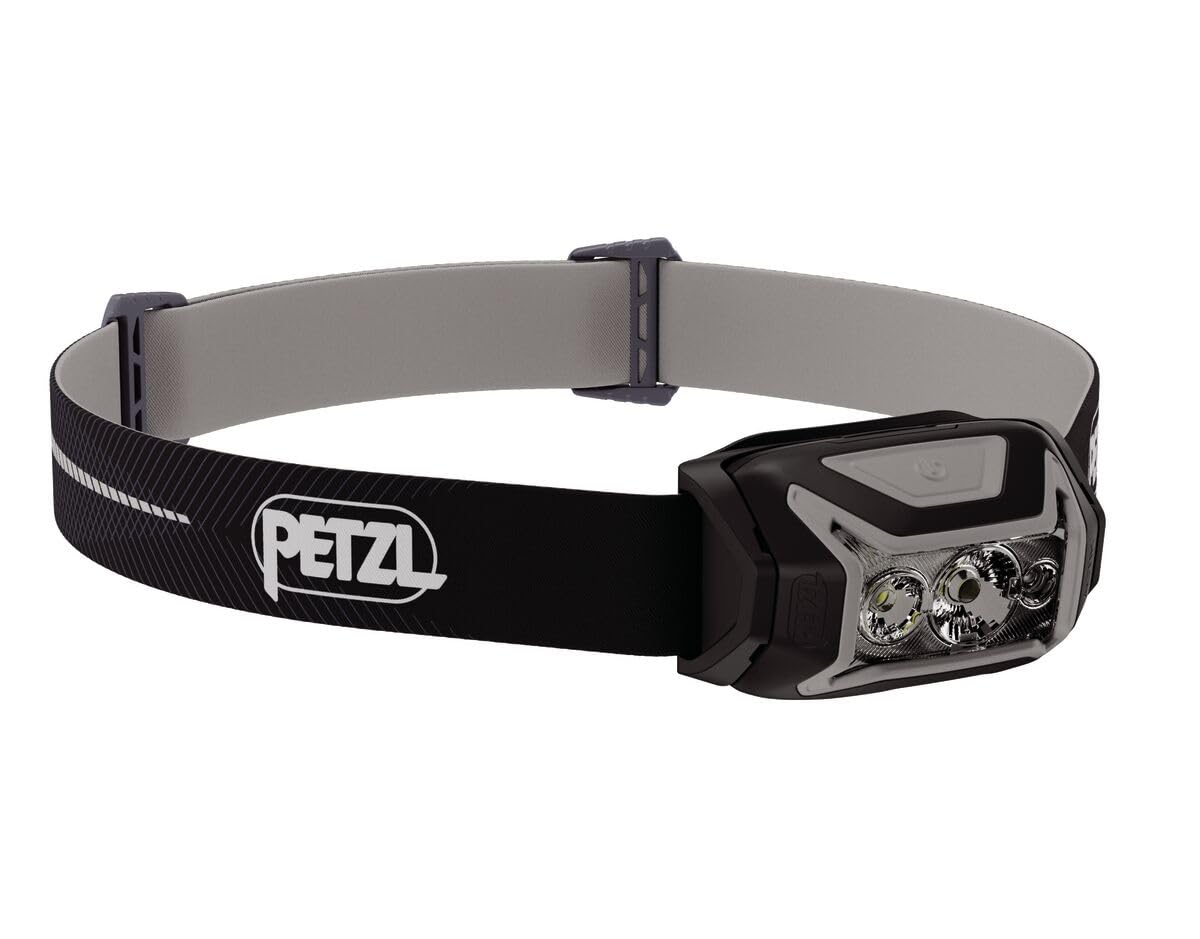
The shift didn’t happen because headlamps got trendy. It happened because they got small enough to disappear into a pocket. A decade ago, a decent headlamp meant a bulky elastic rig built for multi-day backpacking trips. Today, models like the Black Diamond Spot 400 and the Petzl Actik Core weigh under 100 grams, charge over the same USB-C cable as a pocket light, and fold flat enough to ride next to a wallet without printing through a pair of jeans.
Why Headlamps Finally Fit the EDC Rotation
The knock against headlamps has always been the same: elastic bands that loosen, single-mode brightness with no finesse, and a beam that blinds anyone you look at directly. Modern EDC-oriented headlamps fixed all three. Dual-tilt housings let you angle the beam down at a workbench instead of straight ahead into someone’s eyes. Multi-stage dimming, often controlled by a single rear button, gives you a moonlight-level glow for reading a map next to a sleeping kid, then a full-output beam for finding a breaker in a dark utility closet. And silicone headbands with a locking rear dial stay put through a full evening of work without the slow slide down the back of your skull that made older models useless.
Weight, Beam Angle, and the Comfort Tradeoffs
None of this makes a headlamp a straight upgrade over a pocket flashlight — it makes it a different tool with different tradeoffs. Anything worn on the head telegraphs weight more than the same grams sitting in a pocket, so battery capacity gets capped fast before comfort suffers. That’s why most EDC headlamps top out in the 300–500 lumen range rather than chasing the four-figure numbers pocket lights advertise; nobody needs to floodlight a room from their forehead, and a wider hot spot at lower output is actually easier on the eyes for close work than a tight, blinding throw beam would be.
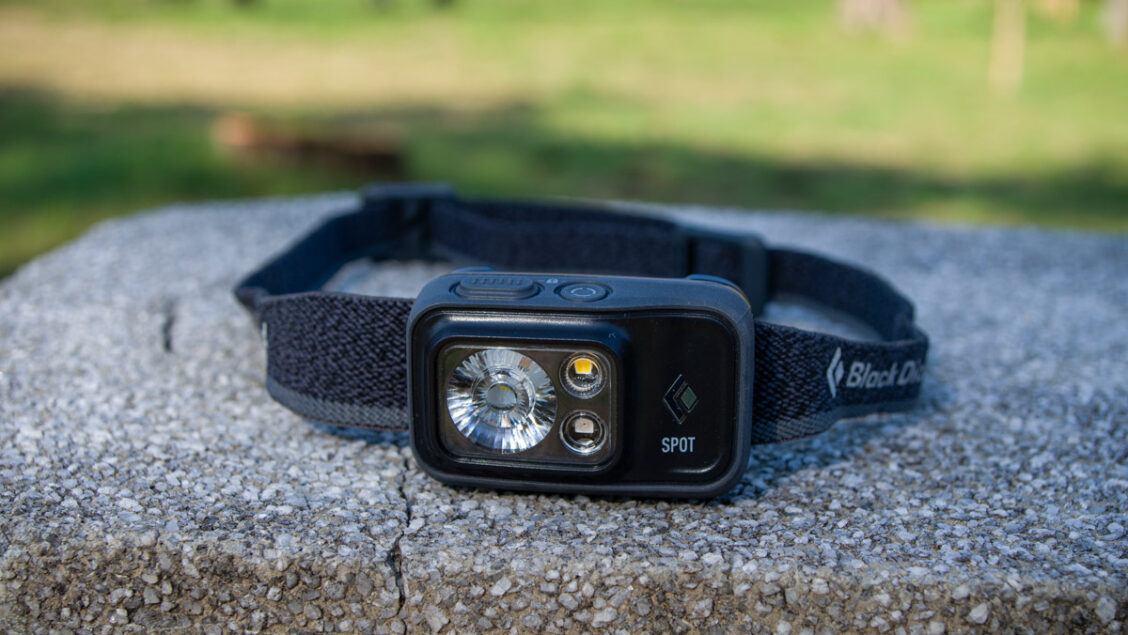
Shop Black Diamond Spot 400 Headlamp on Amazon
Lantern Mode and Dual-Purpose Lighting
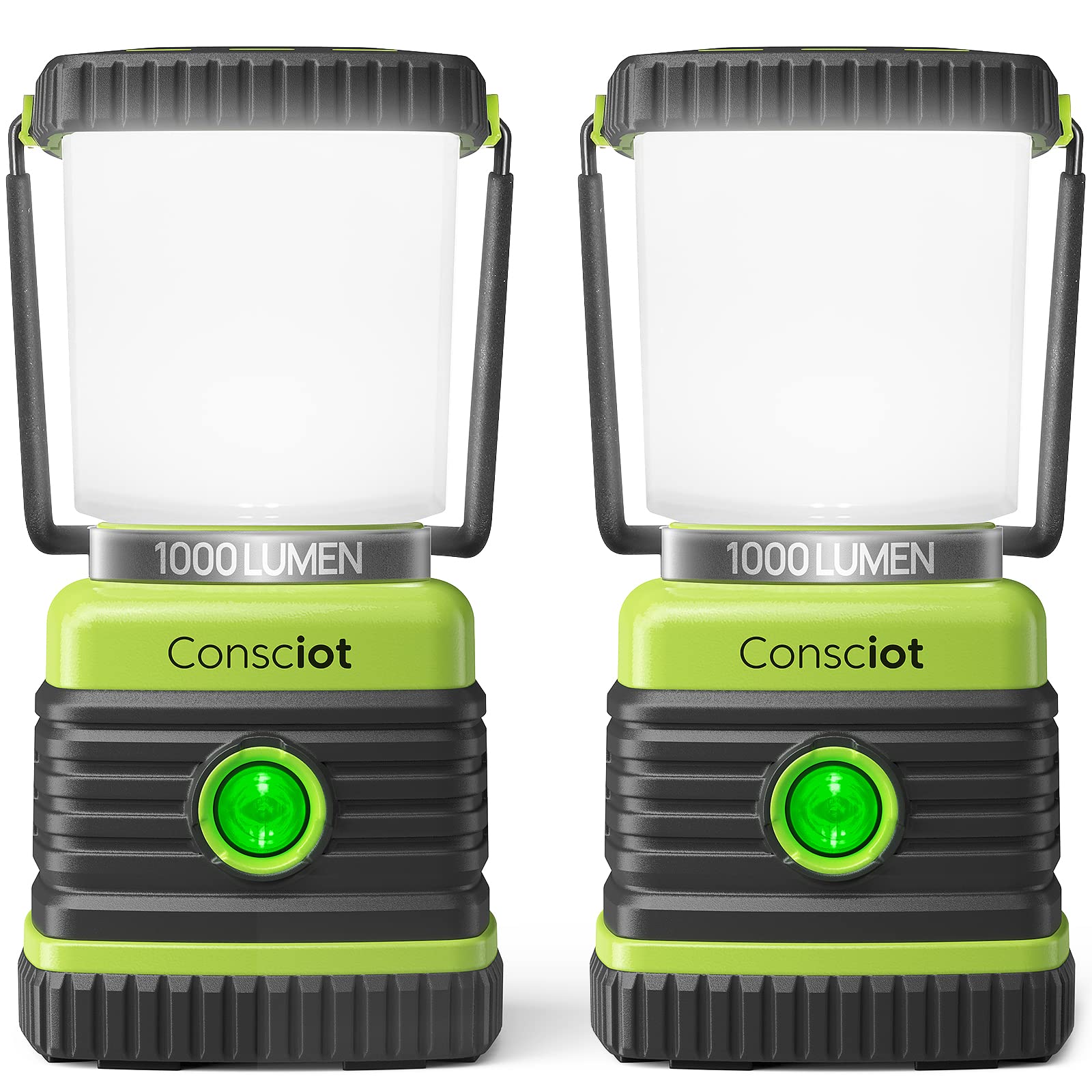
Between a directional pocket light and a head-worn beam sits a third format that rarely gets its due: the lantern conversion. A growing number of EDC flashlights, including several in Nitecore’s lineup, ship with a frosted diffuser cap or a pull-out globe that turns a focused beam into 360-degree ambient light the moment you set the body down on a table or hang it from a paracord loop. That single feature turns one light into three jobs — spot beam walking to the car, area light for a power outage at the dinner table, and a low, warm glow for a tent that won’t wreck everyone’s night vision.
The tradeoff is mechanical complexity. A diffuser cap is one more small part to lose in a glovebox, and lights built around a pull-out globe tend to run a slightly larger body than a pure pocket-carry light of the same output. For someone who already carries a headlamp for hands-free tasks, a dedicated lantern mode is a nice-to-have. For someone building a single do-everything light for a bag or glovebox rather than a pocket, it’s often the more useful feature than another 500 lumens of throw.
Building a Layered EDC Lighting System
The mistake most guys make isn’t picking the wrong light — it’s expecting one light to cover every scenario. A layered system solves that without adding much bulk. The core is still a pocket flashlight for the everyday stuff: checking a lock in the dark, glancing under a car seat, walking to the mailbox. Around that core, two situational pieces cover what the pocket light can’t.
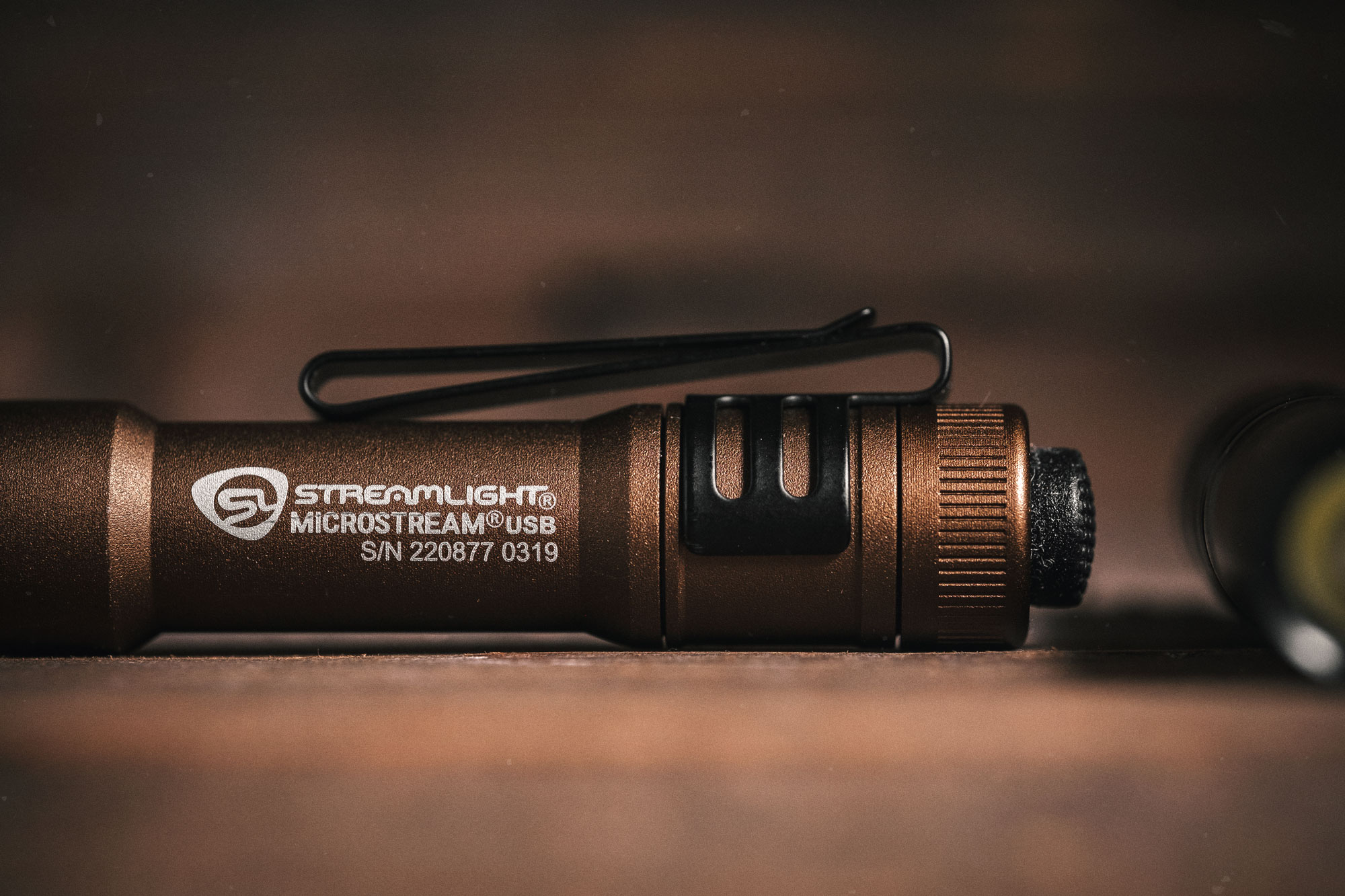
- A featherweight keychain light, like a Streamlight Microstream USB, for the seconds-long tasks where pulling out a full-size light is overkill — reading a restaurant menu, finding a dropped key, checking a fuse label.
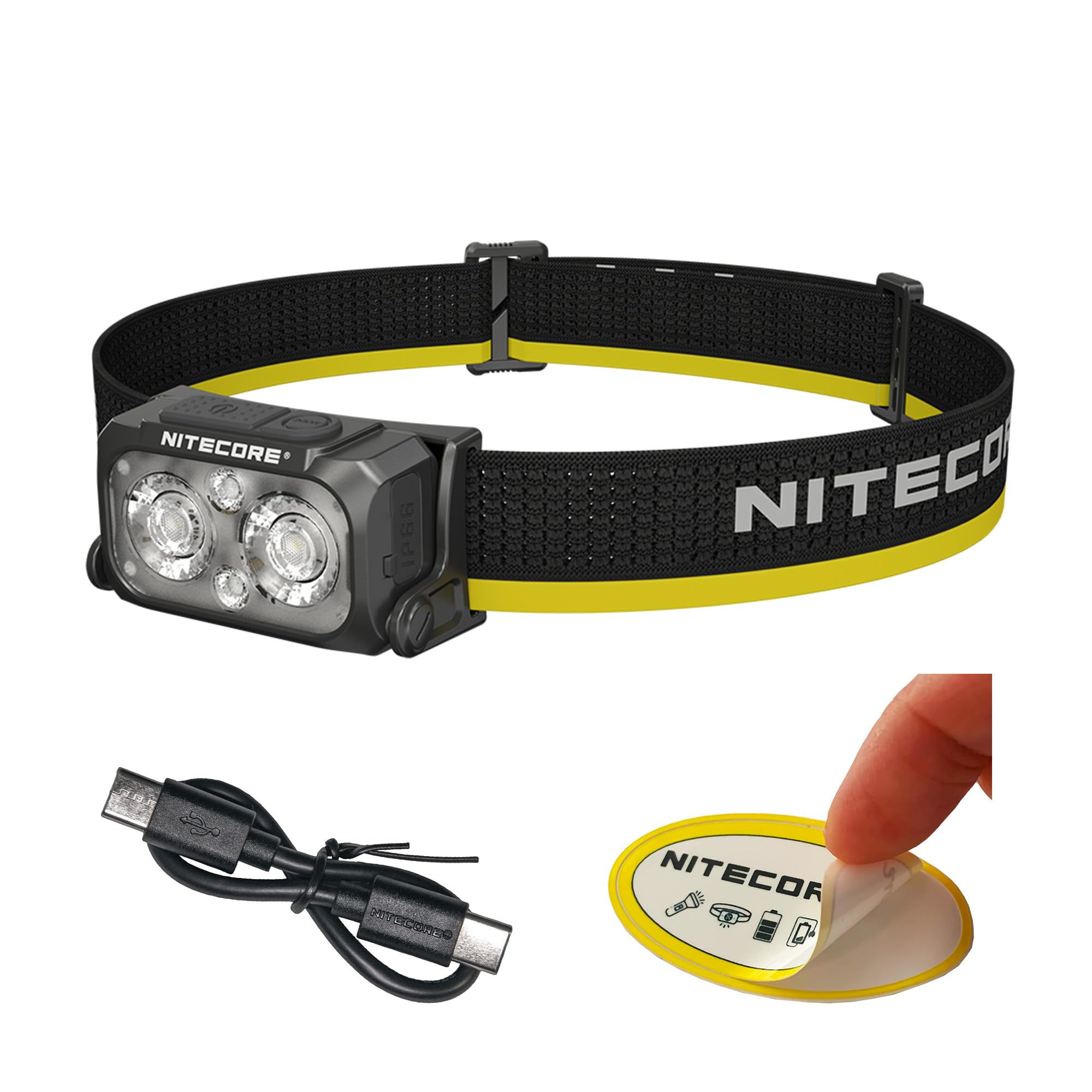
- A compact headlamp, like a Nitecore NU25 or Black Diamond Spot, kept in a bag or glovebox for the hands-free jobs: roadside repairs, camp setup, working a breaker panel, or anything that runs longer than a minute.
None of these three lights competes with the others. A keychain light can’t throw far enough for a parking lot; a headlamp is overkill for finding a dropped pen; a pocket flashlight can’t free your hands for a repair. Carried together, they weigh less than a single oversized \”tactical\” light and cover a far wider range of real situations.
Shop Streamlight Microstream USB on Amazon
Matching the Light to the Task, Not the Spec Sheet
Spec sheets reward the wrong instinct. A bigger lumen number always looks like a better light on a comparison chart, but lumens don’t tell you whether your hands will be free when you need it. Before buying the next EDC light, it’s worth running through the tasks that actually come up — not hypothetical tactical scenarios, but the boring, recurring ones. Do you regularly work under a hood, behind furniture, or inside a breaker box? That’s a headlamp problem. Do you mostly need a quick beam for stairwells and parking structures? That’s a pocket flashlight problem. Do you lose power at home a few times a year and need a light that can just sit on a counter? That’s a lantern-mode problem.
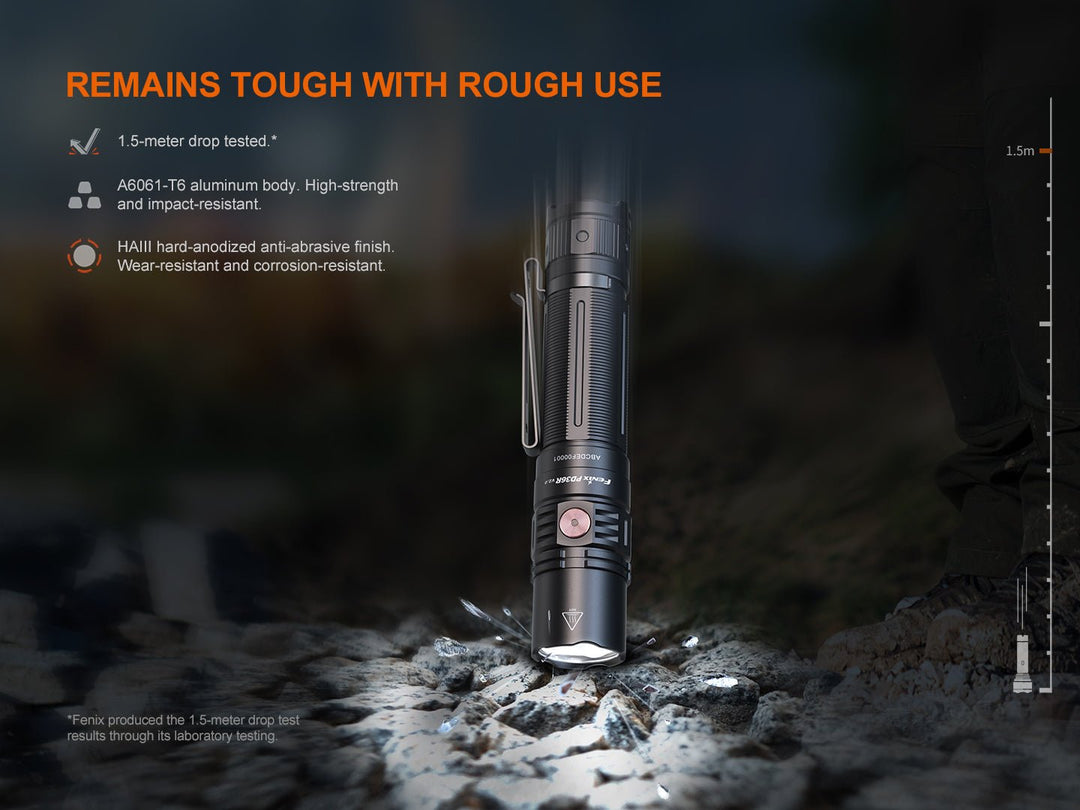
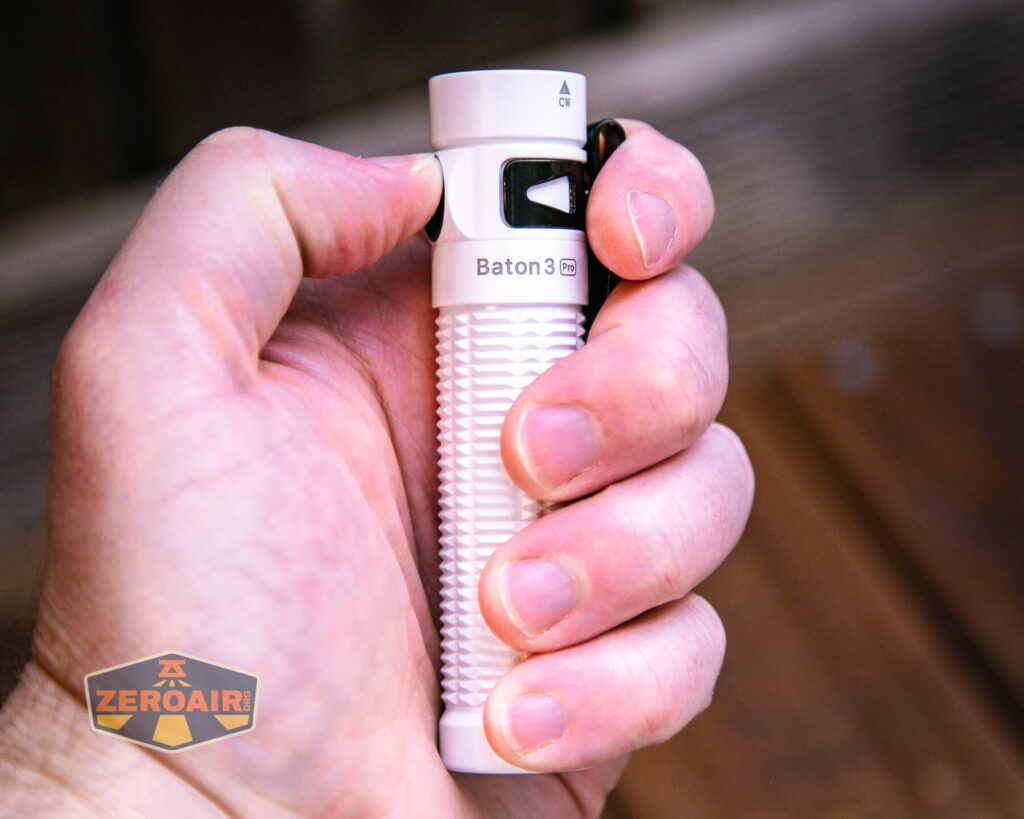
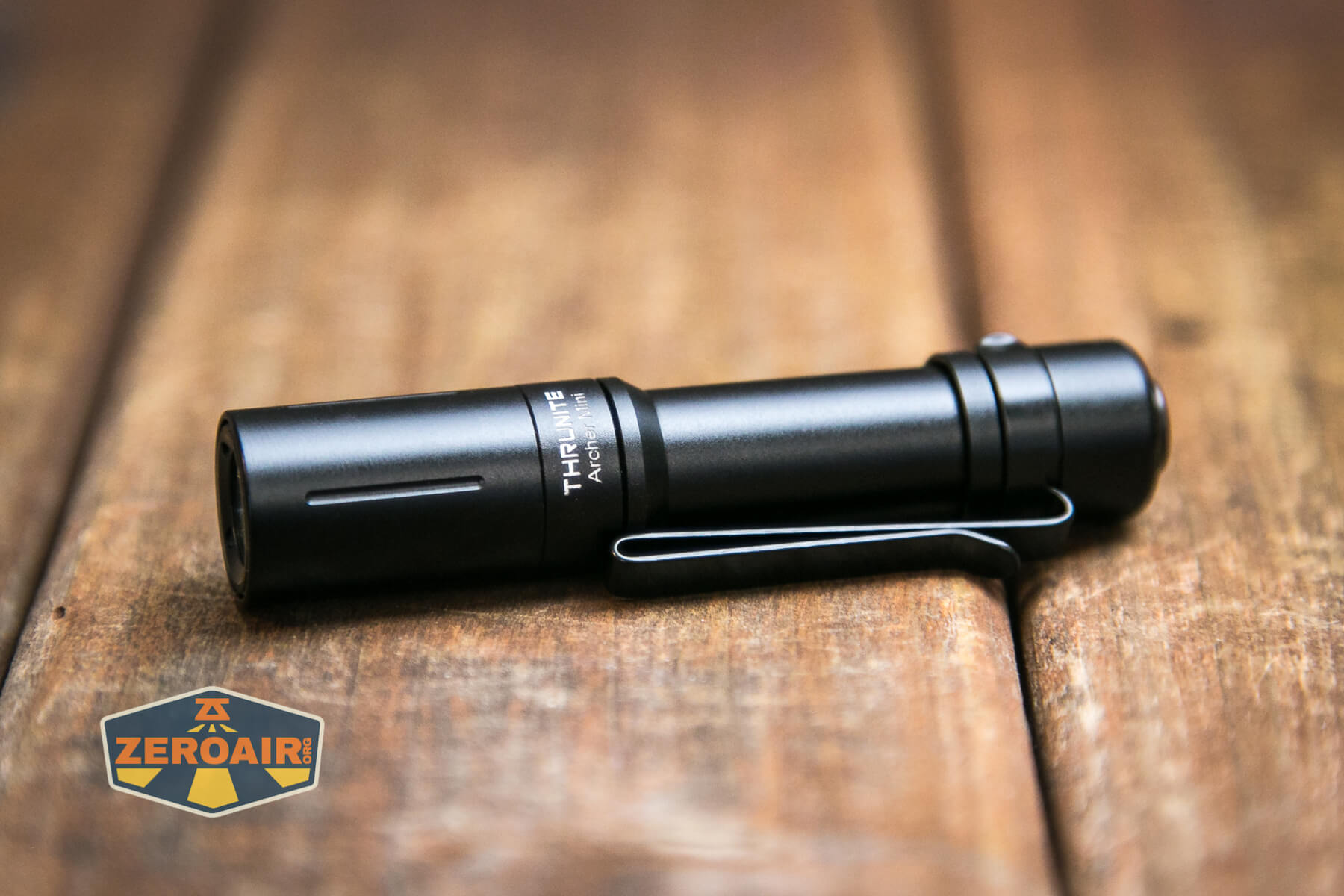
Fenix’s PD36R Pro and Olight’s Baton 3 Pro both make excellent pocket-format arguments — compact, USB-C rechargeable, plenty of throw for a hallway or yard. Neither one solves the hands-free problem, because no pocket light can. That’s not a flaw in the lights; it’s a category limitation that no amount of extra lumens fixes.
Where EDC Lighting Is Headed in 2026
The clearest trend across flashlights, headlamps, and lanterns this year is battery convergence. Brands across the board are standardizing on the same rechargeable 21700 or 18650 cells and USB-C ports, which means a single charging cable and a single spare battery can now back up a pocket light, a headlamp, and a lantern-mode light at the same time — something that wasn’t practical when every category ran its own proprietary cell and connector.
The second trend is shrinking headlamp bulk without shrinking runtime, thanks to more efficient LED drivers that squeeze more usable light out of the same cell size. That’s the change actually worth paying attention to if the last headlamp you owned was a bulky rental-gear leftover from a decade ago — the category has moved on, and for a lot of hands-free EDC tasks, it’s now the better tool than the flashlight in your pocket.
Shop Fenix PD36R Pro on Amazon