When Supersteel Went Cheap: The Sub-$100 EDC Knives Now Running Premium Blade Steel
Ten years ago, “best EDC knives under $100” meant a well-built folder in a competent budget steel — 8Cr13MoV if you were unlucky, AUS-8 if you were. You paid for fit and finish, not for what the blade was made of. The genuinely premium steels lived up around the $180–$250 mark on knives from Spyderco and Benchmade. Somewhere in the last five years that whole map got redrawn. Today you can walk out the door with S35VN, Nitro-V, or even MagnaCut for less than the cost of a nice dinner, wrapped in a folder that locks up tight and rides on bearings. This is the biggest shift in everyday carry in a decade, and most buyers still don’t understand what they’re actually holding.
This isn’t another “top ten blades” roundup. It’s a look at why the sub-$100 tier suddenly punches so far above its weight, what each of these once-exotic steels really does in the pocket, and — because nothing is free — where the manufacturers quietly took the money back out to hit that price. If you’re going to spend under a hundred bucks on a knife in 2026, you should know exactly what your dollars are and aren’t buying.
How the Floor Dropped Out of Premium Steel
Two things happened at once. First, Chinese manufacturing — specifically the WEKnife group (CIVIVI, Sencut), Artisan Cutlery (CJRB), Kizer, and Vosteed — got genuinely good at CNC machining and heat treatment, not just cheap at it. Their tolerances closed up, their pivots got smooth, and their QC stopped being a lottery. Second, the raw steel itself got easier to buy. Alloys like Sandvik’s 14C28N and the American-made Nitro-V were formulated to be forgiving to heat-treat and priced for volume, so a factory could run them without a metallurgy PhD on staff.
The result is a market where the steel is no longer the expensive part of a knife. A blade blank in Nitro-V costs a factory a few dollars more than one in 8Cr. Once you’re already tooled up to make a nice folder, upgrading the steel is close to a rounding error — which is why brands now use premium steel as a marketing hook on knives that would’ve shipped in mystery stainless a decade ago.
The steels you’ll actually see under $100
- 14C28N — Sandvik’s fine-grained stainless. Takes a screaming edge, resharpens easily on anything, holds a working edge respectably. The current gold standard for “cheap but genuinely good.”
- Nitro-V — a nitrogen-enhanced riff on AEB-L. Excellent corrosion resistance and toughness, easy to sharpen. Very common on CIVIVI and Vosteed budget lines.
- AR-RPM9 — Artisan’s powder-metallurgy in-house steel. Fine grain, good edge retention for the price, corrosion-resistant. The steel that made the CJRB Pyrite famous.
- S35VN — Crucible’s powder steel, the old $200-knife benchmark. Better wear resistance and edge stability than the stainless above it. Now shows up on sale-price Kizer and Vosteed folders.
- MagnaCut — the newest wonder-steel, balancing edge retention, toughness and rust resistance better than almost anything. Just now creeping under $100 on select models.
What Better Steel Actually Does In Your Pocket
Here’s the reality check most spec-sheet warriors skip: for the way most people use an EDC knife — boxes, tape, food, cordage, the occasional stubborn zip-tie — the difference between good budget steel and true supersteel is smaller than the internet claims. All of these steels will cut everything you own. Where the premium alloys pull ahead is at the margins, and those margins are worth understanding before you pay for them.
Edge retention is the headline number. S35VN and MagnaCut carry more hard carbides than 14C28N, so they stay sharp through more cutting before you feel drag. If you break down cardboard all day, that matters. If you open two Amazon boxes a week, you’ll sharpen a budget steel maybe once more per year than a supersteel — not exactly life-changing.
Toughness is the quiet hero, and it’s where MagnaCut and Nitro-V genuinely shine. Toughness is resistance to chipping and rolling, and it’s what keeps an edge from micro-fracturing when you hit a staple or torque the tip. A tough steel forgives your mistakes. This is a real-world quality-of-life upgrade that never shows up in a “how many cuts” test.
Corrosion resistance matters more than most gear guys admit. If you carry in a humid climate, sweat into your pocket, or cut a lot of citrus and food, Nitro-V and MagnaCut resist rust far better than the older tool-steel budget option, D2. That’s not a spec-sheet flex; it’s the difference between a blade that patinas ugly and one that still looks clean after a summer of abuse.
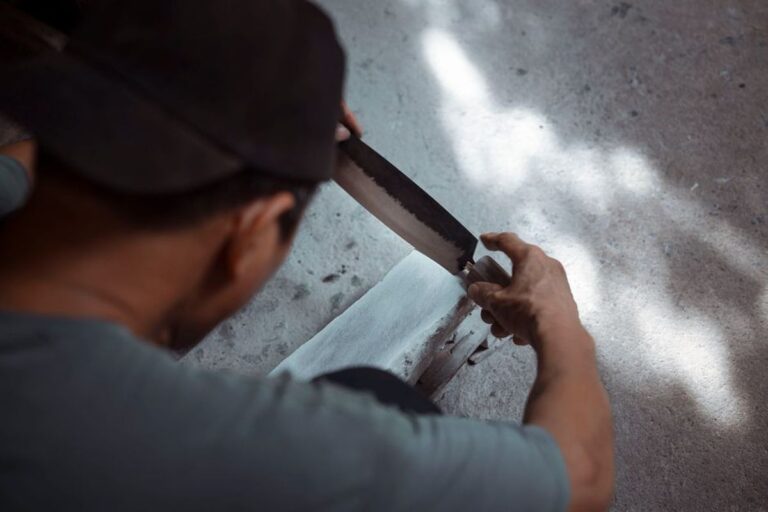
The trap is buying edge retention you don’t need at the cost of easy sharpening you’d actually use. A 14C28N blade you can bring back to hair-popping on a cheap stone in two minutes beats a wear-resistant supersteel you’re afraid to touch because it fights your sharpener.
The Knives Carrying These Steels Right Now
Steel means nothing without a good knife around it, so let’s talk about the actual platforms doing the heavy lifting in this tier. The CIVIVI Elementum is the poster child — a slim, gentleman-adjacent folder that has shipped in D2, 14C28N and Nitro-V depending on the run, usually landing between $40 and $60. Its front-flipper-and-detent action is smooth, the drop-point blade is a genuinely good all-rounder, and the newer Nitro-V versions give you rust resistance the original D2 models lacked.
The CJRB Pyrite pushed the envelope by putting Artisan’s in-house AR-RPM9 powder steel into a machined, bearing-flipping folder for well under $50. It’s heavier and more tactile than the Elementum, with a button-lock or liner-lock depending on variant, and it’s become the default recommendation for someone who wants a modern flipper with real steel and doesn’t want to think hard about it.
Step up toward the ceiling of the tier and you find the interesting stuff: Kizer and Vosteed both put S35VN on sale-priced titanium and micarta folders that regularly dip under $90. This was flat-out impossible at this price five years ago. Kizer’s Vanguard and Original lines in particular give you the exact steel that Chris Reeve charged a mortgage payment for, in a knife that flips like glass.
Shop the CIVIVI Elementum on Amazon
And then there’s the frontier. MagnaCut, the steel that had knife forums losing their minds in 2021, has started appearing on sub-$100 production folders from Vosteed and a handful of smaller brands. It won’t be the cheapest knife in your drawer, but the fact that the single best-balanced stainless steel currently made is now reachable without crossing three figures tells you everything about where this market went.
Worth naming the icons that hover right at or just over the line, too: the Benchmade Bugout in S30V and the Spyderco Delica 4 in VG-10 both flirt with the $100 ceiling and represent the old guard — American and Japanese made, with decades of proven design. They’re not obsolete; they’re just no longer the only way to get good steel in your pocket for the money.
Shop Kizer S35VN folders on Amazon
Where the Manufacturers Took the Money Back
Nothing is free, and a $60 knife with $200 steel had to give something up somewhere. Knowing where the savings hide is how you avoid buyer’s remorse. The first place is heat treatment consistency. Premium steel only performs if it’s hardened correctly to the right Rockwell hardness, and a budget factory running huge batches doesn’t always hit the same number a boutique maker would. Your S35VN blade is real, but it may be run a point or two softer than optimal, trading a sliver of edge retention for easier manufacturing.
The second is hardware and handle materials. That gorgeous “titanium” flipper might actually be titanium, but the sub-$60 versions usually come in G-10, aluminum, or Micarta over steel liners — perfectly good, but not the premium scales the marketing photos imply. Pivot bearings might be steel instead of ceramic. The pocket clip is often the weakest, cheapest-feeling part of the whole knife, and it’s the part you touch every single day.
The third and most important is finish work and hand-finishing. A Benchmade or Spyderco gets human eyes and hands on details a fully-automated budget line skips: crisp jimping, dehorned edges on the spine and handle, a centered blade that’s centered on every single unit rather than most of them. Budget supersteel knives are more variable. You might get a flawless one; you might get one with slightly off blade centering or a gritty detent. The average is excellent. The floor is lower.
None of this is a reason to avoid the tier — it’s a reason to buy with clear eyes. You’re getting 90% of a flagship knife’s real-world performance for 40% of the price, and the missing 10% is finish polish and heat-treat optimization that most users will never notice in actual cutting.
How to Actually Choose One
Forget chasing the fanciest steel on the spec sheet. Start with how you sharpen. If you own a guided system or a diamond stone and enjoy the ritual, a wear-resistant steel like S35VN or MagnaCut rewards you with longer intervals between touch-ups. If you sharpen freehand on whatever’s in the drawer — or you don’t sharpen at all and just want it easy when you finally do — a fine-grained stainless like 14C28N or Nitro-V is the smarter buy, because it comes back to shaving-sharp with almost no effort and less-forgiving supersteel will just frustrate you.
Then match the steel to your environment. Humid, sweaty, food-and-saltwater life? Prioritize corrosion resistance: Nitro-V, S35VN, or MagnaCut over the old D2. Dry climate and you mostly cut cardboard and cordage? D2 or 14C28N is all the steel you’ll ever need, and the money is better spent on a handle and clip you enjoy carrying. The blade you’ll actually reach for beats the blade that wins the wear-resistance test on a whiteboard.
Finally, buy the knife, not the steel. Ergonomics, deployment, lock feel, and how it disappears in your pocket determine whether a knife gets carried for years or retired to a drawer — and a folder you leave at home has exactly zero edge retention. Handle a few if you can, read closely on blade shape and lock type, and treat the premium steel as the bonus it now is rather than the whole decision.
The Takeaway
The best EDC knives under $100 in 2026 are, by any historical standard, absurd value. Steel that defined the premium market a decade ago is now the entry point, and the folders around it flip and lock like knives that used to cost triple. The winners of this shift are the brands that got good, not just cheap — CIVIVI, CJRB, Kizer, Vosteed — and the buyers who understand what they’re getting. Know what the steel does, know where the savings hid, match the blade to how you cut and sharpen, and you can carry a genuinely excellent knife every day for less than the price of the tank of gas it’ll ride around in.
Shop EDC folding knives under $100 on Amazon
Sources
- Wikipedia — Steel and alloy metallurgy
- Knife Steel Nerds — heat treatment and steel testing
- Crucible Industries — S35VN and CPM powder steels
- Wikipedia — Pocketknife
Handmade Polish craftsman knives
Shop Polish Custom Knives →
We may earn a commission when you shop through our Polish Custom Knives link.