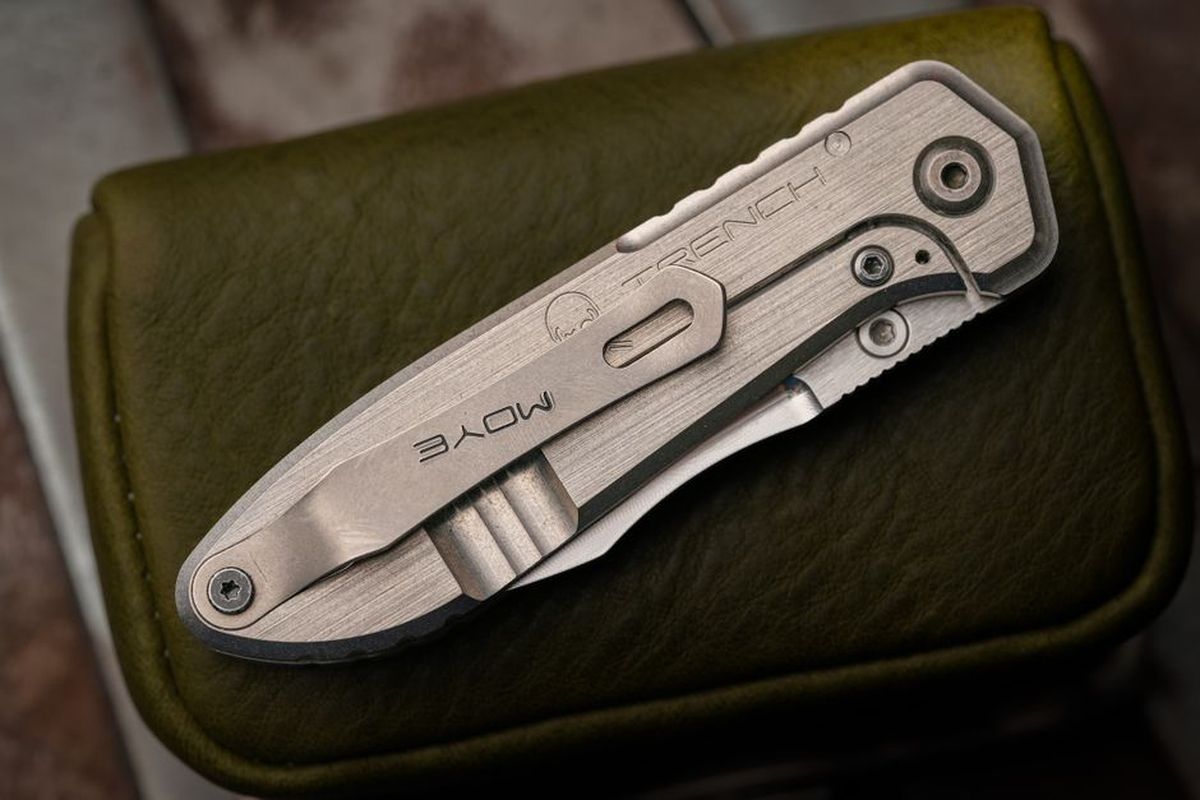
Bearings vs Washers: Why Two Budget EDC Knives Under $50 Feel Worlds Apart When You Open Them
Two knives sit on the counter. Both cost forty bucks. Both have a modern steel, a decent handle, and a pocket clip. You pick up the first one, thumb the flipper tab, and it drops open with a lazy, gritty stutter that ends in a soft click. You pick up the second, barely load the flipper, and the blade snaps into place like a mousetrap — that crisp thwack that makes you do it again just to feel it. Same price. Completely different knives. The difference isn’t the steel or the handle. It’s the pivot.
Most buying advice for the best budget EDC knives under $50 obsesses over blade steel and lock type. Those matter. But the single thing you interact with every single time you carry a folder is the action — how it opens, how it closes, and how it feels doing it. And on cheap knives, action is where the corners get cut quietly. This is a guide to reading the pivot system so you can tell, before you buy, whether a sub-$50 folder is going to feel like a tool you love or a tool you tolerate.
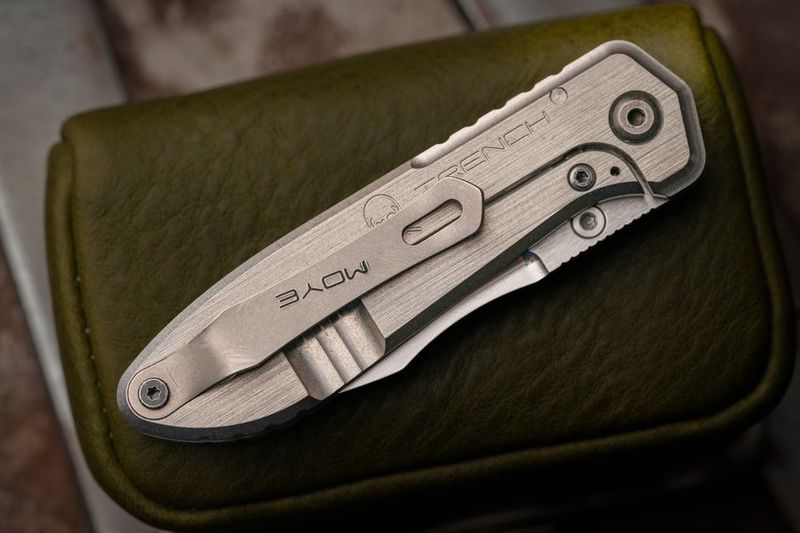
The two systems every folder uses to open
Strip a folding knife down and the pivot is doing one job: letting the blade rotate around a screw while staying centered and snug. There are two dominant ways to do that at this price point, and knowing which one you’re holding tells you most of what you need to know about how it’ll behave over years of carry.
Phosphor bronze washers: the honest workhorse
A washer pivot is two flat rings — usually phosphor bronze, sometimes PTFE — sandwiched between the blade tang and the handle liners. The blade slides against these rings. It’s the setup on the vast majority of proven budget knives, and there’s a reason it refuses to die: it’s dead simple, it’s forgiving of grit and dirt, and it gets better with use as the bronze polishes itself in. A washer knife that feels slightly stiff out of the box will often break in to buttery smoothness after a couple weeks of opening it.
The trade-off is that washers don’t give you that free-falling, drop-shut gravity action that knife nerds fetishize. They give you a controlled, slightly damped swing. For an everyday work knife that lives in a pocket full of lint, that’s arguably what you want. The Ontario RAT II — a genuine sub-$40 legend — rides on bronze washers, and part of why it’s recommended a thousand times over is that the action is reliable rather than flashy.
Ball bearings: the flick-open magic (with a catch)
Bearing pivots replace the flat washers with a ring of tiny steel balls, usually held in a caged race. The blade now rolls instead of slides, and the friction drops through the floor. This is what produces the fidget-factory action — flick the flipper and the blade slams open, close it and it free-drops shut. Five years ago this was strictly high-end. The story of the modern budget knife boom is that brands like CIVIVI, Sencut and CJRB brought smooth bearing actions down under $50, and it genuinely changed what people expect from a cheap folder.
The catch: bearings care about cleanliness more than washers do. Get fine grit into the race and you can feel it immediately as a gritty crunch. They’re also less forgiving of a ham-fisted reassembly if you take the knife apart. For most people this is a non-issue — a puff of compressed air and a drop of light oil fixes 95% of bearing complaints — but if you work in sawdust, sand, or drywall dust all day, a sealed washer pivot may quietly outlast a bearing one.
Shop CIVIVI Elementum on Amazon
The detent: the tiny part that decides everything
Here’s the part nobody talks about and everybody feels. The detent is a small ball bearing pressed into the lock bar or liner that drops into a shallow dimple on the blade tang when the knife is closed. It’s what holds the blade shut in your pocket, and — critically — it’s what stores and releases the energy that snaps a flipper open.
A properly tuned detent is the entire difference between a flipper that fires like a switchblade and one that flops open half-heartedly and needs a second nudge. When you flick a flipper tab, you’re briefly fighting the detent; the moment the ball climbs out of its dimple, all that stored tension launches the blade. Too weak a detent and the blade won’t build speed — you get the dreaded “flipper fail” where it opens to 45 degrees and stalls. Too strong and it takes a violent effort and the knife is fatiguing to use.
This is why two knives with the same bearing pivot can feel completely different. Detent tuning is hand-work, and it’s exactly the kind of thing budget factories used to skip. The reason the current crop of value knives feels so good is that the good brands finally started getting the detent right at this price. When you’re evaluating a knife in a shop or in reviews, the detent “snap” is the single most telling sound. A crisp, confident click means someone tuned it. A mushy, variable open means they didn’t.
Flipper, thumb stud, or nail nick: match the opener to your hands
The pivot is the engine; the opener is the ignition. Under $50 you’ll mostly see three, and they interact with the pivot system in ways worth understanding before you commit your pocket to one.
The flipper tab
A small protrusion on the back of the blade that you pull or push to fire the knife open. It leans hardest on detent tuning and pairs best with a bearing pivot. When it’s dialed in, nothing is faster or more satisfying for one-handed deployment. When it’s not, it’s the most frustrating opener there is. Flippers also double as a small finger guard once deployed, which is a genuine safety bonus for hard cutting.
The thumb stud or thumb hole
You push the blade open with your thumb directly. It’s more deliberate and less dependent on a perfectly tuned detent, which is why it plays so nicely with washer pivots and rugged work knives. The Ontario RAT II uses ambidextrous thumb studs and it’s a masterclass in “just works” deployment — no drama, no fail-to-fire, glove-friendly. If you want a knife you can open reliably when cold, tired, or wearing work gloves, a thumb-stud-on-washers setup is the safe money.
The nail nick and front flipper
Slower, more traditional, and generally two-handed — the nail nick belongs on slipjoints and gentleman’s folders where a smooth, quiet open matters more than speed. Front flippers are the trendy middle ground: a low-profile tab you deploy with the pad of your thumb, giving you flipper speed in a discreet package. Both reward a well-broken-in pivot, because you don’t have detent tension doing the heavy lifting.
Blade centering and lock stick: the two cheap-knife tells
Once you understand the pivot, you can spot where a budget knife was rushed. Two symptoms give it away instantly.
Off-center blades. Close the knife and look down the spine. The blade should sit dead-center between the handle scales, not kissing one liner. A rubbing blade means uneven pivot tension or sloppy tolerances, and it’s the number-one complaint on budget bearing knives. Minor rub often disappears with a break-in or a quarter-turn pivot adjustment. Severe rub that you can’t tune out means the knife was built loose, and it usually gets worse, not better.
Lock stick. On liner and frame locks, the lock bar wedges against the blade tang to hold it open. If it wedges too hard — because the geometry is off or the surfaces are rough — you get “lock stick,” where you have to fight to disengage the lock and the blade snaps free unpredictably. A little stick usually breaks in. Persistent stick on a cheap knife is a sign the lock face wasn’t finished properly. The good news is that today’s better budget brands have mostly solved this; it was far more common in the bad old days of $15 gas-station folders.
How to test action before you commit
Whether you’re handling a knife in person or reading reviews, here’s what actually predicts long-term satisfaction with the action of a sub-$50 folder:
- The open sound. A crisp, consistent snap on every open means a tuned detent. A variable, mushy open is the biggest red flag there is.
- The drop-shut test. On a bearing knife, disengage the lock and let gravity close it. A smooth free-fall shut means clean, well-seated bearings. Grinding or stalling means grit or a bad pivot.
- Blade centering. Sight down the closed spine. Dead center is ideal; slight lean is livable; hard rub is a pass.
- Lock engagement. The lock should snap to somewhere between 30% and 60% across the tang — early lockup can wear into blade play, late lockup risks lock failure.
- Vertical and side play. Open the blade fully and wiggle it. Any perceptible wobble means the pivot needs tightening — or the knife has slop that can’t be tuned out.
None of this requires special tools. Most action complaints on genuinely good budget knives — CIVIVI, Sencut, CJRB, Kizer’s Vanguard line, Ontario, Kershaw — are fixable with a T6/T8 Torx driver, a puff of air, and a single drop of light oil on the pivot. The pivot screw controls the whole feel: snug it until the blade play disappears, back off until it swings freely, and you’ve dialed in most of a knife’s action in about thirty seconds.
So which system should you buy?
There’s no universal winner — there’s only the match to how you carry. If you want a knife that feels like a toy you can’t stop flicking, that fires open with authority and drops shut on its own, buy a well-reviewed bearing flipper from a brand that clearly tunes its detents. That’s where the modern budget market is genuinely spectacular, and it’s the reason a $40 knife can now out-fidget a $200 one from a decade ago.
If you want a knife that just opens — every time, in gloves, in grit, in the cold, with zero fuss and a pivot that gets smoother the more you beat on it — buy a thumb-stud folder on bronze washers. It won’t win the fidget contest, but it’ll be the one still riding in your pocket in five years, doing the boring cutting work without a single complaint.
The real trap is buying purely on the spec sheet and ignoring the pivot entirely. Two knives with identical steel and identical locks can be a joy or a chore depending on whether someone spent the extra minute tuning the detent and finishing the pivot. Now you know what to listen for. The best budget EDC knife under $50 isn’t the one with the fanciest steel on paper — it’s the one that opens right in your hand, every single time you reach for it.
Sources
Handmade Polish craftsman knives
Shop Polish Custom Knives →
We may earn a commission when you shop through our Polish Custom Knives link.