Blade Steel Explained: What Actually Matters for an EDC Knife
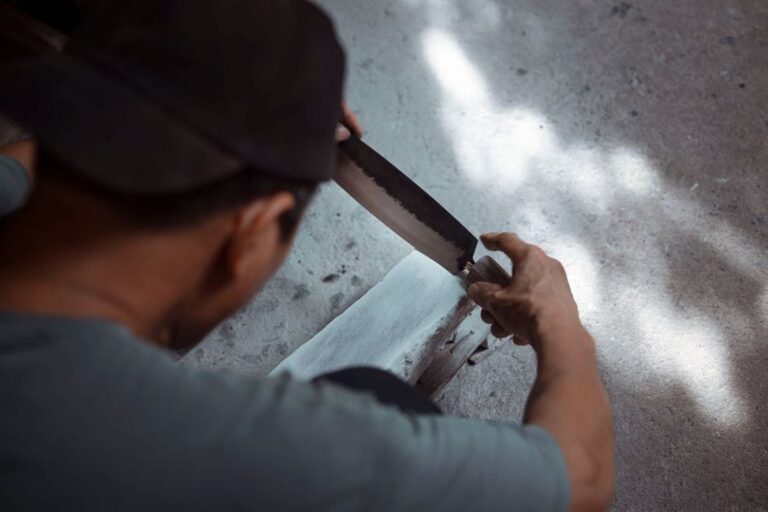
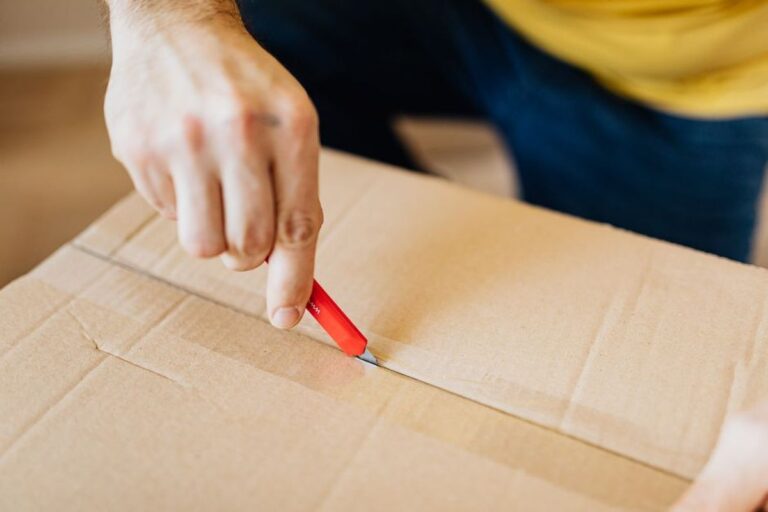
Two weeks of opening shipping boxes at a warehouse job turned my old budget folder into a butter knife — I was stropping it every single morning just to get through the first hour. The knife wasn’t bad. The steel was wrong for the job. That’s the mistake almost everyone makes buying an EDC knife: they shop for a brand or a blade shape and never look at the three letters and numbers stamped on the spec sheet that actually decide how the knife performs for the next three years.
Steel choice affects edge retention, how often you’ll be at a whetstone, whether the blade rusts after a rainy commute, and how much the knife costs. This guide breaks down what each property means in practice and which steels make sense for real urban EDC use — not for a workshop full of sharpening equipment.
Why EDC Knife Steel Decides Almost Everything Else
Blade shape, lock type, and handle material get most of the attention in knife reviews, but none of them change week to week. Steel does. It’s the single spec that determines how long the edge survives daily use, whether the blade needs babying around moisture, and how much effort goes into keeping it sharp. A drop-point blade in the wrong steel for your routine will frustrate you regardless of how good the geometry is.
Manufacturers pick steel based on price point first, performance second — a $25 folder and a $150 folder are often built around completely different metallurgy, not just different fit and finish. Knowing what the steel code on the box actually means lets you buy for your routine instead of trusting a marketing term like “premium steel” that could mean almost anything.
The Three-Way Trade-Off: Edge Retention, Corrosion Resistance, Toughness
Every knife steel is a compromise between three properties, and pushing one up pulls at least one other down. Edge retention is how long the blade stays sharp under use — higher carbon content and harder heat treatment generally improve it. Corrosion resistance is how well the steel shrugs off rust and moisture, which comes from chromium content; true stainless steels need roughly 12-13% chromium or more. Toughness and ease of sharpening cover how resistant the blade is to chipping and how fast you can bring it back to a working edge on a stone.
Push a steel’s carbon and hardness up for edge retention, and chromium’s job of resisting corrosion gets harder, and the edge gets more brittle and slower to resharpen. That’s why a steel marketed as holding an edge “twice as long” is rarely stainless, and why the most rust-proof steels are rarely the ones that stay sharpest the longest. Once this trade-off clicks, every steel name on a knife box becomes a lot easier to read.
Stainless Steels Built for Daily Carry: 14C28N, AUS-8, 420HC
These three steels show up on the overwhelming majority of EDC folders between $15 and $60, and for good reason: they’re true stainless steels with high chromium content, so a humid commute or a rainy bike ride isn’t a maintenance event. 14C28N, made by Sandvik in Sweden, is the most refined of the three — fine grain structure, holds a working edge longer than AUS-8 or 420HC, and sharpens back up in a few minutes on a stone. AUS-8, a Japanese steel, sits in the middle: decent edge life, very easy to sharpen, forgiving for anyone still learning to use a whetstone. 420HC, popularized by Buck Knives, is the softest of the three and loses its edge fastest, but it’s nearly impossible to chip and takes almost no skill to bring back to sharp.
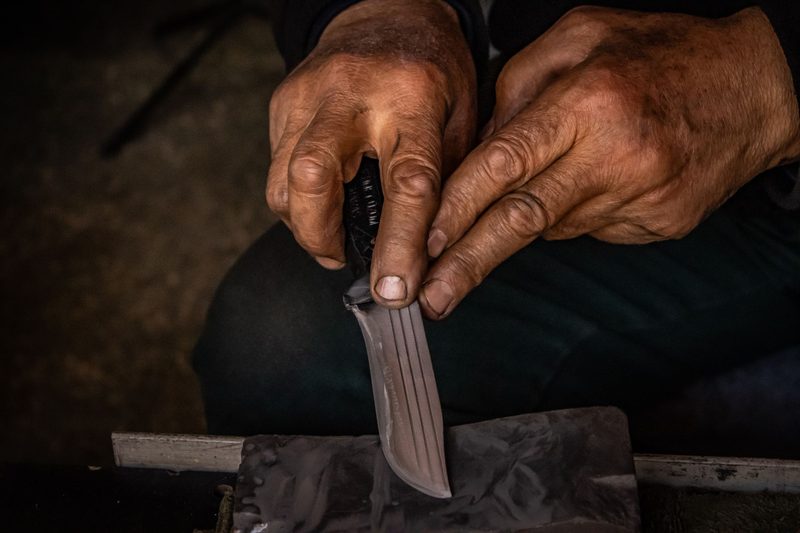
None of these three will hold an edge through a week of heavy cardboard-box duty without a touch-up. What they will do is sit in a pocket through sweat, rain, and humidity for years without a spot of rust, and get sharp again in minutes with basic gear. For most people who carry a knife for opening mail, trimming tags, and the occasional food task, that trade is the right one.
Premium All-Rounders: S35VN and Why It Costs More
S35VN sits a tier above the budget stainless steels and shows up on knives from $80 and up. It’s a powder-metallurgy steel loaded with vanadium carbides, which gives it roughly 30-40% longer edge retention than 14C28N while still staying meaningfully stainless. The catch is cost and sharpening time — the same hard carbides that make the edge last longer also make the steel slower to grind on a basic stone, so it rewards owning a decent sharpening setup rather than a $10 pull-through.
For someone who carries a knife daily and doesn’t want to think about the blade for months at a time, S35VN is the steel that gets closest to “set it and forget it.” It won’t rust in a gym bag and it won’t go dull after a week of box-cutting duty. The premium is real, but so is the reduced maintenance — this is the steel to pick once you know you’ll actually use a knife enough to notice the difference.
D2 and Other Non-Stainless Tool Steels: More Edge, More Maintenance
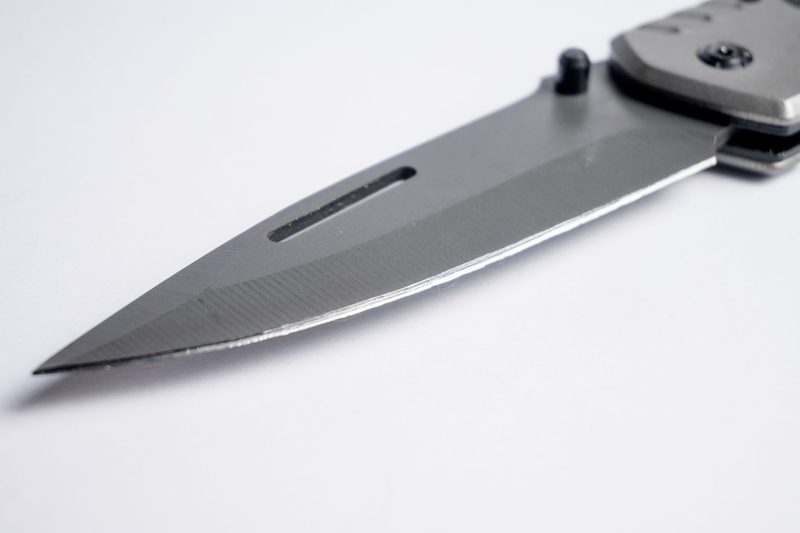
D2 is the steel people reach for when edge retention matters more than anything else — it’s technically a tool steel, not a true stainless, since its chromium content sits just under the 13% threshold. That near-miss on chromium means D2 holds an edge noticeably longer than 14C28N and bites harder into abrasive materials like cardboard and rope, but it will develop surface rust spots if it sits wet or humid without a wipe-down.
This is the steel for someone who does real daily cutting work — a mover, a stockroom worker, someone who breaks down boxes for a living — and doesn’t mind a 30-second wipe with an oiled cloth after use. Carried loose in a damp gym bag or left wet in a pocket, it will spot faster than any of the stainless options above. Carried and maintained like the semi-stainless steel it actually is, it rewards you with the longest stretch between sharpenings of anything on this list short of the ultra-premium powder steels.
Rockwell Hardness (HRC): What That Number Actually Tells You
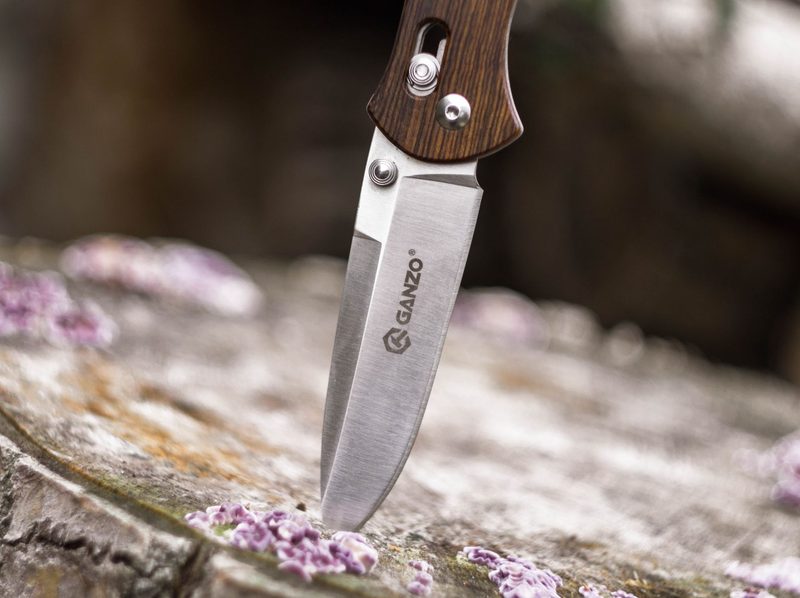
Steel type and hardness are two different specs, and a lot of buyers conflate them. The Rockwell C scale (HRC) measures how hard the heat-treated blade actually is, and most EDC knives land somewhere between 58 and 62 HRC regardless of which steel they’re made from. A knife at the low end of its steel’s hardness range will be tougher and more chip-resistant but dull faster; pushed to the high end, the same steel holds an edge longer but gets more brittle and prone to small chips if it hits something hard.
This is why two knives in the same steel can perform noticeably differently — the steel sets the ceiling, but the heat treatment and final hardness decide where on that range the blade actually sits. If a spec sheet lists both the steel and the HRC number, that’s a sign the maker put real thought into the heat treatment rather than just buying generic stock steel and calling it a feature.
Matching Steel to How You Actually Carry
The right steel question isn’t “which is best” — it’s “what does my knife actually do in a normal week.” Someone opening mail, trimming the occasional tag, and carrying through rain and subway humidity should default to a stainless steel like 14C28N or AUS-8 and skip paying extra for edge retention they won’t use. Someone breaking down boxes daily or doing repeated cutting tasks at work gets real value from D2’s longer edge life, as long as a dry wipe-down becomes part of the routine. Someone who wants to carry one knife for years without thinking about maintenance at all is the person S35VN is built for.
None of these choices is wrong, and none of them is universal. The mistake is buying the steel with the biggest number on a chart and assuming it fits every routine — it’s the same error as buying the biggest flashlight instead of the one that fits your actual pocket and your actual nights.
Frequently Asked Questions
What’s the best all-around steel for an EDC knife?
For most daily carry, a true stainless steel like 14C28N or AUS-8 is the best all-around pick — decent edge retention, easy sharpening, and no rust worries through rain, sweat, or humidity. Reach for S35VN if budget allows and you want longer stretches between sharpenings, or D2 if your knife does genuine daily cutting work and you don’t mind a quick wipe-down after wet use.
Does a higher price always mean better steel?
Not automatically, but there’s a strong correlation — budget knives almost always use 420HC or AUS-8 because they’re cheap to produce and forgiving to heat-treat, while S35VN and other powder-metallurgy steels cost more to source and process. Price is a reasonable proxy for steel quality on mainstream brands, but always check the actual steel name on the spec sheet rather than assuming.
Is D2 steel actually stainless?
No, not technically, though it’s often marketed close to stainless. True stainless steel needs roughly 12-13% chromium, and D2 sits just under that line, which is why it offers better edge retention than most stainless steels but will develop light surface rust if left wet or humid without being dried and wiped down.
How often should I sharpen my EDC knife?
It depends entirely on the steel and how hard you use the knife, but as a rough guide: budget stainless steels like AUS-8 or 420HC need a touch-up every one to two weeks of regular carry, mid-tier steels like 14C28N stretch that to two to four weeks, and premium steels like S35VN or tool steels like D2 can go a month or more under the same use before the edge noticeably fades.
Sources
- List of blade materials — Wikipedia — reference overview of knife steel compositions and categories referenced in this guide.
- Blade HQ — The Ultimate Knife Steel Guide — comparative steel chart and Rockwell hardness context used for the edge-retention and hardness sections.
- Damned Designs — D2 vs 14C28N vs S35VN — head-to-head steel performance comparisons referenced for the stainless vs. tool steel trade-offs.
- American Knife & Tool Institute — general EDC knife industry reference.